Endoskeleton
noun (n.)
Definition
An endoskeleton is an internal skeleton and therefore contrasts with the exoskeleton (external) and the hydroskeleton. This skeleton found inside the body provides structural support and protection for the internal organs and tissues of an organism. The vertebral column of mammals and the lateral line elements of fishes are part of the endoskeleton. The internal skeleton consists of rigid or semi-rigid structures within the body, which move through the action of the muscular system.
The endoskeletons of 4 vertebrates:
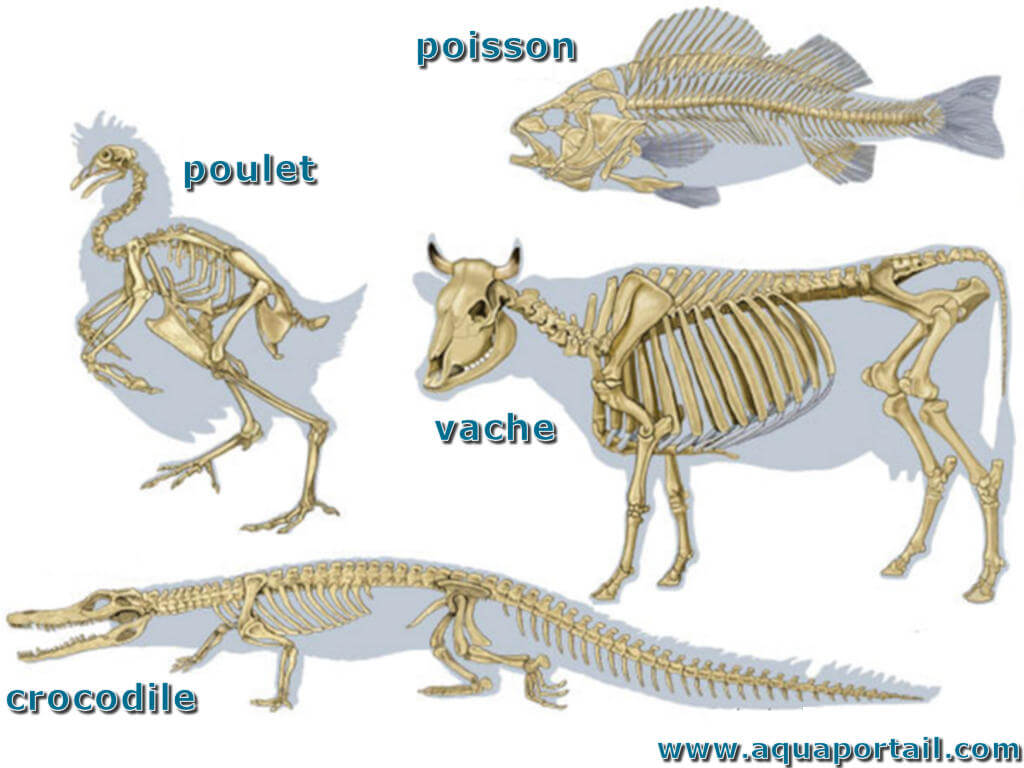
The endoskeletons of these 4 vertebrates (fish, chicken, bovine, crocodile) are the internal bony and cartilaginous structures that support all other tissues of the animal.
Explanations
Endoskeletons can take several forms and may differ in complexity, shape, and function, depending on the needs of the animal. Most vertebrates have an endoskeleton, which is composed of mineralized tissue in the form of bone and cartilage. This "true skeleton" is formed from the mesoderm during embryogenesis and skeletogenesis.
When endoskeletal structures are mineralized or ossified, as in humans and other mammals, they are called "bones". Another component of the skeletal system is cartilage, which complements its structure. In humans, for example, the nose and ears are supported by cartilage. Some organisms have an internal skeleton composed entirely of cartilage, without calcified bones, as in the case of sharks. Bones and other rigid structures are connected by ligaments and attached to the muscular system through tendons.
The human skeleton is internal, which is why it is called an endoskeleton; it is a structure joined by bones, forming a sturdy framework while also providing joints.
The endoskeleton provides structural support for the body, allowing its owner to stand; without it, the body would have no shape. Although the skeleton does not necessarily prevent damage to external organs such as the skin, it offers substantial protection to internal organs.
The vertebrate endoskeleton consists of two distinct parts:
- The axial endoskeleton is the central internal skeleton. It is composed of the skull, the rib cage, and the vertebral column. Its primary protective function covers the central nervous system and vital organs such as the lungs, heart, kidneys, and liver.
- The appendicular endoskeleton consists of the pelvic girdle, shoulder blades, and the bones of the arms, legs, and feet. This part of the endoskeleton protects and supports the limbs.
⭐ See also hydroskeleton (or hydrostatic skeleton) and cytoskeleton.
✅ The bones of the endoskeleton contain about 99% of the body's calcium; they therefore play a key role in regulating calcium levels in the body through the process of homeostasis.
✅ While the majority of invertebrates have a non-cartilaginous exoskeleton, a few invertebrates possess endoskeletons, including squids and octopuses, as well as echinoderms such as sea stars and sea urchins.
Sponges (Porifera) and cnidarians (jellyfish) are diploblastic invertebrates that possess internal support comparable to a hydrostatic skeleton, although they lack a coelom (a cavity present in annelids). In cnidarians, this support relies on a gelatinous layer called mesoglea and fluid pressure within the gastrovascular cavity, whereas in sponges it involves the mesohyl and spicules.
An advantage of endoskeletons over exoskeletons is that, as living tissue, the endoskeleton grows in tandem with the rest of the body. In order to grow from juvenile to adult, organisms with exoskeletons must shed or "molt" their external skeleton and then develop a new one. This is not necessary with an endoskeleton. During the molting process, an animal is without an exoskeleton and is therefore particularly vulnerable. Moreover, it can be very costly in terms of resources to grow or acquire a new exoskeleton.
While remaining lightweight, endoskeletons are also capable of supporting a greater body weight than exoskeletons. This enables vertebrate organisms to grow to much larger sizes than those with external skeletons, such as insects.
Synonyms, antonyms
Spanish translation: endoesqueleto
1 synonym (similar meaning) for "endoskeleton":
1 antonym (opposite meaning):
Related words and expressions to ENDOSKELETON are directly connected by general or specific meaning.
The word ENDOSKELETON is listed on page 1 of words starting with E in the dictionary glossary.
Related to "endoskeleton"
exoskeleton
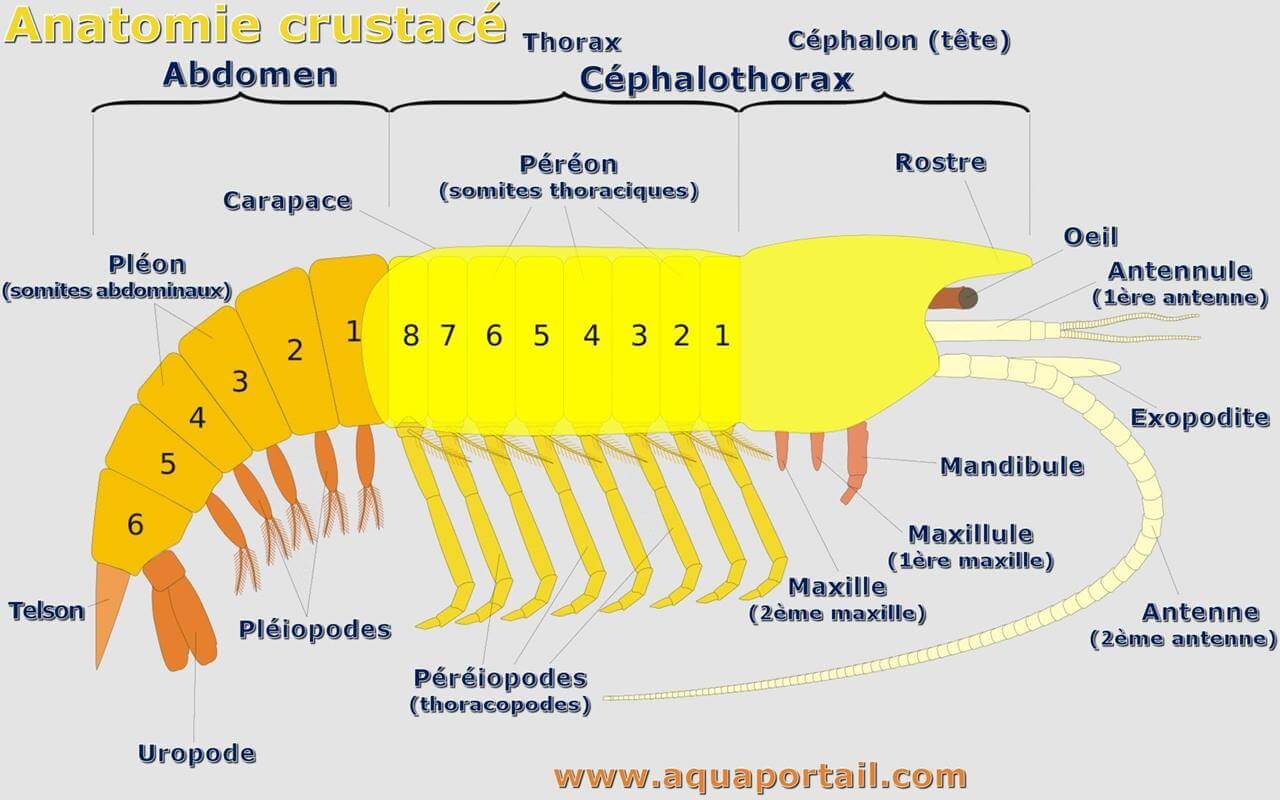
In biology, an exoskeleton is a continuous external skeleton that covers, protects, and supports the body of an animal, fungus, or protist.
skeleton

In biology, the skeleton or skeletal system is the anatomical system that provides support and protection for the soft tissues and muscles of living organisms...
endospore

An endospore is a dormant, tough, and non-reproductive structure produced by a small number of bacteria from the phylum Bacillota (Firmicutes).
endosymbiosis
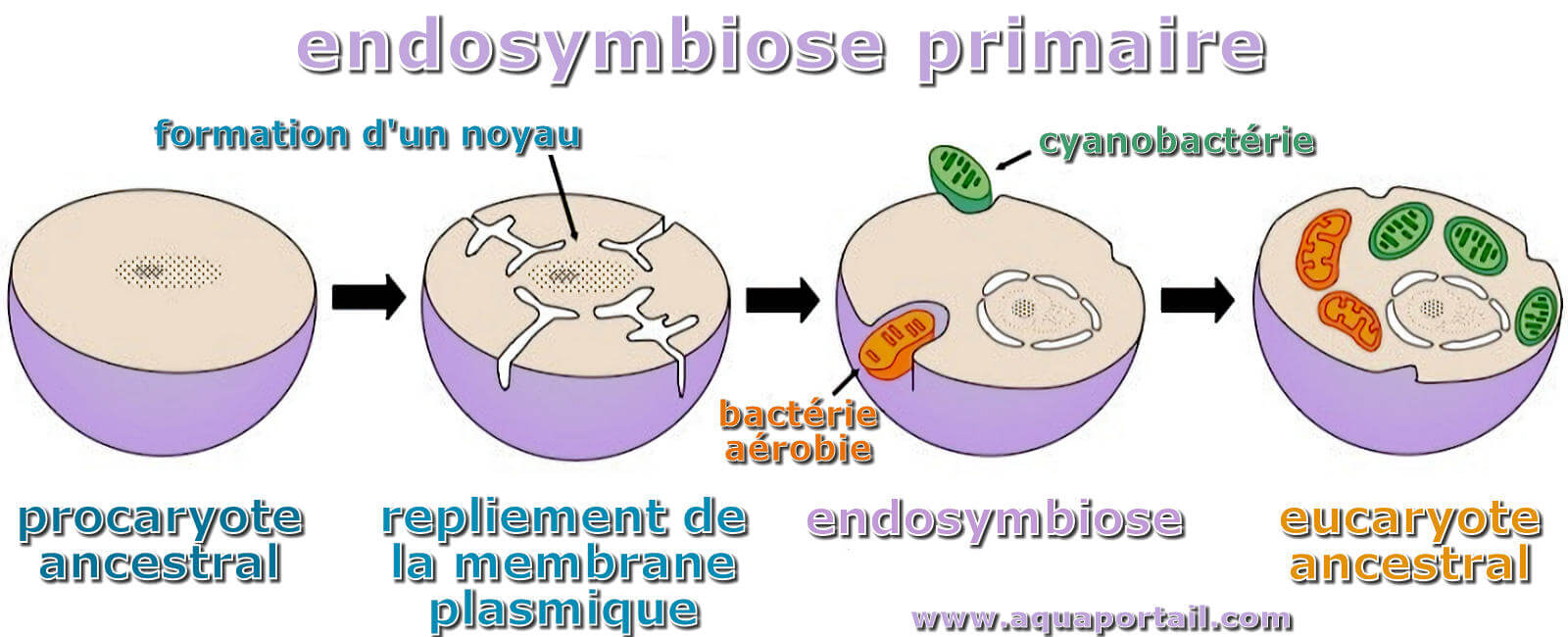
Endosymbiosis refers to an evolutionary theory proposing that the plastids and mitochondria of eukaryotic cells originated from endosymbiotic bacteria.
