Endospore
noun (n.)
Definition
An endospore is a dormant, tough, and non-reproductive structure produced by a small number of bacteria from the phylum Bacillota (Firmicutes). The primary function of most endospores is to ensure the survival of bacteria through periods of environmental stress.
A group of Bacillus subtilis endospores:

Bacillus subtilis bacilli have endospores (in cyan-green). Some bacteria produce exospores or cysts rather than endospores.
Explanations
An endospore consists of a highly resistant dormant bacterial structure, a protective structure formed by bacteria, which develops inside certain vegetative cells under unfavorable conditions. Endospores are specialized, non-reproductive cells produced by certain bacteria.
An endospore is also a spore that appears inside (endogenous spore) a sporangium through sporogenesis, or the inner part of the wall of a plant spore. In a few cases, it can also transform into a trophocyte.
Function
The main function of endospores is to ensure survival during periods of environmental stress. They are extraordinarily resistant to radiation (ultraviolet, X-ray, and gamma), desiccation, lysozyme, heat, chemical disinfectants, and mechanical disruption. Endospores, as extremophiles, are commonly found in soil and water, where they can survive for long periods of time.
Structure
An endospore is also a dormant structure of Gram-positive bacteria of the division Firmicutes, resistant to extreme environmental conditions (heat, radiation, chemical disinfectants, drought). It therefore serves as a means of survival for the bacterium. From the outside inward, it is composed of:
- a thin exosporium
- a spore coat (responsible for resistance to chemicals), the archesporium
- a peptidoglycan cortex
- an inert protoplast
Unlike the spores produced by many eukaryotes for reproductive purposes, bacteria only produce endospores in unfavorable environments. The spore has a thin covering called the exosporium, which overlies the spore coat. The spore coat is impermeable to many toxic molecules and may also contain enzymes involved in germination. The cortex lies beneath the spore coat and consists of peptidoglycan. The core wall lies beneath the cortex and surrounds the protoplast or core of the endospore. The core has normal cell structures, such as DNA and ribosomes, but is metabolically inactive.
Up to 15% of the endospore consists of calcium within the core, which helps stabilize the DNA. Dipicolinic acid, combined with calcium, is responsible for the dehydration and heat resistance of the spore, and calcium can also aid resistance to salt and oxidizing agents. However, mutants lacking dipicolinic acid have been isolated that remain heat-resistant, suggesting there are other mechanisms that contribute to thermal resistance.
See also baeocytes.
Location
The position of the endospore differs among bacterial species and is useful in identification. The main types within the cell are terminal, subterminal, and centrally placed endospores. Terminal endospores are located at the poles of the cell, whereas centrally placed endospores are typically in the center. Subterminal endospores are located toward the ends, far enough from the poles but not close enough to the center to be considered central.
Examples of bacteria having terminal endospores include Clostridium tetani, the pathogen that causes tetanus. Examples of bacteria having central endospores include Bacillus cereus, while Bacillus subtilis has subterminal endospores.
Endospores are difficult to observe under a microscope due to the impermeability of their wall, which prevents the entry of dyes used in ordinary stains. While the rest of the bacterium may stain, the endospore remains colorless. For this reason, the technique known as the Moeller stain is used, which allows the endospore to show up red while the rest of the cell stains blue. Another staining technique for studying endospores is the Schaeffer-Fulton stain, in which the endospore appears green and the bacterial body appears red.
When a bacterium perceives unfavorable environmental conditions, the sporulation process begins, lasting about 10 hours. The DNA is replicated and a membrane septum begins to form. The plasma membrane of the cell surrounds this wall, forming a double membrane around the DNA, and the structure becomes what is known as the forespore. Calcium is incorporated into the forespore. The cortex is then formed between the two layers and the bacterium adds a spore coat to the forespore. Sporulation is now complete, and the endospore is released when the vegetative cell degrades.
The endospore is resistant to most agents that would normally kill vegetative cells. Household cleaning products generally have no effect, nor do most alcohols, quaternary ammonium compounds, or detergents; however, ethylene oxide is effective against endospores.
Although resistant to extreme heat and radiation, endospores can be destroyed by these treatments. Thus, exposure to extreme heat for long periods of time as well as prolonged exposure to radiation (such as X-rays or gamma rays) will kill most endospores.
Reactivation
Reactivation of the endospore occurs when conditions become more favorable and involves activation and germination. Even if an endospore is in favorable conditions, it will not germinate until activation has taken place. Activation is triggered by heat. Germination involves a reactivation of metabolism that breaks dormancy.
Importance
As a simplified model for cellular differentiation, the molecular details of endospore formation have been extensively studied, particularly in B. subtilis. These studies have contributed much to the understanding of genes, transcription, and the sigma factor subunits of RNA polymerase.
Sinisterly, endospores of Bacillus anthracis were used in the 2001 anthrax attacks. The powder found in contaminated letters contained anthrax endospores. Ingestion, inhalation, or skin contamination by these endospores, inaccurately labeled as "spores", resulted in several deaths.
Synonyms, antonyms
Spanish translation: endospora
2 synonyms (similar meaning) for "endospore":
- bacteriospore
- endogenous spore
1 antonym (opposite meaning):
Related words and expressions to ENDOSPORE are directly connected by general or specific meaning.
The word ENDOSPORE is listed on page 1 of words starting with E in the dictionary glossary.
Related to "endospore"
exospore
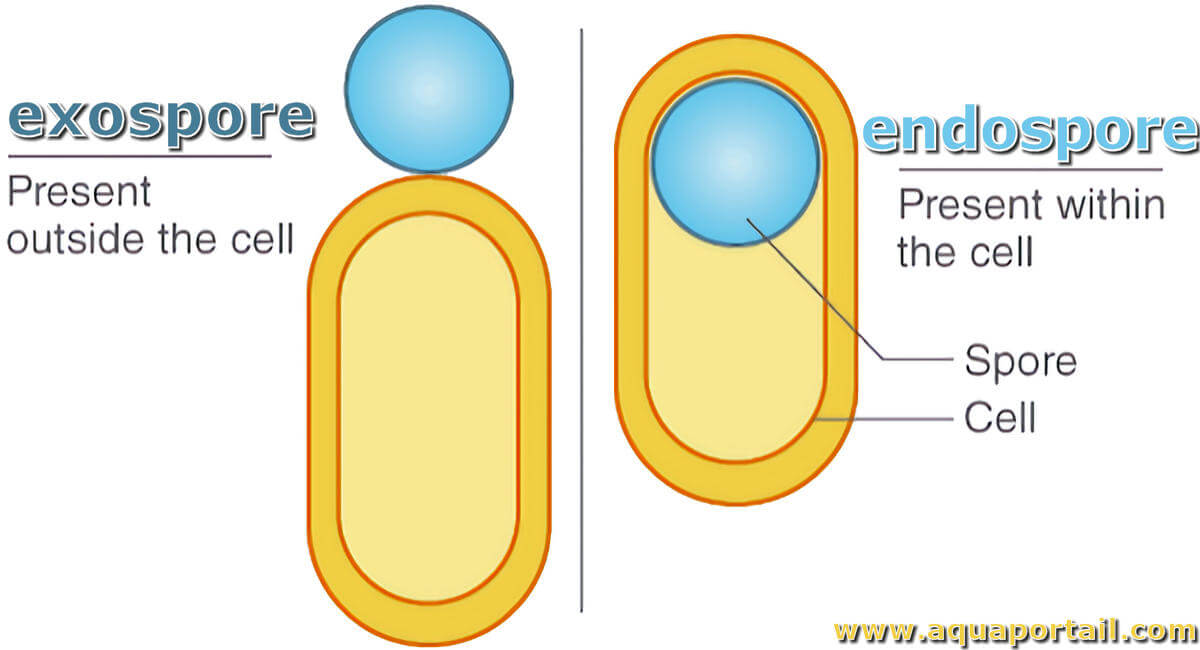
In cyanobacteria, an exospore (unlike an epispore) refers to a spore not enclosed in a cyst but dispersible as soon as it is formed, generally budded...
endoskeleton
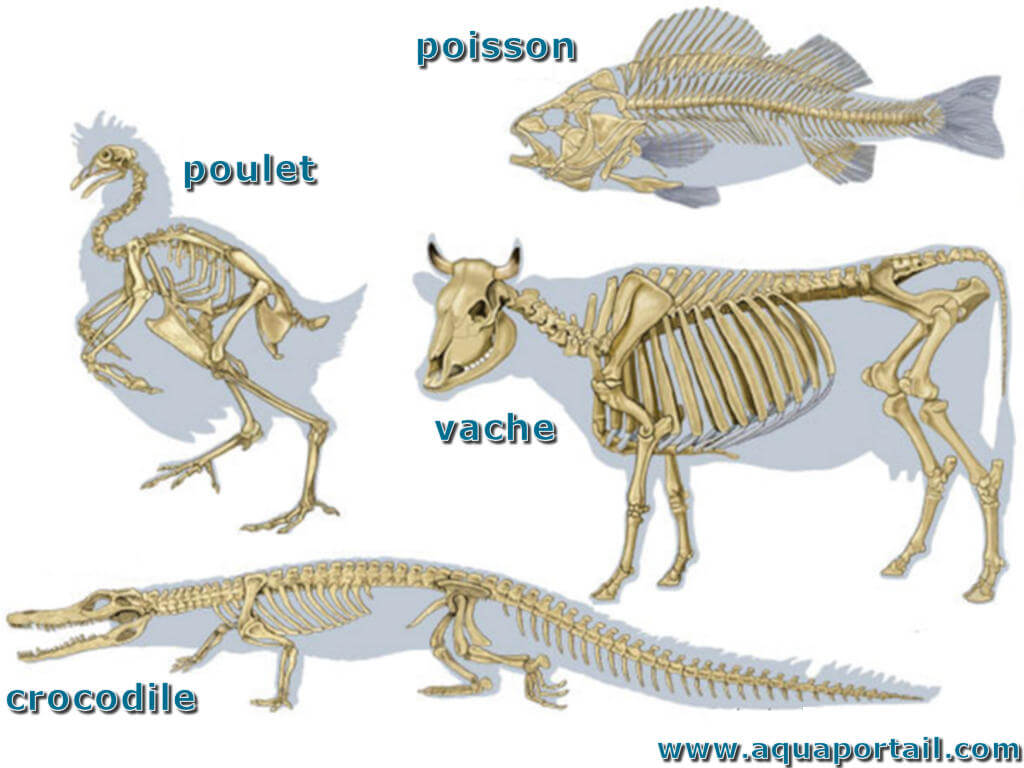
An endoskeleton is an internal skeleton and therefore contrasts with the exoskeleton (external) and the hydroskeleton.
endosymbiosis
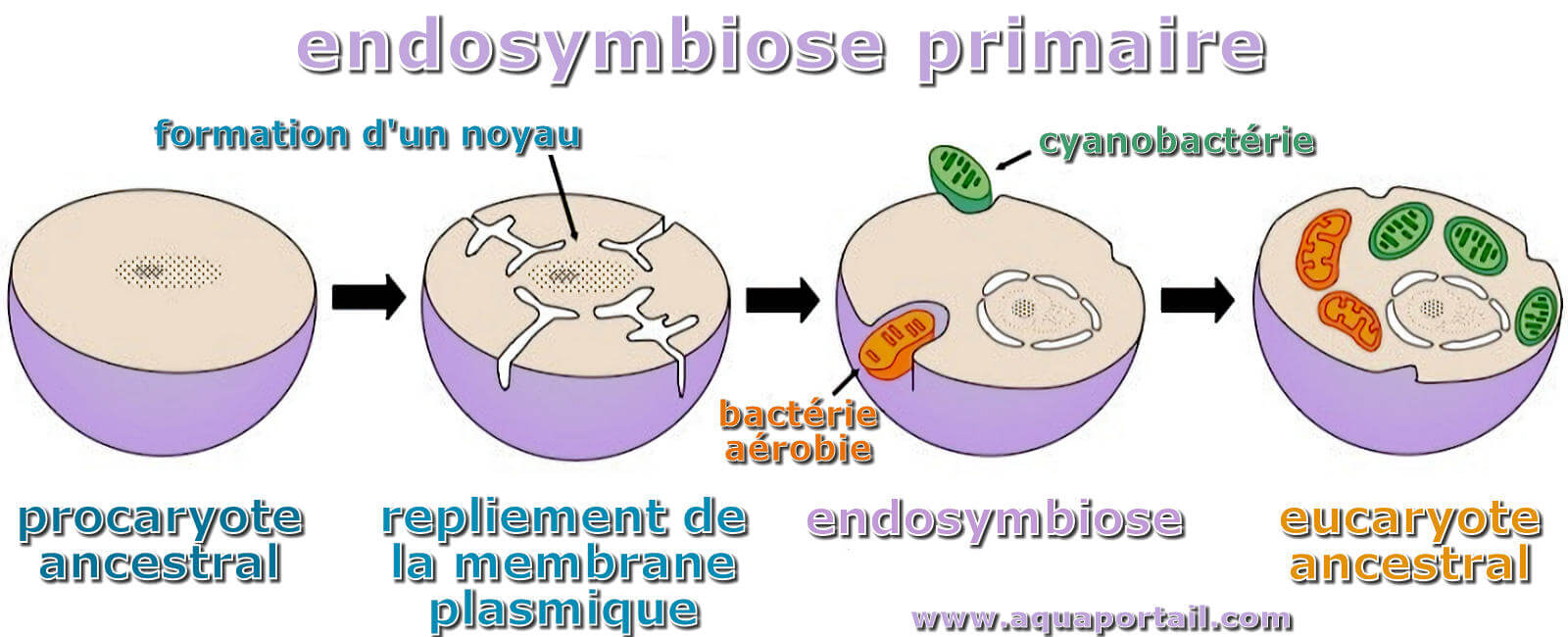
Endosymbiosis refers to an evolutionary theory proposing that the plastids and mitochondria of eukaryotic cells originated from endosymbiotic bacteria.
endosymbiotic

Endosymbiotic describes any organism living in symbiosis inside the tissues or cells of another organism that acts as its host partner.
