Cyst
noun (n.)
Definition
A cyst is a sac-like pocket of membranous tissue that contains fluid, air, or other substances. Cysts can develop almost anywhere in the body or beneath the skin. Most cysts are benign or non-cancerous, and many different types exist.
A cyst on the skin:

A cyst (appearing as a large purulent nodule) on a person's face.
Cysts in botany and zoology
A cyst is a cell enclosed by a thick protective wall to withstand unfavorable environmental conditions, such as the temporary cysts of dinophyte algae or the endogenous cysts (stomatocysts) of Chrysophyceae. In pathology, a cyst is a closed sac with a distinct membrane that develops abnormally within a body cavity or structure.
A cyst is a sac possessing its own lining that contains fluid (which may become an abscess) or other matter.
In certain protozoans and helminths, a cyst designates the protective envelope (such as a hydatid cyst).
A pseudocyst is a fluid collection lacking its own epithelial or endothelial membrane, unlike a true cyst. An archeopyle is an excystment aperture in a cyst wall. A phycoma is a resting cyst stage in certain prasinophyte green algae.
More broadly, a cyst is a dormant resting stage of an organism formed under adverse conditions or during a reproductive cycle.
Cysts in medicine
Cystic fibrosis is an example of a genetic disorder characterized by cyst-like mucus buildup and fibrosis in lung tissues (see alveoli), reducing pulmonary capacity and causing a chronic cough.
To confirm whether a mass is a cyst, a biopsy or imaging is useful. Cysts frequently require no treatment, though a physician can determine whether intervention is warranted. Cysts may develop in many parts of the body without being noticed.
Some cysts arise from an error in embryonic development during pregnancy, whereas others appear spontaneously without an obvious cause. Cysts can become problematic, often due to pressure or adverse effects on adjacent tissues, and may contain air, fluids, or semi-solid material.
A cyst can also be a protective capsule enclosing an organism during dormancy, as in certain parasites, shielding them from stomach acids until they reach the intestines, where they excyst and emerge.
Sebaceous (epidermoid) cyst
A sebaceous cyst causes a slow-growing lump to develop beneath the skin. It is generally soft enough to move slightly when touched. It results from a blocked gland near a hair shaft or irritation of a hair follicle, commonly occurring on the face, ear, scalp, trunk, or groin.
Usually painless, it may produce an unpleasant odor. Smaller cysts often resolve on their own, whereas a physician may need to drain or excise larger, swollen, or painful ones.
Pilonidal cyst (ingrown hair)
A pilonidal cyst results from hair penetrating back into the skin. The body reacts to it as a foreign threat and forms a pocket around it containing dead skin debris and fluid. Typically, irritation develops at the base of the spine in the cleft at the top of the buttocks.
If infected, it can become extremely painful and require drainage or surgical removal. Young men are affected more frequently, as are individuals who sit for prolonged periods, lead sedentary lifestyles, or have obesity.
Ganglion cyst
A ganglion cyst is a fluid-filled lump most commonly found near joints or tendons of the wrist or fingers. Tendon or joint stress may contribute to its development, though the exact cause remains unclear.
It can be painful and may fluctuate in size or disappear spontaneously. Anti-inflammatory medications or splints can relieve discomfort; in more persistent cases, a doctor may aspirate it with a needle or remove it surgically.
Palpebral cyst (eyelid)
A chalazion is a small, benign, non-infectious eyelid cyst that develops in the upper or lower lid of one or both eyes. oil secreted by the Meibomian glands along the eyelids becomes overly thick or its duct becomes blocked, causing fluid buildup, gland inflammation, and a localized lump.
The trigger is often unclear, though certain skin types are more prone to them. It is usually painless unless it grows quite large, in which case it may press on the eye and blur vision. Most resolve spontaneously, and warm compresses can help; consult a doctor if it persists.
Parasitic cyst
Eggs of the pork tapeworm, a parasite, can enter food or water contaminated with fecal matter. They hatch in the intestine and release tiny spherical oncospheres that travel via the bloodstream to the brain, muscles, liver, and other organs, where they form larval cysts. The condition caused by these parasitic cysts is called cysticercosis.
Physicians typically treat them primarily when located in the brain, where they can trigger headaches, seizures, confusion, or other neurological symptoms. Corticosteroids are commonly prescribed to reduce inflammation.
Spermatocele (scrotal cyst)
A spermatocele is an accumulation of fluid above the testicle resulting from blockage of a duct connecting the epididymis and the testis.
Specifically, a spermatocele is a cyst that forms within the epididymis, the coiled tube inside the scrotum that connects to the testicles and transports sperm, developing when fluid collects at the end of the duct.
It is non-cancerous and usually painless, though a medical evaluation is advisable to confirm the diagnosis. It often resolves on its own, and roughly one-third of all men develop a spermatocele during their lifetime.
Dermoid cyst (congenital)
A dermoid cyst forms before birth when skin layers fail to develop properly, most often on the head, neck, or face. This creates a closed pocket trapping skin tissue, hair follicles, sweat glands, blood, fat, nails, teeth, or other structures. It may go unnoticed until fluid accumulates and enlarges it, sometimes years after birth, appearing as a small, easily movable lump beneath the skin.
Surgical excision is typically recommended to remove the cyst.
Synonyms, antonyms
French translation:
kysteSpanish translation: quiste
13 synonyms (similar meaning) for "cyst":
- abscess
- boil
- embryo
- fibroma
- germ
- outgrowth
- phycoma
- seed
- spore
- stye
- swelling
- tuberosity
- tumor
0 antonyms (opposite meaning).
Related words and expressions to CYST are directly connected by general or specific meaning.
The word CYST is listed on page 1 of words starting with C in the dictionary glossary.
Related to "cyst"
aerocyst

An aerocyst is a specialized organ in the form of a gas-filled vesicle, often simply filled with air, though in algae this nitrogen-rich gas vesicle acts...
gametocyst

A gametocyst is an organ (cyst) producing gametes, a structure containing gametocytes or gametes in certain protozoans.
heterocyst

In filamentous cyanobacteria, a heterocyst is a thick-walled cell, lacking the usual pigmentation of this group and specialized in atmospheric nitrogen...
nematocyst
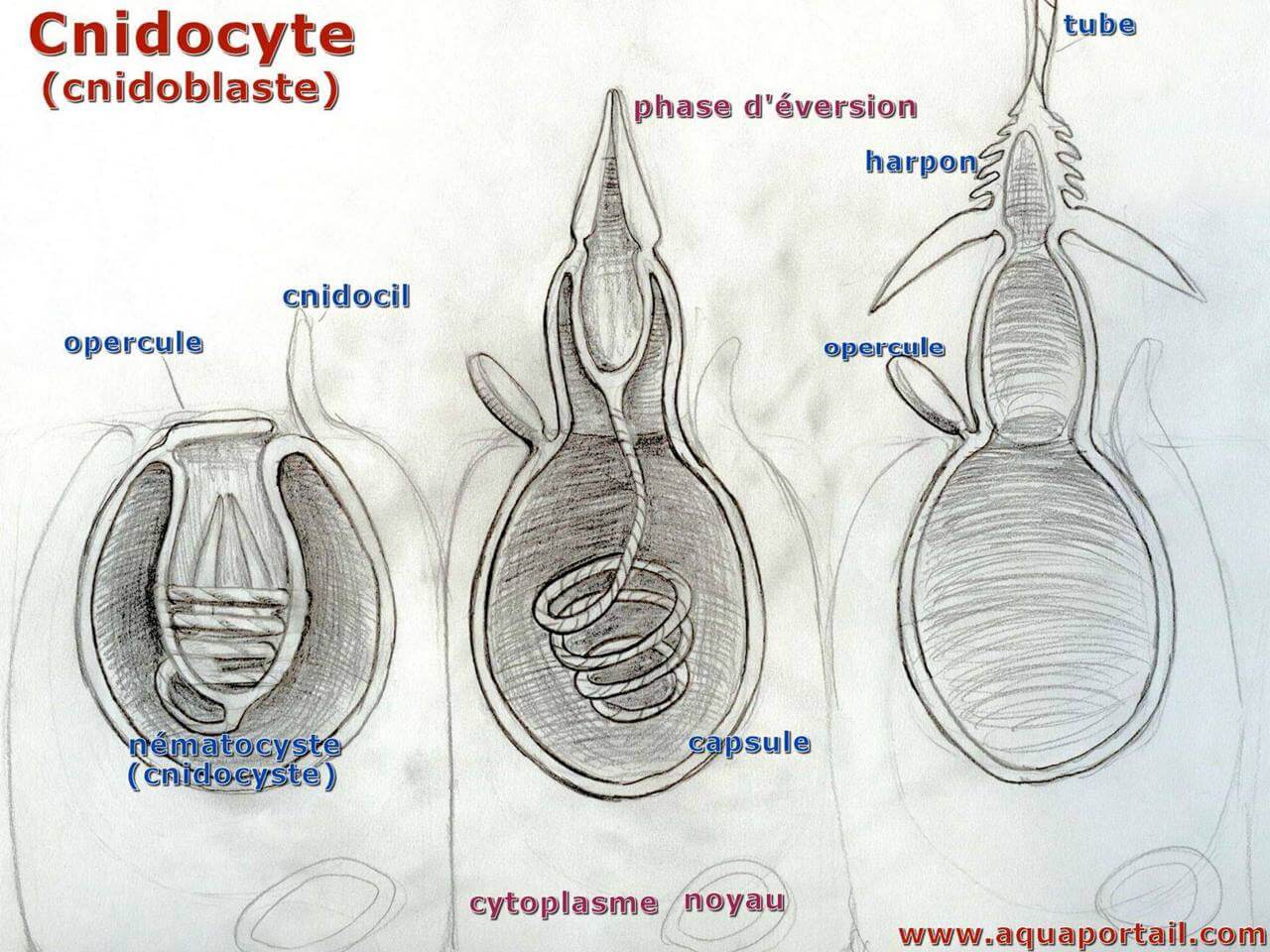
In certain cnidarians, nematocysts, or cnidocysts, are organelles enclosing a thread-like structure.
