Seed
noun (n.)
Definition
A seed is a unit dispersal structure containing an embryo and storage reserves, protected by one or more seed coats. In botany, a seed designates the plant's dispersal organ resulting from the maturation of a fertilized ovule.
Seeds are replaced by spores in fungi and algae.
Several types of seeds:

Various types and shapes of seeds. Without plant seeds and the nutrients stored within their endosperm, human civilization would not exist, because seeds—in the form of cereal grains—are the primary ingredient of bread, cereals, pasta, baked goods, cooking oils, and malted beverages. Seeds are also a major nutritional source for animals and birds that make up another large share of the human diet.
What does seed mean?
A seed is a miniature plant (or embryo) enclosed inside a protective covering (or seed coat) along with its early-stage nutrients (minerals, starches, sugars) stored in the endosperm or one or more cotyledons (the embryonic seed leaves).
For a seed to germinate, it requires water to activate its enzymes, though germination also depends on the proper combination of oxygen, light (presence or absence), and an appropriate temperature range.
Smaller seeds are generally more dependent on light to germinate, whereas larger seeds (such as beans or nuts) germinate in darkness underground.
Exceptions include ginkgo and papaya seeds, which must be ingested as fruit by a deer or other animal and excreted before the seed can sprout; coffee beans, which must first be leached of caffeine (a natural herbicide and bactericide); and certain beans and other hard-coated seeds whose seed coat must be scarified or abraded to improve germination.
Planting seeds is carried out through sowing. In legumes and certain model organisms, there is a regular spacing of plant seeds.
A seed and its germination stages:

Seeds are the reproductive structures within fruits that give rise to a new plant; their architecture enables the propagation of plants accordingly termed "seed plants", or spermatophytes. A seed is produced by the maturation of an ovule from a gymnosperm or an angiosperm, containing the embryo of a new plant capable of developing under suitable conditions.
Some seeds germinate immediately after maturation, whereas others, such as peony, require a period of cold stratification (periods of cold and darkness) lasting up to three winters before germinating.
In botany, a plant or fruit is described as polyspermous when it contains numerous seeds. Seeds are termed scobiform when they are dust-like and extremely small, notably in orchids.
Regarding the viability span of a seed, see germinative period.
Types of seeds
In Spermatophytes, the seed designates the dispersal organ resulting from the maturation of an ovule. The seed contains a diploid embryo, an endosperm (in Gymnosperms), an endosperm/albumen, and occasionally a perisperm derived from the nucellus (in Angiosperms), all protected by a seed coat called the spermoderm. Based on reserve distribution, seeds are classified as:
- exalbuminous seed: when storage reserves are located solely within the embryo
- albuminous seed: reserves stored in both the embryo and the endosperm
- perispermous seed: reserves stored in the embryo, endosperm, and perisperm
The seed of a stone fruit is enclosed within a hardened endocarp of the pericarp, as seen in the almond, the seed of the almond tree.
Diagram of a monocotyledonous seed:

The seed of monocotyledonous plants, bearing a single cotyledon, stores nutrients notably via the scutellum. Endospermic seeds include all conifers, most grasses, and other monocots such as maize and coconut.
Diagram of a dicotyledonous seed:

In dicotyledonous seeds, two cotyledons are present.
Seed longevity
The viability period during which seeds can be sown and successfully germinate varies across species. Documented cases include viable seeds preserved for a thousand years or more, and heirloom (non-hybrid) tomato seeds stored for 150 years still germinating today.
Additionally, the Svalbard Global Seed Vault (genomic seed bank) in the far north of Norway preserves a vast diversity of seeds under cold, dark conditions.
Seed dispersal
Many seeds, especially those of fruiting plants, have evolved diverse mechanisms to disperse away from the parent plant owing to their varied shapes, sizes, and flavors. Agents and mechanisms such as ants, animals, wind, water, gravity, and autochory (plants whose seed pods burst open to launch seeds to new growing sites) enable seed dispersal.
Through this multitude of dispersal strategies, seeds succeed in colonizing new biotopes.
Seeds are the sole means of propagating true botanical annual and biennial plants.
Moreover, certain plants do not tolerate transplanting well (butterfly weed, peanut squash, and opium poppy are examples); the benefits of seedling variability and the ease of growing seedlings directly in place justify propagating them from seed.
Synonyms, antonyms
Spanish translation: semilla
2 synonyms (similar meaning) for "seed":
0 antonyms (opposite meaning).
Related words and expressions to SEED are directly connected by general or specific meaning.
The word SEED is listed on page 1 of words starting with S in the dictionary glossary.
Related to "seed"
peanut
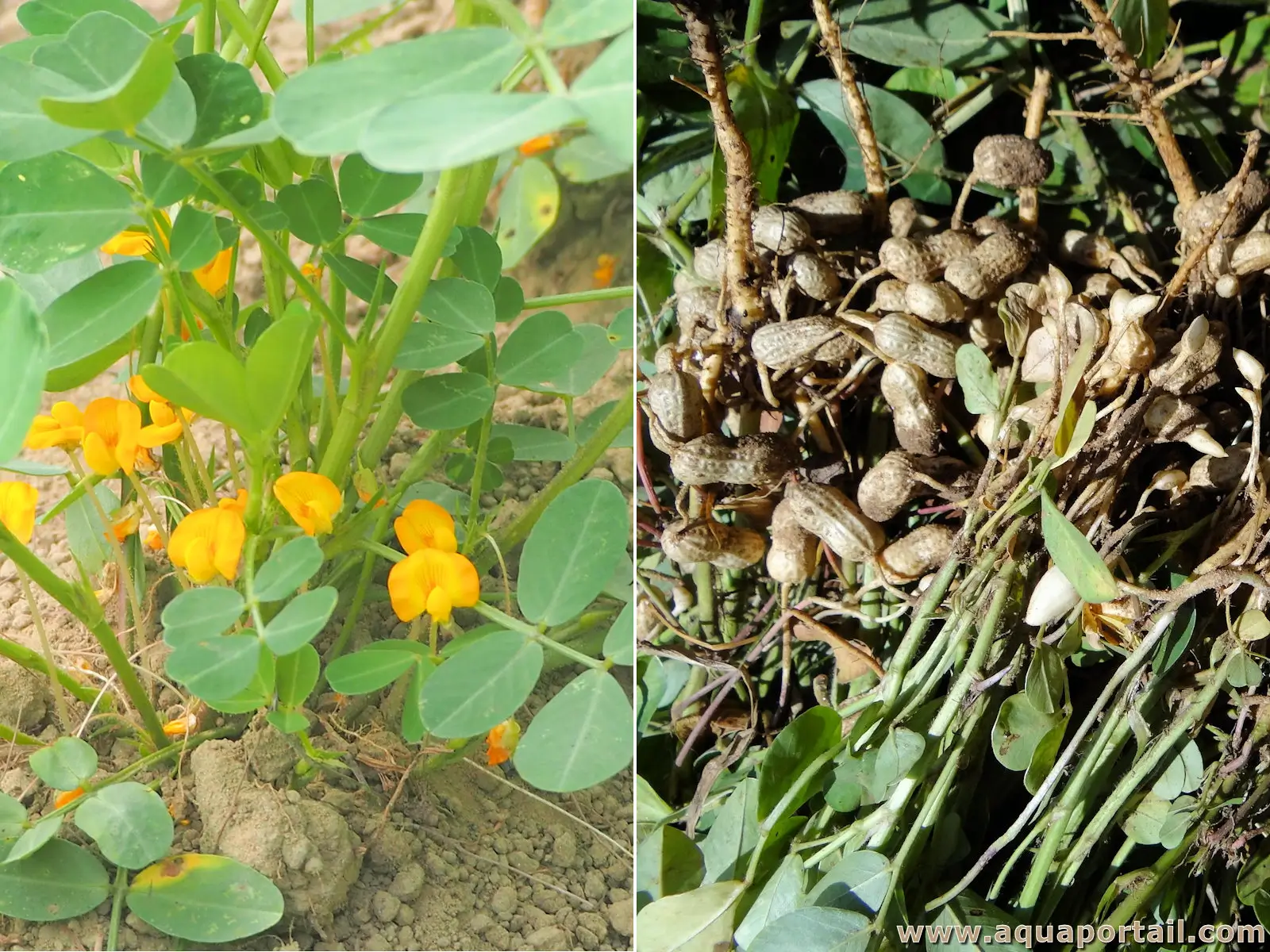
A peanut is the legume Arachis hypogaea that produces underground pods (fruits) whose seeds are called peanuts (or groundnuts).
seedling
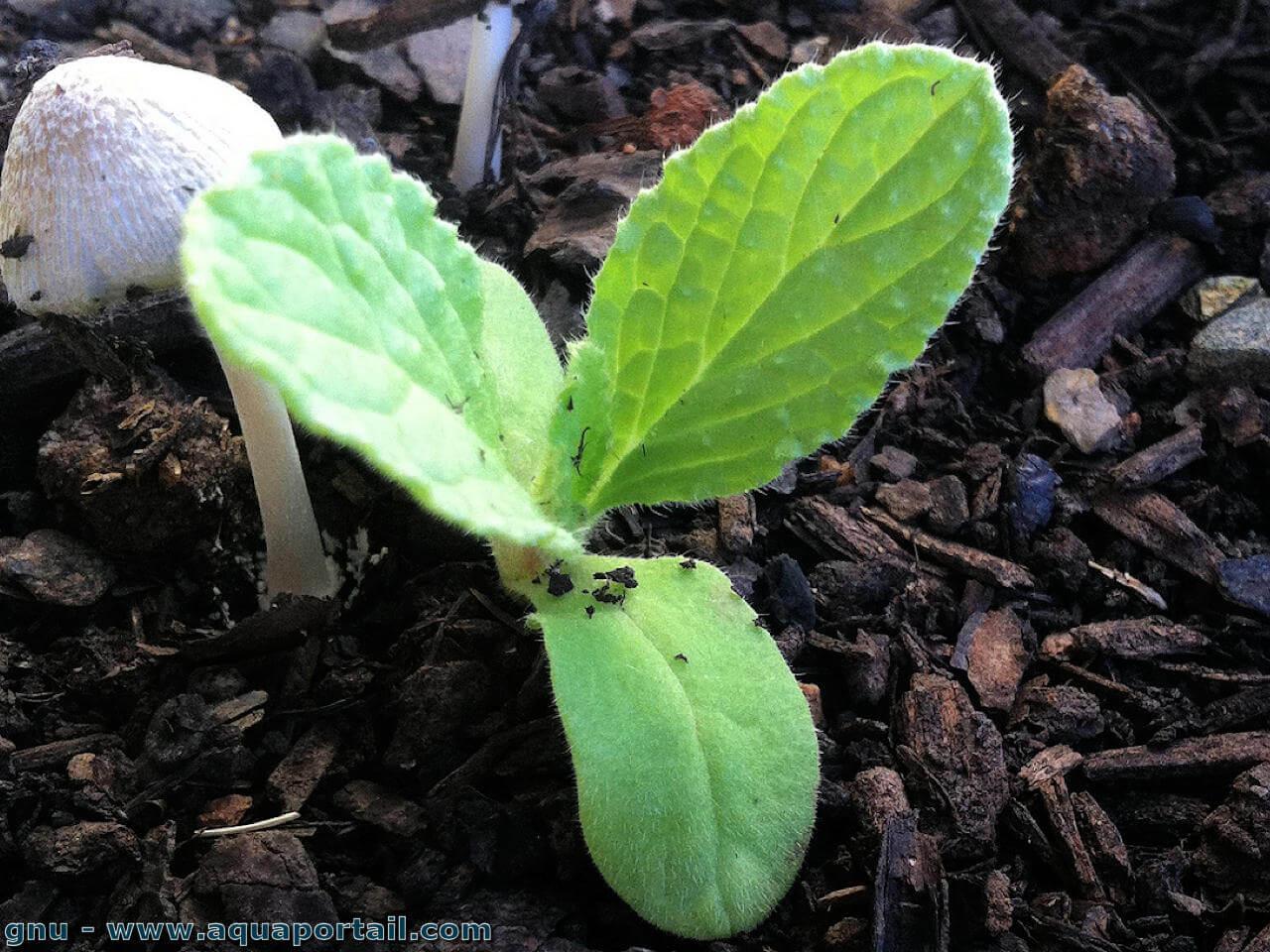
A seedling is a young plant shoot emerging from a seed through germination. A plant's developmental stage becomes a seedling with the emergence of the first...
sowing

In agriculture and horticulture, sowing (or seeding) is the act of planting seeds in order to obtain new plants.
aplanospore

An aplanospore is a non-swimming spore (as opposed to a planospore or a zoospore). Such spores lack flagella but may possess features of swimming cells such...
