Sea foam
noun (n.)
Definition
Foam (or scum) is a whitish mixture of water and air, an impure froth that arises when water in natural or artificial bodies is agitated by mechanical action in the presence of surfactants, heated, or undergoing fermentation.
Sea foam on a beach:
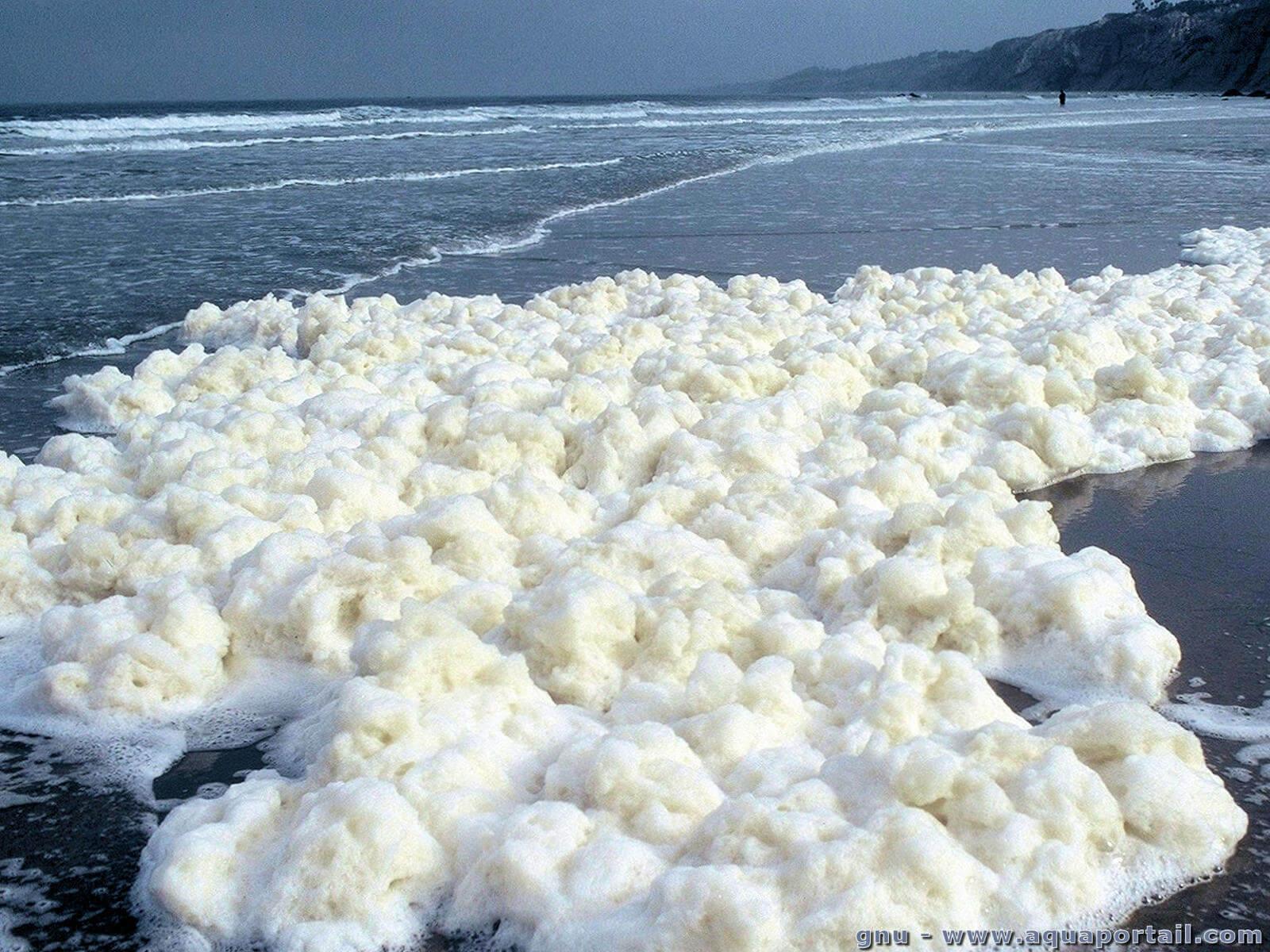
Foam normally forms on wave crests and can wash ashore in frothy masses onto beaches. However, when polluted stormwater from rivers or drains discharges onto the coast, sea foam formed on adjacent beaches may become contaminated with viruses and other pollutants and emit an unpleasant odor.
Explanations
Foam is a whitish froth on the surface of water or another liquid; it is created by the agitation of seawater, and occasionally on large freshwater bodies such as lakes, particularly when they contain high concentrations of dissolved organic matter (including proteins, lignins, and lipids) derived from sources such as dense algal concentrations (algal blooms) or elevated iodine levels.
This frothy water contains a high concentration of dissolved organic carbon comprising proteins, lignins, and lipids originating from sources such as algal blooms. These components are activated by surfactants or foaming agents. Because seawater is constantly churned by wave action in the coastal zone, the presence of these surfactants interacts with the atmosphere and generates foam.
These compounds act as surfactants or foaming agents. As seawater is agitated by breaking waves in the surf zone adjacent to the shore, the presence of these surfactants under turbulent conditions traps air and forms persistent bubbles that cling together via surface tension, producing marine foam (or sea foam). Owing to its low density and persistence, sea foam can be blown by strong winds inland past the beach.
When elevated numbers of microorganisms are present in the water, sea spray on the beach may settle as "algal foam". The process occurs when mucus produced by algae is whipped with air in the waves, much like egg whites, transforming into froth. Among algae, foam notably refers to that resulting from the accumulation and breakdown of mucilaginous colonies of Phaeocystis, yielding algal foam.
Freezing sea spray forms ice: it is one of the primary causes of vessel icing in winter along coastal stretches in polar regions. The phenomenon occurs in both seawater and freshwater.
Even in purely technical contexts, mechanically sprayed or finely atomized water is termed spray, including water spray kicked up by motor vehicle tires on a wet roadway or by a boat's propeller or bow.
Protein skimmer foam (skimmate)
Skimmate is the brownish froth resulting from the operation of an aquarium protein skimmer, particularly in marine aquariums. Removing this foam from a saltwater aquarium strips the water of undesirable fatty and organic substances.
Aerated water (whitewater)
Water heavily entrained with air bubbles (for instance in rivers and along the seashore in the surf or breaker zone) is known as aerated whitewater ("ghost water"). Because of its low specific gravity, it no longer supports swimmers and therefore poses a particular hazard.
Marine foam
Marine foam is foam of the marine environment, a colloid based on nitrogenous organic matter (albumins, proteins) present on the surface of ocean waters. This whitish froth occurs in the sea and differs in composition from freshwater foam.
Algal scum
Algal scum (algal foam) denotes the visible, undesirable layer of algae (often filamentous algae) or phytoplankton at the surface of a water body, having a whitish appearance akin to sea foam.
Algal scum can appear in both seawater and freshwater (ponds, lakes, and other water bodies).
Synonyms, antonyms
French translation:
écumeSpanish translation: espuma de mar
1 synonym (similar meaning) for "sea foam":
0 antonyms (opposite meaning).
Related words and expressions to SEA FOAM are directly connected by general or specific meaning.
The expression SEA FOAM is listed on page 1 of words starting with S in the dictionary glossary.
Related to "sea foam"
saccharide
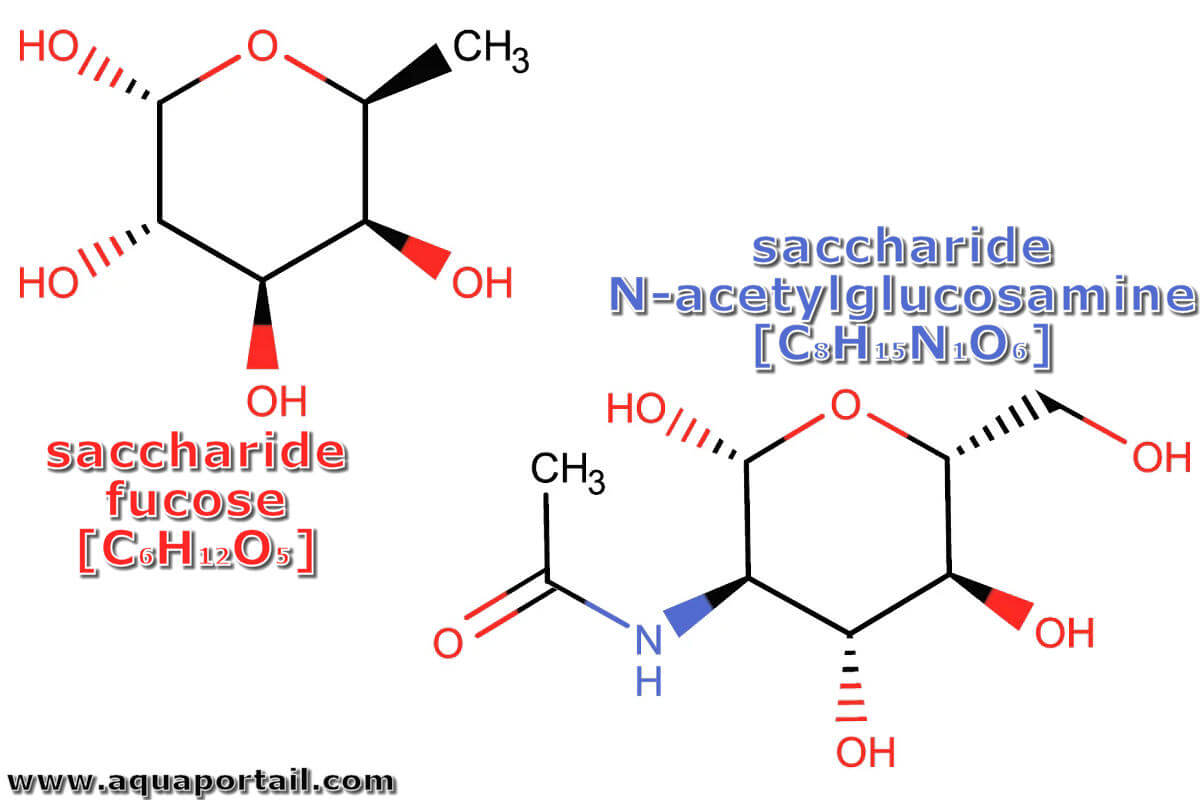
A saccharide is a carbohydrate, a biomolecule composed of carbon, hydrogen, and oxygen atoms, usually with a hydrogen-to-oxygen atomic ratio of 2 :1.
sagittocyst

A sagittocyst is a capsule containing a spindle-shaped needle produced by epidermal cells of certain flatworms (acoels).
saltwater treatment
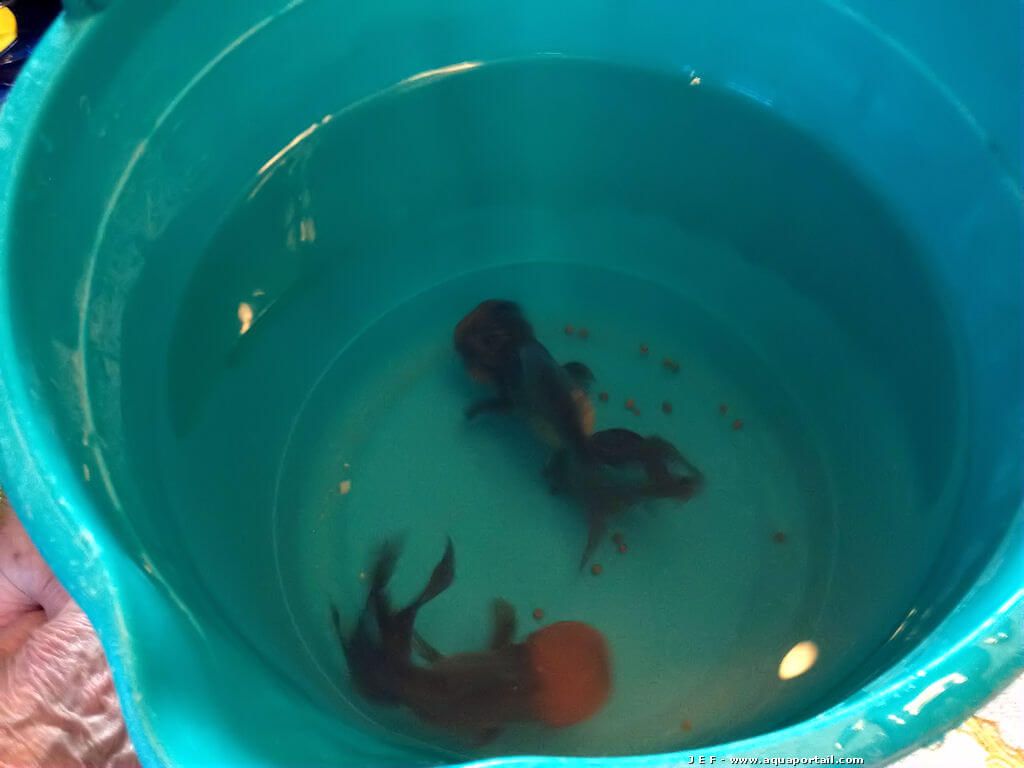
The saltwater bath method, or aquarium salt treatment, helps halt potential external infections via osmotic shock.
scale

A scale is a small, thin, horny or bony plate protecting the skin of fish and reptiles. Sets of scales generally overlap, partially covering one another...
