Albumen
noun (n.)
Definition
In botany, the albumen (endosperm) is a storage tissue of the angiosperm seed surrounding the embryo, generally triploid and arising from the fusion of a male gamete nucleus with the polar nuclei of the angiosperm embryo sac.
In animal biology, albumen is the egg white of sauropsids, contributing to the protection and nutrition of the zygote and later the embryo. It consists of water and proteins, the main one being called albumin.
The albumen of an egg:

Albumen provides the liquid medium in which the embryo develops and also contains a large amount of proteins necessary for proper development. In a fresh egg, white cords attached to the yolk sac can be seen.
In botany
Albumen (endosperm) is a storage tissue of angiosperm seeds, resulting from the fertilization of the polar nuclei of the embryo sac by one of the two antherozoids delivered by the pollen grain.
Seed with albumen, micropyle, and hilum:
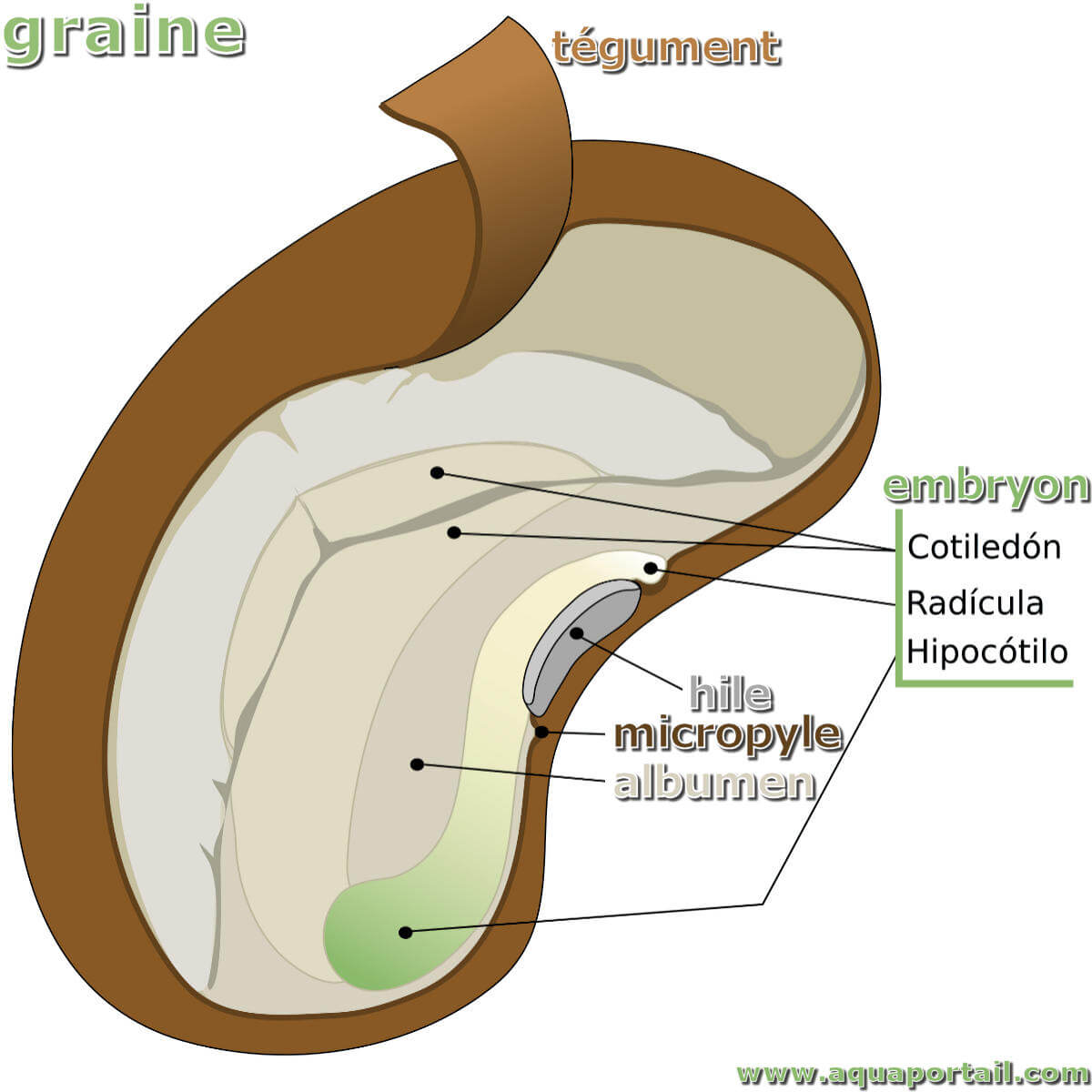
The bean seed, an exalbuminous dicotyledon, displays a micropyle and hilum visible on the seed coat surrounding the embryo (the albumen reserves having been absorbed by the cotyledons).
Albumen is therefore the triploid counterpart of the true embryo giving rise to the seedling, which is diploid. Reserves may be carbohydrate, lipid, or protein in nature. It persists in albuminous seeds, whereas it is rapidly digested in exalbuminous seeds.
In animal biology
Thin transparent protein membranes surround the albumen to protect the egg from bacterial infiltration and excessive moisture loss, acting as the second line of defense after the shell. You can sometimes see them when looking inside a freshly cracked eggshell. When eggs are boiled, these membranes become opaque and fairly tough, as they are partly made of keratin, the same protein component found in human hair.
Egg white, or albumen, is an important source of protein and vitamin B2. It is composed primarily of proteins, with only trace amounts of fat and no cholesterol. The firmer and thicker the albumen, the fresher the egg.
The chalaza is a thick, white, rope-like cord attached to both ends of the yolk and to the egg white. It is most prominent in very fresh eggs, gradually fading as eggs age. The job of the chalaza is to keep the yolk centered. Once eggs are cooked, the chalaza blends into the albumen and yolk, becoming undetectable.
Difference between albumin and albumen in biology
While albumin (ovalbumin) refers to the predominant protein in egg white, albumen is a name for the egg white itself and could be described as a solution of proteins and water (egg whites are composed of 88% water). However, the two terms are often used interchangeably.
Synonyms, antonyms
Spanish translation: albumen
0 synonyms (similar meaning) for "albumen".
0 antonyms (opposite meaning).
Related words and expressions to ALBUMEN are directly connected by general or specific meaning.
The word ALBUMEN is listed on page 1 of words starting with A in the dictionary glossary.
Related to "albumen"
abiotic

In biology and ecology, abiotic refers to what is not biotic, that is, not part of living beings.
aboral

Aboral refers to what is situated away from or opposite the mouth in zoology, and especially in marine biology.
absence

Absence refers to non-presence at an expected location, or the complete non-existence of something.
acetyltransferase
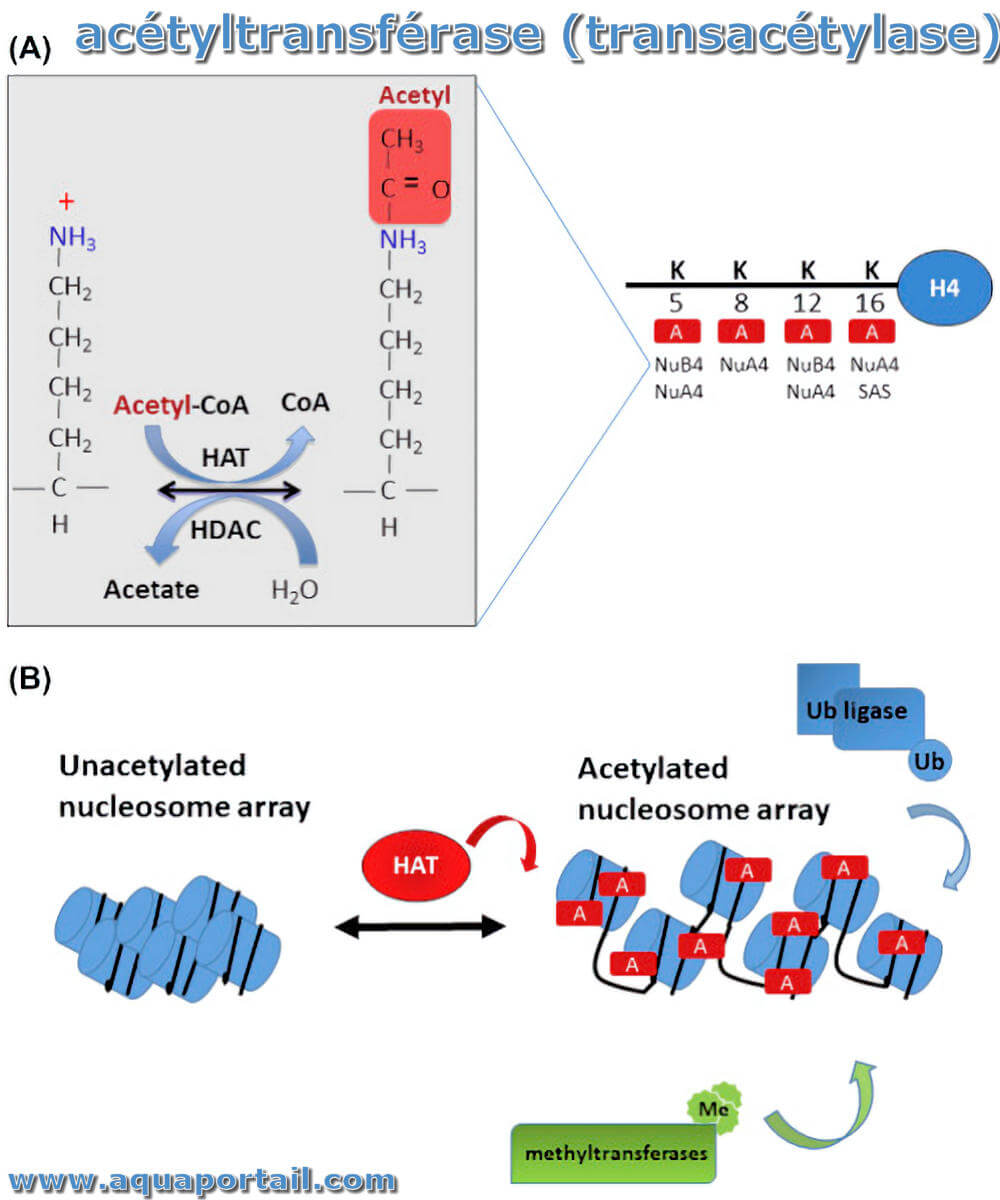
An acetyltransferase is an enzyme that transfers an acetyl group from acetyl-CoA to lysine amino acids.
