Diversity
noun (n.)
Definition
Diversity characterizes the multitude of what is diverse, diversified, heterogeneous, different, varied, and diverging. Diversity, in the biological sense, or biodiversity, is the number of different species and their relative abundance, as well as the number of habitats present in a given region.A diversity of morphs for a butterfly:

Within the same genus, genetic diversity can counter mimicry and phenotypism. Mimicry in butterflies is seen here showing four forms of Heliconius numata, two forms of Heliconius melpomene, and the two corresponding mimicking forms of Heliconius erato. This highlights the diversity of patterns as well as mimicry rings, which are largely controlled by a shared genetic locus.
Explanations
Diversity is the state of being diverse, with multiple varieties and a range of different things.
In biology
Biological diversity is biogeographical variety, the multiplicity of an environment or an ecological or sociological system in which differences between individuals and species frequently manifest. The scale of diversity represents the direction, duration, and instances of differences in population and ecosystem diversity. Diversity is a social fact that differentiates individuals and groups of people from one another.
It is a measure of the complexity of an ecosystem; it often indicates its relative age, measured in terms of the number of different plant and animal species (often referred to as species richness) it contains, their distribution, and the degree of genetic variability present within each species.
In genetics
Genetic diversity is the total number of genetic characteristics of a species. It is the basic building block of biodiversity. It represents the ability to find individuals who cope with congenital diseases, malformations, susceptibility to pathogens, and other hereditary problems. The greater the genetic diversity, the greater the chances species have of surviving environmental changes.
⭐ Genetic diversity is defined as the information contained in the genes of the different individuals of a species. It does not take phenotypic diversity into account, but rather migration (genetic migration) or flow (gene flow).
Genetic diversity has been widely studied on land, particularly in tropical forests. Less so at sea, focusing mainly on mammals and birds, with scarce documentation on the genetic diversity of fish. However, loss of diversity and subsequent inbreeding can be a cause of extinction across all taxonomic groups.
See also allelic diversity.
In sociology
Sociological diversity concerns multiculturalism. Multiculturalism is a polysemous concept subject to different spaces and sometimes contradictory interpretations. In its purely descriptive sense, it denotes the coexistence of different cultures within the same territorial political entity, but it can also have a prescriptive or normative meaning and refer to different policies.
On the other hand, multiculturalism is also a theory that seeks to understand the cultural foundations of each of the nations characterized by their great cultural diversity. In today's more widespread usage, multiculturalism is generally understood as the recognition of the coexistence of different cultural groups within a single nation-state.
In culture
Many states around the world consider cultural diversity to be part of the common heritage of humanity. The concept of interculturality aims to describe the interaction between two or more cultures in a horizontal and synergistic manner. This assumes that none of the groups stands above another.
The UNESCO Universal Declaration on Cultural Diversity, adopted by UNESCO in November 2001, refers to cultural diversity in a wide variety of contexts and to the draft Convention on Cultural Diversity developed by the International Network on Cultural Policy, defined with entities such as ENCATC and various representatives from different continents, providing for cooperation between parties on a number of these issues.
The diversity of cultures reflects the multiplicity and interaction of cultures coexisting in the world and which, consequently, form part of the common heritage of humanity. According to UNESCO, cultural diversity is as necessary for "humankind" as biological diversity is for living organisms.
Cultural diversity manifests itself through the diversity of languages, religious beliefs, land management practices, art, music, social structure, crop selection, diet, and in every imaginable number of other attributes of human society.
The defense of cultural diversity is based on the healthy balance that must be achieved with the help of the different cultural groups existing in the world, without affecting third parties or excluding any culture. Cultural exception highlights the specificity of cultural products and services, including special recognition by the European Union in its Declaration on Cultural Diversity.
In education
Diversity training can be defined as any program designed to facilitate positive intergroup interaction, reduce prejudice and discrimination, and generally teach people who are different from others how to work together effectively. "From a general business perspective, diversity training is defined as individual awareness of individual differences in the workplace and how those differences inhibit or enhance the way people work together and foster compliance (Affirmative Action (AA), Equal Employment Opportunity (EEO), and sexual harassment prevention)." Diversity training is deemed more necessary due to growing ethnic and racial diversity in the workplace. While large companies believe that diversity training and active diversity hiring will help them remain competitive in a global economy, other large organizations (universities and colleges) have been slow to adopt diversity training. Diversity training often aims to achieve goals such as attracting and retaining productive customers and workers; maintaining high employee morale; and/or fostering understanding and harmony among workers.
Despite assumed and intended benefits, systematic studies have not shown advantages for diversity training and instead show that they backfire and lead to reductions in diversity and discrimination complaints being taken less seriously.
Synonyms, antonyms
Spanish translation: diversidad
6 synonyms (similar meaning) for "diversity":
- biodiversity
- difference
- disparity
- divergence
- heterogeneity
- variety
5 antonyms (opposite meaning):
- concordance
- equality
- homogeneity
- resemblance
- uniformity
Related words and expressions to DIVERSITY are directly connected by general or specific meaning.
The word DIVERSITY is listed on page 1 of words starting with D in the dictionary glossary.
Related to "diversity"
dale

A dale is a small valley or glen that does not (or no longer) contains a watercourse. The concave hollowed space of a dale is not large enough to build...
daphnia
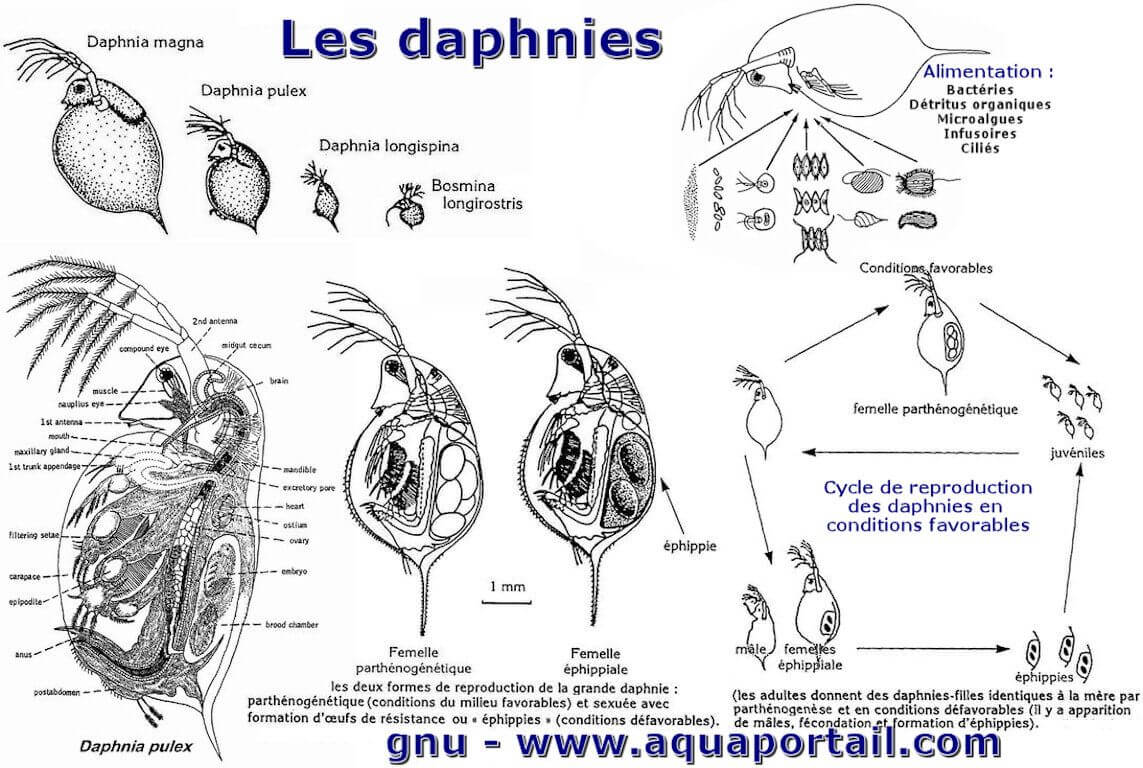
Daphnia is a planktonic branchiopod crustacean of the family Daphniidae, forming a dominant portion of freshwater plankton.
dawn

Dawn marks the transition between night and day, when the sky brightens and morning breaks in the East.
dehydrogenase
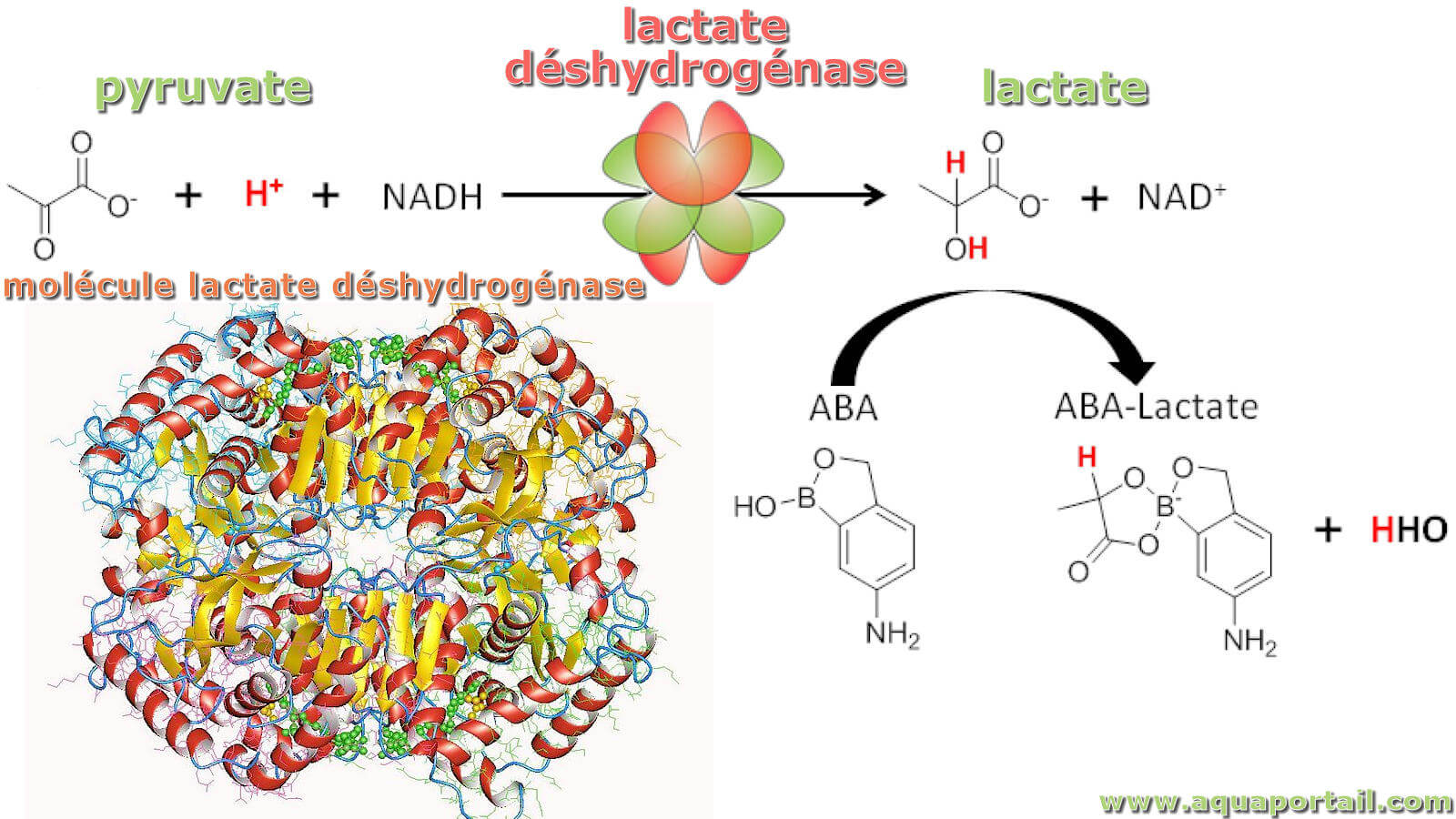
A dehydrogenase is a dehydrogenating enzyme of the oxidoreductase class that catalyzes the removal of hydrogen.
