Serum
noun (n.)
Definition
Serum is the clear, aqueous fluid portion of a biological fluid, such as animal blood or plant sap. In blood, serum is the clear liquid fraction remaining after blood cells and clotting proteins have been removed.Physiological saline solution:

A colorless, odorless, slightly salty liquid, physiological saline consists of sterile distilled water and 0.9% sodium chloride. The presence of salt gives it the name saline solution; it is isotonic because its osmotic balance matches that of blood plasma, allowing body cells to tolerate it seamlessly.
Animal blood serum
Serum is the liquid fraction of blood that remains after coagulation. Collected from clotted blood, it consists of blood plasma lacking fibrinogen, factor VIII, factor V, and prothrombin—that is, blood plasma minus the fibrinogen converted into fibrin to form the clot. Serum retains abundant proteins (such as albumin, globulins, and antibodies), but lacks clotting factors.
Serum is the clear, pale-yellow liquid that separates from blood plasma after clotting factors (such as fibrinogen and prothrombin) have been consumed during clot formation.
More broadly, serous fluid is a normal or pathological fluid (such as inside a blister). Similarly, whey (lactoserum) is the liquid fraction that separates from curds when milk coagulates.
To obtain serum from a blood draw, the sample is allowed to clot without anticoagulants, and subsequent centrifugation separates the clear liquid supernatant from the cellular clot.
From bovine serum—and particularly fetal bovine serum (FBS)—researchers isolate bovine serum albumin (BSA), a vital biochemical reagent.
See also serum albumin and serum globulin. An isotonic aqueous sodium chloride solution constitutes physiological saline.
To perform biochemical assays on serum, phase separation must be clean so the serum is not turbid.
Serum sample quality (serum indices) is evaluated by laboratory technicians or automated analyzers across at least three parameters that can interfere with test accuracy:
- Hemolysis (red blood cell breakdown): imparts a reddish tint to the serum;
- Icterus (jaundice, elevated bilirubin): imparts a deep yellow color;
- Lipemia (elevated lipids): gives the serum a cloudy or milky-white appearance.
Serum color may also be affected by medications, vitamins, or pigments present in the donor's bloodstream.
Serum assays performed on clinical analyzers measure numerous analytes via chemical reactions that alter light absorbance, known as photometric (spectrophotometric) assays.
Plant serum
Plant serum is the aqueous phase of certain plant saps or latexes. For instance, natural rubber latex from the Pará rubber tree (Hevea brasiliensis) is a colloidal suspension of rubber particles in an aqueous serum, industrially concentrated and stabilized to a dry rubber content of 60% to 70%.
Artificial serum
An artificial serum is an isotonic aqueous saline solution (physiological saline) containing electrolytes or solutes (sodium chloride, sometimes glucose or lactate) at concentrations matching bodily fluids.
Cosmetic serum
In cosmetics, a serum is a lightweight, concentrated fluid skincare formulation designed primarily for facial application, typically water-based and free of heavy occlusive or thickening agents, such as a hydrating or anti-aging facial serum.
Therapeutic serum
Whereas vaccines stimulate the body to mount its own active immune response against a specific pathogen, serum therapy (serotherapy) harvests antibodies (immunoglobulins) from the blood of immunized or recovered donors and transfers them to patients to confer immediate passive immunity.
This approach—often termed convalescent serum or plasma therapy—helps protect vulnerable individuals and treat infections or envenomations (antivenoms) before specific drugs or vaccines are available.
These antibodies or antitoxins remain dissolved in the serum after blood cells and clotting proteins are removed; when injected into an infected or envenomed patient, the therapeutic serum directly neutralizes the pathogen or toxin.
Synonyms, antonyms
French translation:
sérumSpanish translation: suero
3 synonyms (similar meaning) for "serum":
- blood serum
- physiological saline
- saline solution
0 antonyms (opposite meaning).
Related words and expressions to SERUM are directly connected by general or specific meaning.
The word SERUM is listed on page 1 of words starting with S in the dictionary glossary.
Related to "serum"
saccharide

A saccharide is a carbohydrate, a biomolecule composed of carbon, hydrogen, and oxygen atoms, usually with a hydrogen-to-oxygen atomic ratio of 2 :1.
sagittocyst

A sagittocyst is a capsule containing a spindle-shaped needle produced by epidermal cells of certain flatworms (acoels).
saltwater treatment
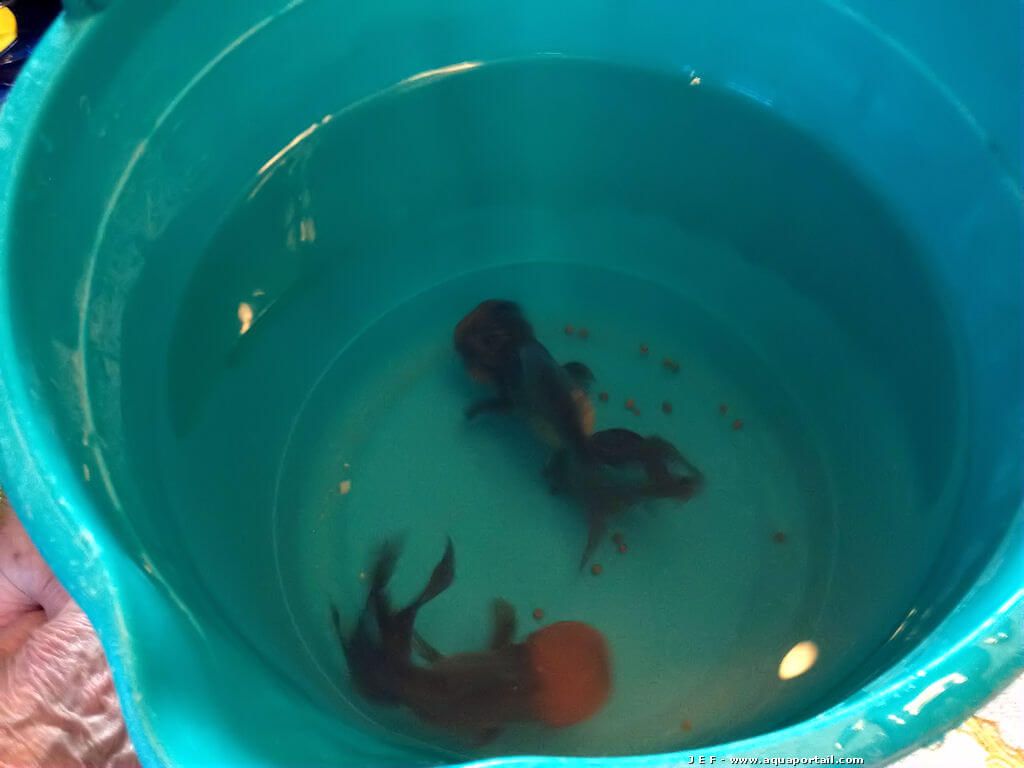
The saltwater bath method, or aquarium salt treatment, helps halt potential external infections via osmotic shock.
scale

A scale is a small, thin, horny or bony plate protecting the skin of fish and reptiles. Sets of scales generally overlap, partially covering one another...
