Epitheca
noun (n.)
Definition
In biology, an epitheca is the outer part of a theca. The epitheca refers to the external covering of the theca, an outer calcareous layer investing the lower part of the theca in many corals. Its opposite is an endotheca. For example, in certain corals, the calice lacks a columella and the endotheca is entirely compact with a finely granulated surface.
The epitheca of a diatom frustule:

The frustule of a diatom is composed of an epitheca and an endotheca (or hypotheca).
Epitheca and endotheca (hypotheca) of diatoms
In botany, the epitheca corresponds to the upper part of a diatom frustule, consisting of a valve and the cingulum. The epitheca (outer sheath) overlaps the hypotheca. Conversely, the endotheca is the inner membrane of the chambers.
A theca denotes a hard, mineralized casing of variable composition, present in many organisms.
In dinophytes, see epicone.
In biological terms, diatoms form a class of unicellular algae. They are characterized by "living in a transparent house" made of hydrated silica (SiO2 + n H2O), which is coated with organic material. This exoskeleton (frustule) consists of two halves, the epitheca and the hypotheca (endotheca). The structure resembles a Petri dish, with the epitheca overlapping the hypotheca. Each theca comprises a more or less arched valve and the cingulum, a number of associated siliceous bands known as girdle bands.
Synonyms, antonyms
Spanish translation: epiteca
3 synonyms (similar meaning) for "epitheca":
2 antonyms (opposite meaning):
Related words and expressions to EPITHECA are directly connected by general or specific meaning.
The word EPITHECA is listed on page 1 of words starting with E in the dictionary glossary.
Related to "epitheca"
theca

In botany, a theca is either of the two halves into which an anther is typically divided. Normally, each theca contains two pollen sacs. More generally...
frustule
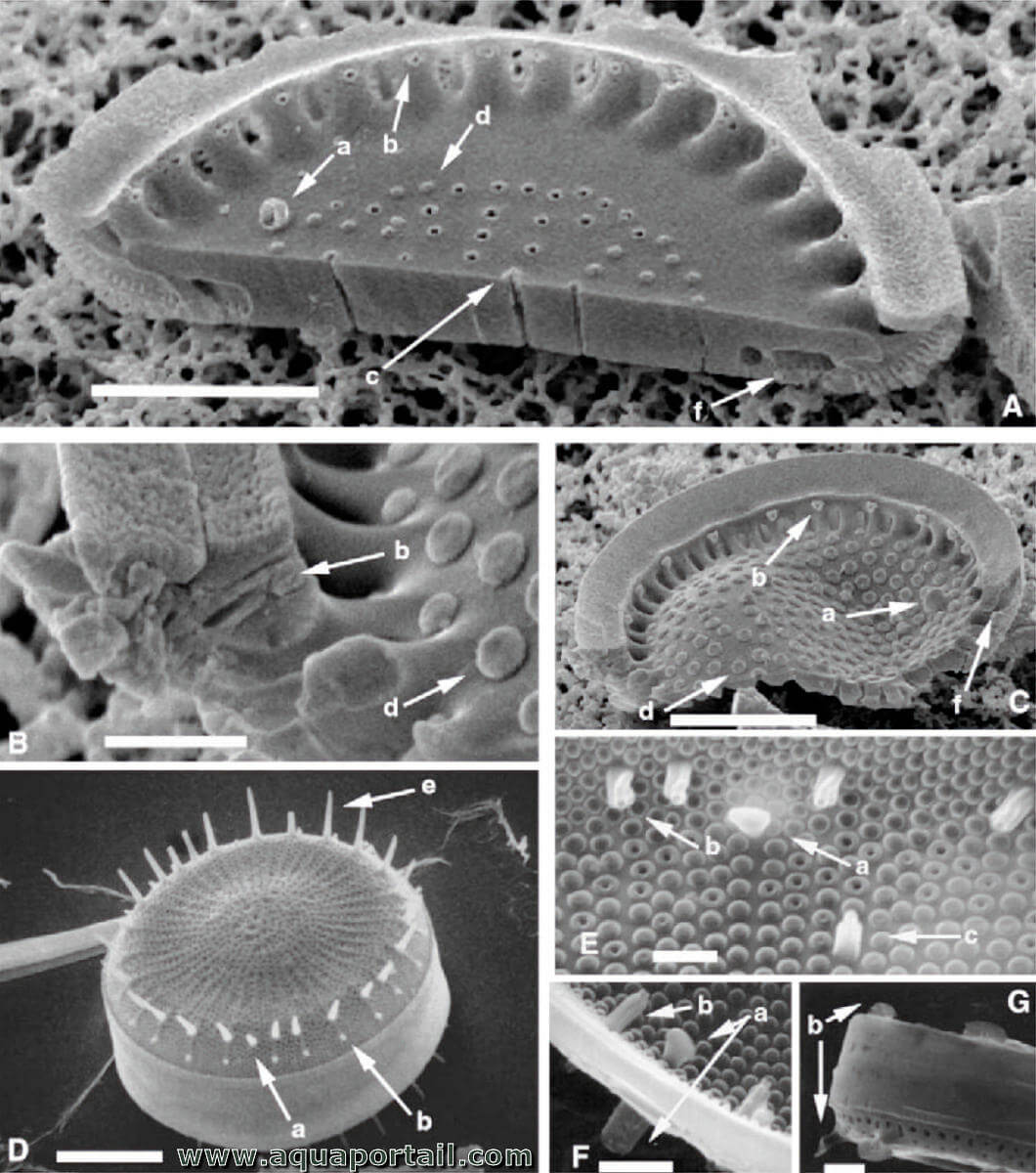
A frustule is a bivalve siliceous structure enclosing a diatom cell, forming the silicified portion of a diatom cell wall.
E=mc2
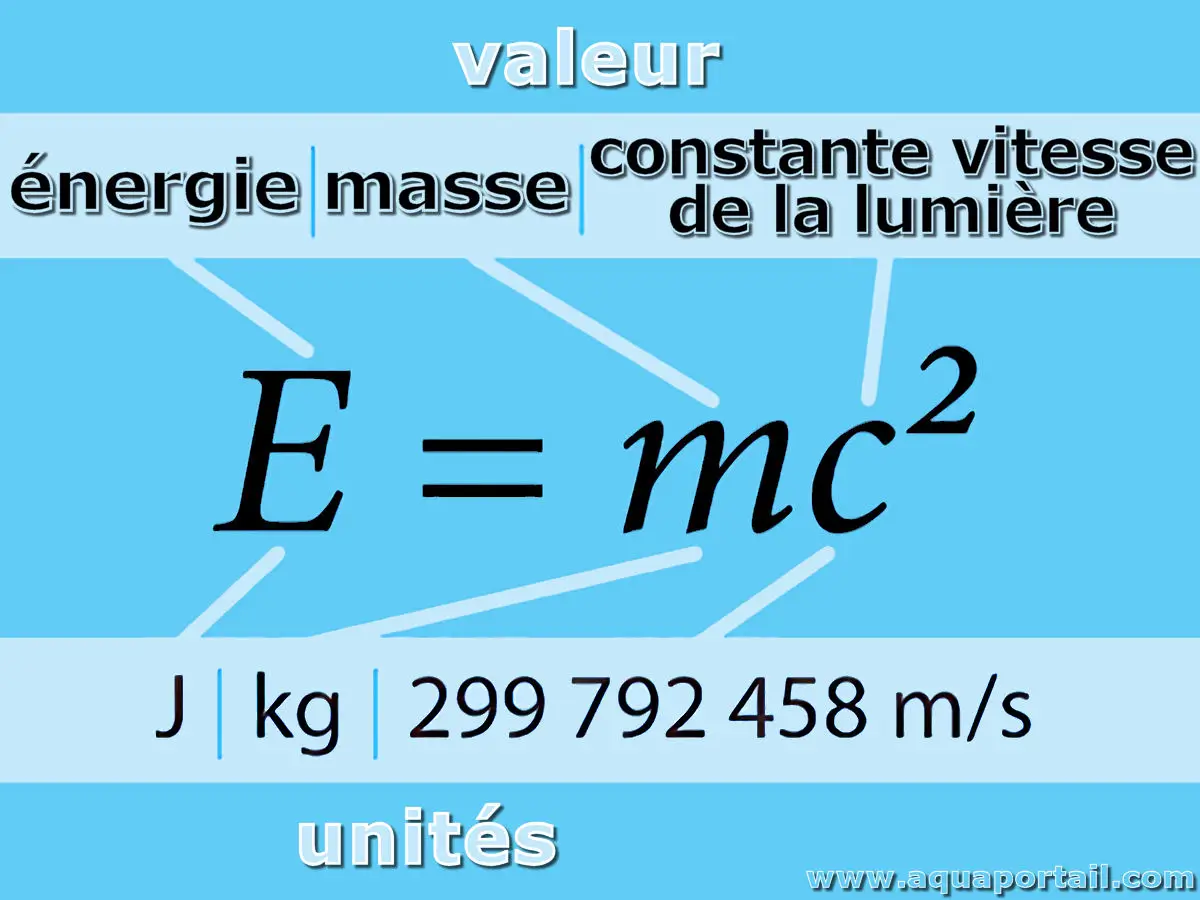
The formula E=mc2 (E = m. c²) is a mass-energy equivalence equation according to the theory of relativity developed by Albert Einstein. It expresses that...
ebb tide
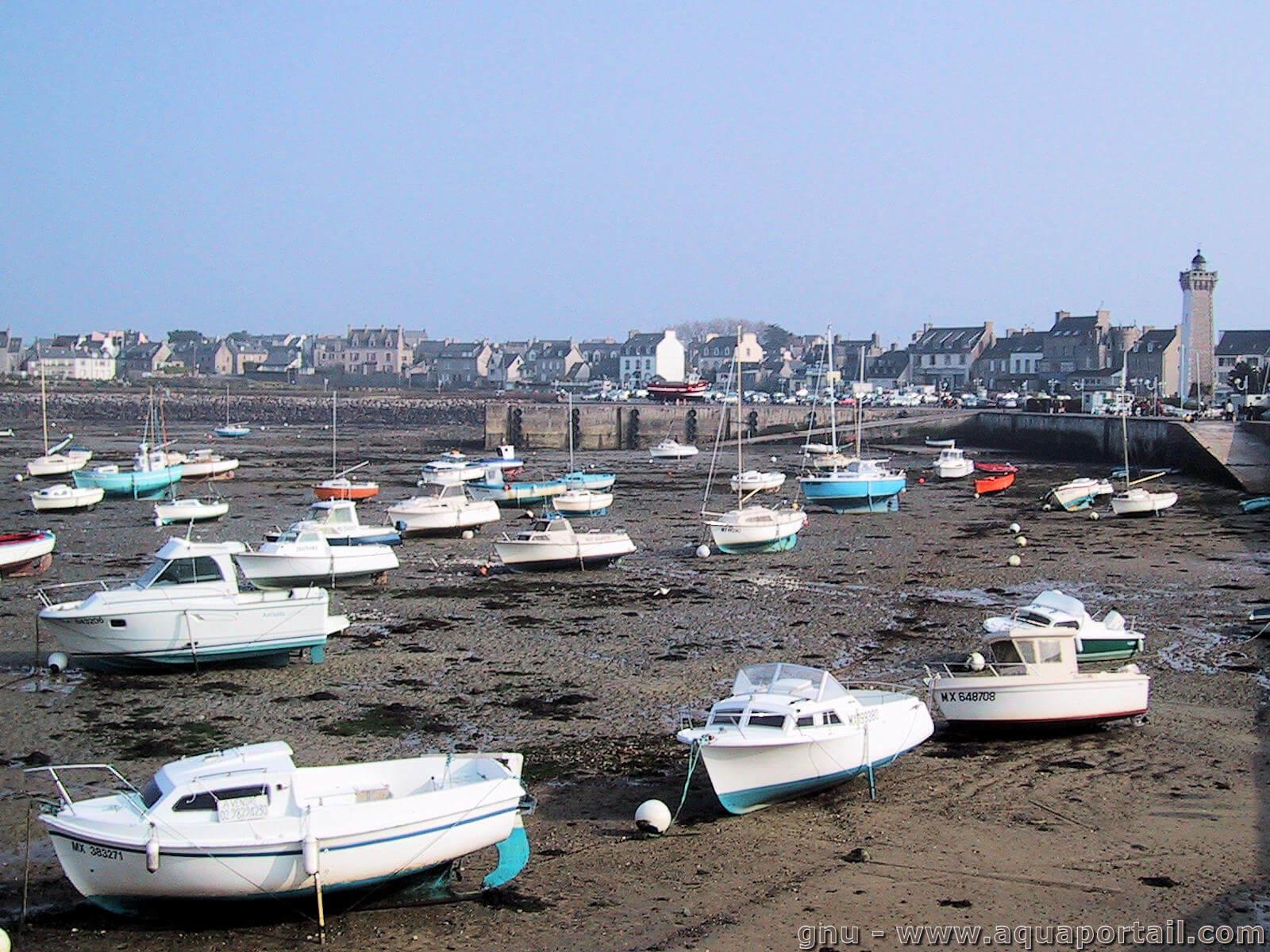
Ebb tide designates the outgoing, falling tide of the sea that begins at high water, also known as reflux.
