Theca
noun (n.)
Definition
In botany, a theca is either of the two halves into which an anther is typically divided. Normally, each theca contains two pollen sacs. More generally, it is an outer covering of certain unicellular organisms (for example, certain cercozoans or green algae).
The thecae of an anther:

The thecae accompany the filament of a flower anther.
Explanations
In corals, the theca is the outer wall of the skeleton of a scleractinian polyp.
In dinoflagellate algae, see armor, lorica.
In diatoms, see frustule.
Hydrotheca
A hydrotheca is a cup-like sheath into which a polyp can retract. Previously, the polyps and medusae of this taxonomic group were called thecates and leptomedusae, respectively; when referring separately to either stage, these terms may still be used. See also anthomedusa.
Derived terms
Thecate describes any organism possessing one (or more) thecae or an outer sheath tightly enclosing an organ, such as the neck of a calyx, as opposed to athecate. Depending on the position or shape of the thecae, the organism is termed endothecate (endotheca), epithecate (epitheca)...
Athecate describes what lacks a theca; opposite of thecate. Regarding dinoflagellates, see also pelliculate.
A thecate refers to a hydropolyp belonging to the subclass Leptothecata, characterized by the presence of a hydrotheca.
An athecate or athecate bud is an athecate polyp of hydroids, characterized in particular by the absence of a hydrotheca (the skeletal cup). This hydropolyp generally belongs to the order Anthoathecata; formerly, the polyps and medusae of this order were grouped separately into the orders Athecata and Anthomedusae.
See also epitheca and endotheca.
Synonyms, antonyms
Spanish translation: teca
1 synonym (similar meaning) for "theca":
0 antonyms (opposite meaning).
Related words and expressions to THECA are directly connected by general or specific meaning.
The word THECA is listed on page 1 of words starting with T in the dictionary glossary.
Related to "theca"
tagma

A tagma is a group of fused segments formed by series of metameres differentiated from the rest of an arthropod's body.
tapeworm
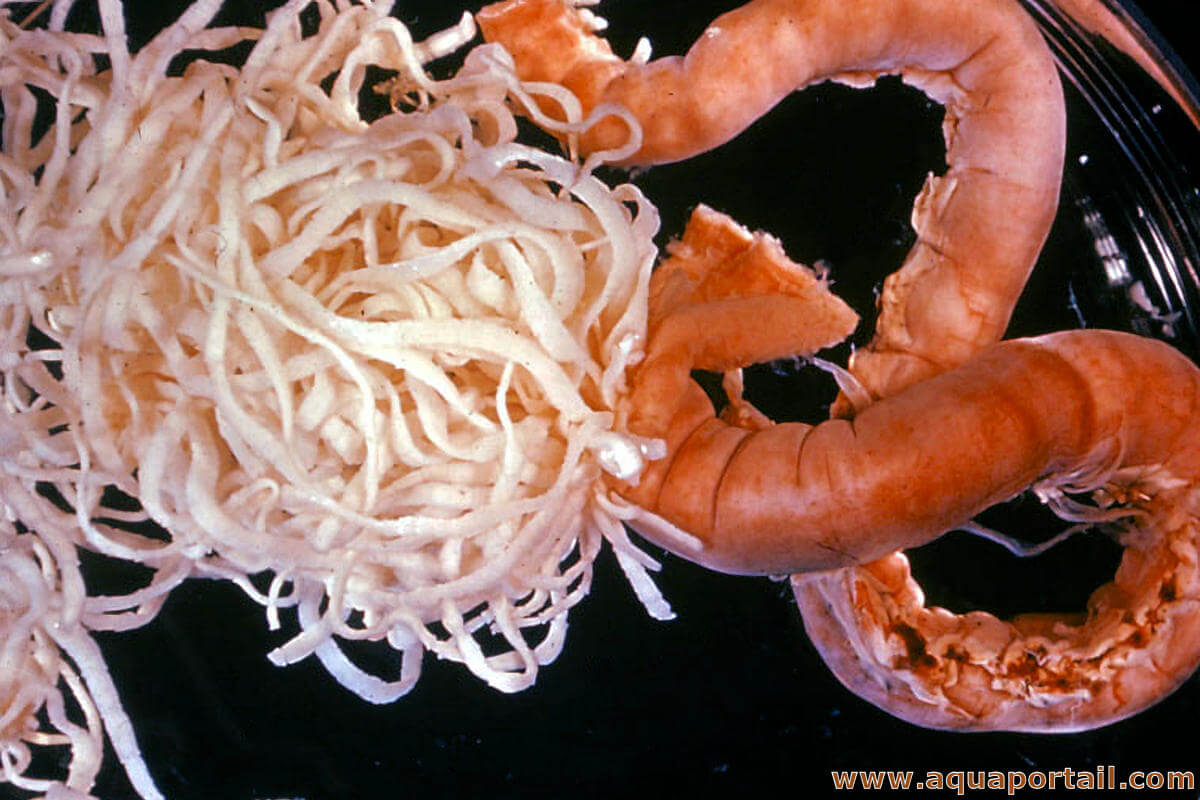
The tapeworm, or solitary worm, is a long, ribbon-like, segmented flatworm, a parasitic cestode of the genus Taenia.
tectonics

Tectonics is a branch of geology that studies the structure of the crust of a planetary body, such as Earth or the Moon, particularly the formation of folds...
teliospore

A teliospore (teleutospore) is a thick-walled, multicellular fungal spore from which the basidium develops.
