Tectonics
noun and adjective (n. / adj.)
Definition
Tectonics is a branch of geology that studies the structure of the crust of a planetary body, such as Earth or the Moon, particularly the formation of folds and faults. It encompasses the scientific study of crustal deformations and the geodynamic forces responsible for these changes.The San Andreas Fault and its tectonics:

In geology, tectonics studies geological structures produced by crustal deformation acquired by rocks after their formation, along with the processes that generate them. Deformation of terrain under internal forces continues actively with plate tectonics, as seen along the San Andreas Fault in California's Carrizo Plain, United States.
Explanations
Structures and movements within the upper mantle (lithosphere) also fall within the scope of tectonics, while geotectonics refers to broader global theories of Earth's structural evolution.
Tectonics analyzes the movements of crustal blocks and the resulting deformations of rock masses generated by tectonic stresses.
By extension, tectonics also refers to crustal architecture and geodynamic motions themselves, especially the movement of lithospheric plates and their effects, known as plate tectonics.
Types of tectonic processes
From observed geological structures, folds, and rock fabrics (fracturing, foliation, metamorphism), geologists deduce the direction, magnitude, duration, and timing of tectonic movements.
Three primary structural regimes are commonly distinguished:
- Brittle (fault) tectonics: near Earth's surface, compressional or extensional stresses fracture rock strata and displace blocks relative to one another along joints, fissures, and faults. Generally, this shallow regime does not produce deep ductile folding, instead forming horsts (uplifted blocks) and grabens (rift valleys). The breakup of sedimentary basins and strike-slip lateral displacement of crustal blocks also involve brittle tectonics, and sudden stress release along fault zones triggers earthquakes.
- Ductile (fold) tectonics: the onset of folding depends on rock rheology and pressure-temperature conditions. While gentle folds can form at shallow depths in weak layered strata, rocks typically deform plastically (ductilely) at greater depths under elevated pressure and temperature, producing anticlines and synclines. Open fracturing gives way to internal ductile flow and regional shear zones accompanied by recrystallization into metamorphic rocks (regional metamorphism).
- Thrust (nappe) tectonics: under intense horizontal compression, folded or unfolded rock sheets can override adjacent units as thrust sheets or nappes, transporting rock masses over tens of kilometers and building complex structural stacks.
Architectural tectonics
In architectural theory, tectonics refers to the structural assembly of building components. Architect and theorist Gottfried Semper defined the term as "the art of joining rigid, rod-like members into an inherently stable system" (1860).
In this context, tectonic denotes clear structural articulation. Members of the Art Nouveau movement likewise sought to unite decorative and tectonic functions in their buildings.
Architectural tectonics encompasses not only actual load-bearing construction but also its expressive and symbolic appearance—which does not always strictly mirror the hidden structural frame, as exemplified by the classical Greek temple.
Synonyms, antonyms
Spanish translation: tectónica
4 synonyms (similar meaning) for "tectonics":
- dislocation
- geomorphogenesis
- orogeny
- structural geology
0 antonyms (opposite meaning).
Related words and expressions to TECTONICS are directly connected by general or specific meaning.
The word TECTONICS is listed on page 1 of words starting with T in the dictionary glossary.
Related to "tectonics"
plate tectonics
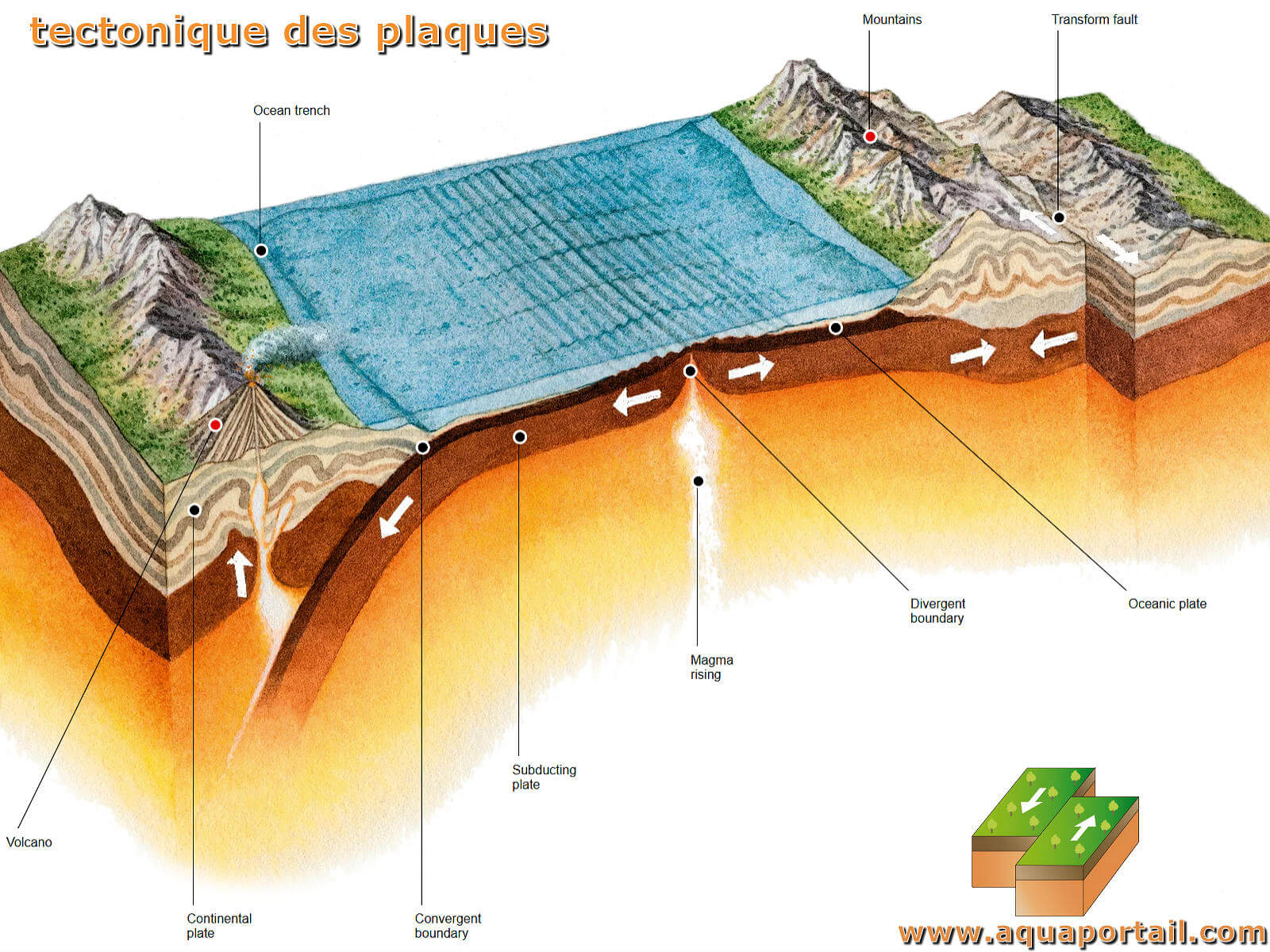
Plate tectonics is a theory that explains continental drift, earthquakes, deep ocean trenches, and other phenomena through the movement of the vast rigid...
hydroponics
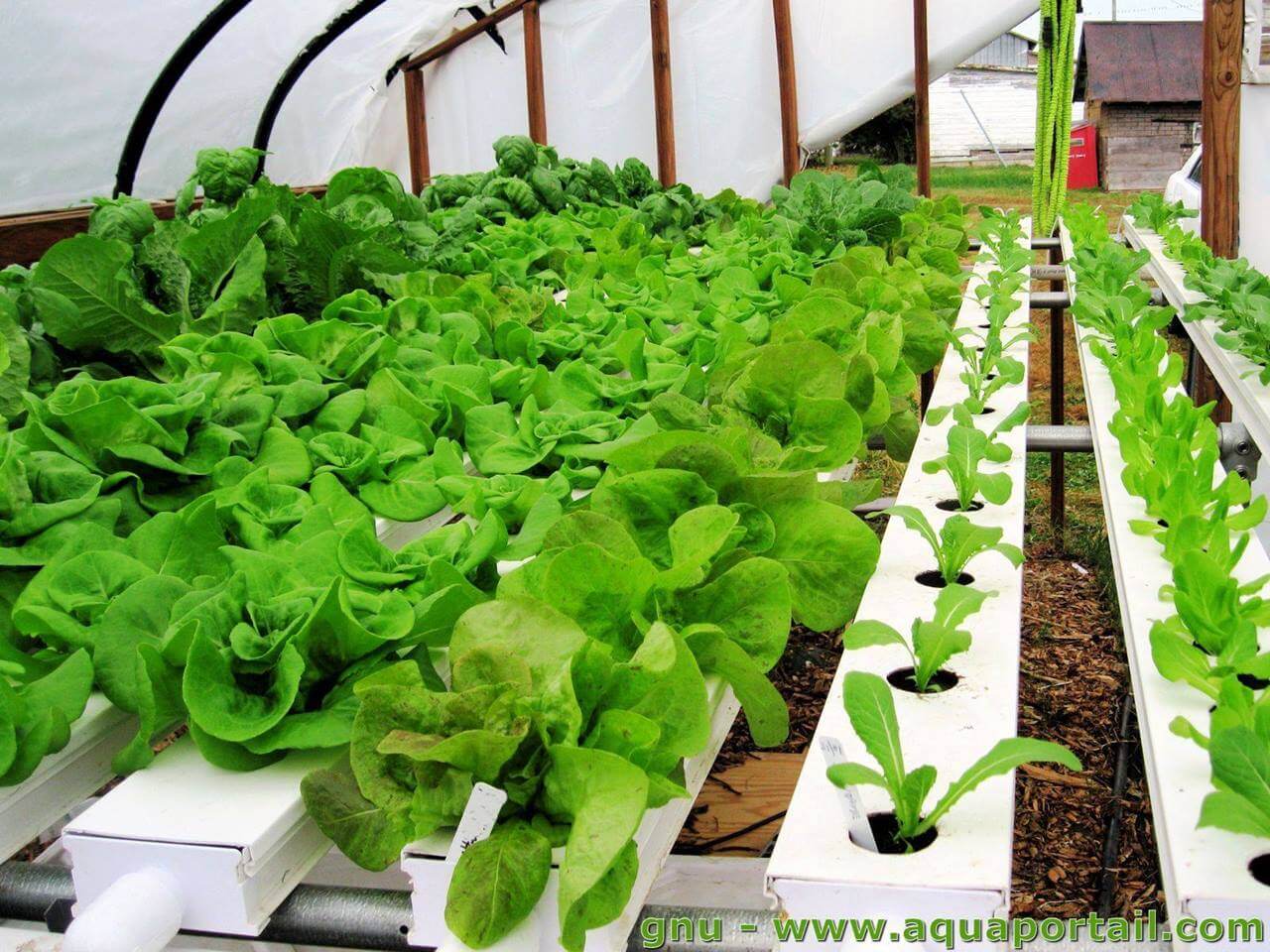
Hydroponics is a method of soilless plant cultivation, and hydroponic farming is a subset of hydroculture.
tagma

A tagma is a group of fused segments formed by series of metameres differentiated from the rest of an arthropod's body.
tapeworm

The tapeworm, or solitary worm, is a long, ribbon-like, segmented flatworm, a parasitic cestode of the genus Taenia.
Simple summary
Tectonics refers to the study of Earth's crustal structure and the processes that have shaped its formation and evolution over time. The field focuses primarily on the motions and interactions of Earth's lithosphere—especially its tectonic plates—which drive earthquakes, volcanism, mountain building, and ocean trench formation.
