Hydroponics
noun (n.)
Definition
Hydroponics is a method of soilless plant cultivation, and hydroponic farming is a subset of hydroculture. It consists of supplying plants with a nutrient solution—composed of mineral salts dissolved in freshwater—without using soil, in contrast to traditional agriculture where plants are grown in earth.Lettuce is well suited to hydroponic cultivation:
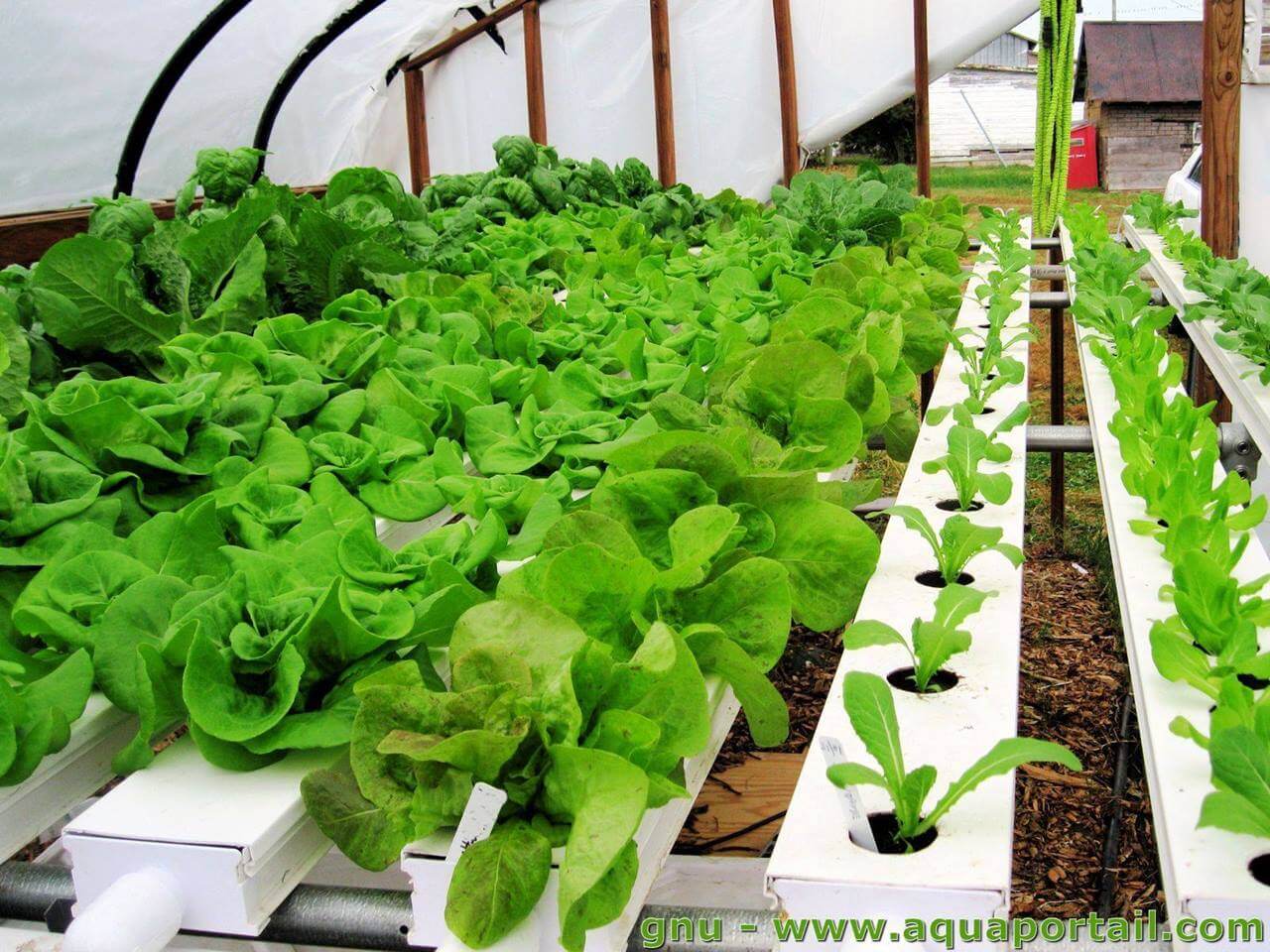
Hydroponics is a hydroculture method well suited to lettuce, onions, radishes... This plant cultivation is carried out without soil support.
Explanations
Terrestrial plants may be grown with their roots suspended directly in the mineral nutrient solution or anchored in an inert medium such as sand, perlite, gravel, pozzolana, expanded clay pebbles, rockwool, or filter floss. A derivative of hydroponics is aquaponics, which combines aquaculture with hydroponic plant cultivation.
Hydroponic cultivation
Hydroponics is a technique used to grow plants using aqueous mineral solutions rather than agricultural soil.
The roots receive a balanced nutrient solution dissolved in water containing all essential chemical elements required for green plant development, growing either directly in liquid solution or in an inert substrate such as washed sand, gravel, or perlite, among many others.
Hydroponic cultivation of tomato plants:
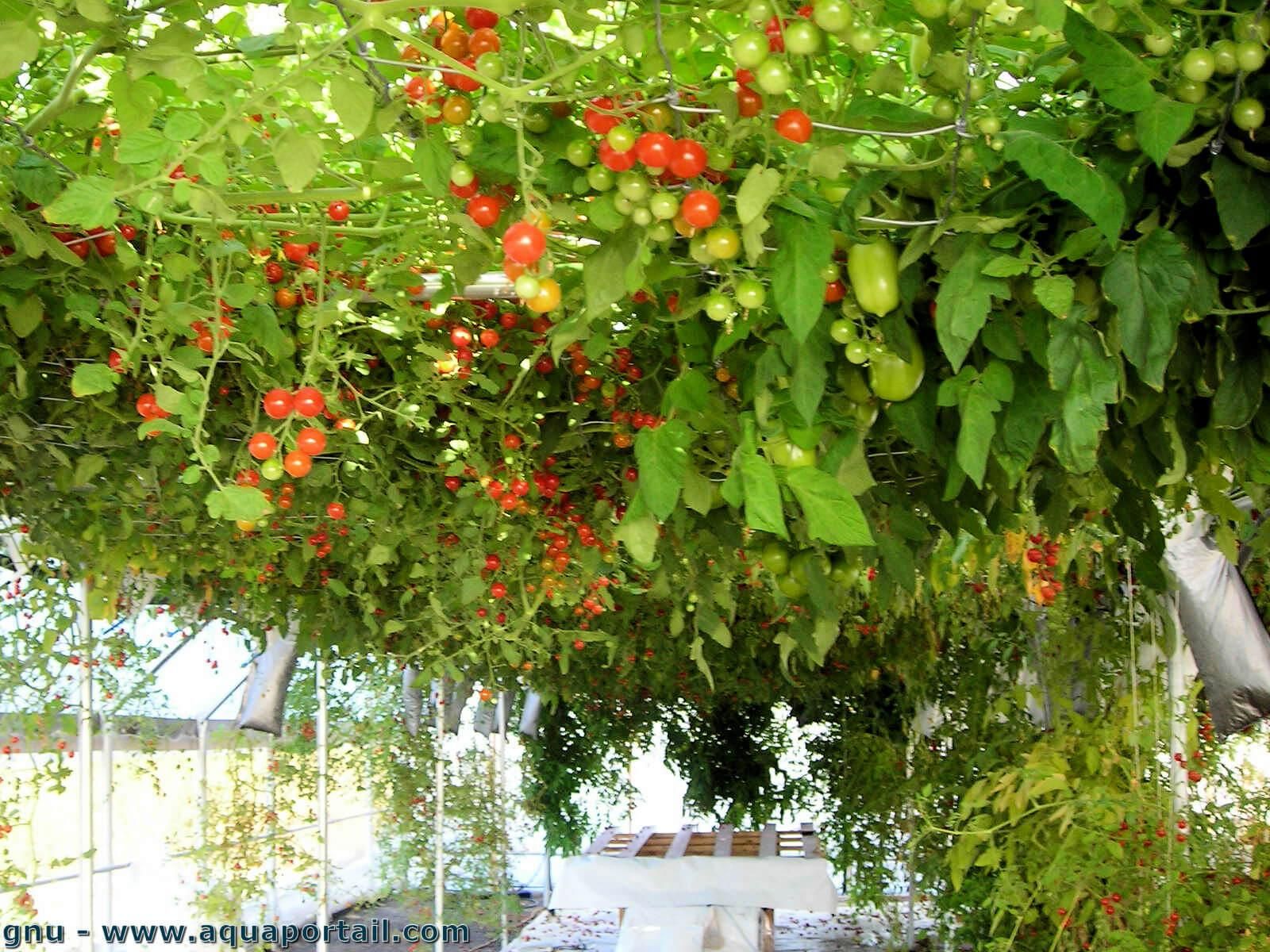
Tomatoes lend themselves very well to hydroponic cultivation because their root systems do not require soil to assimilate nutrients.
By definition, hydroponic cultivation is a plant-growing system in which the roots of plants normally grown in soil are immersed in a nutrient liquid or in an inert medium irrigated by a nutrient solution; the rhizosphere becomes aquatic while the phyllosphere remains aerial.
In aquaculture, this hydroponic technology becomes aquaponics and is used to treat water in recirculating systems, removing nitrogen and phosphorus generated by fish metabolism through plant uptake.
Certain fish farms use their nutrient-rich effluent to grow plants as secondary crops, recycling aquaculture nutrients into marketable produce—most commonly lettuce, cabbage, culinary herbs, and tomatoes.
Hydroculture
Hydroculture is synonymous with hydroponic cultivation—growing plants in an aqueous medium without soil—as distinct from hydroponic aquaculture, which integrates fish farming.
Hydroculture in a hydroponic farm:
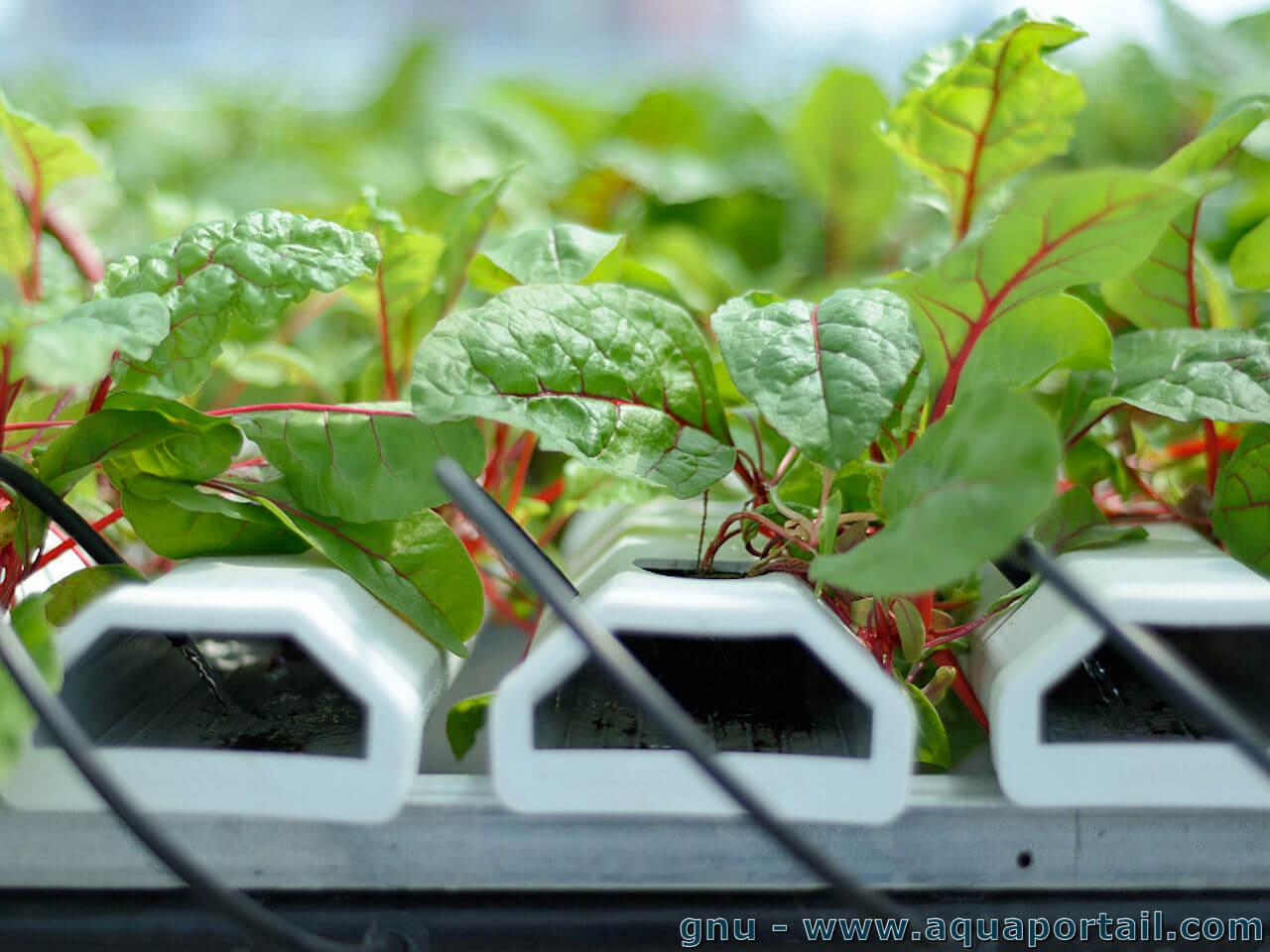
Hydroponic farms harness the cycles of essential mineral elements such as nitrogen and phosphorus, delivering nutrients via a shallow flowing water film.
Hydroculture typically operates in a closed loop: plants absorb the nutrients they require, and the remaining solution returns to the reservoir for reuse, making it virtually a zero-discharge system.
Hydroponic aquaculture
Hydroponic aquaculture is a specialized form of integrated aquaculture combined with hydroponic crop production, in which aquaculture supplies nutrients to the plants—forming the core foundation of aquaponics.
Example of hydroponic aquaculture:
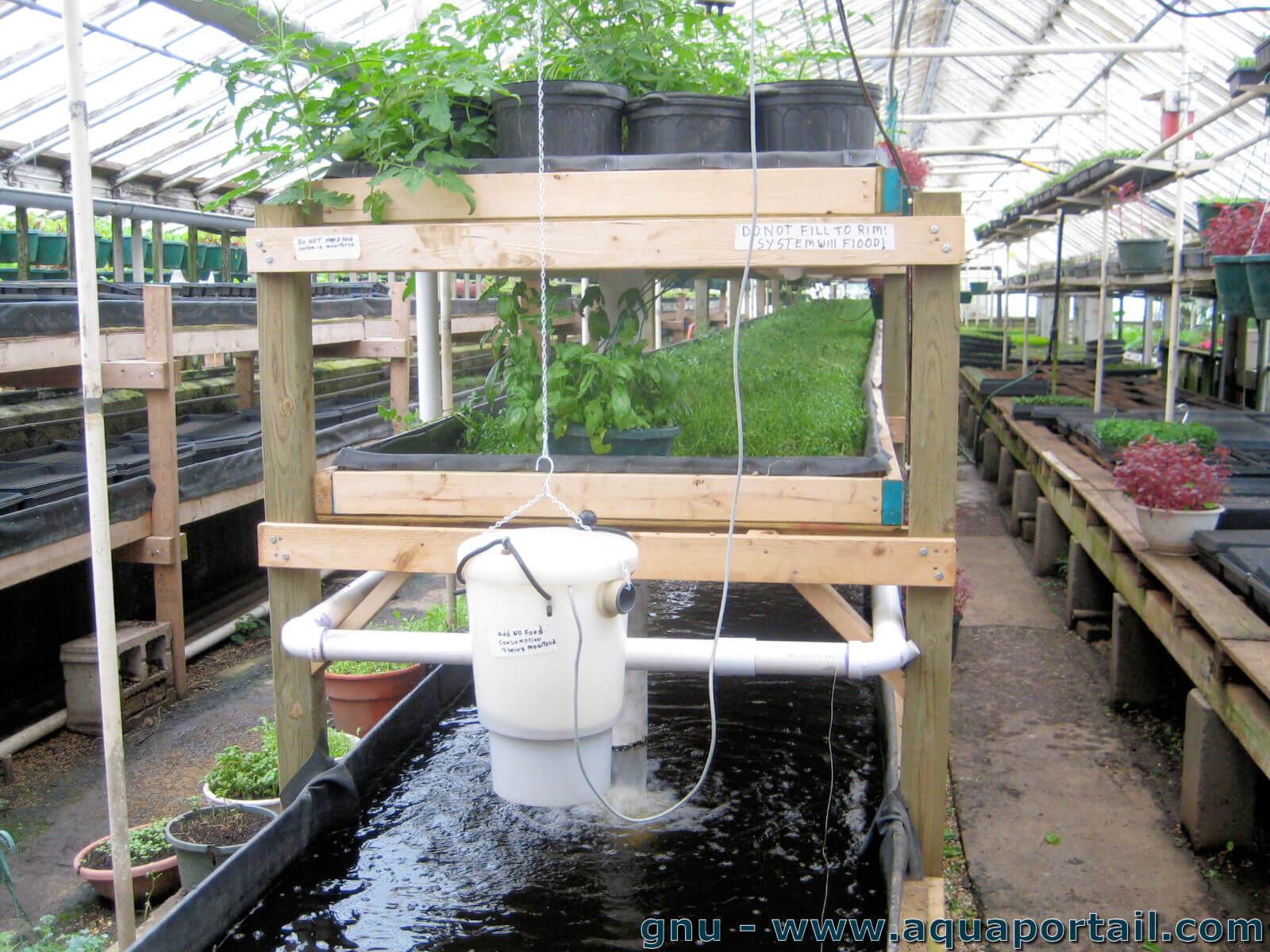
Hydroponic aquaculture, or aquaponics, pairs fish farming with plant cultivation to the mutual benefit of both.
History, research, and developments
In 1929, William Frederick Gericke of the University of California, Berkeley, originally defined hydroponics as accelerated crop growth in mineral nutrient solutions. Hydroponics is a subset of soilless culture, as several soilless methods do not rely solely on pure mineral nutrient solutions (such as aquaponics or organic substrate culture).
Plant physiologists discovered in the 19th century that plants absorb essential minerals as inorganic ions dissolved in water. In nature, soil acts as a mineral nutrient reservoir, yet soil itself is not essential for plant growth.
When mineral nutrients in soil dissolve in water, plant roots can absorb them; consequently, when mineral nutrients are supplied directly in water, soil is no longer required to nourish the plant.
Nearly all terrestrial plants can grow hydroponically, although some species are better suited than others.
Hydroponics is also a standard technique in plant biology research and education, as well as a popular hobby.
Today, hydroponic farming thrives in regions with unfavorable agricultural conditions; by combining hydroponics with climate-controlled greenhouse management, growers achieve yields far higher than those obtained in open-field cultivation.
Insights and guide
Hydroponics offers a clean, efficient way to achieve rapid plant growth and nutrient-rich harvests while maximizing floor space and water efficiency, enabling cultivation on rooftops or unused urban spaces.
Commercial hydroponic production meets strict quality standards, producing food crops and ornamentals where suitable arable land is lacking—such as soils contaminated with plant pathogens or degraded by salinization.
Without soil, however, growers lose the natural buffering capacity of agricultural earth, requiring careful monitoring of pH, electrical conductivity, and root-zone oxygenation.
Hydroponic systems are classified as open or closed depending on whether drained nutrient solution is recirculated. Organic hydroponics (bioponics) represents a more ecological approach to soilless growing.
Organic hydroponics (bioponics)
Organic hydroponics is gaining popularity, particularly in urban agriculture and permaculture. It can be practiced indoors at home, optionally incorporating fish as a natural nutrient source in indoor aquaponics.
Hydropote (and Hydropod)
A hydropote is a specialized epidermal cell group found on the submerged leaf surfaces of certain aquatic plants (such as water lilies) that absorbs ions and trace elements.
In soilless propagation, the commercial term Hydropod also refers to an aeroponic propagator that mists plant cuttings so their roots maintain continuous access to both water and oxygen, preventing desiccation and root rot while eliminating soil-borne pathogens.
Synonyms, antonyms
Spanish translation: hidroponía
5 synonyms (similar meaning) for "hydroponics":
- aeroponics
- aquaponic culture
- aquaponics
- hydroculture
- hydroponic aquaculture
1 antonym (opposite meaning):
Related words and expressions to HYDROPONICS are directly connected by general or specific meaning.
The word HYDROPONICS is listed on page 1 of words starting with H in the dictionary glossary.
Related to "hydroponics"
hydrogel
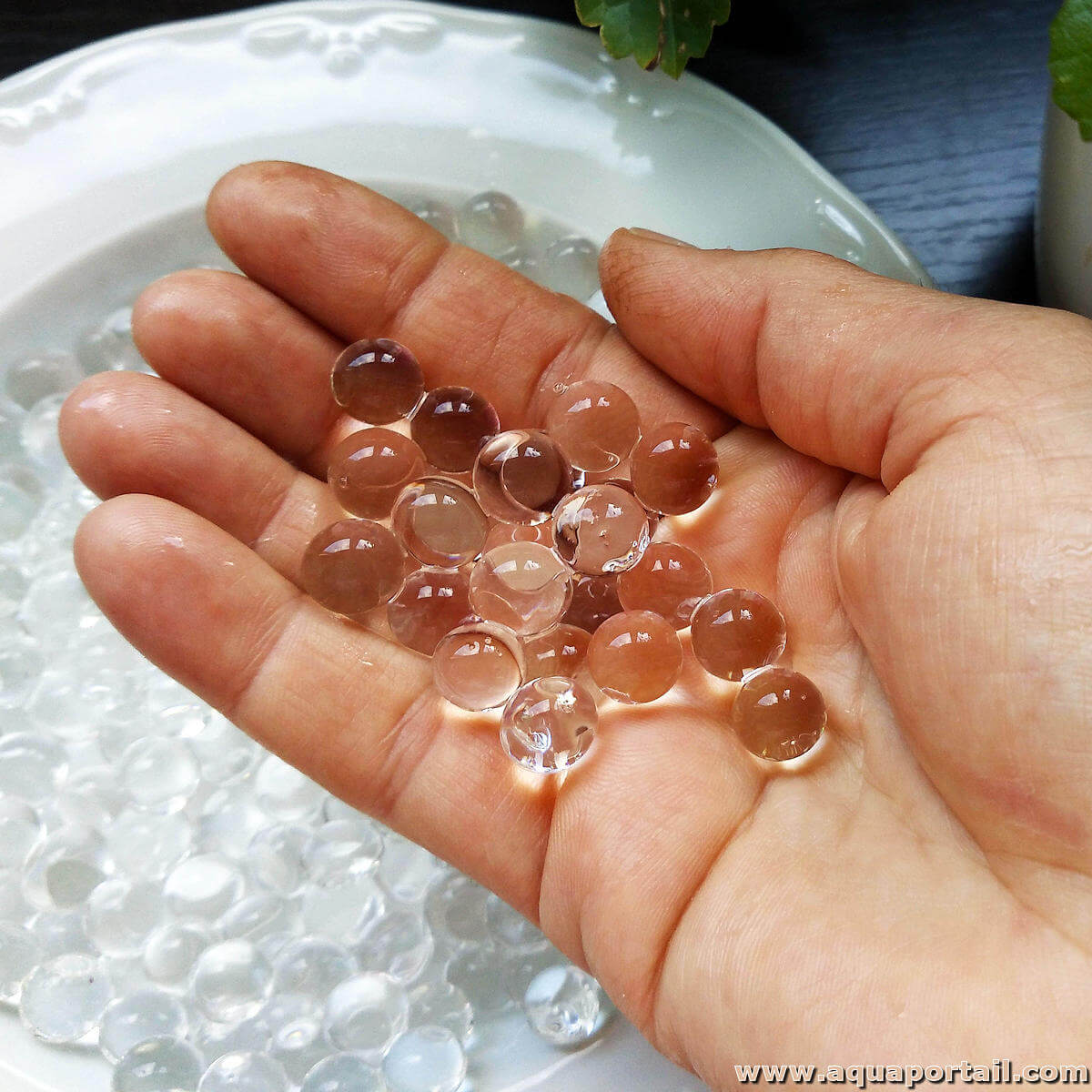
A hydrogel is a network of polymer chains with a high capacity for water absorption. When placed in an aqueous medium, it can absorb water and swell...
hydroid

A hydroid refers to a group of colonial animals belonging to the cnidarians, in marine or freshwater habitats, distant cousins of sea anemones.
plate tectonics
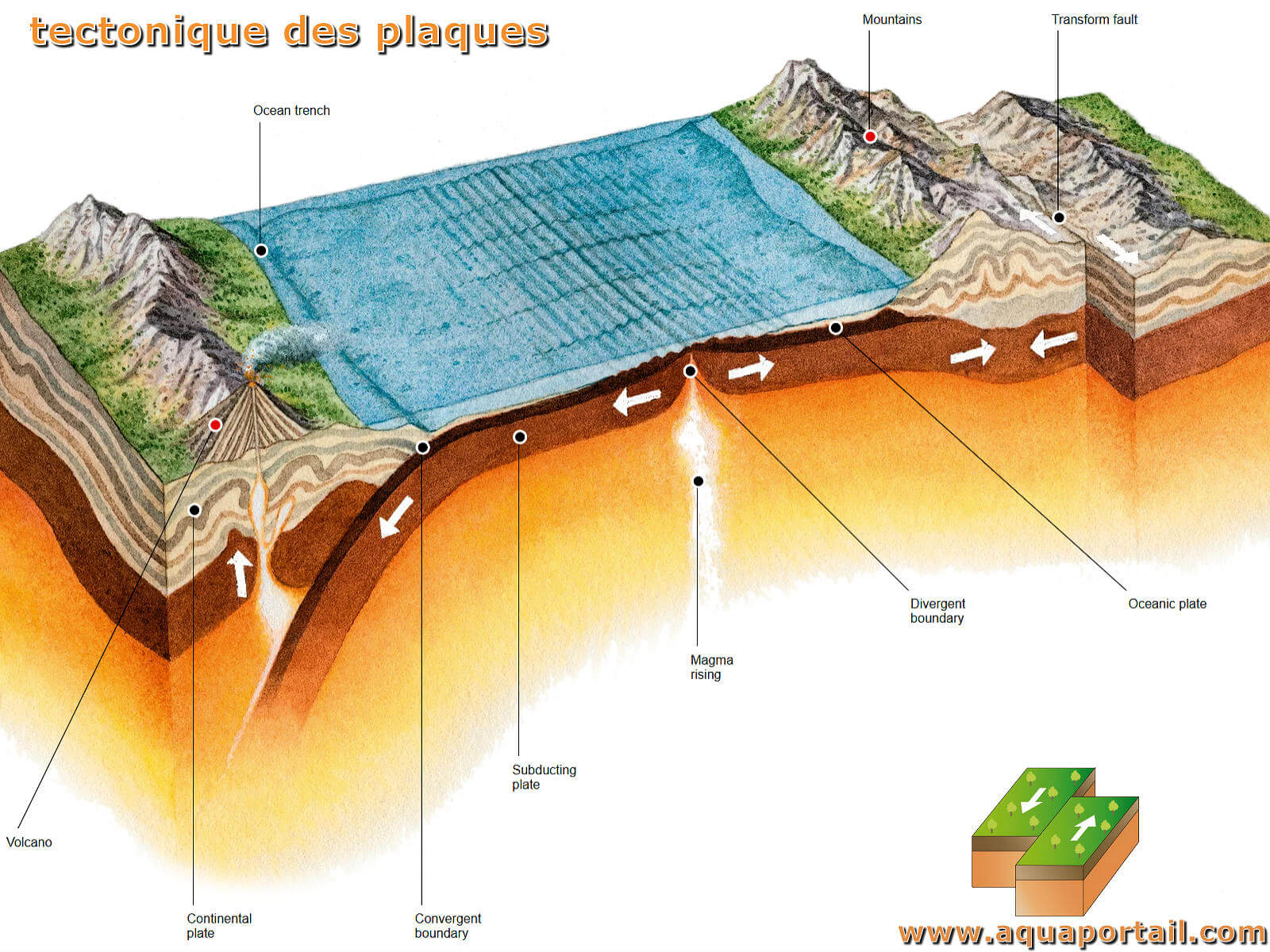
Plate tectonics is a theory that explains continental drift, earthquakes, deep ocean trenches, and other phenomena through the movement of the vast rigid...
tectonics

Tectonics is a branch of geology that studies the structure of the crust of a planetary body, such as Earth or the Moon, particularly the formation of folds...
Simple summary
Hydroponics is a method of growing plants without soil that uses mineral nutrient solutions in an aqueous solvent. This technique allows precise regulation of growth conditions, including nutrient concentration, pH, and access to water, air, and light, thereby promoting optimal plant development. Hydroponic systems are often used in environments where traditional agriculture is challenging, offering the potential to increase yields while reducing land use. By eliminating soil-borne diseases and pests, hydroponics can also improve the quality and nutritional value of produce.
