Hydrogel
noun (n.)
Definition
A hydrogel is a network of polymer chains with a high capacity for water absorption. When placed in an aqueous medium, it can absorb water and swell, retaining the absorbed volume of water trapped within its polymeric network. Hydrogels can be formed through covalent crosslinking between one or more monomers or through physical association bonds such as hydrogen bonds and van der Waals interactions, among others. Chemical composition, crosslinking density, and hydrophilicity can vary their consistency from viscous fluids to rigid solids.
Hydrogel beads:
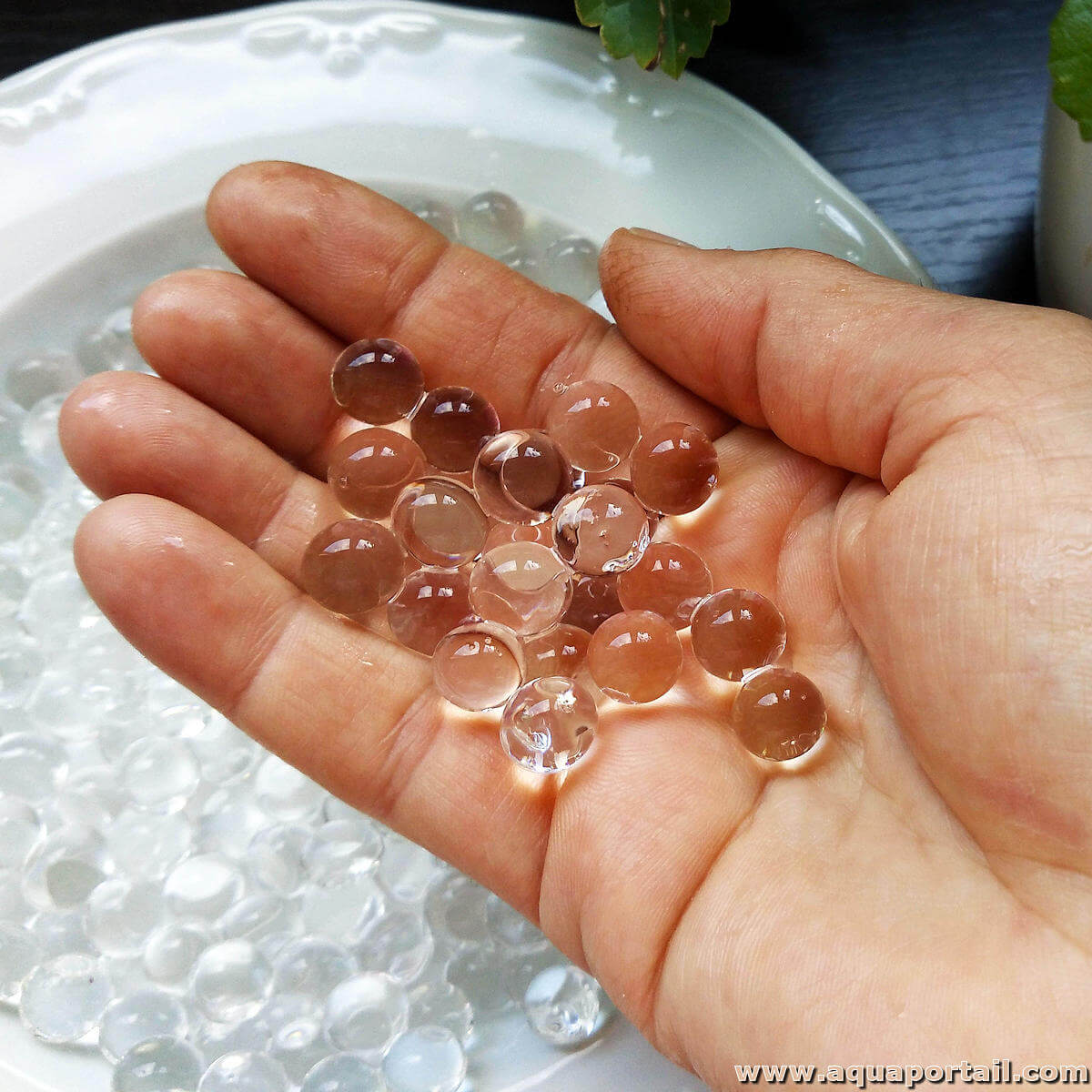
A hydrated hydrogel can hold up to 145 times its own weight in water. Water-absorbing hydrogel produced from bacteria provides a very safe soil-moisturizing solution. The effects of placing synthetic hydrogels in soil remain debated, particularly as the polymer degrades; polyacrylamide hydrogels can physically break down into acrylamide, a known human neurotoxin.
Explanations
A hydrogel is scientifically defined as a three-dimensional network of colloidal dimensions with interpenetrating solid and aqueous phases.
Hydrogels are three-dimensional networks composed of hydrophilic polymers synthesized by crosslinking water-soluble macromolecular chains. Hydrogels can retain large amounts of water within their network without dissolving or losing their original structure, imparting flexibility and swelling properties. These traits, along with polar functional groups such as amines, amides, carboxylic acid, hydroxyl, and sulfonic acid groups, make hydrogels suitable for numerous promising applications.
Hydrogels are polymers composed of smaller repeating units called monomers capable of absorbing vast quantities of liquid. They are commonly found in disposable diapers to retain moisture and in floral arrangements to keep cut flowers hydrated. Typical commercial hydrogels, however, are made from synthetic materials such as polyacrylamide, which do not biodegrade rapidly.
Hydrogels are three-dimensional network structures capable of imbibing large quantities of water, generally remaining insoluble due to chemical or physical crosslinks or chain entanglements. They occur naturally as polymer networks such as collagen or gelatin, or can be synthetically manufactured. Environmentally responsive ("smart") hydrogels serve a wide variety of applications due to their ability to respond to environmental changes, typically by undergoing volume transitions. Classic stimuli triggering hydrogel responses include pH, temperature, and ionic strength; analytes and biomarkers such as glucose, proteins, and DNA also elicit hydrogel responses. Because of this breadth of triggers, hydrogels can be incorporated into sensors or actuators, or used in controlled drug-delivery systems, biosensors, tissue-engineering scaffolds, artificial organs, wound dressings, physiological membranes, contact lenses, and microfluidic valves.
⭐ A major application of synthetic hydrogels is aiding crop growth in arid regions. Hydrogels swell with water during rainfall and release moisture back into the soil during dry spells, both irrigating plants and helping curb soil erosion. Fertilizers are also incorporated into hydrogels, enabling slow-release nutrient delivery to the soil.
Types and classification
Hydrogels can be classified according to several parameters, with three primary criteria distinguishing them: (1) preparation method; (2) ionic charge; and (3) physical structure:
Detailed classification of hydrogels:
- Based on the preparation process, hydrogels may be homopolymeric, consisting of a single type of hydrophilic monomer unit; copolymeric, composed of two comonomer units, at least one of which is hydrophilic; multipolymeric, produced from three or more comonomers reacting together; or interpenetrating polymer network (IPN) hydrogels, where an initially formed network reacts to form a second entangled network structure.
- Based on ionic charges, neutral, anionic, cationic, and ampholytic hydrogels can be formed. This designation refers to their overall net charge: no charged groups in neutral hydrogels, negatively charged groups in anionic hydrogels, positively charged groups in cationic hydrogels, and both negatively and positively charged groups in ampholytic hydrogels, conferring amphoteric (zwitterionic) behavior. The latter three types (anionic, cationic, ampholytic) are also termed ionic hydrogels (or polyelectrolytes).
- Based on physical structure, hydrogels can be classified as amorphous hydrogels, which are non-crystalline and contain randomly arranged macromolecular chains; semi-crystalline hydrogels, which comprise a mixture of amorphous and crystalline phases with dense regions of ordered macromolecular chains; and hydrogen-bonded or supramolecular networks, where the hydrogel network relies on reversible physical interactions. Hydrogen-bond strength is weaker than covalent bonding yet stronger than van der Waals interactions. To maintain a three-dimensional structure, polymer chains are generally crosslinked chemically or physically: chemically crosslinked (permanent) hydrogels have polymer chains joined by covalent bonds that make subsequent reshaping difficult, whereas physical (reversible) hydrogels are held together by non-covalent interactions such as van der Waals forces, ionic interactions, hydrogen bonds, or hydrophobic interactions.
Representation of the physicochemical formation of hydrogels:
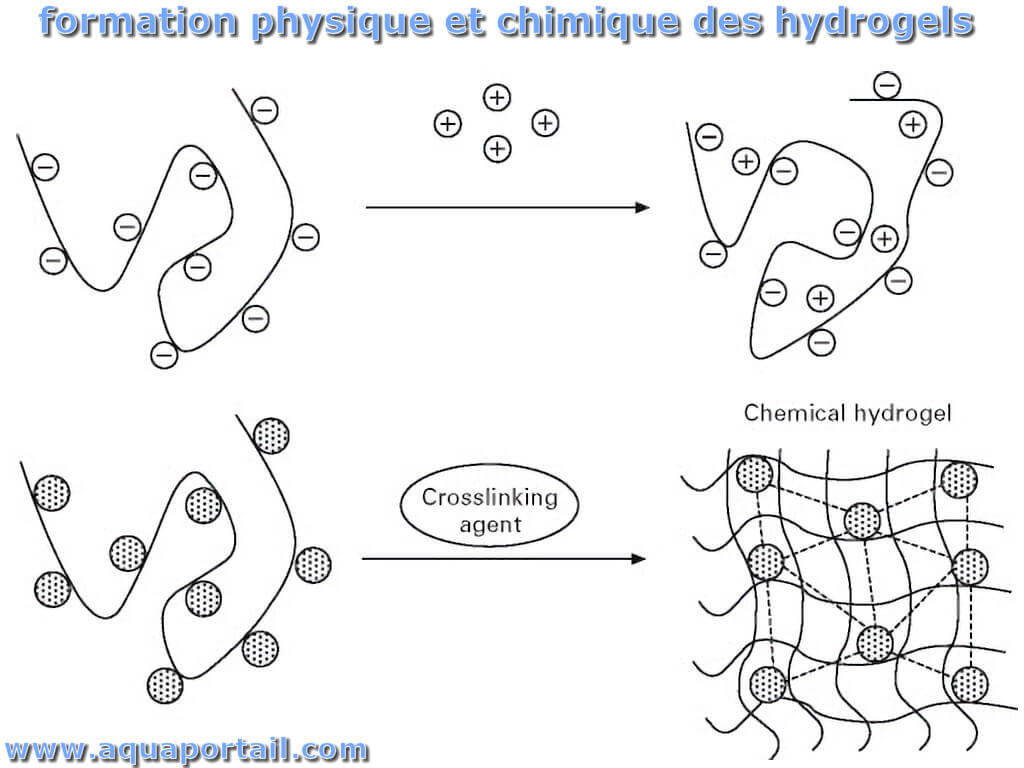
Diagram illustrating the physical and chemical formation of hydrogels.
Hydrogels can take many different physical forms, including solid molded shapes such as soft contact lenses, pressed powder matrices as in pills or capsules, various types of microparticles and coatings, or solutions that form gels upon cooling or heating. Consequently, their application potential across diverse fields is remarkably high.
Various natural and synthetic materials are currently studied and used for applications in tissue engineering and regenerative medicine. Depending on their intended role, they can be processed in different ways, ranging from melt-based technologies—such as fiber extrusion coupled with fiber bonding to generate 3D scaffolds—to solvent-based technologies, such as processing hyaluronic acid sponges.
These materials are expected to offer distinct advantages, whether improved tunability or higher porosity enabling cells to infiltrate and generate functional engineered tissue.
Processing a material into a hydrogel is likewise highly promising. Their properties make hydrogels attractive vehicles for diverse biomedical applications, such as drug-delivery carriers or cell-encapsulation systems, which can be tailored for selective permeability and targeted mechanical or chemical stability.
Chemical cues (such as pH and ionic factors) and physical stimuli (such as temperature or electrical potential) can alter molecular interactions between polymer chains, modifying material properties such as solubility, swelling behavior, redox state, and crystalline/amorphous transitions. Their associated biocompatibility—often a consequence of their hydrophilicity—is also a frequently cited advantage in biomedical and pharmaceutical applications.
Added to this is efficient transport of nutrients to cells and clearance of cellular metabolites. The ability of certain hydrogels to be functionalized with specific cell-adhesion ligands or deployed as injectable systems further expands their potential, while drawbacks generally relate to delicate handling and low mechanical strength.
Synonyms, antonyms
Spanish translation: hidrogel
0 synonyms (similar meaning) for "hydrogel".
0 antonyms (opposite meaning).
Related words and expressions to HYDROGEL are directly connected by general or specific meaning.
The word HYDROGEL is listed on page 1 of words starting with H in the dictionary glossary.
Related to "hydrogel"
agar

Agar is a linear polymer, composed of galactose, extracted from certain phycocolloid red algae (Rhodophyta).
anhydrogalactose
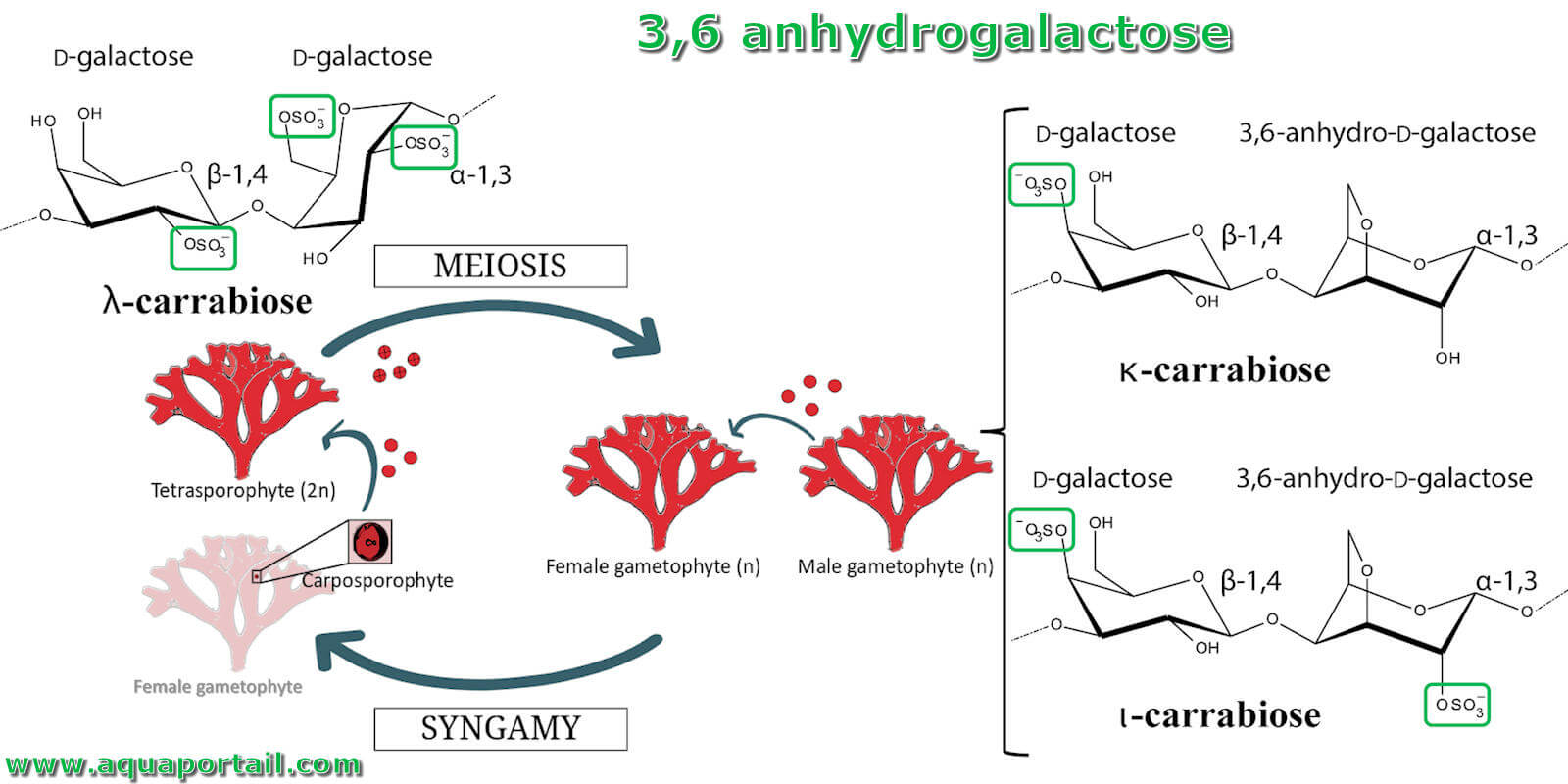
An anhydrogalactose (AHG) is a galactose that has lost a water molecule. 3,6-Anhydrogalactose, contained notably in agars, results from the elimination...
hydroid

A hydroid refers to a group of colonial animals belonging to the cnidarians, in marine or freshwater habitats, distant cousins of sea anemones.
hydroponics
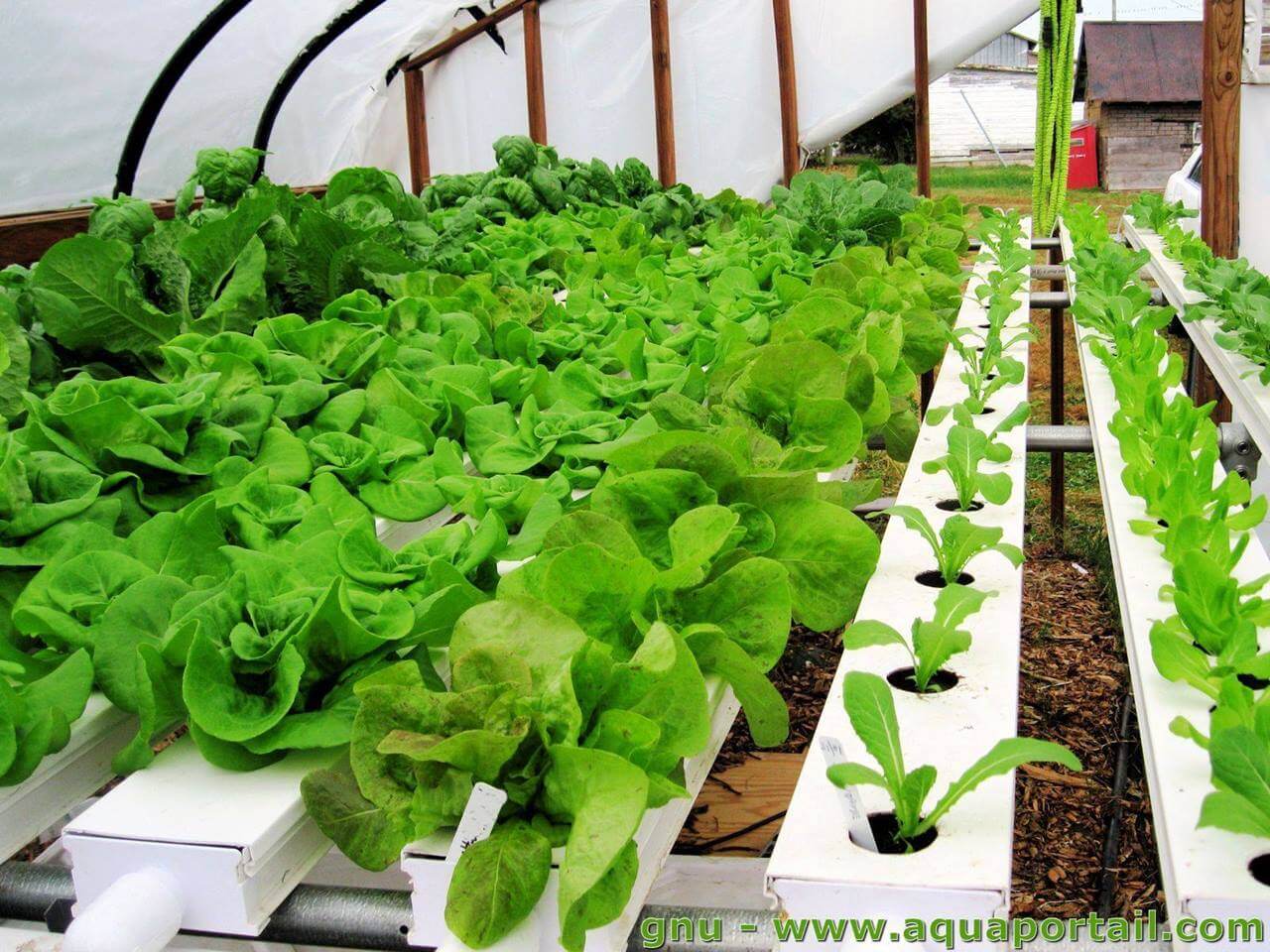
Hydroponics is a method of soilless plant cultivation, and hydroponic farming is a subset of hydroculture.
