Therians
noun (n.)
Definition
Therians (subclass Theria) are mammals comprising marsupials (Metatheria) and placentals (Eutheria). Therian mammals all share the derived traits of giving live birth to their young (viviparity) and being ditrematous.Therians (Theria):
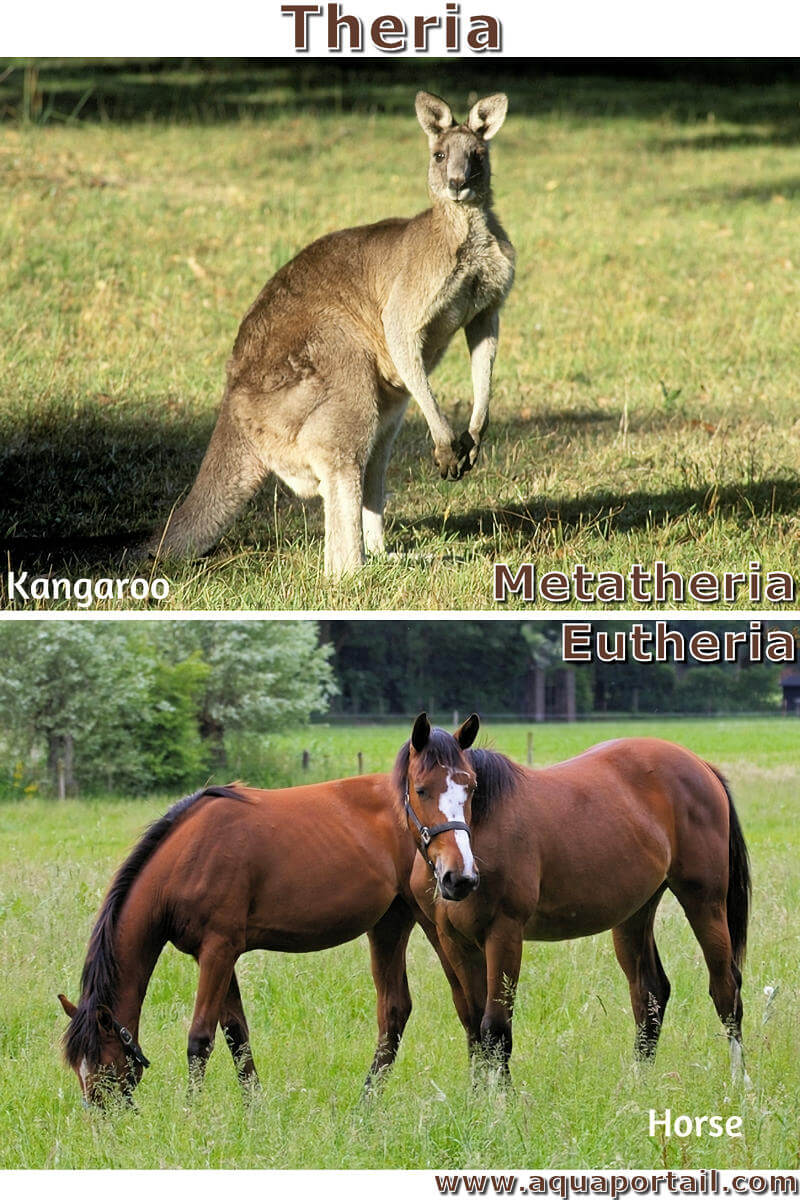
Theria (the Therians) encompasses both Metatheria (metatherians or marsupials) and Eutheria (eutherians or placentals).
Explanations
Metatheria and Eutheria diverged during the Jurassic (164 million years ago), as Pangaea was beginning to break apart, and their evolutionary history is tied to the subsequent continental drift. Metatheria is widely accepted to have originated in Asia and dispersed into Europe and North America.
⭐ The evolutionary history of living mammals dates back to the Early Jurassic, over 200 million years ago, prior to the split of Theria (the lineage comprising marsupials and placentals) from common ancestors shared with modern egg-laying monotremes, such as the platypus and the echidna. These earliest mammals were no larger than a mouse, yet their brains—particularly the olfactory and isocortical regions—underwent remarkable expansion.
✅ Therian X and Y chromosomes evolved from a normal pair of autosomes through a process of Y-chromosome degradation following the suppression of recombination with the X chromosome.
The subclass Theria is divided into two mammalian infraclasses: metatherians and eutherians. Metatherians (Metatheria) and eutherians (Eutheria) diverged well after splitting from monotremes, around 160 million years ago in the Jurassic. Since that time, the two major groups have followed divergent—and occasionally convergent—evolutionary paths. Monotremes appear to have evolved entirely within Gondwana.
Eutheria
Eutherians (Eutheria) are one of the two mammalian groups whose species are either placentals or stem-group mammals closer to placentals than to marsupials. The crown group diverged in the Early Cretaceous or Late Jurassic. The oldest known eutherian (Juramaia) dates back 160 million years.
Metatherians are commonly called marsupials because of the pouch, or "marsupium," possessed by many members of the infraclass Metatheria. The group is far more diverse than the monotremes (Monotremata); indeed, there are 331 described marsupial species classified into 21 families.
Originally proposed by Thomas Henry Huxley in 1880, Metatheria is a slightly more inclusive clade than Marsupialia, containing all living mammals with abdominal pouches (female marsupials) as well as their earliest ancestors and stem relatives.
The ancestors of marsupials, part of the broader group Metatheria, likely diverged from placental mammals (eutherians) in the Middle Jurassic, although no definitive metatherian fossil evidence from that exact epoch has been recovered. Metatherian fossils are distinguished from eutherians by their dentition: metatherians have four pairs of molars on each side of the jaws, whereas eutherian mammals (including true placental mammals) never have more than three pairs. By this criterion, the oldest known metatherian is Sinodelphys szalayi, which lived in China around 125 million years ago, making it a contemporary of certain basal eutherian species found in the same region.
Synonyms, antonyms
Spanish translation: terio
0 synonyms (similar meaning) for "therians".
0 antonyms (opposite meaning).
Related words and expressions to THERIANS are directly connected by general or specific meaning.
The word THERIANS is listed on page 1 of words starting with T in the dictionary glossary.
Related to "therians"
viviparous
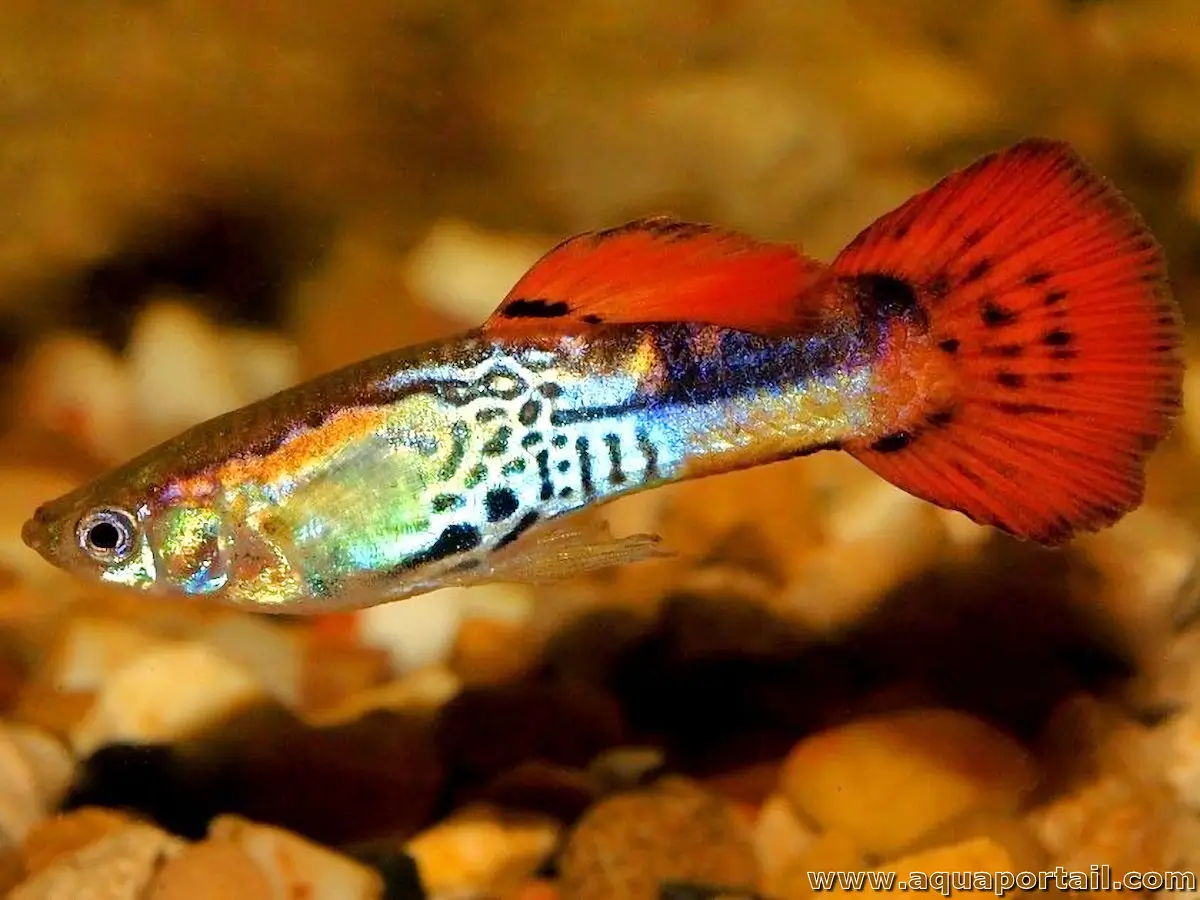
A viviparous organism is an animal or plant species that gives birth directly to live offspring following internal gestation of the embryo after sexual...
tagma

A tagma is a group of fused segments formed by series of metameres differentiated from the rest of an arthropod's body.
tapeworm
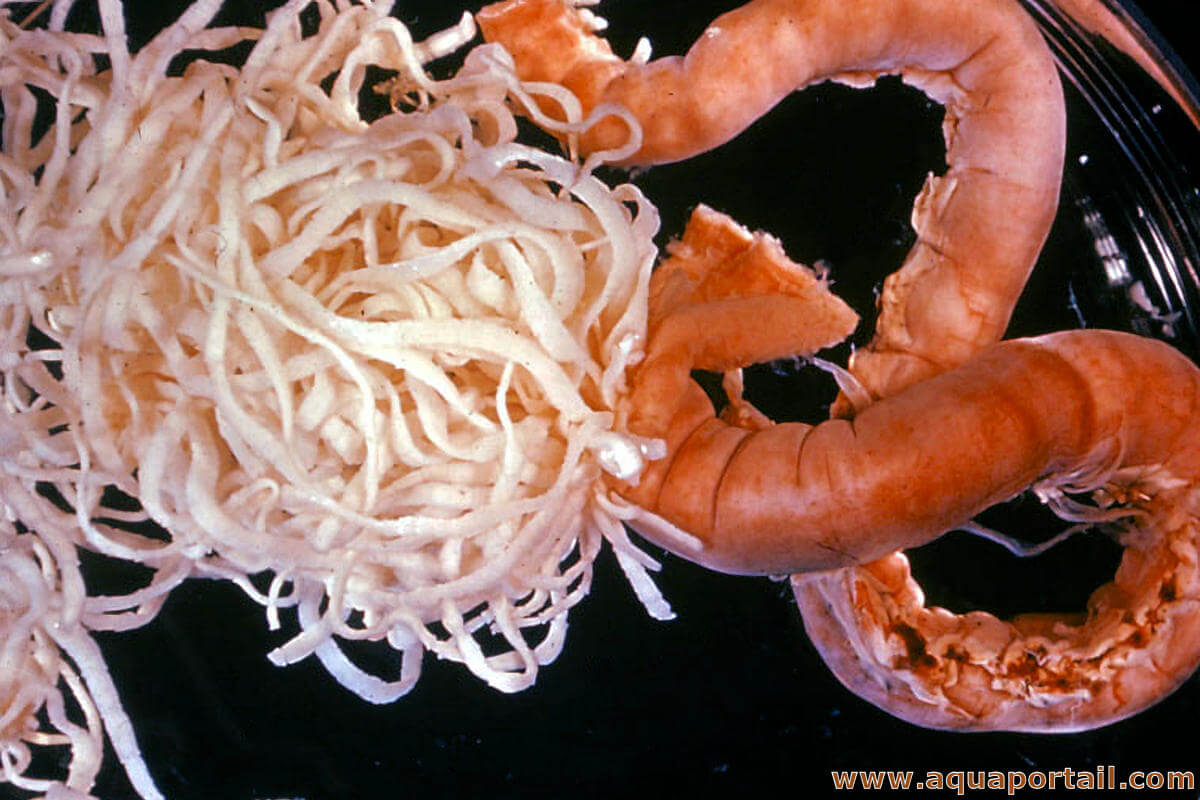
The tapeworm, or solitary worm, is a long, ribbon-like, segmented flatworm, a parasitic cestode of the genus Taenia.
tectonics

Tectonics is a branch of geology that studies the structure of the crust of a planetary body, such as Earth or the Moon, particularly the formation of folds...
