Feather
noun (n.)
Definition
A feather is a lightweight, keratinized integumentary structure that forms the outer covering of birds and enables them to fly. Anchored in the skin, this structure provides bodily and thermal protection for the animal. Feathers distinguish birds from all other animals.
Feathers:

A feather is a soft plumage structure found on the bodies of birds. They vary in size, from small and downy (plumule) to large and brightly colored (penna), distinguishing birds from all other animals.
Explanations
A feather is an epidermal outgrowth whose long central shaft, consisting of the calamus and rachis, bears barbs and barbules. A feather is made of keratin, the same protein found in hair and scales. To preserve their functionality, birds periodically replace their old feathers with new ones through a process called molting.
The entire set of a bird's feathers is called plumage. Beyond allowing precise species identification, plumage serves various functions including camouflage and display for reproduction.
Feathers are an exaptation in evolutionary theory, rather than merely a "simple" selective adaptation.
The ability to fly through the air is not exclusive to birds, as bats, which are mammals, also fly. However, feathers grant birds unmatched mastery of the art of flight.
Beyond flight, feathers play a major protective role by providing waterproofing and insulation, shielding birds from harsh weather and even from harmful UV rays that damage their skin. They ensure the animal's thermoregulation. The waterproofing function is vital in aquatic birds (waterfowl).
Structure
Composed of keratin, feathers possess a complex structure comprising several elements:
- calamus: the lower hollow portion of the shaft that anchors the feather into the bird's skin
- rachis: the distal central shaft to which the vanes are attached
- vanes (vexillum): the flattened portion extending on either side of the rachis
- barbs: numerous branches emerging from the rachis (forming the vanes in flight feathers)
- barbules: tiny extensions branching off the barbs with hooks
- barbicels: microscopic hooks that interlock to hold adjacent barbules together
Birds have different types of feathers, each designed to fulfill specific functions:
- primary remiges: long flight feathers located at the tip of the wing
- secondary remiges: shorter flight feathers along the inner trailing edge of the wing
- alula: 5 feathers (bastard wing) on the leading edge of the wing
- rectrices: tail feathers attached to the uropygium
- coverts (tectrices): overlapping covering feathers
- contour feathers: feathers covering the body that contribute to aerodynamics, insulation, and waterproofing
- down: soft, fluffy feathers beneath contour feathers that act as insulation
- semiplumes: slightly larger insulating feathers located beneath contour feathers
- filoplumes: hair-like feathers around the mouth or eyes, whose exact function remains uncertain
- bristles (vibrissae): sensory hair-like feathers arranged around the forehead, eyes, and bill
Feathers wear down over time due to environmental exposure. As their quality deteriorates, their ability to aid flight or provide effective insulation decreases. To maintain optimal function, birds molt, periodically shedding and replacing their feathers.
Diversity
Feathers, unique to birds and their dinosaur ancestors, have evolved into remarkable biological structures exhibiting an extraordinary variety of colors and shapes.
From the fluffy down of a goose to the dazzling coiled tail of the king bird-of-paradise, feathers captivate with their beauty and the intricacy of their microscopic design. Studying feather anatomy at this scale reveals their functionality. For instance, the interlocking Velcro-like structure found in many bird feathers contributes to their smooth, flexible, and durable surface, aiding flight and repelling water.
As feathers develop, they grow into complex, highly branched structures.
Feathers (penna and plumule):

Despite their incredible diversity of shapes, all feathers share a common composition, the protein beta-keratin, and consist of the same fundamental components arranged in a branched structure. In the most elaborate feathers, the calamus extends into a central rachis, which then branches into barbs. These barbs further branch into barbules equipped with tiny hooks (barbicels) that interlock with neighboring barbules.
Downy feathers appear fluffy because of their loose plumulaceous structure, composed of flexible barbs and relatively long barbules that trap air close to the bird's warm body. By contrast, pennaceous feathers are stiff and mostly flat, the result of a slight structural variation: microscopic hooks on the barbules interlock to form a waterproof, windproof barrier enabling birds to fly and stay dry. Many feathers combine fluffy plumulaceous regions with more structured pennaceous sections.
Specific functions
A bird's body feathers are specialized structures that enable flight, facilitate courtship displays, provide camouflage, retain body heat, and repel water. Some are optimized for aerodynamic flight, while others have evolved as elaborate ornaments for nuptial displays, sometimes at the expense of mobility.
Anatomy of a wing:

A bird's feathered wing resembles a forelimb, featuring an "arm", a "wrist", and a "hand" section. These bones and joints support the primary flight feathers, the remiges.
✅ The multitude of feather colors is due to the presence of melanin, a pigment with varied shades, as well as iridescence. Melanin, whose color ranges from black to yellow through brown, is deposited in feathers by specific cells. Carotenoid pigments are also present, such as animal yellow xanthophyll and red astaxanthin.
Synonyms, antonyms
French translation:
plumeSpanish translation: pluma
6 synonyms (similar meaning) for "feather":
- covert
- down
- filoplume
- rectrix
- remex
- semiplume
0 antonyms (opposite meaning).
Related words and expressions to FEATHER are directly connected by general or specific meaning.
The word FEATHER is listed on page 1 of words starting with F in the dictionary glossary.
Related to "feather"
severe weather
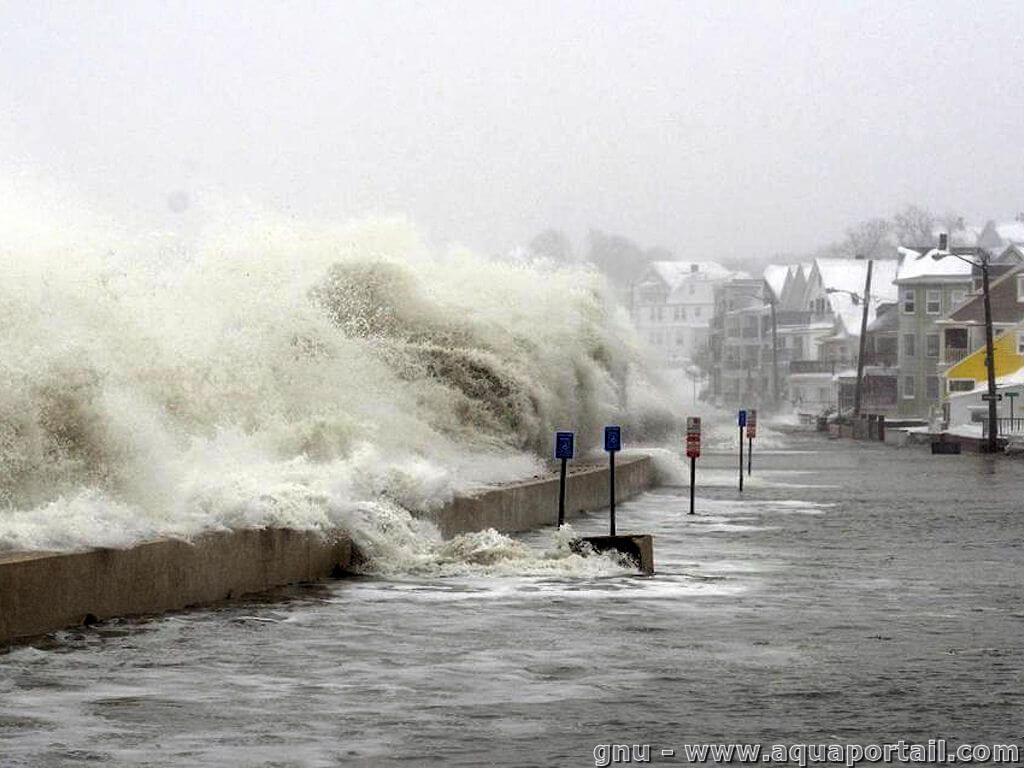
Severe weather (or inclement weather) refers to bad weather, harsh meteorological conditions such as rain, strong wind, frost, hail, flooding, storm surges...
fabrication

Fabrication is the act or process of making, constructing, or inventing something. The manufacturing or fabrication process, whether artisanal or industrial...
famine

Famine is prolonged hunger with acute undernutrition or malnutrition of a population in a region (country).
fang
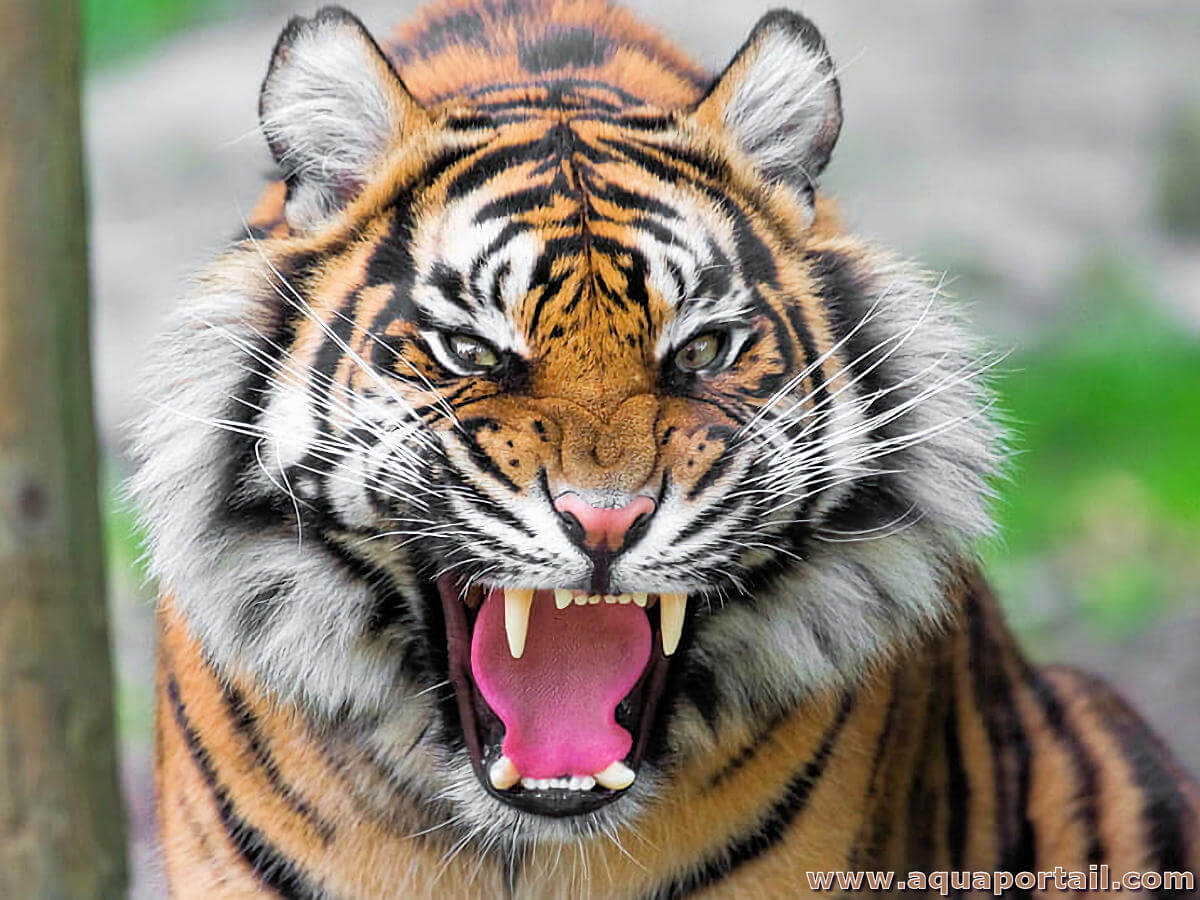
A fang is a long, pointed, and curved tooth. All animals equipped with fangs use them to bite. Whereas in mammals the upper-jaw fangs (called canines)...
