Propagule
noun (n.)
Definition
A propagule is a detachable vegetative part of a plant used for multiplication and propagation. A seed, spore, bulb, cutting, or offshoot enables the plant to reproduce and generate new shoots. A propagule provides a means for the plant to disperse and establish itself in new areas, thereby ensuring the survival of its species.
Mangrove propagules:

The propagules of the red mangrove are elongated seedlings that drop naturally into the soil to take root.
Explanations
A propagule is a specialized multicellular structure designed to be released to ensure vegetative multiplication and propagation of the organism that produces it. In other words, it encompasses any biological reproductive and dispersal structure.
Propagules may be multicellular, such as buds, bulbs, tubers, and seeds, or unicellular, such as spores, among others.
In botany
In botany, a propagule is a group of cells produced by the gametophyte serving to multiply the species. It takes the form of a bud, bulbil, gemma, stolon, etc., of a plant capable of asexual reproduction.
Propagules of a cactus:
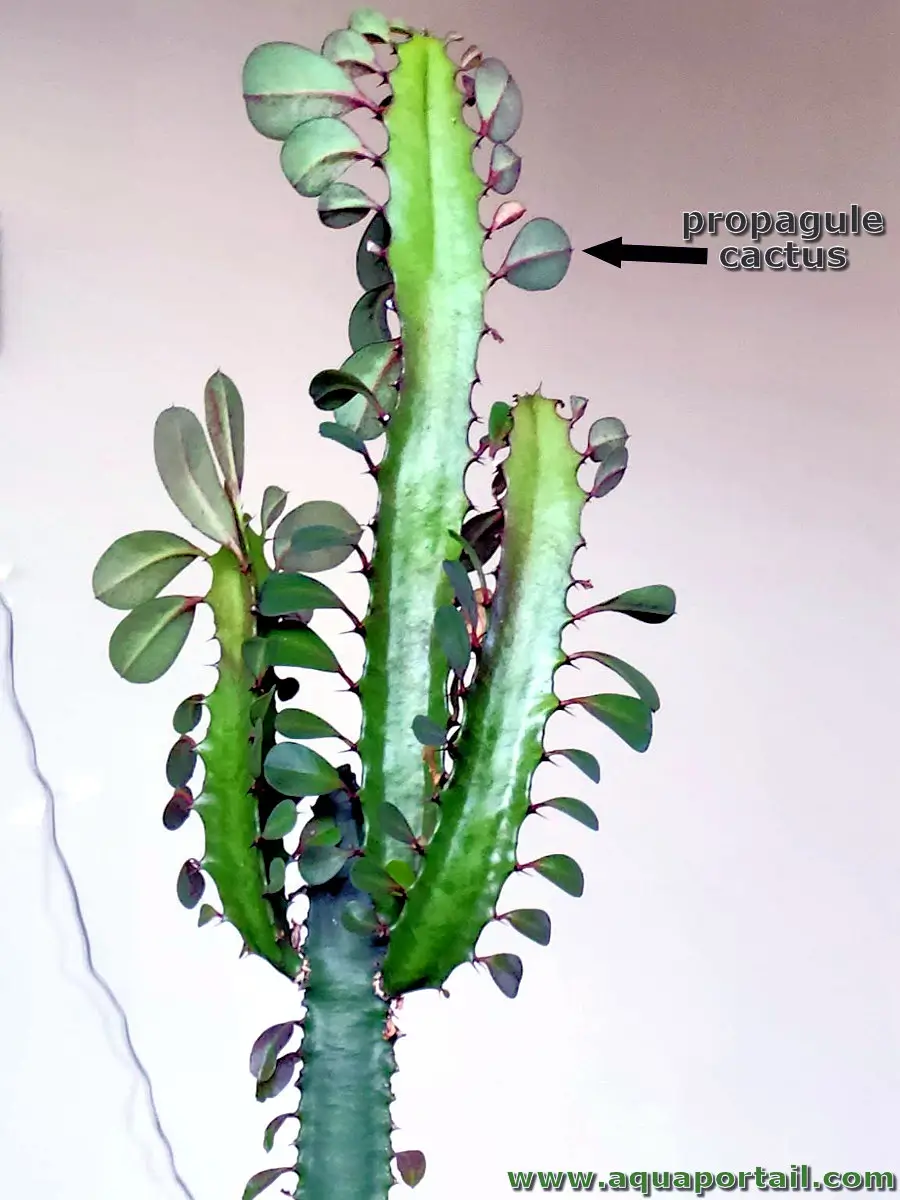
cacti multiply by shedding propagules that can detach and take root.
In bryophytes and sponges, a propagule is a small multicellular mass that, once dispersed, gives rise to a new individual. In bryophytes, propagules may originate within specialized structures called gemma cups.
In botany, a soredium refers to a cluster of propagules found on the thallus surface of certain lichens, where these reproductive bodies accumulate as powdery patches resembling small pustules.
In the plant kingdom, alongside seeds (sexual reproduction), vegetative structures form the basis of asexual reproduction or vegetative propagation, yielding new individualized plants and organs. The tissues of the detached portion must revert to a meristematic state to regenerate all plant organs.
It is also the minimum fraction of a population capable of colonizing a new habitat. Propagules are studied scientifically in chorology. Certain propagules of non-native species can become invasive when they do not originate from an indigenous plant.
Types of propagules
The main forms of vegetative propagules are:
- stolons: stems that, after growing extensively, touch the ground and take root, giving rise to a new plant (examples include strawberries and many grasses)
- rhizomes: underground stems that elongate horizontally and, once divided, give rise to new plants (typical of lilies)
- tubers: more or less spherical portions of underground stems rich in nutrients, on whose surface buds (eyes) develop that can give rise to a new plant (examples include potatoes and Cyperus species such as yellow nutsedge or chufa Cyperus esculentus)
- bulbs: short, conical stems with a large terminal bud surrounded by numerous fleshy storage leaves, in whose axils daughter bulbs (offsets) form and detach to give rise to a new plant (examples include onions and tulips).
Dispersal and dissemination
Propagule dispersal or seed dissemination relies on diverse strategies linked to the physical vectors plants use for transport. Several mechanisms promote the territorial expansion of propagules, notably anemochory (dispersal by wind) and zoochory (dispersal by animals, including humans via hemerochory, birds via ornithochory or avichory, reptiles via saurochory, etc.), encompassing forms such as ectozoochory (epizoochory, exozoochory) and endozoochory (including myrmecochory).
Synonyms, antonyms
Spanish translation: propágulo
6 synonyms (similar meaning) for "propagule":
0 antonyms (opposite meaning).
Related words and expressions to PROPAGULE are directly connected by general or specific meaning.
The word PROPAGULE is listed on page 1 of words starting with P in the dictionary glossary.
Related to "propagule"
bud
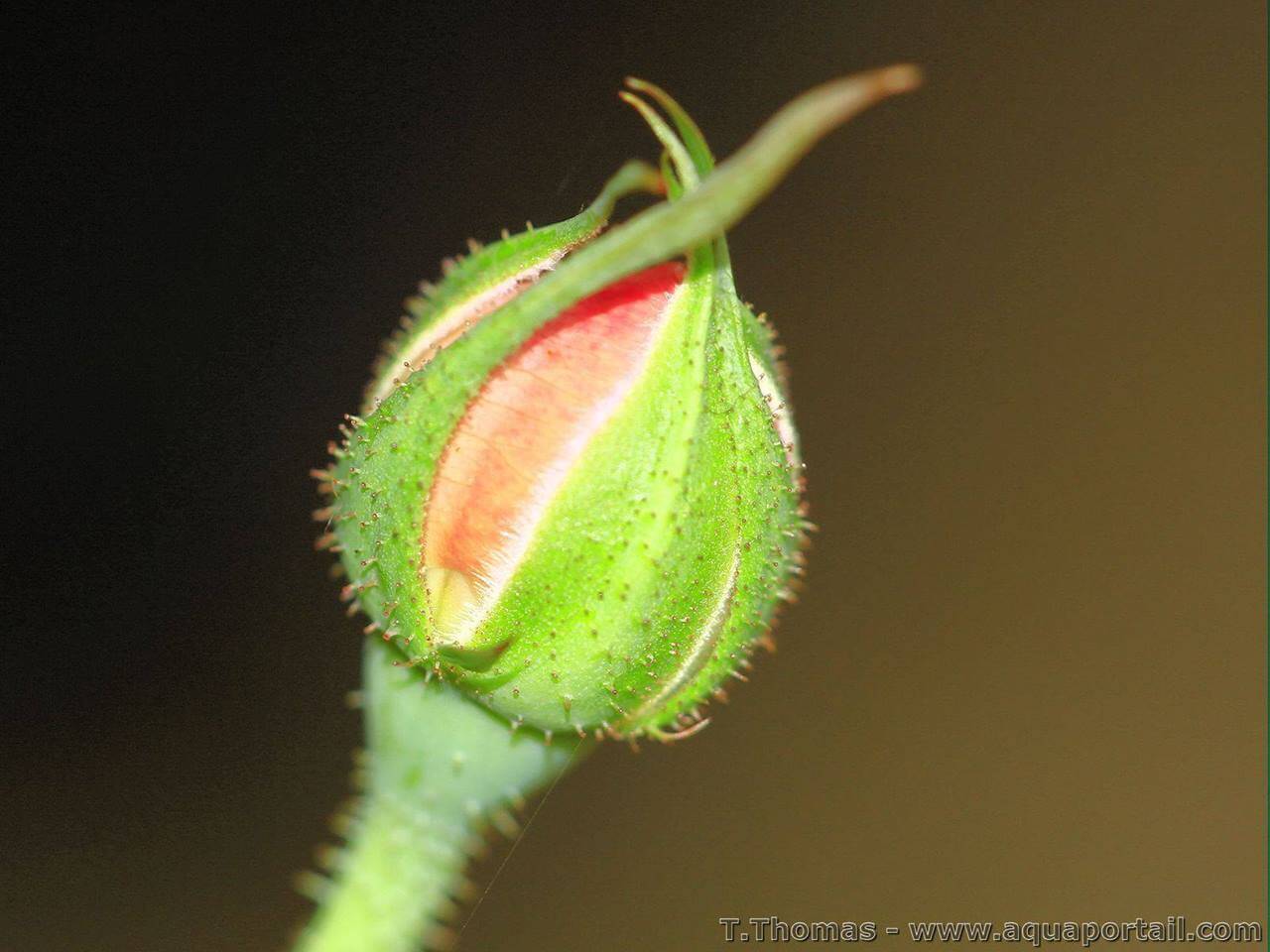
A bud is an embryonic development of an organ or an outgrowth-shaped structure. In botany, a bud is a plant organ composed of woody, foliar, or floral...
seed

A seed is a unit dispersal structure containing an embryo and storage reserves, protected by one or more seed coats.
spore

A spore is a haploid reproductive cell that gives rise to a new individual without sexual fusion in organisms with alternation of generations.
aplanospore

An aplanospore is a non-swimming spore (as opposed to a planospore or a zoospore). Such spores lack flagella but may possess features of swimming cells such...
Simple summary
A propagule is any germ, part, or structure of an organism (plant, fungus, or bacterium), produced sexually or asexually, capable of developing independently to give rise to a new organism identical to the one that formed it.
