Unicellular
adjective (adj.)
Definition
A unicellular organism is a microorganism with all its vital functions contained within a single cell. Unicellular living beings are prokaryotes or eukaryotes: protozoa (paramecia, amoebae), bacteria (archaea), fungi (yeasts), microalgae, protists, etc.
A unicellular protist:
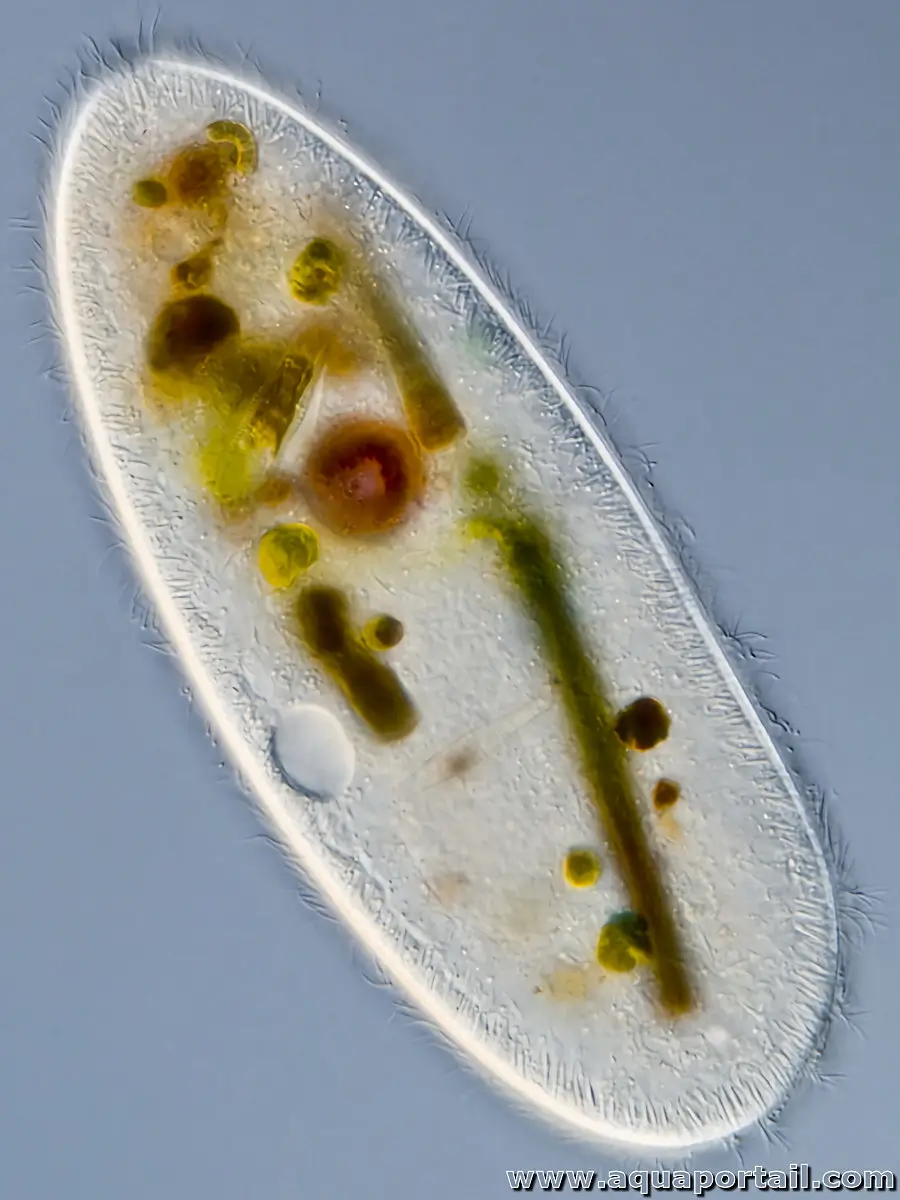
A unicellular organism relies on a single cell for all its functions. There are many types of unicellular organisms around the world, notably protists that feed primarily on diatoms, amoebae, bacteria, and algae.
Explanations
A unicellular being characterizes an organism composed of a single cell, such as yeasts, bacteria, archaea, protists, and protozoa. Unlike a multicellular organism, a unicellular organism consists of just one cell.
"Unicellular organisms" are generally microscopic, though some are visible to the naked eye, such as foraminifera, acetabularias, certain chlorophytes like Ventricaria ventricosa, and certain amoebae...
✅ Unicellular organisms represent the vast majority of living beings populating Earth.
A unicellular alga:

Algae of Porphyridiophyceae are unicellular. Most unicellular organisms are prokaryotic, such as bacteria, while some unicellular organisms are eukaryotic, such as protozoa.
Unicellular organisms are considered more primitive than multicellular ones due to their lower complexity. Unicellular organisms are composed of a single cell, whereas multicellular organisms are composed of many specialized cells working together in specific functions. For example, paramecia are slipper-shaped unicellular organisms living in pond water. They feed from their environment, digest nutrients in their digestive vacuoles, and distribute them throughout the cytoplasm to carry out cellular functions and ensure the organism's survival.
Unicellular organisms are divided into prokaryotes and eukaryotes (protists). Unicellular organisms that are not classified as animals, plants, or fungi belong to the kingdom Protista.
Unicellular organisms are present in four of the six kingdoms of life; in fact, all organisms belonging to bacteria and archaea (archaebacteria) are unicellular, as well as certain species of fungi, whereas among Protists, both unicellular and multicellular forms exist.
Reproduction in unicellular organisms is organized according to 4 main patterns:
- by binary fission or division, when the parent cell splits into two daughter cells; both are identical to the starting cell
- by gemmiparity or budding, when the parent cell forms a "bud", which detaches to form the daughter cell
- by conjugation, when two cells temporarily come together and one behaves like a male, donating chromosomal material to the other, which acts like a female. An example is bacterial conjugation (or genetic conjugation)
- by copulation or sexual reproduction, when two cells, as in the previous case, unite regularly, giving rise to a zygote
The division into single-celled and multi-celled is purely descriptive and provides no information on degree of relatedness, lifestyle, or internal structure and metabolic processes.
Circulation in unicellular organisms is carried out by the movement of the cell's cytoplasm, known as cyclosis.
A bacterium is the classic example of a unicellular organism:

Bacteria are unicellular, consisting of a single cell for the most part.
Unicellular organisms are thought to be the oldest form of life, having existed for perhaps 3.8 billion years. The first unicellular organisms were discovered in 1674 by Antonie van Leeuwenhoek.
For proteins, see single-cell proteins.
Synonyms, antonyms
Spanish translation: unicelular
2 synonyms (similar meaning) for "unicellular":
2 antonyms (opposite meaning):
- multicellular
- pluricellular
Related words and expressions to UNICELLULAR are directly connected by general or specific meaning.
The word UNICELLULAR is listed on page 1 of words starting with U in the dictionary glossary.
Related to "unicellular"
bacterium

A bacterium is a unicellular prokaryotic microorganism, primarily round, spiral, or rod-shaped, that generally lives in soil, water, organic matter...
endocellular
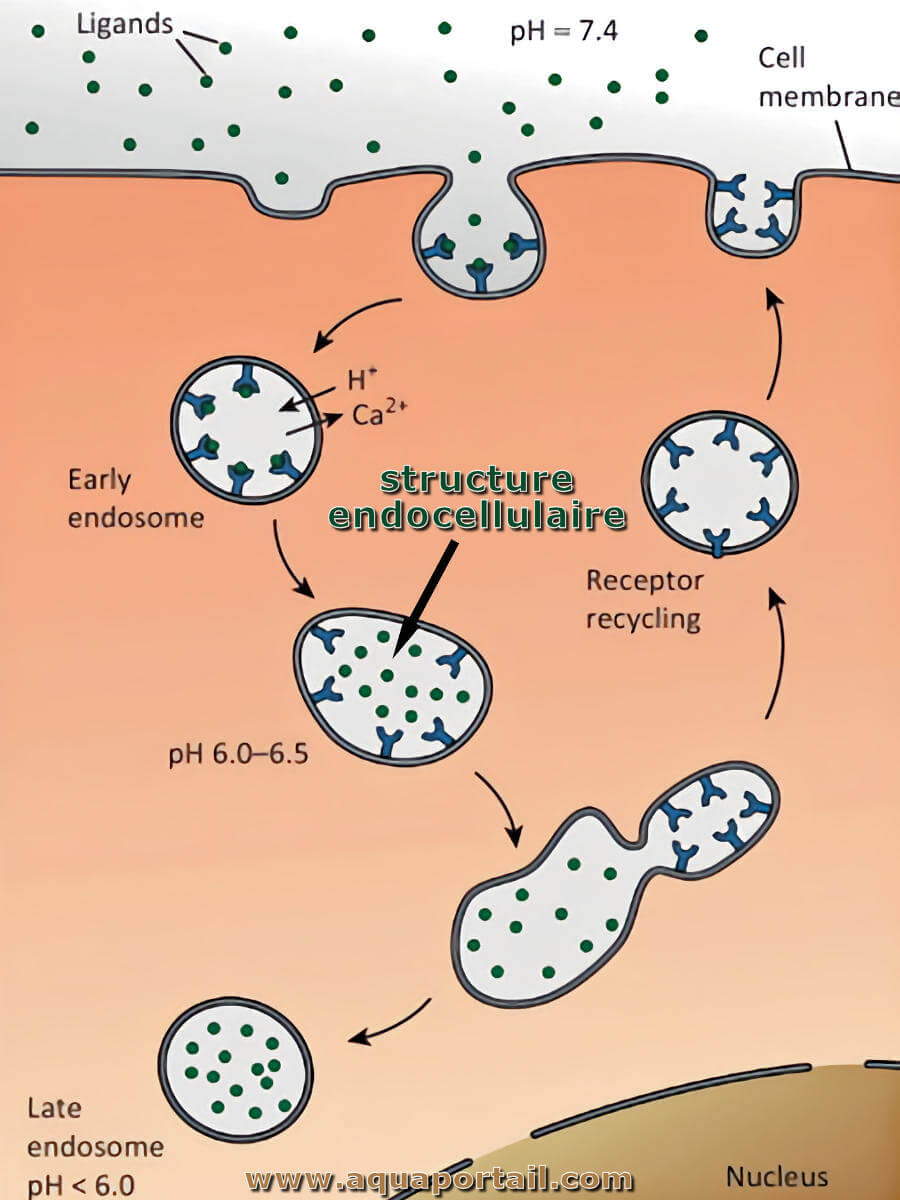
Any structure enclosed within an intracellular membrane system inside a cell is termed endocellular.
extracellular

In cell biology, extracellular indicates the exterior, or outside, of a cell's plasma membrane.
intracellular
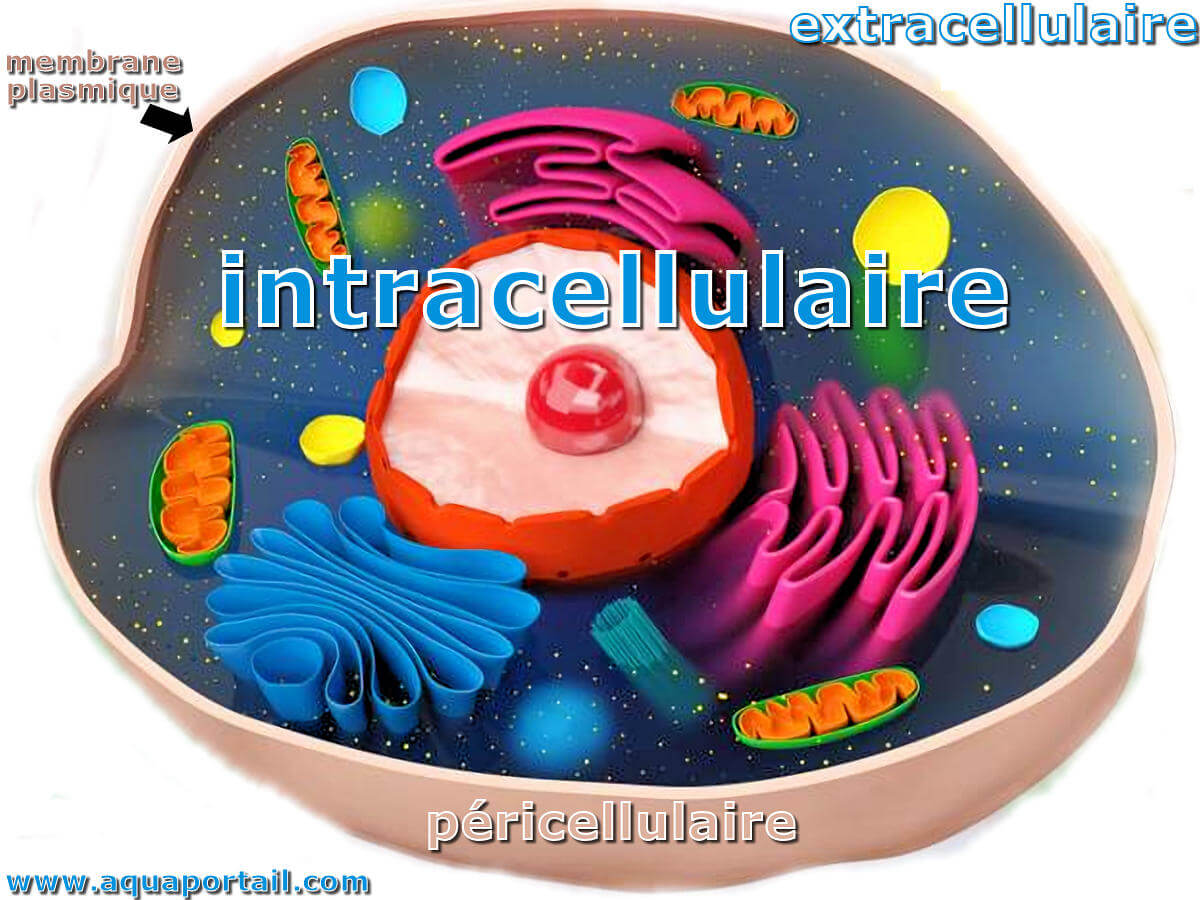
Intracellular describes anything located or occurring inside a cell, as opposed to extracellular (outside).
Simple summary
Unicellular refers to organisms made up of a single cell. These organisms carry out all necessary life functions within that single cell. Examples of unicellular organisms include bacteria, archaea, and many types of protists. Despite their simplicity, unicellular organisms are capable of performing complex processes such as movement, reproduction, and energy acquisition.
