Unifoliate
adjective (adj.)
Definition
A unifoliate (or unifoliolate) plant bears compound leaves reduced to a single leaflet attached at the tip of the petiole. Citrus trees are classic examples of unifoliolate plants, which are also sometimes referred to as monophyllous.
Leaf organization, including unifoliate:

If 1 leaf with a single leaflet is attached, the plant is unifoliate; if 2 leaflets are attached, it is bifoliate; if 3 leaflets are attached, it is trifoliate, etc.
Explanations
Unifoliate (or unifoliolate) refers to plants bearing a single blade articulated at the apex of the petiole. Morphologically, this structure represents a single leaflet (with a distinct joint at the base of the blade) lacking an axillary bud at its base, unlike a true simple leaf.
Because there is only one leaflet per leaf, the plant is termed unifoliolate (or unifoliate); if two leaflets arise per petiole, it is bifoliolate (bifoliate).
Unifoliate distinguishes this arrangement from multi-leaflet or multi-leaved configurations regardless of phyllotaxy: alternate, opposite, bifoliate, multifoliate, palmate, whorled, or rosette.
For example, in orchid cultivation, members of the genus Cattleya are divided into unifoliate and bifoliate species based on the number of leaves borne atop each pseudobulb.
pinnation is generally not evident in a unifoliolate leaf.
⭐ In French, l'Unifolié is also the nickname of the national flag of Canada featuring a single maple leaf.
Synonyms, antonyms
Spanish translation: unifoliado
2 synonyms (similar meaning) for "unifoliate":
3 antonyms (opposite meaning):
- bifoliate
- multifoliate
- trifoliate
Related words and expressions to UNIFOLIATE are directly connected by general or specific meaning.
The word UNIFOLIATE is listed on page 1 of words starting with U in the dictionary glossary.
Related to "unifoliate"
ciliate
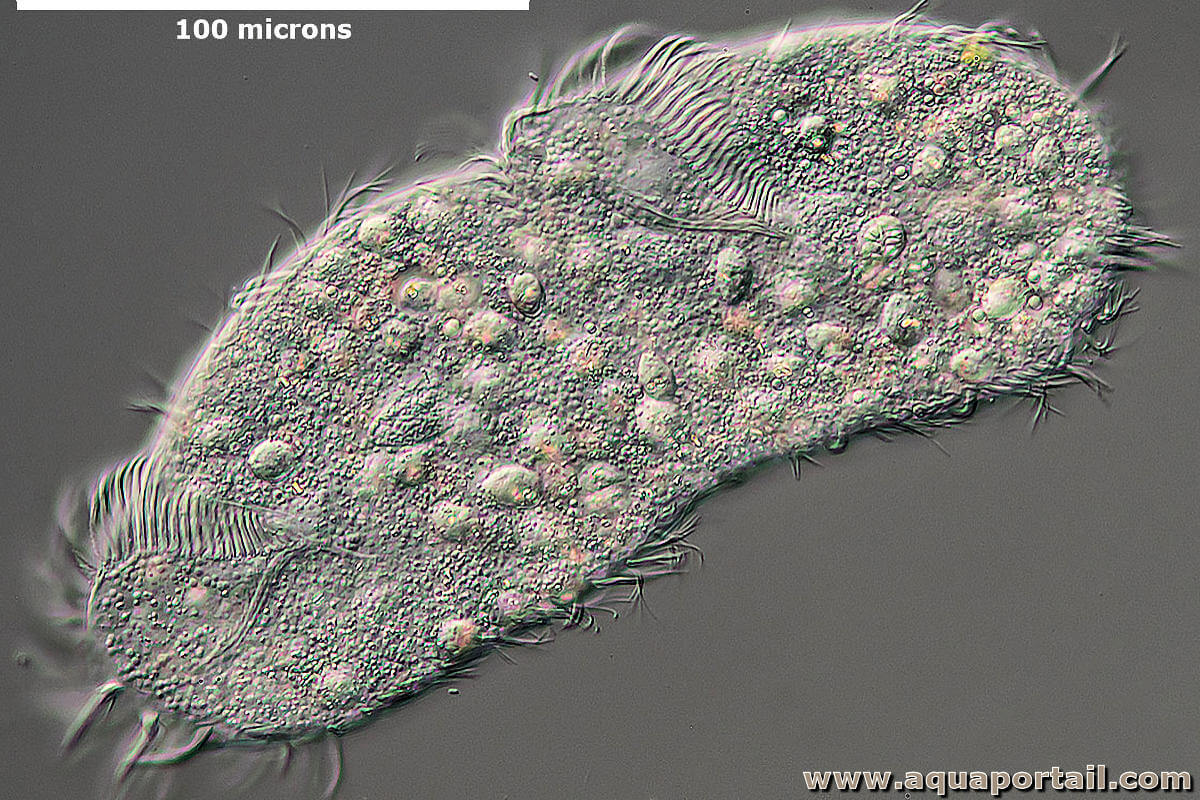
Ciliates of the phylum Ciliophora (or Ciliata) are unicellular eukaryotic aquatic protozoans characterized by abundant hair-like organelles called cilia...
umami

Umami is one of the five basic tastes sensed by humans, alongside sour, sweet, bitter, and salty.
underground
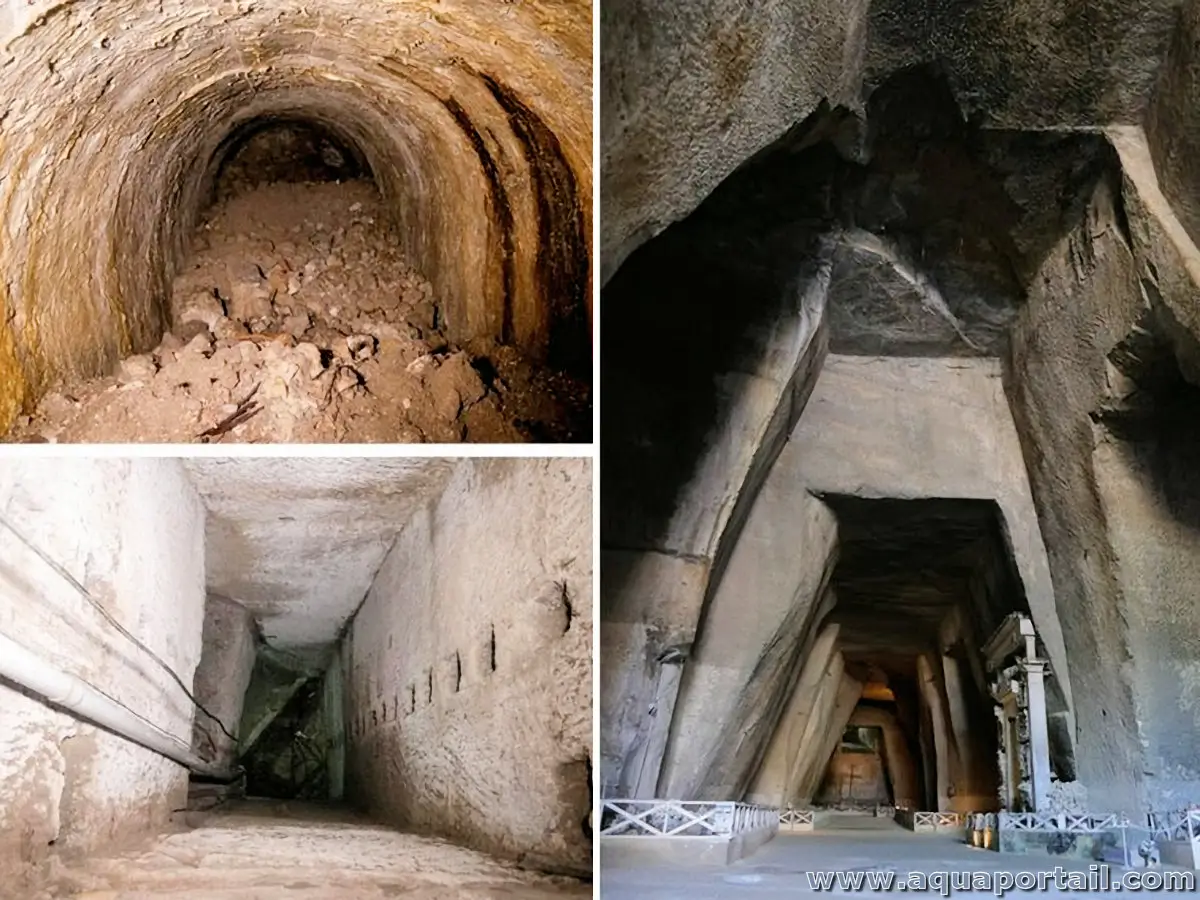
An underground passage (or subterranean structure) is a more or less horizontal structure beneath the ground, below the soil surface, built by humans.
undernourishment
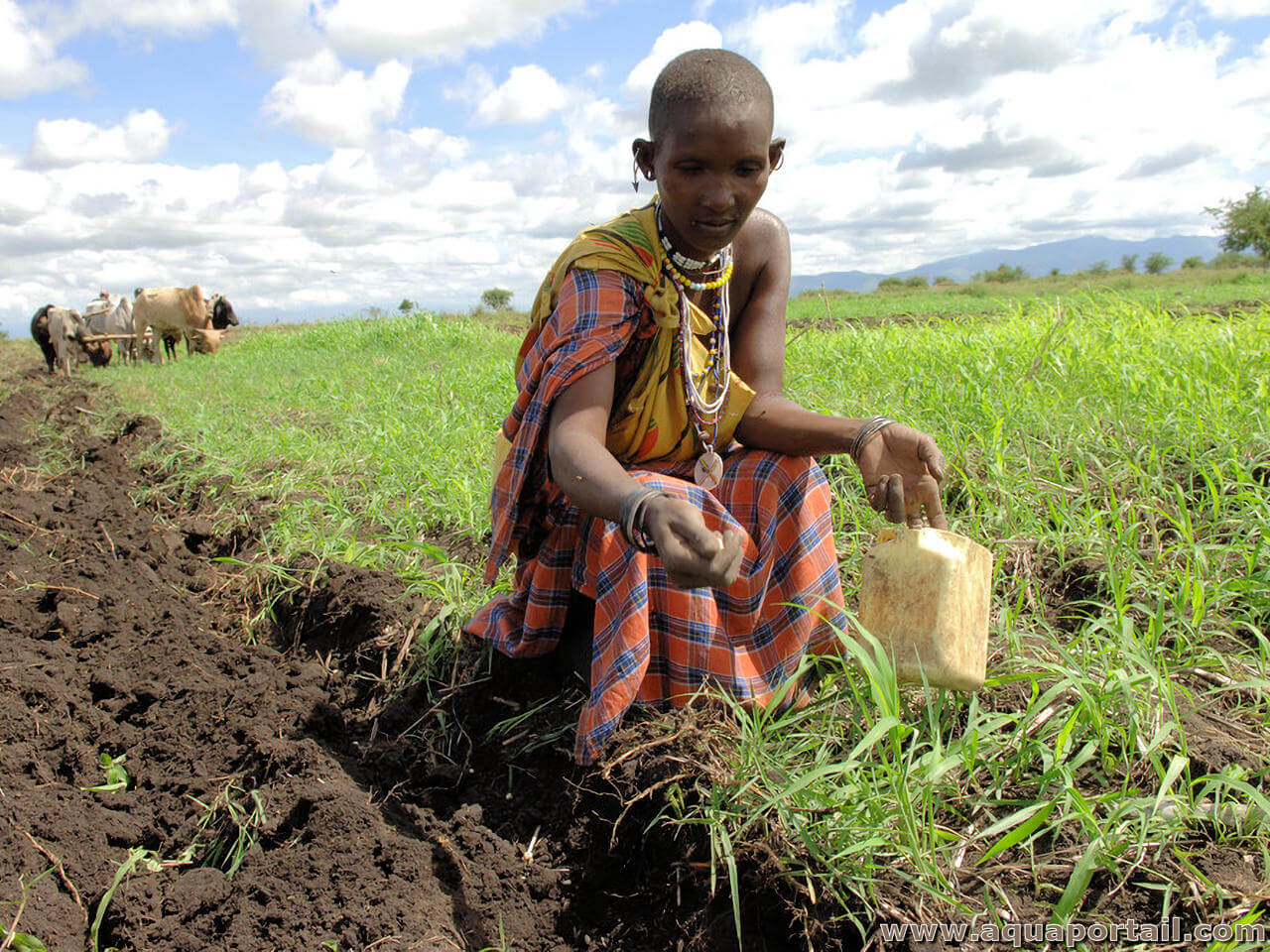
Undernourishment is malnutrition due to insufficient intake, constituting undernutrition in most cases.
