Proplastid
noun (n.)
Definition
A proplastid is an undifferentiated plastid from which a more specialized plastid is formed. This small, colorless organelle gives rise to other plastids through division and differentiation.
The proplastid at the origin of plastids:
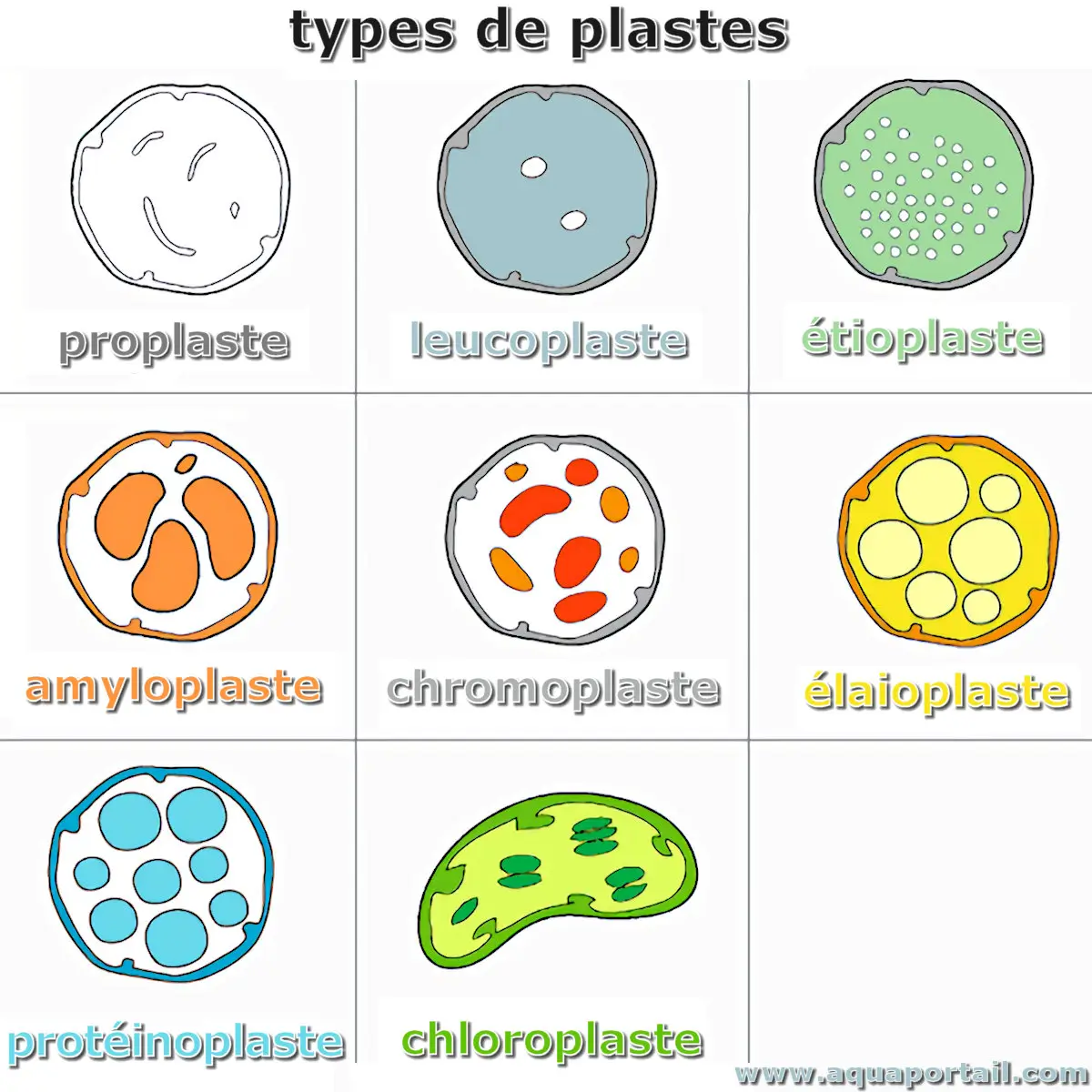
Proplastids are juvenile plastids, semi-autonomous organelles equipped with histone-free circular DNA and 70S ribosomes. They subsequently develop an internal membrane system (thylakoids, grana, stroma lamellae, and pigments) within the stroma (DNA, proteins, ribosomes).
Explanations
The proplastid is an undifferentiated organelle serving as the precursor to plastids in meristematic cells.
In biology, proplastids are colorless organelles located in meristematic cells, comparable in size to a small mitochondrion. This small colorless organelle can give rise to a specialized plastid (chloroplast, chromoplast, gerontoplast, leucoplast, etc.).
This tiny cytoplasmic body can, among other pathways, develop in the dark into an etioplast and subsequently differentiate into a chloroplast upon exposure to light. A chloroplast undergoing senescence becomes a gerontoplast.
Proplastids differentiate into chromoplasts, chloroplasts, and leucoplasts. They also differentiate into etioplasts, a reversible stage toward chloroplasts.
Description
A proplastid is an organelle found in the meristematic regions of a plant. It is colorless and small, and serves as the origin of all plastids. Still poorly developed, it can divide to produce additional proplastids. As the cell containing proplastids matures, the proplastids transform and develop into plastids with specialized functions.
Variable functions
Plastids are organelles that assume different forms according to their function. Plastids containing chlorophyll (green pigment) are called chloroplasts; they impart a green color to plant parts and are involved in photosynthesis.
Those containing other pigments are called chromoplasts. They are involved in the synthesis and storage of pigments such as carotene and xanthophylls, and abound in fruits, flowers, and roots.
A plastid lacking pigments is called a leucoplast and is used primarily for nutrient storage. A leucoplast may be an amyloplast storing starch, an elaioplast storing fats, or a proteinoplast storing proteins. Tannosomes are also leucoplasts and participate in the synthesis of tannins and polyphenols.
✅ Like mitochondria, plastids possess their own DNA and ribosomes. Consequently, they can be used in phylogenetic studies.
Synonyms, antonyms
Spanish translation: proplasto
6 synonyms (similar meaning) for "proplastid":
2 antonyms (opposite meaning):
Related words and expressions to PROPLASTID are directly connected by general or specific meaning.
The word PROPLASTID is listed on page 1 of words starting with P in the dictionary glossary.
Related to "proplastid"
leucoplast

A leucoplast is a plastid lacking photosynthetic pigments and involved in various biosynthetic functions.
amyloplast
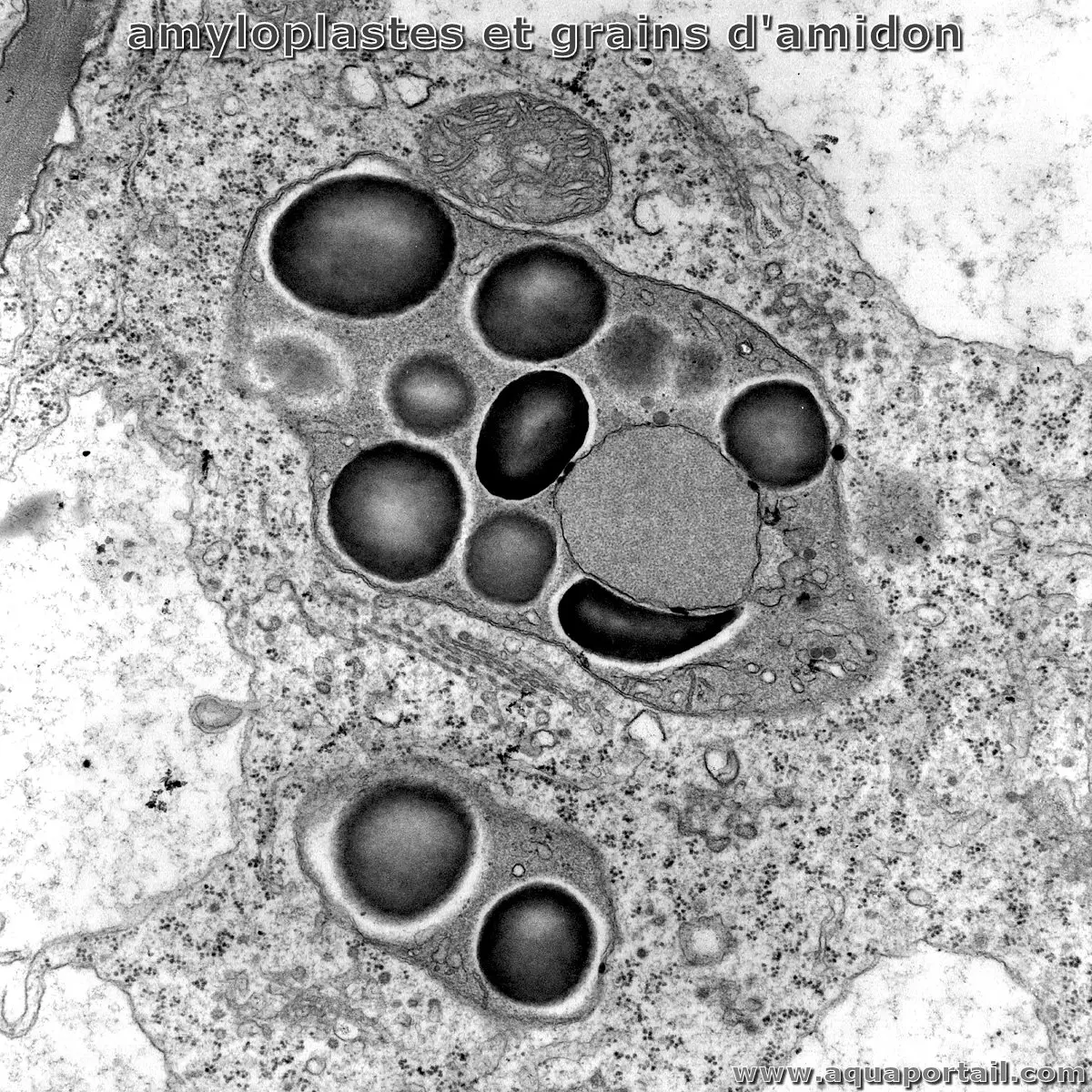
An amyloplast is a colorless plastid that accumulates starch, widespread in the plant kingdom.
archaeoplastid
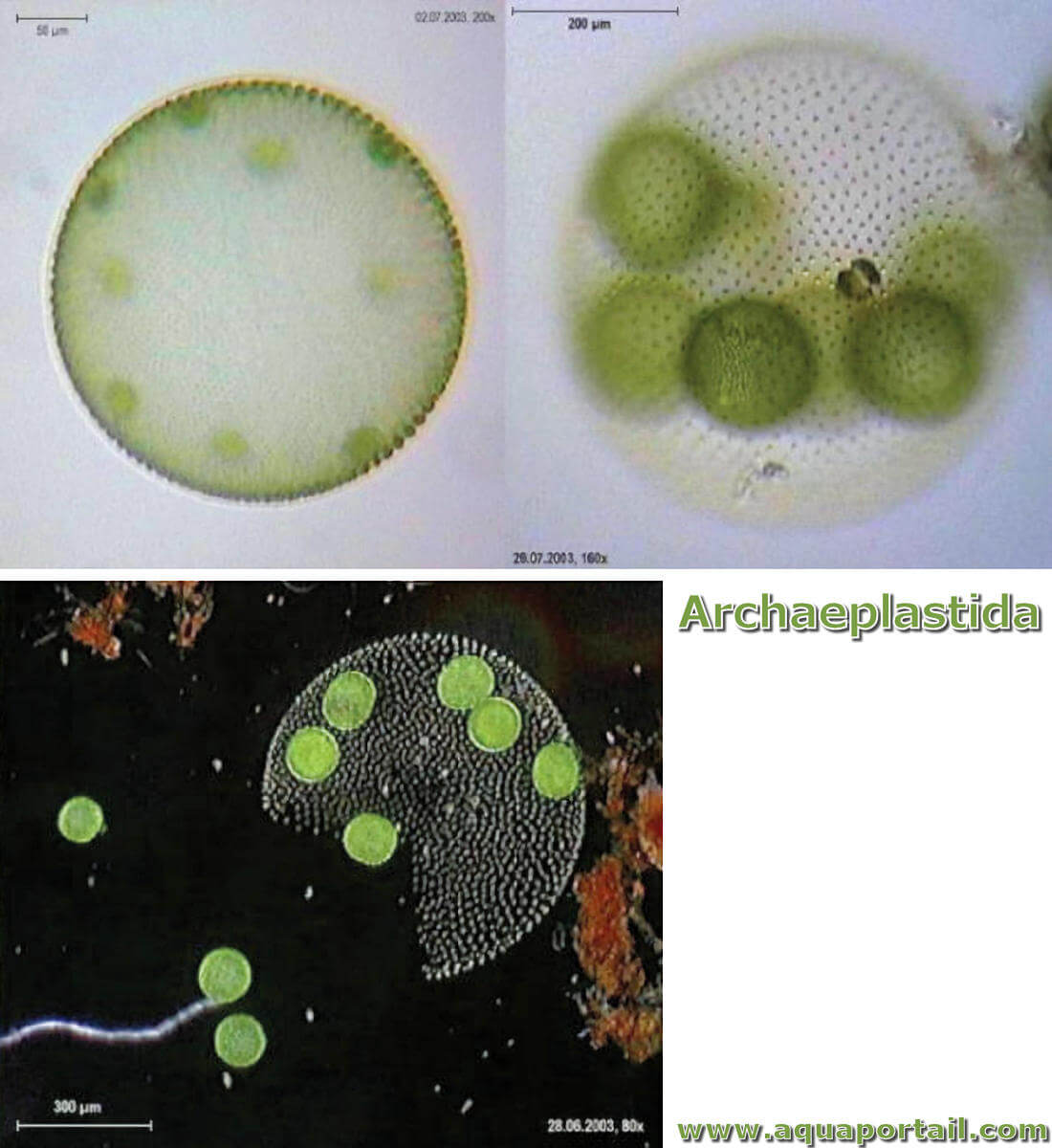
Any plastidome comprising only a single plastid within a cell or syncytium is termed archaeoplastid.
P680-P700
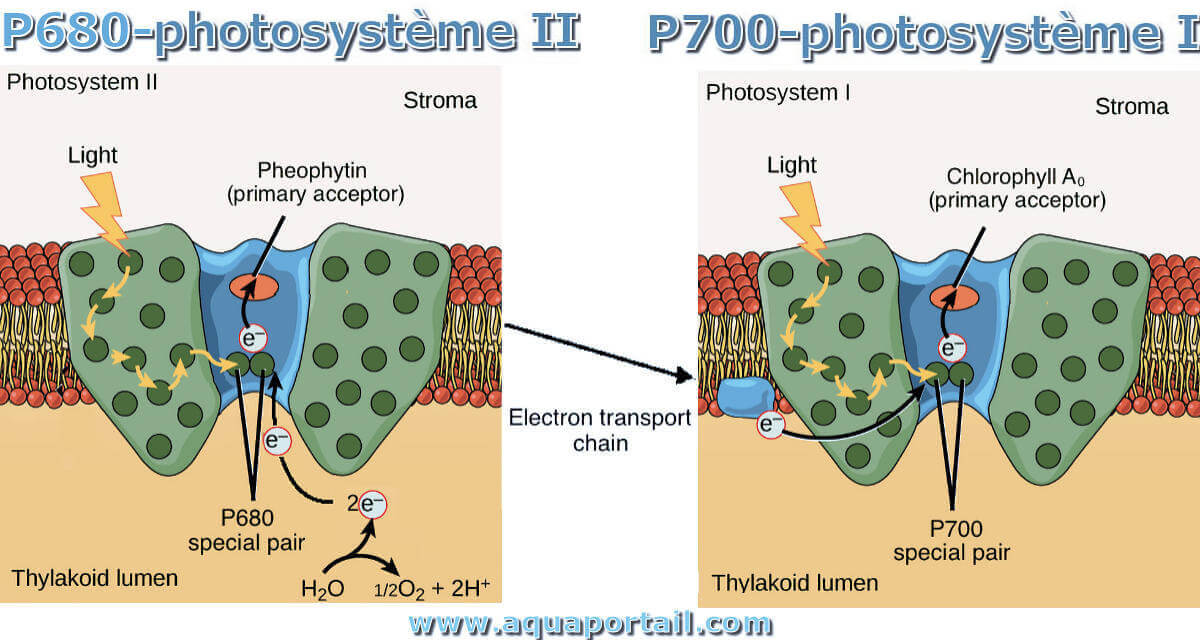
P680-P700 is an association of chlorophyll a molecules absorbing at 680 nm and 700 nm, respectively, possessing particular photochemical properties.
