Carotene
noun (n.)
Definition
Carotene denotes a terpene pigment, distinct from xanthophylls, ranging from red and orange to yellow, notably found in carrots. It is a natural colorant belonging to the terpenes with the molecular formula C40H56, occurring in many plants, particularly in colorful fruits, roots, and leaves. Carotenes are secondary plant metabolites belonging to the isoprenoid carotenoids and serve as precursors of vitamin A in animals.Carrots are orange-red because of carotenes:

It is alpha- and beta-carotene that give carrots their vivid reddish-orange color.
What does carotene mean?
Chemically, carotenes are tetraterpenes in which one or two ionone rings are linked by a carbon chain containing nine double bonds. They are clearly distinguished from xanthophylls, which, in addition to carbon and hydrogen, also contain oxygen.
Carotene is also a more or less red pigment contained in the plastids of algae, participating in photosynthesis (as a light-energy harvester), and sometimes accumulating in the cytoplasm as well.
Carotene is likewise considered a yellow-to-red pigment of the carotenoid group present in all plants. Carotenes participate in photon capture within the photosystems of the photosynthetic chain.
Comparison of beta-carotene and lycopene:

The molecular formula of carotene is C40Hx. In fact, beta-carotene and lycopene differ only in their molecular arrangement.
Description
Carotenes are nonpolar and therefore fat-soluble, which is why they can only be absorbed by the human body together with at least a small amount of fat. Carotenes occur in many variants, with over 600 known to date. They all share a similar core structure with different end groups. The best-known carotene is β-carotene, from which the entire group of carotenes takes its name. It is the most important dietary precursor of vitamin A and is therefore called provitamin A. In addition to β-carotene, α- and γ-carotenes and β-cryptoxanthin can also be converted into vitamin A. However, individual forms such as β-carotene also exert effects independent of vitamin A. In plants, carotenes play a role in photosynthesis and protect against the harmful effects of UV radiation. Formed in plant roots, they provide protection against infections.
Humans absorb large amounts of α- and β-carotene, α- and β-cryptoxanthin, and lycopene. The functions and effects of carotenes in the human body are increasingly understood, though somewhat controversial. For example, recent studies cast doubt on their anticancer effect; however, a general cytoprotective role as antioxidants can certainly be attributed to them.
IUPAC recommends a specific nomenclature for carotenes. Thus, carotene is named according to its end groups and designated with β, ε (containing ionone rings), and ψ (open chain). Accordingly, α-carotene is β,ε-carotene, β-carotene is β,β-carotene, and γ-carotene is β,ψ-carotene under IUPAC nomenclature.
Natural occurrence
α-carotene (alpha-carotene) together with β-carotene provides the pigment of carrots, and together with lycopene gives tomatoes their red color. Yellow-to-red pigments in spinach, lettuce, oranges, beans, broccoli, and bell peppers are also carotenes.
β-carotene (beta-carotene) is the most important precursor of retinol (vitamin A) and is therefore also called provitamin A. The richest sources of beta-carotene are kale, dark-yellow to orange fruits and vegetables, and dark-green leafy vegetables. Kale, with 8.68 mg of β-carotene per 100 g (3.5 oz), has the highest beta-carotene content of all foods.
Some examples:
- yellow to orange vegetables: carrots, sweet potatoes, pumpkins
- yellow to orange fruits: persimmons, apricots, papayas, mangoes, nectarines, peaches, pears, sea buckthorn
- dark-green vegetables: kale, spinach, broccoli, endive, chicory, watercress, arugula, beet or dandelion greens, high content in meadow sorrel leaves (0.15%) and purslane (0.45%)
- other potential sources of β-carotene include: tomatoes, asparagus, peas, cabbage, corn, sour cherries, prunes.
Analytical quality
For reliable qualitative and quantitative determination of carotenes in human blood/plasma samples, coupling HPLC with mass spectrometry is suitable following appropriate sample preparation.
This analytical technique is also suitable, after specific sample preparation, for determining carotenes in plant material. The methodology can likewise be applied to oil analysis.
Food coloring
Plant-extracted or synthetic beta-carotene is used as a food coloring (E 160 or E 160a, see food additive) and as an ingredient in vitamin supplements. Beta-carotene is added to many foods such as butter, margarines, confectionery, dairy products, and soft drinks, sometimes in substantial quantities, to give consumers the expected product appearance (color). Without it, margarines, for example, would appear white to light gray.
Absorption in the human intestine
Bioavailability of β-carotene is lower than that of preformed vitamin A. Roughly six times more β-carotene must be consumed to supply the body with the same amount of vitamin A. Both substances can be freely combined. For nutrition, a daily intake of 0.8 to 1.1 mg of vitamin A is generally recommended for healthy adults.
Health aspects
Unlike preformed vitamin A, hypervitaminosis does not occur in humans following excessive intake of carotenes with provitamin A activity.
This is due to the low absorption rate of carotenes (20–35% for β-carotene) as well as limited enzymatic conversion into vitamin A. Enzyme-regulated conversion into vitamin A depends on β-carotene and protein intake levels, vitamin E status, and concurrent fat consumption. Vitamin A status also plays a major role: the higher the body's vitamin A stores, the lower the enzymatic conversion activity.
Humans transport a large fraction of ingested carotenoids unchanged, whereas rats convert carotenoids almost completely. Carotenoids are present in various human organs, with the highest concentrations found in the liver, adrenal glands, testes, and corpus luteum. kidneys, lungs, muscles, heart, brain, and skin contain lower carotenoid levels.
An excess of carotenoids resulting from prolonged high intake becomes visually noticeable in humans as a yellowing of the skin ("carotenodermia", "carrot icterus"). The first areas affected are the nasolabial folds, palms of the hands, and soles of the feet. The yellowing resolves once excess intake is discontinued.
Teratogenic effects of β-carotene are unknown. Even high daily doses (20–30 mg) or a long-term carotenoid-rich diet are not associated with toxicity.
However, multi-year β-carotene supplementation is thought to increase the risk of lung cancer in smokers and heavy drinkers, as well as colon cancer. For instance, in an Australian study published in the Journal of the National Cancer Institute on May 21, 2003, investigating sunscreen effects, smokers and individuals consuming more than one alcoholic drink per day consistently exhibited twice as many adenomas of the large intestine (precursors of colorectal cancer).
Non-smokers and non-drinkers instead showed a 44% risk reduction. The American Cancer Society calls for warning labels on products containing β-carotene to alert smokers to a potentially increased risk of lung cancer.
Regulations only partially reflect the findings and conclusions of the aforementioned study. Since then, all medications containing beta-carotene must carry a warning regarding an increased risk of lung cancer in smokers.
Furthermore, medications containing more than 20 mg of β-carotene should no longer be prescribed to smokers. Studies indicate no hazard from consuming whole foods containing natural carotene; however, the proportion of β-carotene in natural foods and juices is typically substantially lower than in artificially fortified products.
In the so-called CARET study, the effect of daily supplementation with 30 mg of β-carotene plus 25,000 IU of retinyl palmitate on cancer incidence and mortality risk was investigated in the 1990s. The trial enrolled 18,314 participants at elevated lung cancer risk due to a long history of smoking or occupational asbestos exposure.
Researchers found that this supplementation regimen, in addition to increasing lung cancer risk, also increased mortality from cardiovascular disease.
Synonyms, antonyms
Spanish translation: caroteno
2 synonyms (similar meaning) for "carotene":
0 antonyms (opposite meaning).
Related words and expressions to CAROTENE are directly connected by general or specific meaning.
The word CAROTENE is listed on page 1 of words starting with C in the dictionary glossary.
Related to "carotene"
carotenoid
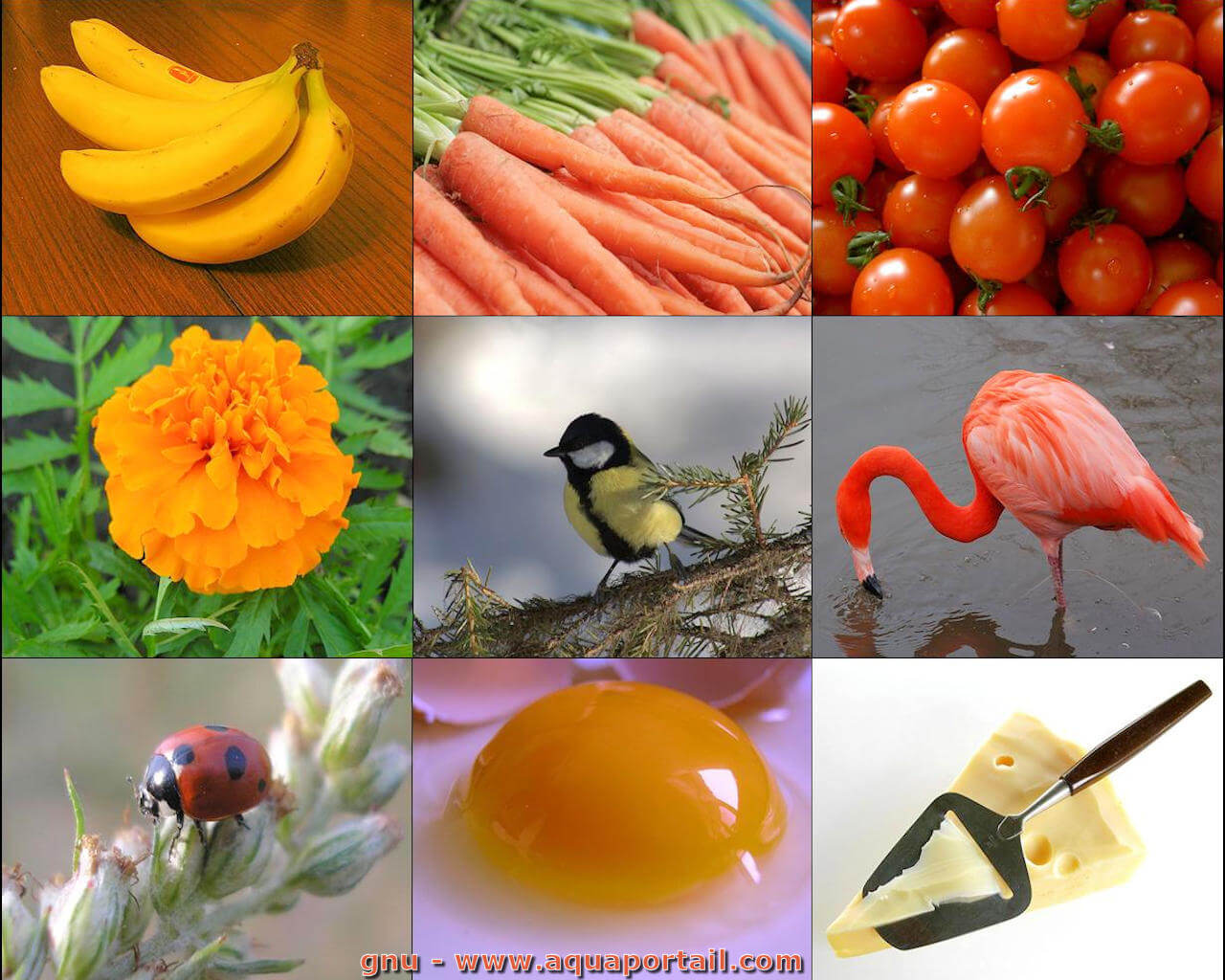
A carotenoid is a red-to-yellow pigment, including carotene, which imparts color to plant parts such as ripe tomatoes and autumn leaves.
dictyotene
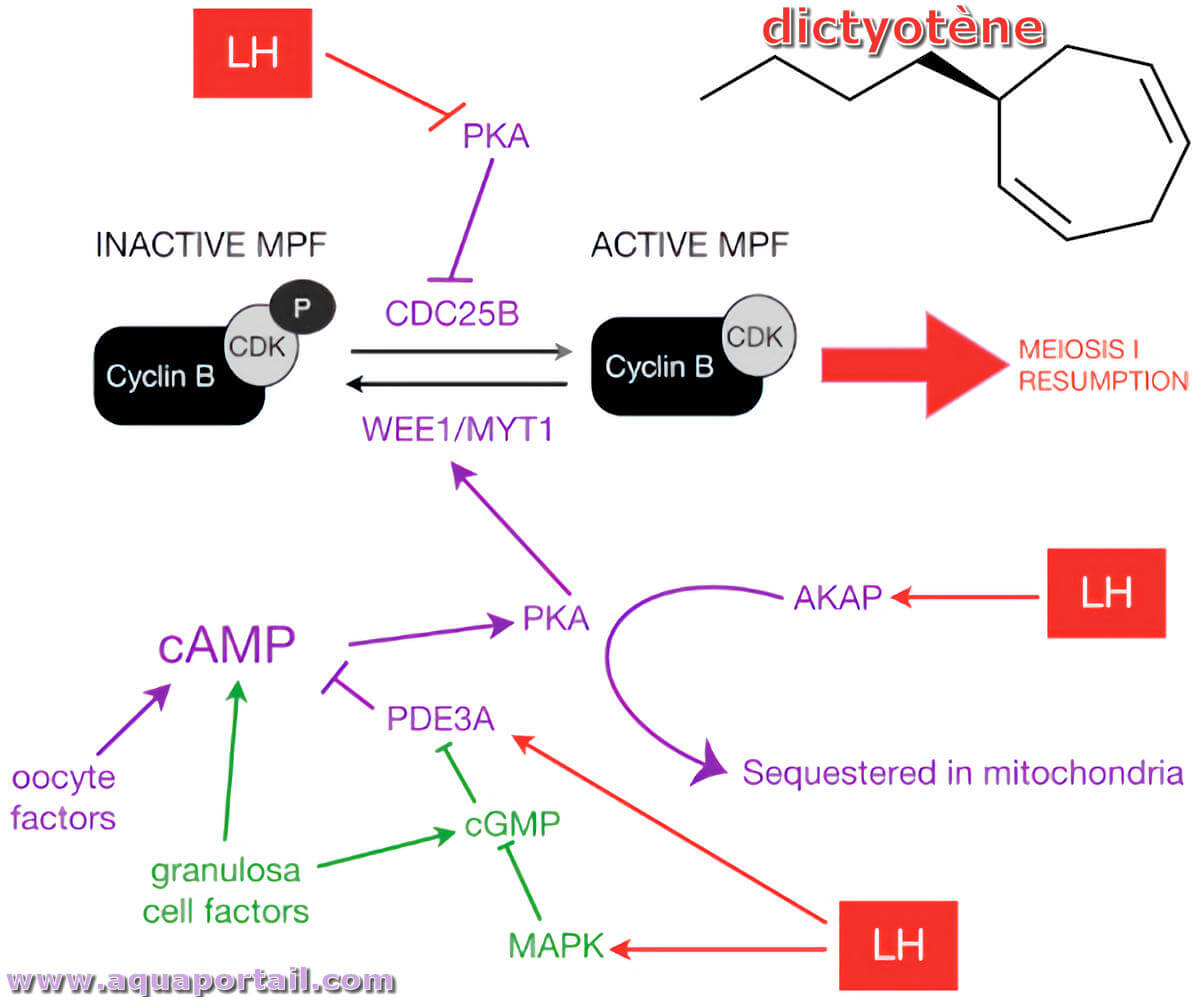
Dictyotene is a prolonged resting phase during female gametogenesis (oogenesis) that takes place during prophase I of meiotic division.
cactus

A cactus is a thick, fleshy plant that grows in many hot, dry regions of the world. Cacti do not have leaves, and many are covered with spines.
caecilian

A caecilian (gymnophione) is a limbless, burrowing, worm-like amphibian whose legs are vestigial or absent.
