Diet
noun (n.)
Definition
Diet refers to the sum of food and nutrients consumed by an organism to meet its nutritional or medicinal needs for vital functions, notably growth, movement, reproduction, and maintaining body temperature.A healthy diet :

A healthy diet avoids excessive consumption of fatty and/or sugary foods. Eating is the activity of taking in food, the substance consumed.
Explanations
A diet consists of the foods and substances an organism regularly consumes to meet its nutritional requirements, primarily to obtain energy and grow.
Diet, whether supported by autotrophic or heterotrophic mechanisms, must not be confused with nutrition, since nutrition occurs at the cellular and metabolic level whereas diet designates the food intake itself.
Biological approach
Animals and other heterotrophs rely on specific diets to survive, such as carnivores, which eat other animals, herbivores, which eat plants, omnivores, which consume both plants and animals, or detritivores, which feed on detritus.
Fungi perform external digestion of their food, secreting enzymes and then absorbing the dissolved molecules resulting from digestion, unlike animals, which carry out internal digestion.
The chemical reactions necessary for life depend on nutrient intake. In higher organisms, these nutrients are synthesized via photosynthesis (plants) or derived from organic compounds (animals and fungi).
Other energy sources exist for microorganisms: for example, certain archaea obtain energy by producing methane or through the oxidation of hydrogen sulfide or sulfur.
In case of dietary deficiency, undernutrition may occur, and in case of excess, overconsumption may lead to overweight and obesity. See also proximate analysis.
In physiology, diet is distinct from nutrition, a broader concept that involves an organism's metabolic processes to utilize the nutrients provided by its diet.
Despite disciplinary distinctions, the terms diet and nutrition have often been used synonymously in certain branches of medicine and in everyday speech. The concept of "diet" is primarily applied to multicellular heterotrophs, whereas protists or prokaryotic organisms rely on broader nutrient uptake mechanisms.
Nutritional status expresses the degree to which an individual's physiological needs are met relative to the nutrients introduced through the diet.
Plant nutrition (diet)
Plants are autotrophic organisms. They are capable of synthesizing organic compounds from mineral salts and solar energy through chlorophyll function or photosynthesis. A plant does not have a diet in the animal sense; it takes up inorganic nutrients.
⭐ See plant nutrition.
Animal diet
Animals are heterotrophic organisms. They rely on one or more other species for their nutrition. Food is broken down into nutrients through digestion.
Diet, whether carnivorous (zoophagous) or herbivorous (phytophagous), exerts a major influence on animal behavior and determines an organism's status as predator or prey in the food chain. Animals may exhibit an omnivorous diet or more specialized feeding habits, such as folivorous (phyllophagous), piscivorous (ichthyophagous), scavenging (necrophagous), nectarivorous, saprophagous (lysotrophic nutrition), detritivorous (detritiphagous), suspension-feeding, etc.
Human diet
Like other animals, humans depend on their natural and artificial environment to meet their basic food needs. The human diet corresponds to the habitual consumption of food and drink; it is influenced by biological, relational, psychological, sensory, or sociocultural factors.
During certain stages of life, such as in newborns or the elderly, as well as in certain illnesses, an individual may be unable to eat independently and requires assistance: this is called "assisted feeding."
When an organism is nourished in a way that bypasses the natural route, "artificial feeding" or "artificial nutrition" takes place (more accurately termed "artificial nutrition" in clinical practice). Medical sciences (human and veterinary) address methods of administration by artificial means in pathologies affecting the organs involved in food intake.
Human nutritional science is the study of foods, nutrients, and other substances they contain, their action, interaction, and balance in relation to health and disease, and the processes by which the human body ingests, absorbs, transports, utilizes, and excretes food substances.
Synonyms, antonyms
Spanish translation: alimentación
7 synonyms (similar meaning) for "diet":
- consumption
- feeding
- food
- nutrition
- provisioning
- supply
- sustenance
0 antonyms (opposite meaning).
Related words and expressions to DIET are directly connected by general or specific meaning.
The word DIET is listed on page 1 of words starting with D in the dictionary glossary.
Related to "diet"
ether
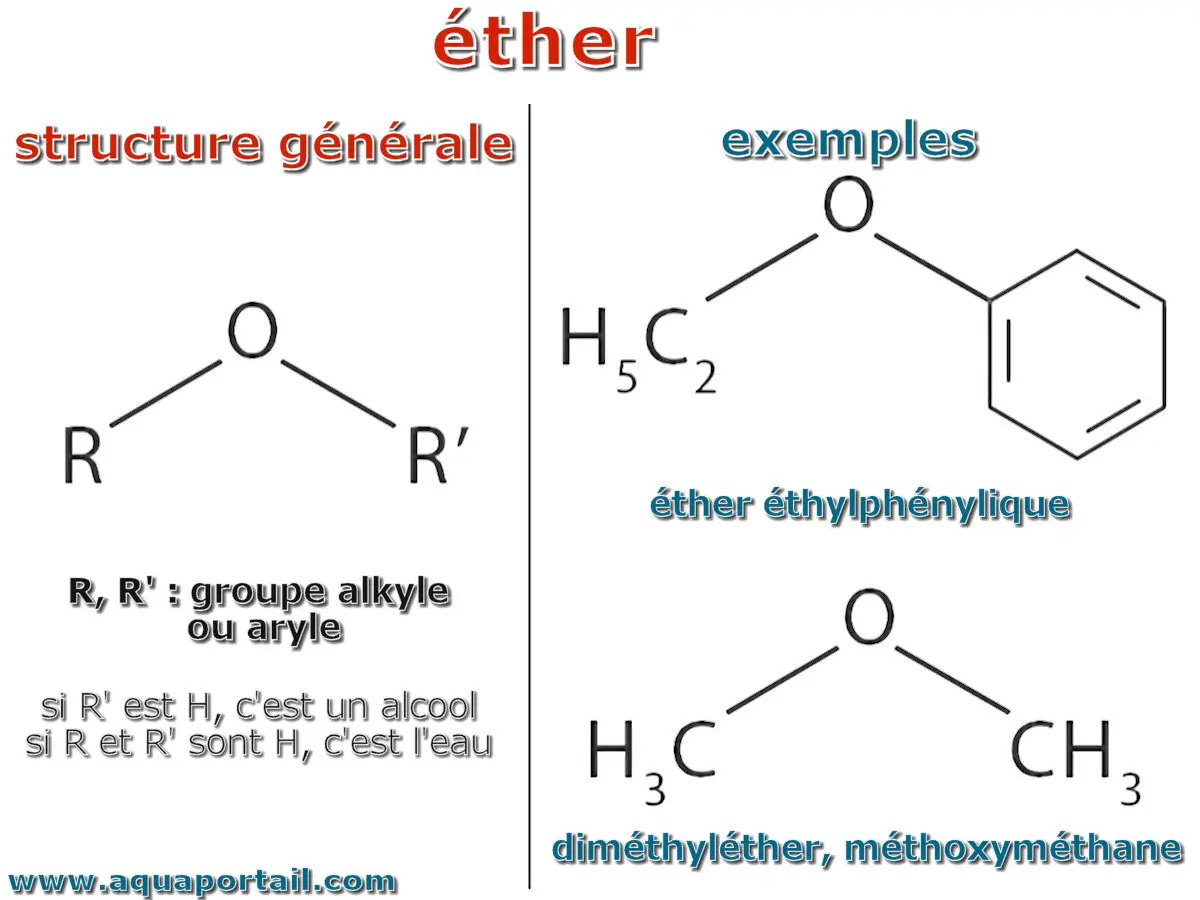
An ether is an organic compound consisting of an oxygen atom bonded to two alkyl or aryl groups.
feeding
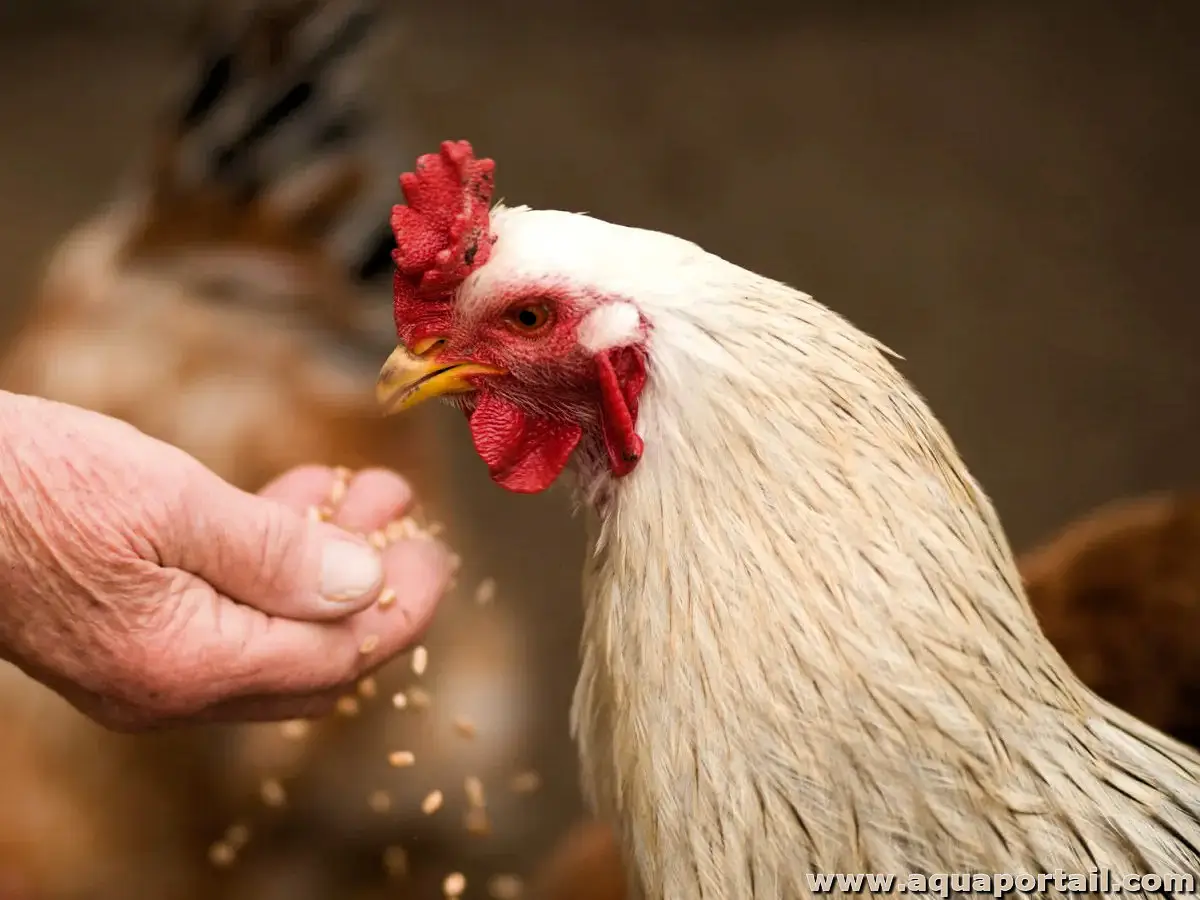
Feeding is the deliberate act of providing food to animals that cannot feed naturally on their own.
overnutrition
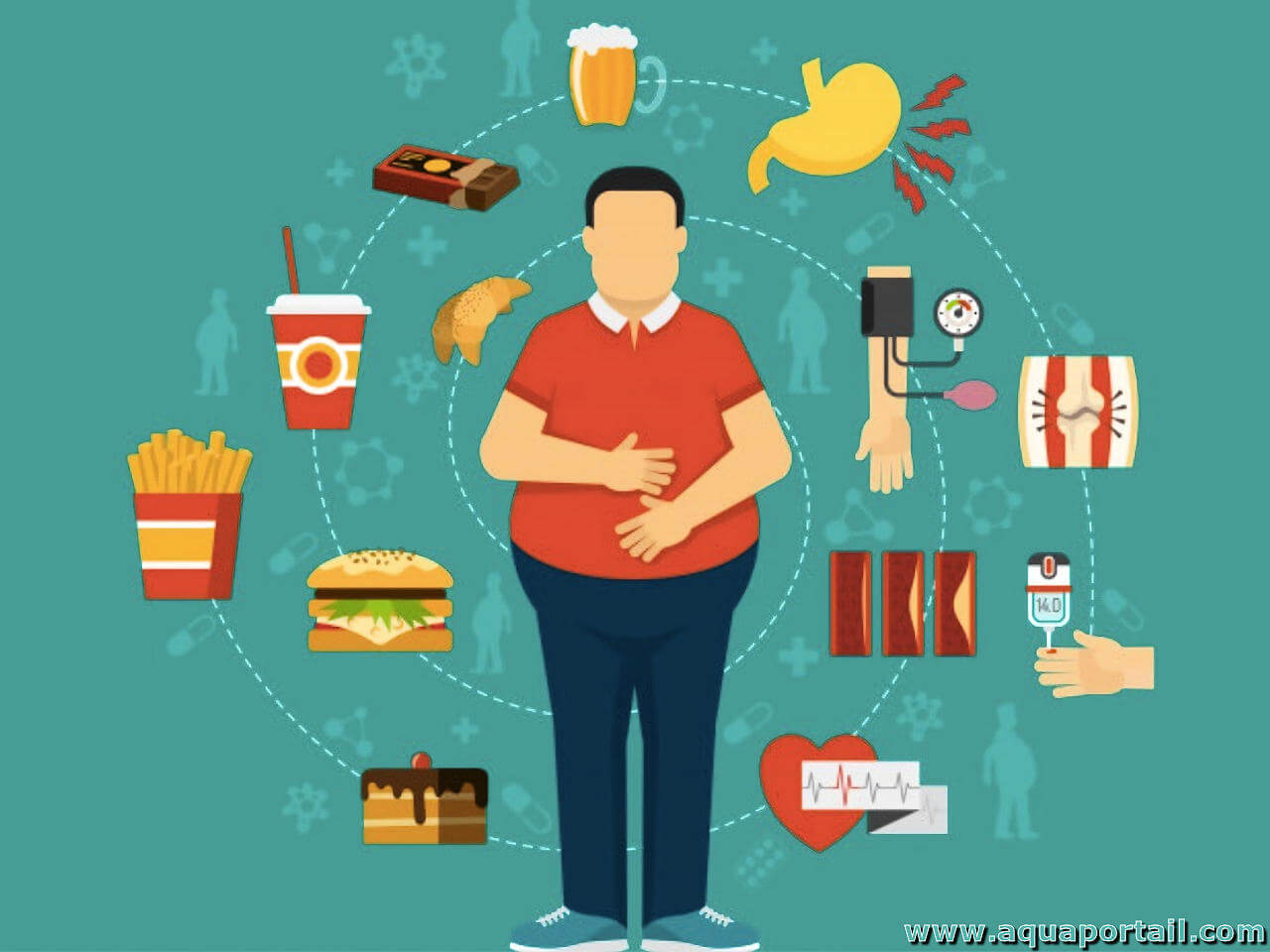
Overnutrition is a form of malnutrition by excess (overfeeding), a poor nutrition causing overweight that can lead to obesity.
undernutrition
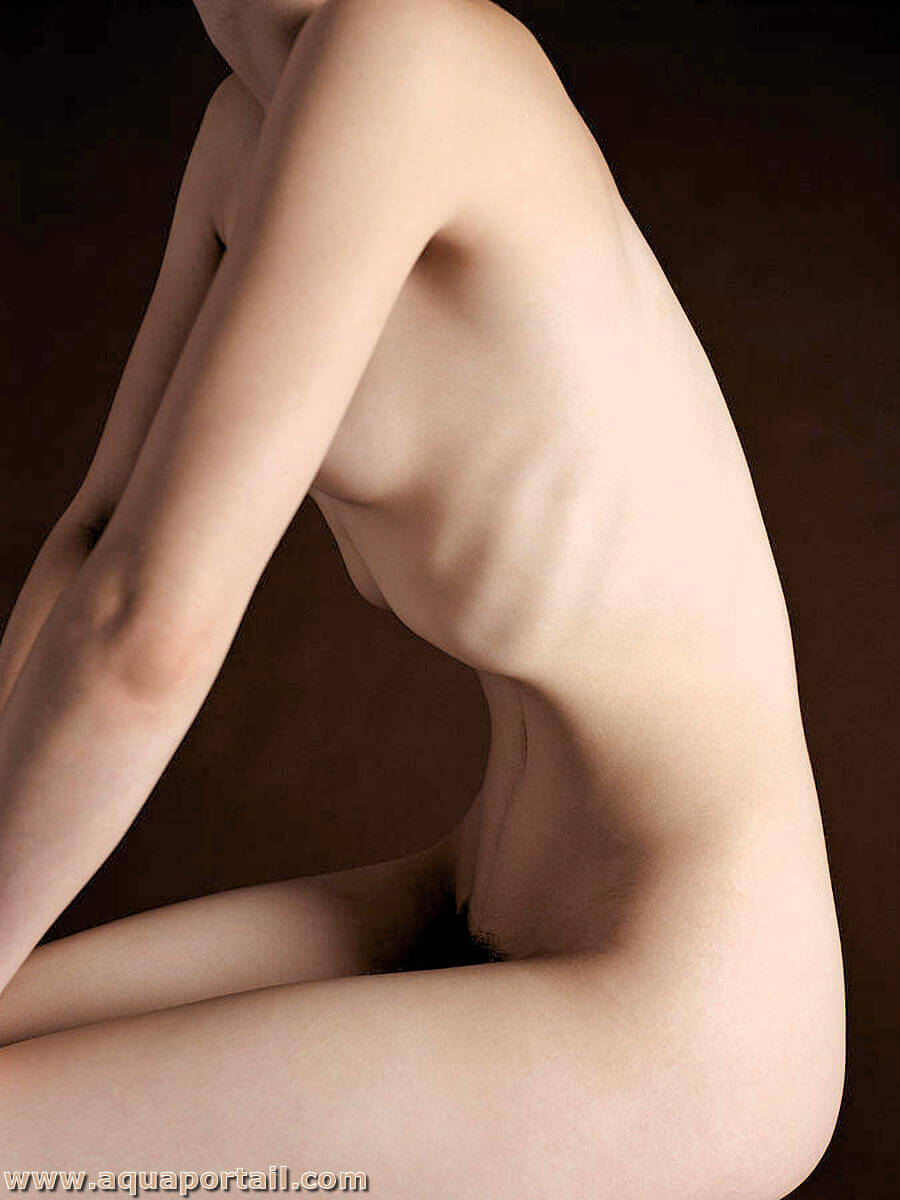
Undernutrition is a form of malnutrition resulting from insufficient nutrient intake. Physiologically, it stems from an energy and protein imbalance that...
Simple summary
Feeding (eating) is the process of consuming food : individuals ingest it through the mouth, chew it, and swallow it. This activity is essential for obtaining the nutrients and energy required for the maintenance, growth, and functioning of the organism.
