Absorption
noun (n.)
Definition
Absorption, when a body comes into contact with a fluid or energy, allows it to take in a portion of it. The absorbed substance is incorporated within the absorbing medium, whereas in adsorption it is merely captured on its surface. In physics, absorption is the process by which electromagnetic radiation is taken up by matter. See also resorption.Comparison between aBsorption and aDsorption:

Absorption is the process by which a fluid is dissolved into a liquid or solid (absorbent). Adsorption is the process by which atoms, ions, or molecules of a substance (gas, liquid, or dissolved solid) adhere to the surface of the adsorbent. Absorption is an endothermic bulk phenomenon, whereas adsorption is an exothermic surface phenomenon.
Explanations
Terms related to absorption include:
- permeability
- imbibition
- retention
- sponginess
- porosity.
In biology, absorption also refers to the process by which a substance (water, nutrient, pollutant, etc.) crosses the biological barrier constituted by the plasma membrane of living cells. In short, absorption is the passage of a substance from the external environment into a living cell.
Alongside the principle of absorptivity, specific absorption is defined as the quantity of water entering a recharge well per unit time and per unit rise in piezometric head. See also effective porosity and absorption loss.
It is useful to examine absorption in relation to permeable versus impermeable materials, as well as substances described as hydrophilic or hydrophobic depending on whether they attract or repel water.
Fields other than water
In acoustics, absorption is a phenomenon affecting the propagation of sound.
In chemistry, the chemical process of absorption consists of separating one or more components from a gas mixture using a liquid solvent with which it forms a solution.
In linguistics, absorption is a phenomenon in which a vowel disappears when merged into an adjacent consonant.
In psychology, absorption is the capacity to remain deeply engrossed in mental imagery or imagination.
In hydrology and well engineering, injectivity refers to the absorption or intake capacity of a well.
In aquariology, for a given aquarium, light absorption in% can reach up to 50% within the first 20 cm (8 in) of water depth! Luminous flux loss is often at least 20% at a depth of 10 cm (4 in), depending on the absorption spectrum.
Water absorption
Water absorption capacity is influenced by soil- and crop-related factors. Soil texture governs water retention capacity, while hydraulic conductivity determines the flow rate toward plant roots.
Water uptake by seeds is a prerequisite for proper germination and seedling establishment.
Water uptake by rice is defined as the quantity or weight of water absorbed by a given amount of rice (g/g) over an arbitrarily fixed period (say, 20 min) in boiling water. While this parameter provides limited insight into varietal differences among rice cultivars, it has practical value in evaluating the effects of various processes such as aging, parboiling, etc.
Water uptake in polymer electrolytes is also significantly affected by membrane processing, with numerous studies reporting differing properties depending on treatment conditions.
Synonyms, antonyms
Spanish translation: absorción
5 synonyms (similar meaning) for "absorption":
- imbibition
- injectivity
- resorption
- retention
- sponginess
1 antonym (opposite meaning):
Related words and expressions to ABSORPTION are directly connected by general or specific meaning.
The word ABSORPTION is listed on page 1 of words starting with A in the dictionary glossary.
Related to "absorption"
absorption spectrum
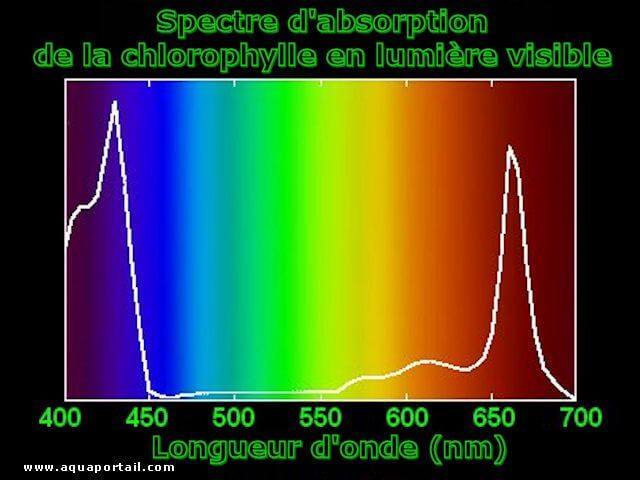
The absorption spectrum of a material is the fraction of incident radiation absorbed by the material across a range of frequencies.
sodium adsorption ratio

The sodium adsorption ratio (SAR) is a parameter used to estimate the degree of saturation of the cation exchange capacity (CEC) with sodium ions.
photoreception

Photoreception is mediated by photoreceptors arranged in the retina of vertebrate eyes and in invertebrates.
abiotic

In biology and ecology, abiotic refers to what is not biotic, that is, not part of living beings.
Simple summary
Absorption denotes the process by which one substance takes in another substance. This phenomenon occurs across various fields, including physics, chemistry, and biology. In physics, it may involve the absorption of light or sound waves by a material. In chemistry, the term refers to the uptake of a liquid or gas into a solid or liquid. In biology, absorption often describes how nutrients and other substances enter cells or tissues, such as when the digestive system absorbs nutrients from food.
