Nomenclature
noun (n.)
Definition
Nomenclature is a system of naming, procedures, or standards within a given category. Nomenclature is the design or selection of names to designate things, particularly in a science. The principle of assigning a name may vary, but it is generally based on conventions related to the field in which it operates (e.g.: geography, astronomy, biology, chemistry).Chemical nomenclature of alkanes:

Chart of the chemical nomenclature of organic compounds, based on alkanes. Alkanes form the basis of the naming system, and the stem of each name indicates how many carbon atoms are in the longest chain of a molecule of the compound.
Explanations
Nomenclature is a system grouping names used within a particular science, and formally adopted by scientists for classification, such as the binomial of taxa used to name animals, plants, bacteria, and all specimens from various kingdoms, including in paleontology for extinct species such as dinosaurs.
Systematic nomenclature can be used to name organic compounds and thus facilitate their referencing.
In chemistry, nomenclature governs the naming of organic and inorganic compounds, as well as chemical elements.
Organic chemical nomenclature
Official organic chemical nomenclature is managed by IUPAC (International Union of Pure and Applied Chemistry).
Each chemical element has a scientific name and a symbol (set of atomic characters). For many elements, their vernacular name is commonly used (for example in French, azote instead of nitrogène). The internationally established symbol must always be used in molecular formulas.
Two superscript and two subscript numbers may be added to the symbol: at the top left is the mass number (relative atomic mass), for example 14C (one may refer to carbon-14; the notation C14 is incorrect). At the bottom left is the atomic number, for example 92U. At the top right is a possible ionic charge, for example Fe2+ (not Fe+2 or Fe++). At the bottom right is the number of atoms per molecule, for example N2 for dinitrogen.
Inorganic chemical nomenclature
Starting in 1921, the Nomenclature Committee of the International Union of Pure and Applied Chemistry (IUPAC) established rules for naming inorganic compounds. It completed formulating proposals in 1938. In 1947, it was decided to modify the rules, and the definitive rules were adopted in 1957.
The primary objective of nomenclature rules is that each name designates only a single substance and that no misunderstanding can arise regarding it. It is permissible for the same substance to have more than one name, provided there is a valid reason to do so. For example, there are systematic or rational names, which unambiguously indicate the structure of a compound, and trivial names, which are permitted for certain complex structures. Naming is based on chemical composition and, where applicable (for isomers, for example), on the structure of the substances.
Zoological nomenclature ICZN
The ICZN, an acronym for International Code of Zoological Nomenclature, is the international code of zoological nomenclature.
In biology, nomenclature represents the foundation of internationally understandable and verifiable communication about organisms, as nomenclature rules stipulate only the name. The delimitation and recognition of the systematic units themselves (taxonomy) and their hierarchy and relationships (systematics) are independent of this. In zoology (including ichthyology), the scientific names of fishes are determined in accordance with the International Code of Zoological Nomenclature (ICZN), a printed set of rules periodically reviewed by an international body of zoologists.
An unavailable nomenclatural act according to the ICZN nomenclature code is an act published in an unavailable work or one that does not conform to the provisions of the Code. In this case, the species affected in these non-compliant writings is not validated. See the principle of priority.
⭐ Linnaeus popularized one of the best-known examples: he used the binomial nomenclature system (binom) to name animals and plants. When the systematic position of a taxon is uncertain, it is classified with the attribute incertae sedis.
See also name-bearing type, basionym, protonym, holotype.
Botanical nomenclature ICBN
The ICBN, an acronym for International Code of Botanical Nomenclature, is the international code of botanical nomenclature.
The ICBN specifies the set of rules and principles on which botanical nomenclature is based (concerning plants, fungi, lichens, and algae), while excluding zoological and bacteriological nomenclatures. These rules aim to bring order to nomenclature inherited from the past and prepare that of the future; they are updated every five years after each International Botanical Congress. The name of a taxon is based on priority of publication and the nomenclatural type method (holotypes, lectotypes, etc.). Since 1/1/1935, every naming must be accompanied by a Latin diagnosis and, furthermore, since 1/1/1958, by a nomenclatural type.
Synonyms, antonyms
Spanish translation: nomenclatura
4 synonyms (similar meaning) for "nomenclature":
- classification
- ICBN
- ICZN
- taxonomy
0 antonyms (opposite meaning).
Related words and expressions to NOMENCLATURE are directly connected by general or specific meaning.
The word NOMENCLATURE is listed on page 1 of words starting with N in the dictionary glossary.
Related to "nomenclature"
balance of nature

The balance of nature is a theory that suggests natural ecological systems are generally in a stable equilibrium or homeostasis.
optimum temperature
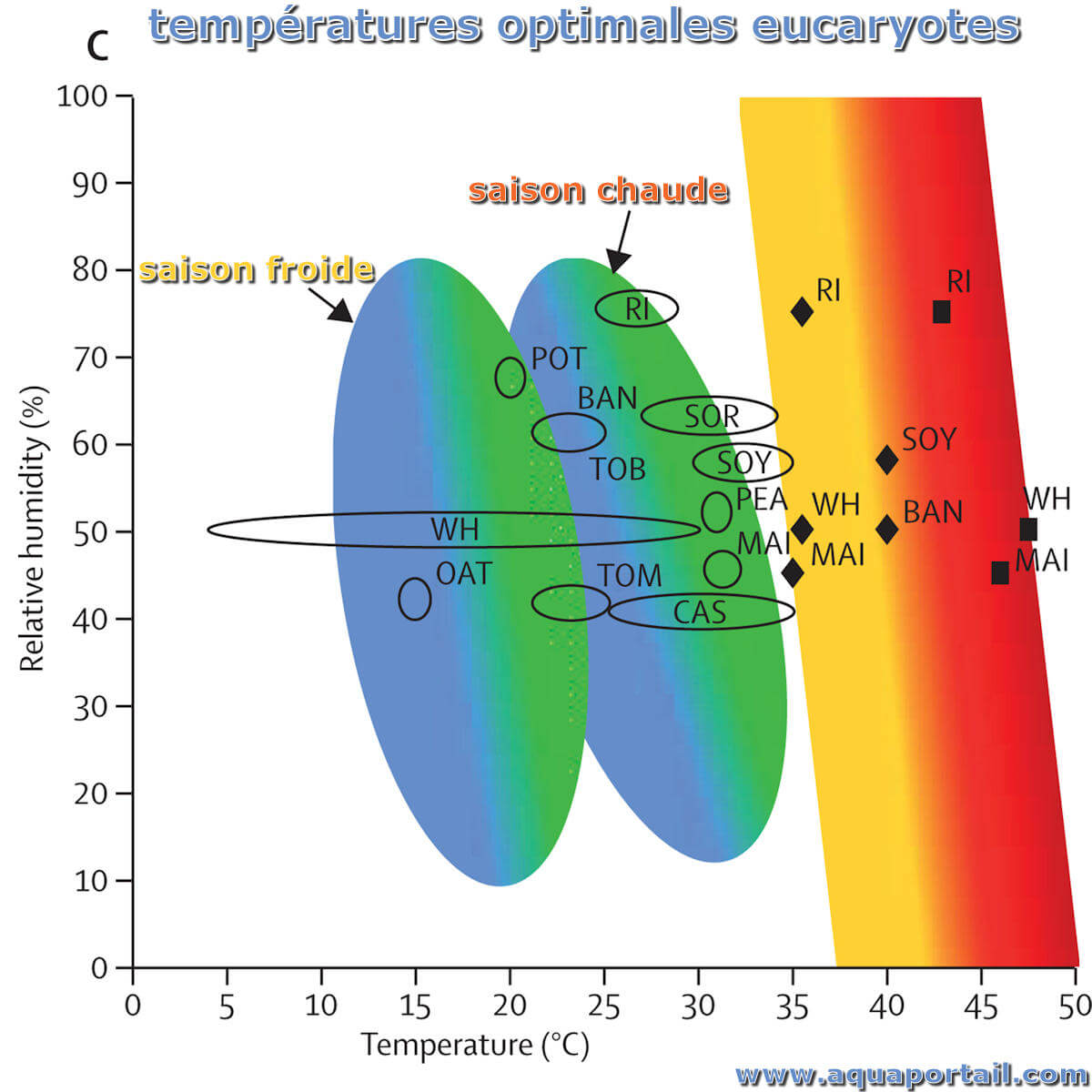
Optimum temperature is a temperature at which an organism's metabolic activity achieves homeostasis.
nanandrous

A nanandrous organism refers to a dwarf male individual. The root of the word dwarfism is easily identifiable and defines nanandry. Females, in fish...
nanobacterium

A nanobacterium is a submicron particle initially described as a hypothetical bacterial microorganism the size of a nanobe.
Simple summary
Nomenclature refers to a system of names or terms used in a given science, discipline, or art. It is the process of assigning names to elements, species, or concepts within a specific field to ensure clear and consistent communication. Nomenclature is essential for organizing and classifying information accurately, enabling practitioners in the same field to communicate effectively.
