Balance of nature
noun phrase (n. phr.)
Definition
The balance of nature is a theory that suggests natural ecological systems are generally in a stable equilibrium or homeostasis. Thus, a small change in a particular parameter will be corrected by feedback that will bring the parameter back to its original "point of balance" with the rest of the system.
Symbolization of the balance of nature:

Air pollution disrupts and violates the balance of nature among ecological factors. Human-caused air pollution (such as smog or urban haze) stems from the emission of pollutants from industrial facilities, motor vehicles, wood burning, and other sources. Air pollution is particularly pronounced in large cities, due to the high number of vehicles and industrial facilities located there. These elements act as ecological disruptors.
Explanations
The theory of the ecological balance of nature can apply where populations depend on one another, for example in predator/prey systems (predator-prey relationship), or relationships between herbivores and their food source. It is also sometimes applied to the relationship between Earth's ecosystem, atmospheric composition, and global weather.
This ecological theory is a form of utopia because nature is often perceived as a complex system, where chaos and order coexist. Balance would imply chaotic forces equal to those of order, each counteracting the other.
The balance of a natural environment (and not of nature globally) is a state of dynamic equilibrium in an ecosystem whose biocenosis, along with the number of each species, remains stable over time (on a geological scale). Ecosystems are made up of thousands of interconnected species. Relationships between these species may seem chaotic, yet they follow ecological principles that maintain a fragile balance.
Ecological balance is a state of dynamic equilibrium within a community of organisms in which genetic, species, and ecosystem diversity remains relatively stable, subject to gradual changes through natural succession.
The Gaia hypothesis is an equilibrium concept suggesting that Earth and its ecology can act as coordinated systems to maintain the balance of nature and natural environments. Events such as hurricanes, earthquakes, and volcanic eruptions may seem random and chaotic, yet they are the result of well-understood geological and atmospheric processes.
The theory that nature is permanently in balance has been largely discredited by scientists working in ecology, as chaotic changes in population levels have been found to be common. Nevertheless, the idea remains popular with the general public. During the second half of the 20th century, the theory was replaced by catastrophe theory and chaos theory.
History of the natural theory
The concept that nature maintains its condition is of ancient origin; Herodotus commented on the remarkable relationship between predators and prey, which remained in a stable proportion to one another, with predators never excessively consuming their prey populations.
The concept of the balance of nature once ruled ecological research as well as natural resource management. This LED to a popular doctrine among some conservationists that nature was best left to its own devices, and that human intervention in it was by definition unacceptable.
The validity of a "balance of nature" was already questioned in the early 1900s, but general abandonment of the theory by scientists working in ecology occurred only in the last quarter of the century, when studies showed that this equilibrium could not be observed among plant and animal populations.
Predator and prey interactions
The introduction of exotic species into a natural environment creates an imbalance in the interactions between predators and their prey. If this species becomes invasive, whether as a predator or as prey, the predator-prey relationship is altered by this invasive species.
In the evolutionary process, different species of animals and plants migrate from one place to another and adapt to their new environment alongside their evolution. This process is part of natural evolutionary processes and is therefore normal, fits within the carrying capacity of habitats, and does not harm their ecological balance.
Unlike this natural and harmless change, animal or plant species invade habitats and alter their ecological balance, sometimes due to human intervention. These incursions can cause various harms, including increased competition for natural resources and the displacement of native species to extinction, predation on native species, brood parasitism and the introduction of pathogens, as well as the degradation and destruction of habitats and agricultural land. Invasive shrubs can create a dense layer of vegetation that blocks light to local species and hinders their development.
Human intervention
Although some environmental organizations argue that human activity is incompatible with a balanced ecosystem, there are many historical examples showing that several modern habitats stem from human activity: certain rainforests in Latin America owe their existence to humans who planted and transplanted them, while according to some ecologists, the abundance of grazing animals on the Serengeti plain in Africa is due in part to human-set fires that created savanna habitats.
Perhaps one of the best examples of an ecosystem fundamentally modified by human activity can be observed following the Australian Aboriginal practice of "fire-stick farming" (slash-and-burn, controlled burning). The legacy of this practice over long periods led to the conversion of forests into grasslands capable of supporting larger populations of wildlife prey, particularly in the northern and western regions of the continent. The effect of these deliberate and regular burnings was so profound that many plant and tree species in the affected regions have now become completely adapted to the annual fire regime, requiring fire before their seeds will even germinate.
A Los Angeles school stated: "We let our children go into the wooded area of the playground. However, five years later, we found that none of the flowers were growing, the moist natural soil had been compacted, and all the lovely grass had been torn up".
However, introduced neobiota (including neophytes, neozoa, and neomycetes—introduced species that become invasive species) can counteract any excessive optimism.
Continued popularity of the theory?
Despite being discredited among ecologists, the theory is widely regarded as true by the general public, with one authority calling it an "enduring myth", much like urban myths. The idea of the balance of nature, often symbolized by scales, has been shown to be widely held and maintained by certain prominent figures in science and the student population.
In one study, science students were asked to reason about the future of ecosystems that had suffered human-induced disturbances. The subjects agreed that ecosystems were very likely to fully return to their initial state, referring either to a "recovery process" that restores the initial "balance", or to specific "recovery mechanisms" as an inherent characteristic of the ecosystem.
In a 2017 study, scientists discussed the learning goals and design criteria that a learning environment for biology students should meet to help them challenge the idea of the "balance of nature".
Although nature may appear chaotic at first glance, it is governed by laws and principles that, while complex, bring balance and harmony to our environment. Appreciating this duality between chaos and order can enrich our understanding of the natural world.
Synonyms, antonyms
Spanish translation: equilibrio de la naturaleza
2 synonyms (similar meaning) for "balance of nature":
- ecological balance
- natural balance
0 antonyms (opposite meaning).
Related words and expressions to BALANCE OF NATURE are directly connected by general or specific meaning.
The expression BALANCE OF NATURE is listed on page 1 of words starting with B in the dictionary glossary.
Related to "balance of nature"
optimum temperature
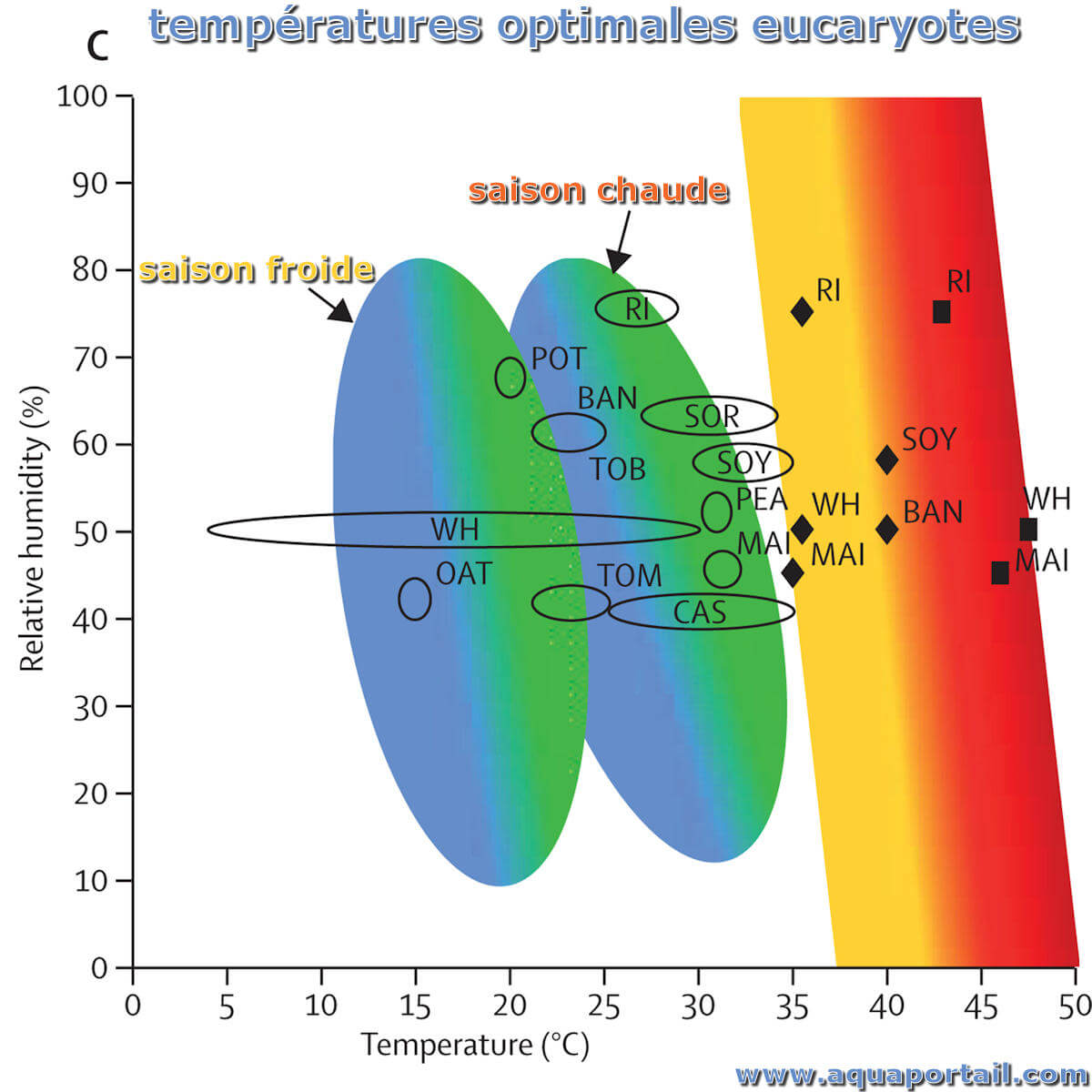
Optimum temperature is a temperature at which an organism's metabolic activity achieves homeostasis.
back-and-forth motion
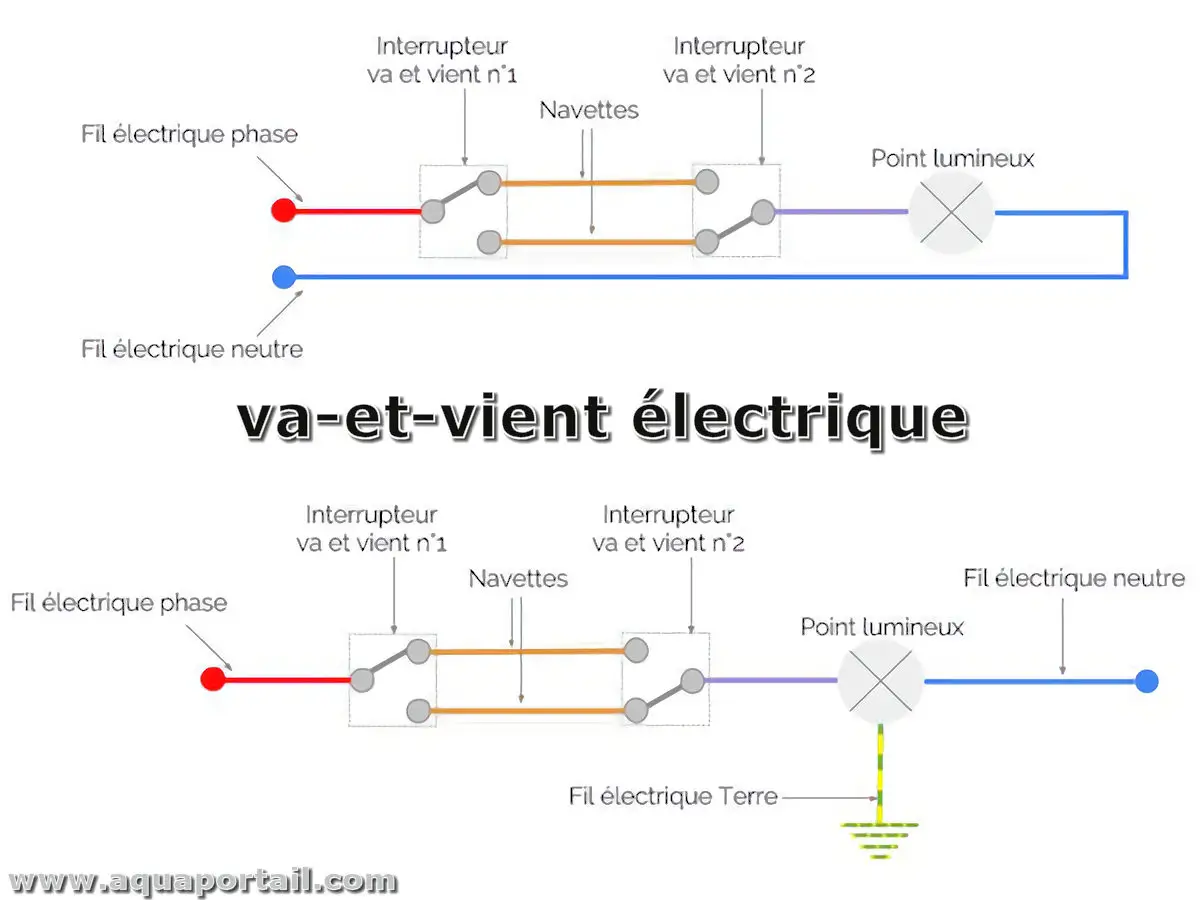
A back-and-forth motion is a repeated reciprocating movement from one point to another. Moving back and forth indicates displacement in one direction and then...
bacterial

A bacterial organism or feature relates to bacteria. In bacteriology, bacterial cultures are grown in Petri dishes, allowing the bacteriologist to study...
bacterial artificial chromosome

A bacterial artificial chromosome (BAC) is a DNA construct, based on a functional fertility plasmid or F-factor, used for transformation and bacterial cloning...
Simple summary
Natural balance refers to the dynamic equilibrium within ecosystems, where living organisms (plants, animals, and microorganisms) interact with one another and with their physical environment in a way that maintains ecological stability. Indeed, if natural systems are not disrupted by excessive human intervention, they tend to self-regulate through processes such as predator-prey relationships, nutrient cycling, and natural population regulation.
