Parasitism
noun (n.)
Definition
Parasitism is a type of symbiosis, a close relationship in which one of the participants, the parasite, depends on the other, the host, and derives a certain benefit. In most cases of parasitism, the host suffers harm from the parasite at some point in the life cycle.In biology and ecology, parasitism is a lifestyle typical of the parasite, being the condition of a living being that lives at the expense of another. It encompasses the relationship between two species, where the existence of one depends on that of the other, akin to symbiosis or commensalism.
The parasitism of a leech:
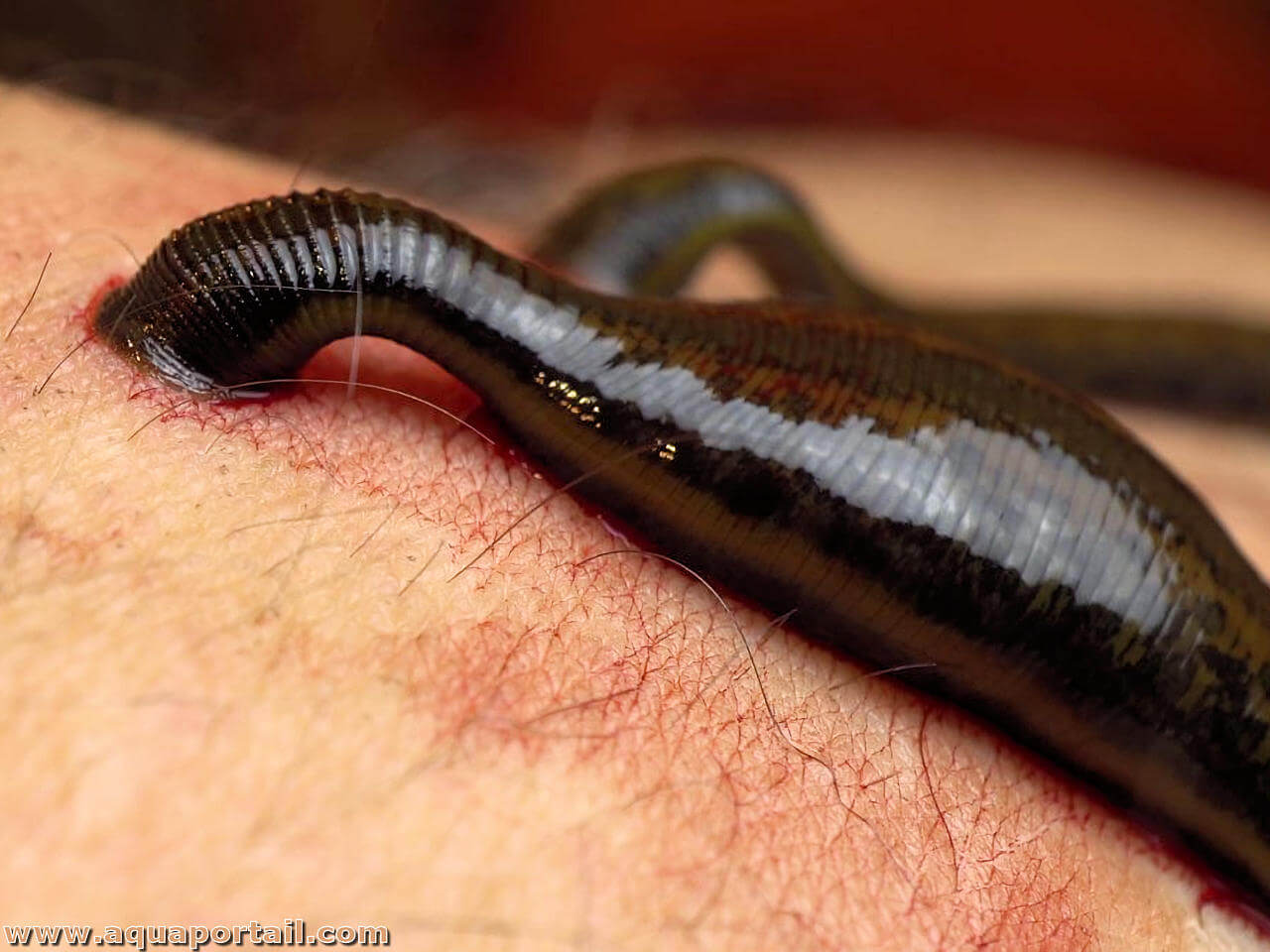
The parasitism of the leech Hirudo medicinalis is not solely harmful to the human host, since the medicinal leech is used in certain therapeutic practices.
Explanations
Parasitism is an association, in the form of a symbiotic relationship, between two living organisms (animals or plants) in which one (the host) harbors the other (the parasite) and nourishes it. A distinction is made between ectoparasites (living on the surface of their host) and endoparasites (living inside their host). It is therefore the interaction between two organisms, plant or animal, in which one (the parasite) lives at the expense of the other (the host) by harming it and utilizing it, without killing it immediately.
Parasitism is a process by which a species develops its ability to survive by using other species to meet its vital and fundamental needs, which are not necessarily limited to nutritional aspects and may cover functions such as propagule dispersal or reproductive benefits for the parasitic species, etc.
Almost all animal phyla include parasitic species. Some cases are quite unexpected: besides the best-known groups of parasites (monogeneans, digeneans, cestodes, nematodes, copepods...), certain species of barnacles (rhizocephalans), bivalve mollusks (glochidia larvae), hydrozoans, birds such as cuckoos, and even certain fish such as lampreys or candirus are parasitic (whereas remoras are rather commensal or phoretic).
Particularly in the digestive system, but also in other parts of the body, symbiotic microorganisms (mutualists or commensals) are indispensable to various transformation processes, for example through their enzymes.
Intraspecific social parasitism can also exist. An example of this is parasitic nursing, in which certain young individuals take milk from unrelated females.
In fungi associated with mycophagous bacteria or mycoparasitic fungi, mycoparasitism occurs. For plants, see parasitic plants, phytoparasites.
Since every parasite is itself an organism, it can become the host of a third species. A parasite that parasitizes another parasite is often called a hyperparasite, for example satellite viruses, which require the replication of other viruses. Ecological productivity constraints limit the number of trophic levels of parasitism to just a few.
It is very common for host organisms to have also developed defense mechanisms. Plants often produce toxins, for example, that deter parasitic fungi, bacteria, as well as herbivores. The immune system of vertebrates can target most parasites upon contact with body fluids.
Regarding medications that combat parasitism, these are called antiparasitics.
Synonyms, antonyms
Spanish translation: parasitismo
1 synonym (similar meaning) for "parasitism":
1 antonym (opposite meaning):
Related words and expressions to PARASITISM are directly connected by general or specific meaning.
The word PARASITISM is listed on page 1 of words starting with P in the dictionary glossary.
Related to "parasitism"
adelphoparasite
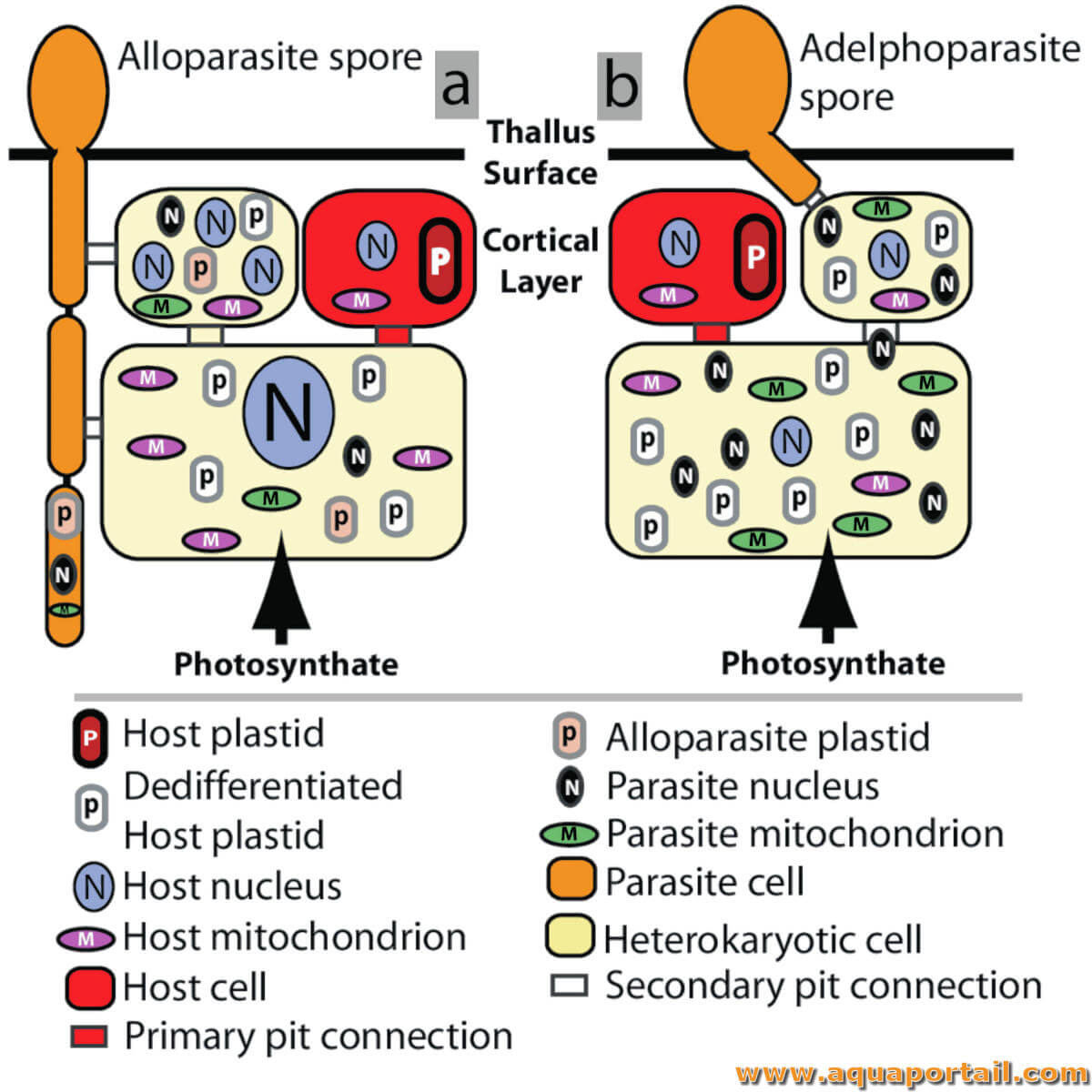
An adelphoparasite is a parasitic organism closely related to its host, often within the same family and sometimes the same genus.
ectoparasite

An ectoparasite is a parasite that lives on or in the external integument of another organism.
parasite

A parasite is an organism that lives in, on, or with certain other living organisms, which are known as the host.
P680-P700
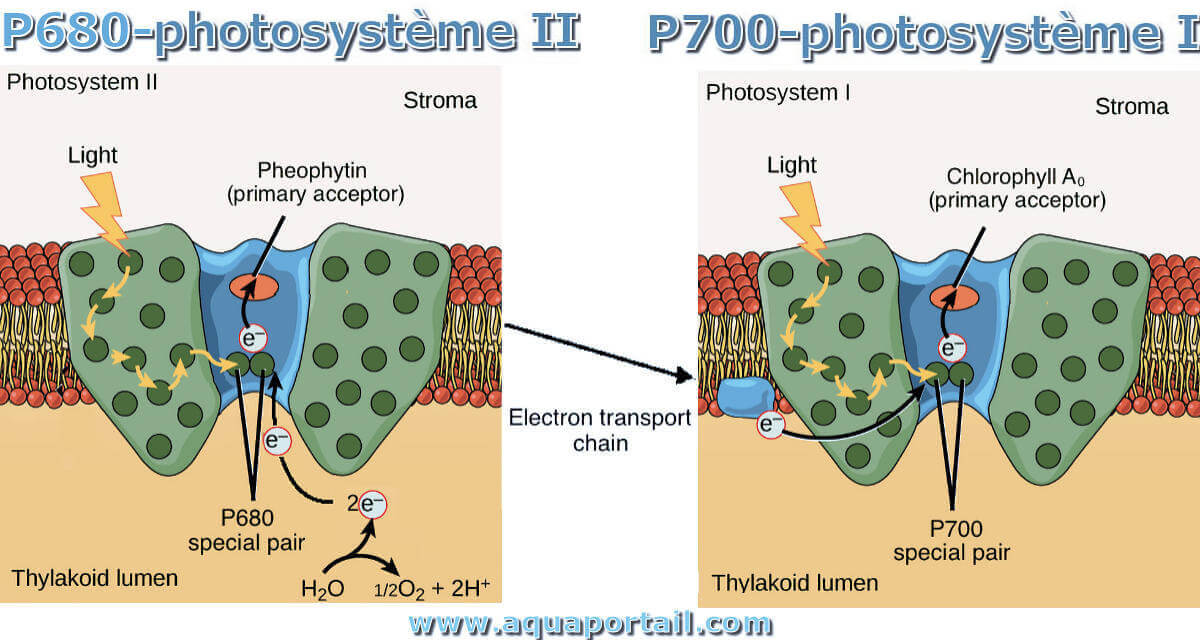
P680-P700 is an association of chlorophyll a molecules absorbing at 680 nm and 700 nm, respectively, possessing particular photochemical properties.
