Polyphenol
noun (n.)
Definition
Polyphenols form a group of chemical substances naturally present in plants, characterized by the presence of more than one phenol group per molecule.
Most polyphenols act as antioxidants in the body, meaning they can combat environmental damage such as that caused by UV radiation and pollution.
Sources of polyphenols:
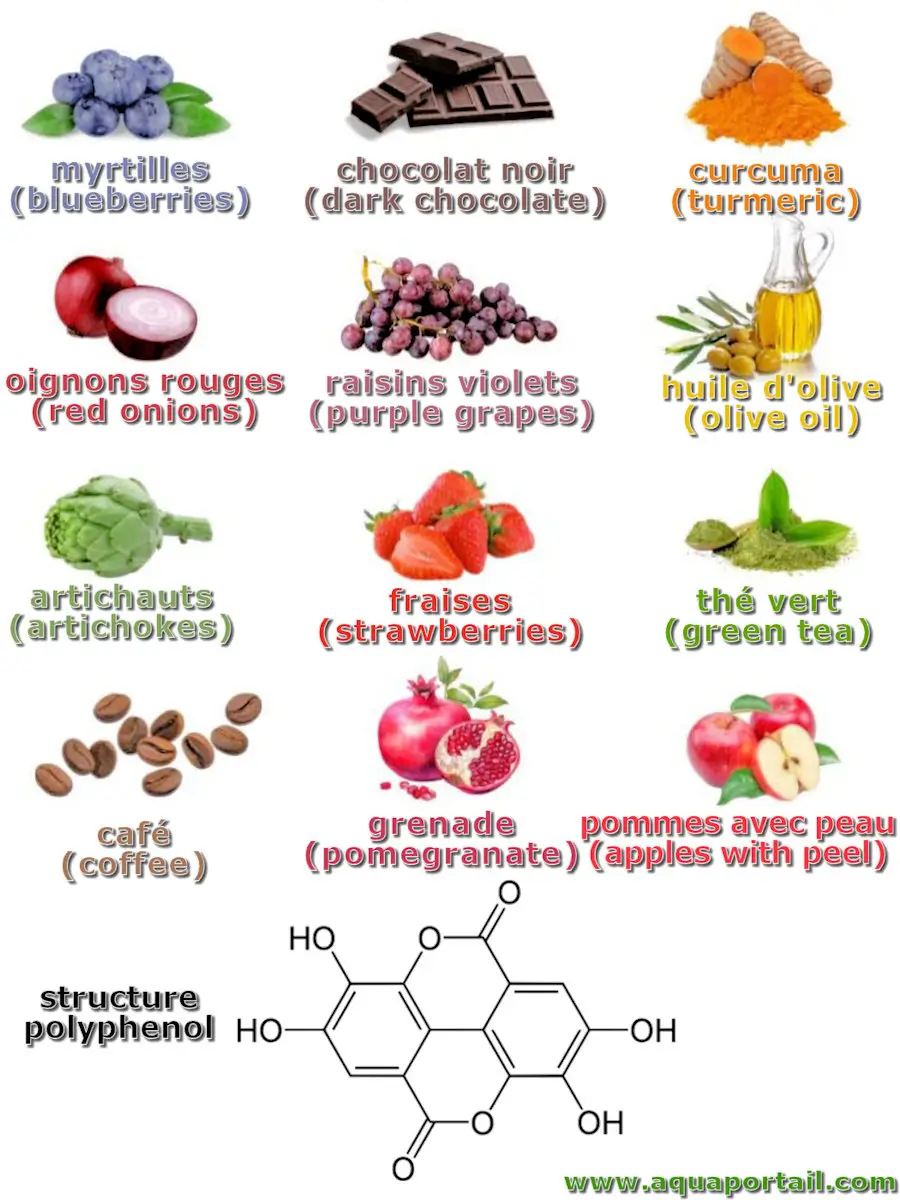
Natural polyphenols are found in plants as secondary plant metabolites. They represent bioactive substances such as pigments, aromas, and tannins and serve to protect the plant from predators or attract insects for pollination through their color.
Explanations
Polyphenols (polyphenolic compounds) are generally divided into hydrolyzable tannins, which are gallic acid esters of glucose and other sugars; and phenylpropanoids, such as lignin, flavonoids, and condensed tannins. These phenolic compounds indicate a potential use of the plants as medicinal herbs.
Polyphenols are generally moderately water-soluble compounds. They are also called polyhydroxyphenols. Polyphenols are aromatic compounds that contain two or more hydroxyl groups directly attached to an aromatic ring.
The main source of polyphenols is dietary, as they are found in a wide range of phytochemical-rich foods.
They are widely used or synthesized in industry. The presence of tannic acid makes them suitable for the leather tanning industry.
Polyphenols are naturally available in honey, most legumes, fruits, and vegetables. polyphenol-rich fruits include apples, blackberries, blueberries, cantaloupes, pomegranates, cherries, cranberries, grapes, pears, plums, raspberries, chokeberries, and strawberries. Polyphenol-rich vegetables include broccoli, cabbage, celery, onion, and parsley.
Red wine, chocolate, black tea, white tea, green tea, olive oil, and many whole grains are also sources of polyphenols.
Polyphenol intake occurs through consuming a wide variety of plant foods.
Purple grapes produce polyphenols:

A bunch of grapes contains certain antioxidant compounds of plant polyphenols. Grapes produce tannins, and the historically important chemical class of tannins is a subset of polyphenols.
Certain plants also use polyphenols to protect the photosynthetic apparatus due to their antioxidant effects and filtering of high-energy UV-B rays. Furthermore, polyphenols are building blocks of major biopolymers such as lignin and suberin.
Dietary polyphenol consumption may be associated with effects in higher animal species:
- possible reduction of inflammation as in coronary artery disease, including specific research on endothelial cells via downregulation of oxidized LDL
- other potential effects may result from consuming polyphenol-rich foods, yet have not been conclusively demonstrated scientifically in humans, so they are not approved as drugs by regulatory authorities. Among these, anti-aging effects on the skin are under investigation. Further research seeks to clarify whether polyphenol antioxidants play biological roles in vivo.
Grape polyphenols inhibit the bacterial species Streptococcus mutans, which contributes to plaque and biofilm accumulation on teeth. Due to their antibacterial effect, polyphenols inhibit the harmful effects of bacteria and thus also help prevent dental caries.
At the same time, polyphenols from plant foods can bind to digestive enzymes and thereby reduce nutrient absorption in the intestine. In healthy individuals, as a preventive mechanism, saliva contains proline-rich proteins that act by forming a stable complex with polyphenols in the digestive tract.
The effects of tea and cocoa polyphenols can be hindered by adding milk, as milk casein is also rich in proline.
Polyphenols can be detected using iron(III) chloride solutions. They react with iron(III) ions to form green-to-blue complex compounds.
Synonyms, antonyms
Spanish translation: polifenol
2 synonyms (similar meaning) for "polyphenol":
- phenolic compound
- polyhydroxyphenol
0 antonyms (opposite meaning).
Related words and expressions to POLYPHENOL are directly connected by general or specific meaning.
The word POLYPHENOL is listed on page 1 of words starting with P in the dictionary glossary.
Related to "polyphenol"
bisphenol
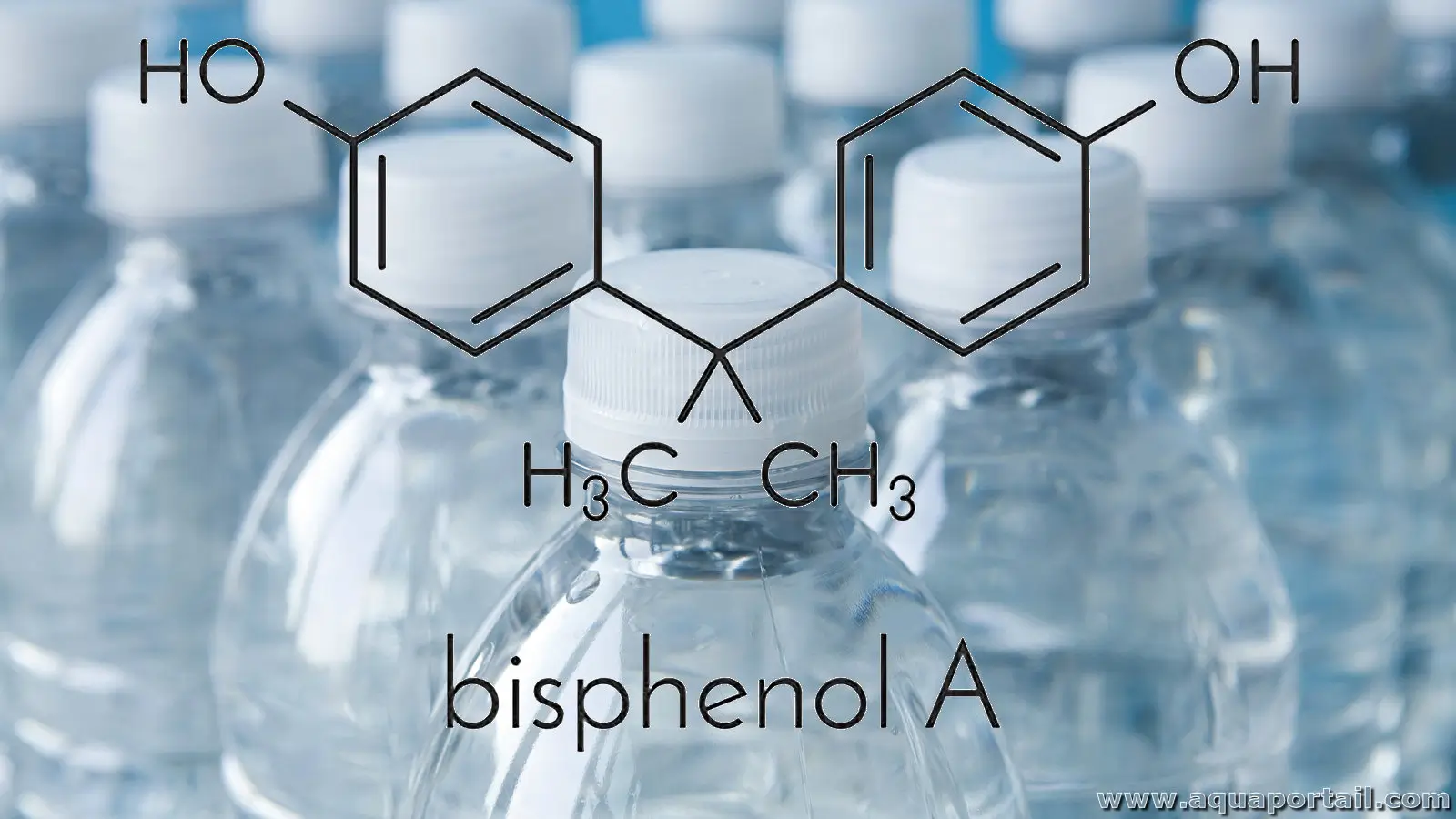
A bisphenol is an organic chemical compound comprising two linked phenol (hydroxyphenyl) groups, such as bisphenol A (or antimicrobial derivatives like...
lipophenol
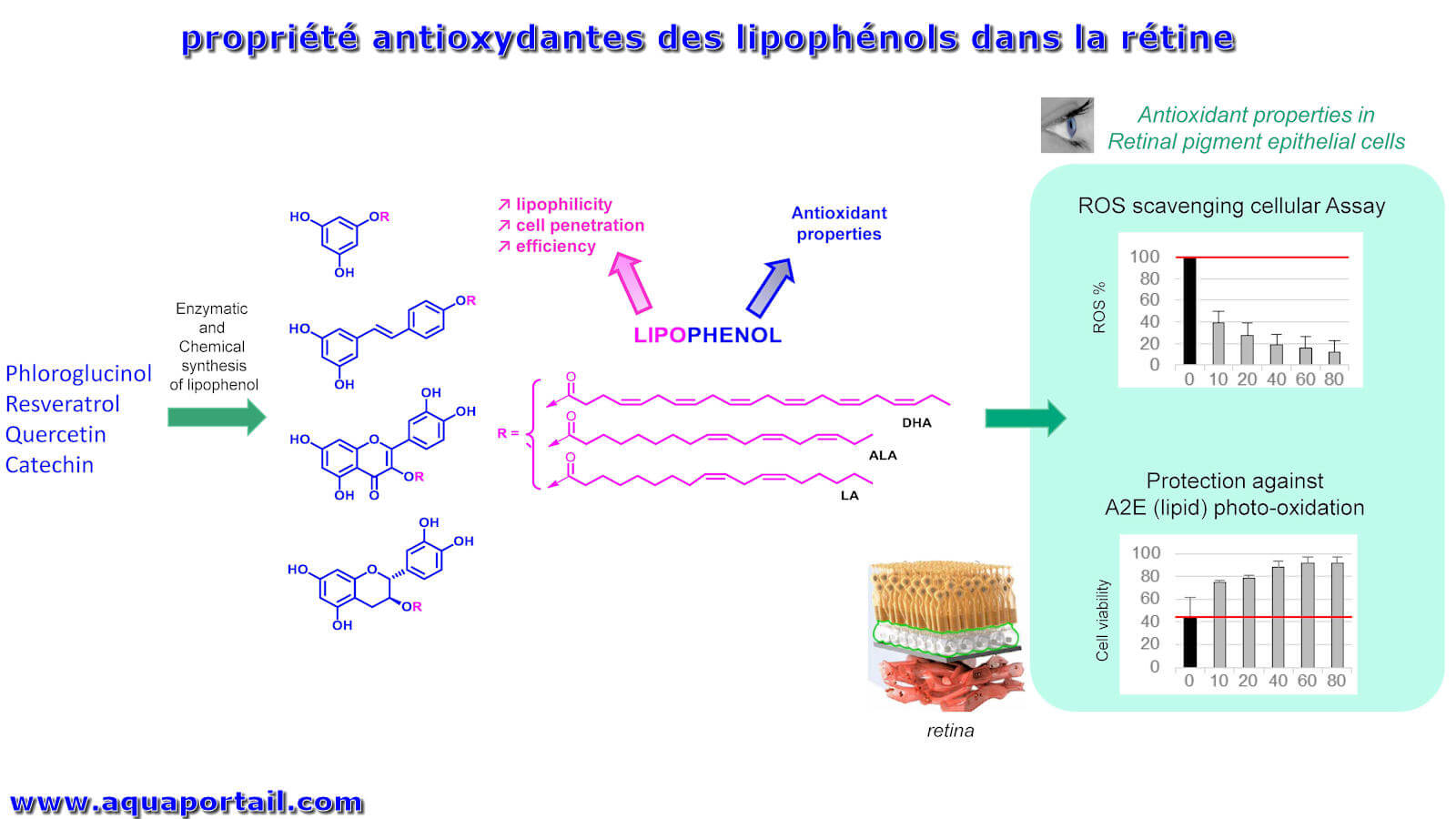
Lipophenol (or phenolipid) is a natural compound, generally plant-derived, that has the ability to block the accumulation of intracellular reactive oxygen...
phenol

Phenol is an organic substance containing a benzene ring bearing a hydroxyl group (-OH). A phenolic derivative is a synthetic or natural substance derived...
phenolic
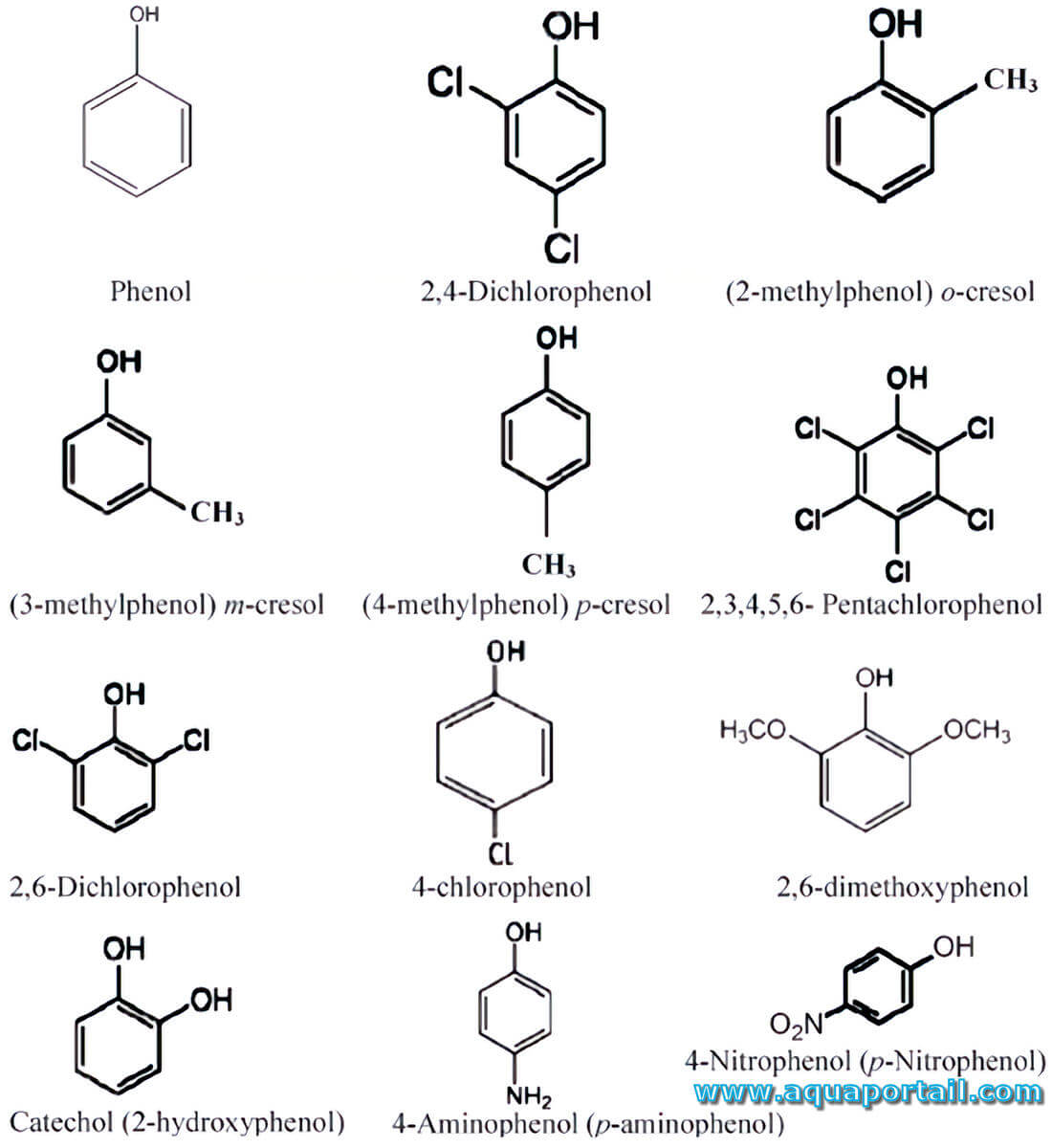
Something phenolic contains a phenol group or is directly related to phenols. In the case of an acid, it is called a phenolic acid or phenol acid.
Simple summary
Polyphenols are natural phenolic compounds found in plants, recognized for their antioxidant properties. These compounds play a crucial role in protecting the body against damage caused by free radicals and are associated with various health benefits, notably reducing the risk of chronic diseases such as heart disease and cancer. Common sources of polyphenols include fruits, vegetables, tea, coffee, and wine.
