Casein
noun (n.)
Definition
Casein is a mixture of protein substances contained in milk. This mixture of milk phosphoproteins rich in glutamic acid and proline groups four main fractions (αs1, αs2, β, and κ) of 169 to 209 amino acid residues. These molecular chains are combined into submicelles held together by colloidal calcium phosphate bridges.In milk, casein is in the form of caseinogen, a precursor that precipitates into casein under the action of rennin (rennet).
Casein powder:

Casein consists of long chains of molecules made of 20 different amino acids.
Explanations
Casein is present in milk in colloidal suspension. Depending on temperature, the size of casein particles varies from 10 to 200 nm. Particle sizes between 10 and 30 nm are described as casein submicelles, and above that as casein micelles.
Accounting for about 80 percent, casein is the most important protein fraction of cow's milk. Isolated casein is a valuable raw material for a wide variety of industrial sectors.
The food industry uses casein in powder form as a high-quality protein. It is also of great importance as a binder for paints, for gluing plywood, as a photoresist in engraving, and for manufacturing adhesives, putty, textile finishes, and leather dye binders.
GEA processing lines (alternative processes) handle casein recovery by acid or rennet precipitation.
In order to isolate casein, casein micelles must be precipitated out of milk. This becomes possible when the surface charge and consequently the repulsive forces of the casein molecules are reduced so that coagulation can take place.
Acid precipitation
During acid precipitation using a mineral acid, positively charged hydrogen ions penetrate the casein micelles, leading to a drop in the net negative charge of the casein micelles. Simultaneously, the hydration shell and the number of doubly charged calcium ions are also reduced.
The like-polarity charge and thus the repulsive forces are reduced, so that attractive forces predominate. The thermal energy of the particles causes them to collide and unite into larger aggregates that subsequently precipitate out of the milk.
Rennet precipitation
Unlike acid precipitation, which is reversible, in rennet precipitation the micellar components are irreversibly cleaved. The rennet enzyme (chymosin) cleaves the calcium-insensitive hydrophilic portion of κ-casein. About 50% of the net negative charge on the casein surface is thus lost, weakening the protective hydration shell and exposing the calcium-sensitive portion of casein at the micelle surface.
Aggregation now takes place in the second phase of coagulation following the enzymatic reaction. Actual gelation occurs by cross-linking the aggregates with calcium ions.
Removal of bacteria from skim milk
Whether using rennet or acid precipitation, well-defatted skim milk is the starting point for casein production. In order to manufacture a flawless end product, the skim milk must not only be pasteurized, but also as germ-free as possible.
In the bacteria-removing separator, bacteria and germs are separated by centrifugation and discharged from the bowl by partial ejection. The bacteria-clarified skim milk is then heated to coagulation temperature in a plate heat exchanger.
Depending on the type of casein (acid or rennet), casein is precipitated either by in-line addition of technical acid or by using enzymes with rennet addition. The latter precipitation method requires a certain holding time and is therefore carried out in batch mode.
To support and promote the coagulation process, further indirect heat treatments with subsequent reaction steps follow.
The actual separation of coagulated casein from whey is performed by decanters. The whey formed (first stage) is cooled, clarified, and then sent for further processing. To increase the purity of raw casein, it must be largely freed of adhering minerals and lactose.
To do this, it is washed several times according to the countercurrent principle, and then dried to a residual moisture content of at most ten percent. The closed GEA system operates with an exceptionally low amount of wash water, conserving natural resources while simultaneously reducing production costs.
Synonyms, antonyms
Spanish translation: caseína
0 synonyms (similar meaning) for "casein".
0 antonyms (opposite meaning).
Related words and expressions to CASEIN are directly connected by general or specific meaning.
The word CASEIN is listed on page 1 of words starting with C in the dictionary glossary.
Related to "casein"
acrolein
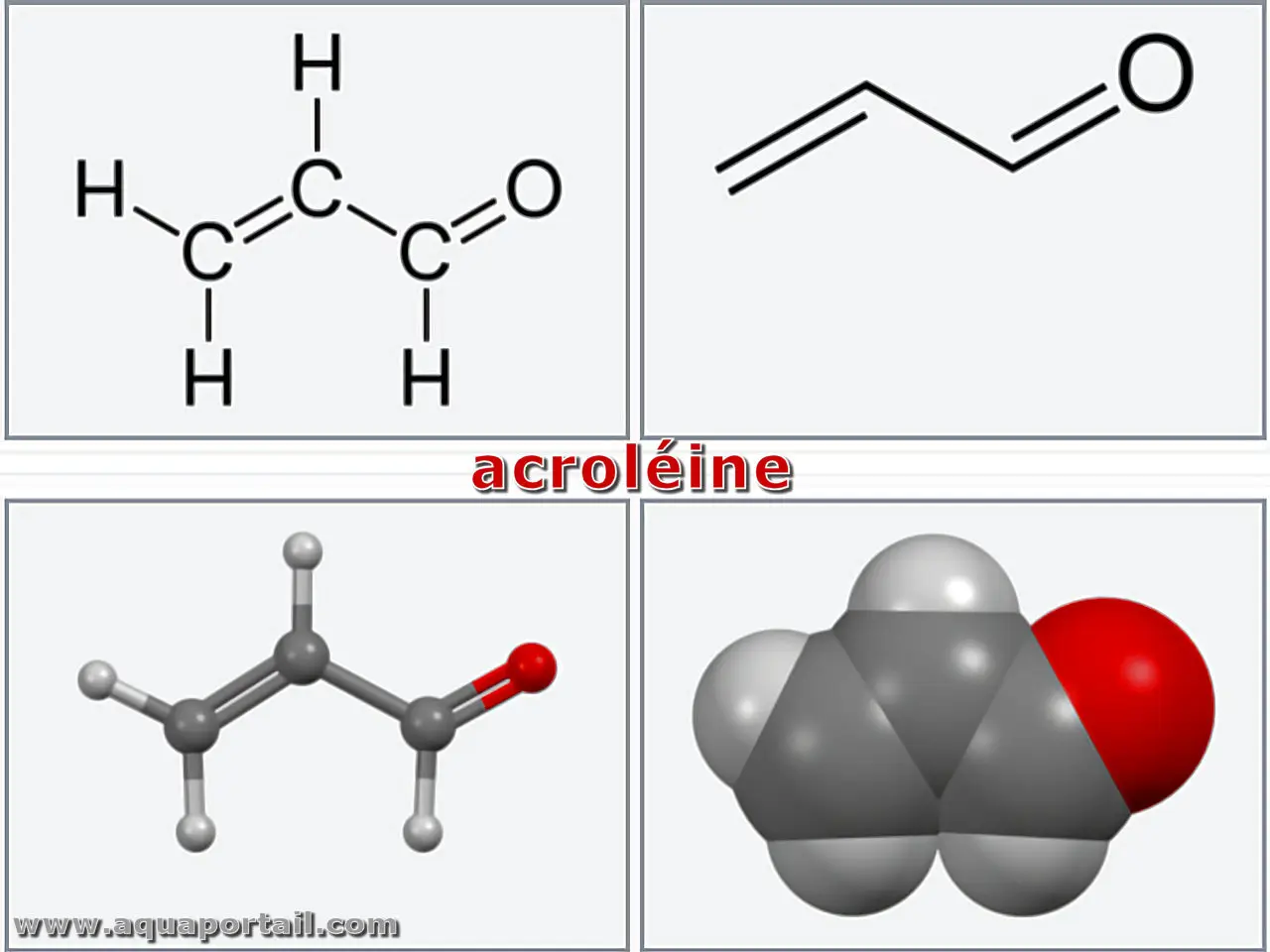
Acrolein (propenal) is an acrylic aldehyde, a clear, colorless to straw-colored, volatile liquid with a pungent, suffocating odor.
biliprotein

A biliprotein is a protein whose prosthetic group is a tetrapyrrole chain. The best-known phycobiliproteins derived from biliproteins are phycoerythrin...
dynein
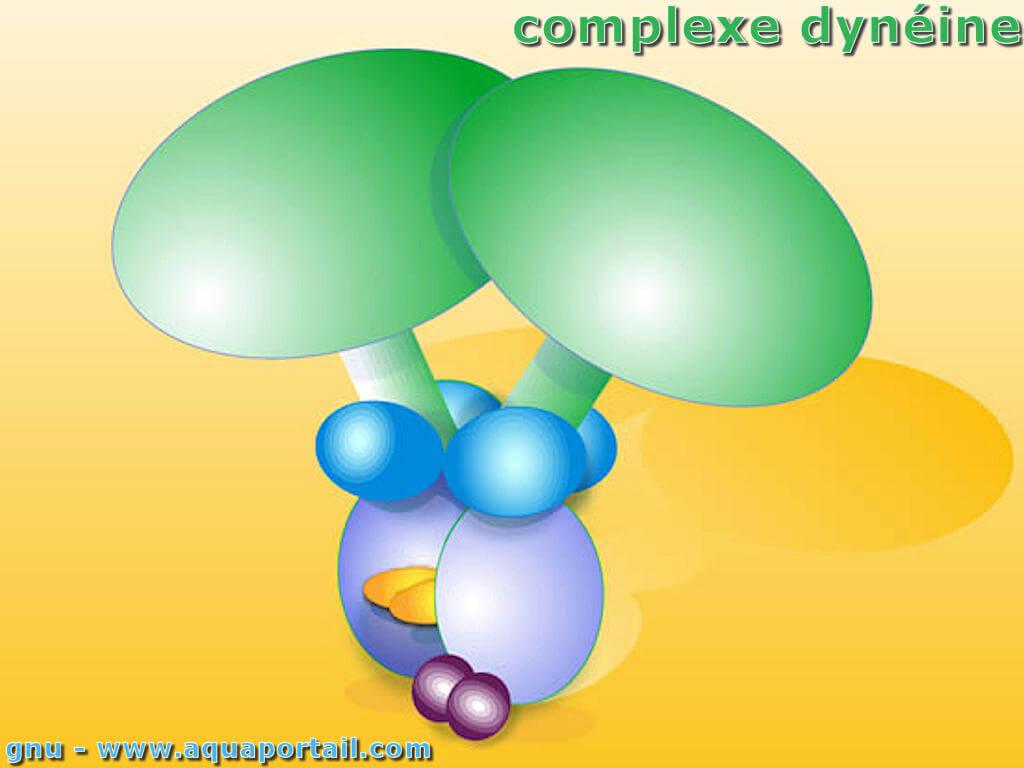
Dynein refers to a protein forming the lateral arms of microtubule doublets in eukaryotic flagella.
glycoprotein

A glycoprotein is a heteroprotein consisting of a peptide moiety covalently linked to a carbohydrate moiety.
