Glycoprotein
noun (n.)
Definition
A glycoprotein is a heteroprotein consisting of a peptide moiety covalently linked to a carbohydrate moiety. Glycoproteins are molecules composed of a protein bonded to one or more simple or complex carbohydrates.
Sugars in glycoproteins:

Glycoproteins (or glucoproteins) contain sugars whose structural formulas are shown here. Structural and cellular recognition stands out among other functions when they are present on the surface of plasma membranes (glycocalyx).
Explanations
✅ A glycoprotein is a protein bearing one or more carbohydrate chains, also called oligosaccharides, covalently attached through a process known as glycosylation. These molecules are essential for numerous biological functions, such as cell recognition, immunity, signaling, and maintaining tissue structure. Glycoproteins occur throughout the body, notably in cell membranes, mucus, hormones, and enzymes, and play a vital role in processes such as blood group determination and viral infections.
Specific glycoproteins embedded in the membranes of red blood cells determine an individual's blood type.
Abbreviated as "gp", a glycoprotein is a compound resulting from the association of a protein and a carbohydrate prosthetic group. Most membrane and secreted proteins (unlike cytosolic proteins) are glycosylated.
The term glycoprotein is generally used to refer to a molecule of defined size, usually composed of one or more oligosaccharides covalently bound to specific polypeptide side chains; it is sometimes referred to as a glycopeptide. They tend to contain a higher proportion of protein than carbohydrate.
The terms proteoglycan and peptidoglycan denote massive aggregates formed by carbohydrates and proteins or peptides, for which the term molecule has no precise meaning. Proteoglycan particles contain a higher percentage of carbohydrates than proteins.
See also mucoprotein and collagen.
Structural information on glycoprotein hormones was first obtained from human chorionic gonadotropin (hCG). Many biologically active hormones and enzymes are glycoproteins, underscoring their multifunctional roles in the body.
Characteristics
Glycoproteins exist in all types of organisms, though they are especially prevalent in the fluids and cells of animals, where they perform numerous functions. They are widespread in cell membranes or associated as components of the cell surface coat. For example, see extensin in plant cell walls.
Function
✅ Glycoproteins serve as distinct markers on cell surfaces, facilitating cell identification and interactions. These molecules are key components of the immune system, enabling white blood cells to detect and respond to foreign molecules.
Several hormones are glycoproteins, as are antibodies, various enzymes, receptor proteins, cell adhesion proteins, growth factors, cell recognition proteins, proteins conferring blood group characteristics, and proteins providing structural stability to multimolecular assemblies, etc.
It is reasonable to ask why the carbohydrate moiety is present. One hypothesis is that the attachment of sugars to a protein acts as a chemical tag identifying proteins destined for use outside the cell or within the cellular membrane network. Accordingly, proteins retained and utilized within the cell cytoplasm are not glycosylated.
Structure
The core of a glycoprotein is the protein molecule itself. Short, branched carbohydrate chains (oligosaccharides) are attached to the protein backbone.
The enzymatic process of glycosylation links the carbohydrate chains to the protein core.
As a group, glycoproteins exhibit wide variations in carbohydrate content, ranging from less than 1% to 80% of total weight. Those containing more than 4% carbohydrate are sometimes termed mucoproteins due to their high viscosity. Covalent attachment to the peptide occurs via a glycosidic bond with the side chain of serine, threonine, or asparagine residues.
Oligosaccharide groups attached to the -OH group of serine and threonine are termed "O-linked", whereas those attached to the amide -NH2 group of asparagine are termed "N-linked". The number of oligosaccharide groups per protein molecule varies, though all chains on a given molecule are usually identical.
The most common sugars in these oligosaccharides are D-galactose, D-glucose, D-mannose, L-fucose, N-acetyl-D-glucosamine, etc.
Cell recognition
Blood groups depend on the type of glycoprotein present in the erythrocyte membrane; blood group A carries an N-acetylgalactosamine oligosaccharide chain, whereas group B carries a galactose chain; consequently, group AB displays both types of glycoproteins, and group O lacks both.
To determine blood type, antisera are used, which contain antibodies recognizing a specific type of glycoprotein (anti-A serum recognizes glycoprotein A). Knowing a patient's blood type is critical for performing transfusions safely and preventing clot formation that can cause fatal strokes and thromboses.
✅ Glycoproteins help cells bind together, which is vital for tissue formation and integrity. They contribute to protein stabilization and enhance tissue resilience and durability. As components of mucus, glycoproteins protect organs by trapping contaminants and reducing friction.
They participate in intercellular communication and pathways involved in cell signaling. However, viruses also exploit glycoproteins to attach to and invade host cells.
Synonyms, antonyms
Spanish translation: glucoproteína
4 synonyms (similar meaning) for "glycoprotein":
0 antonyms (opposite meaning).
Related words and expressions to GLYCOPROTEIN are directly connected by general or specific meaning.
The word GLYCOPROTEIN is listed on page 1 of words starting with G in the dictionary glossary.
Related to "glycoprotein"
glycopeptide
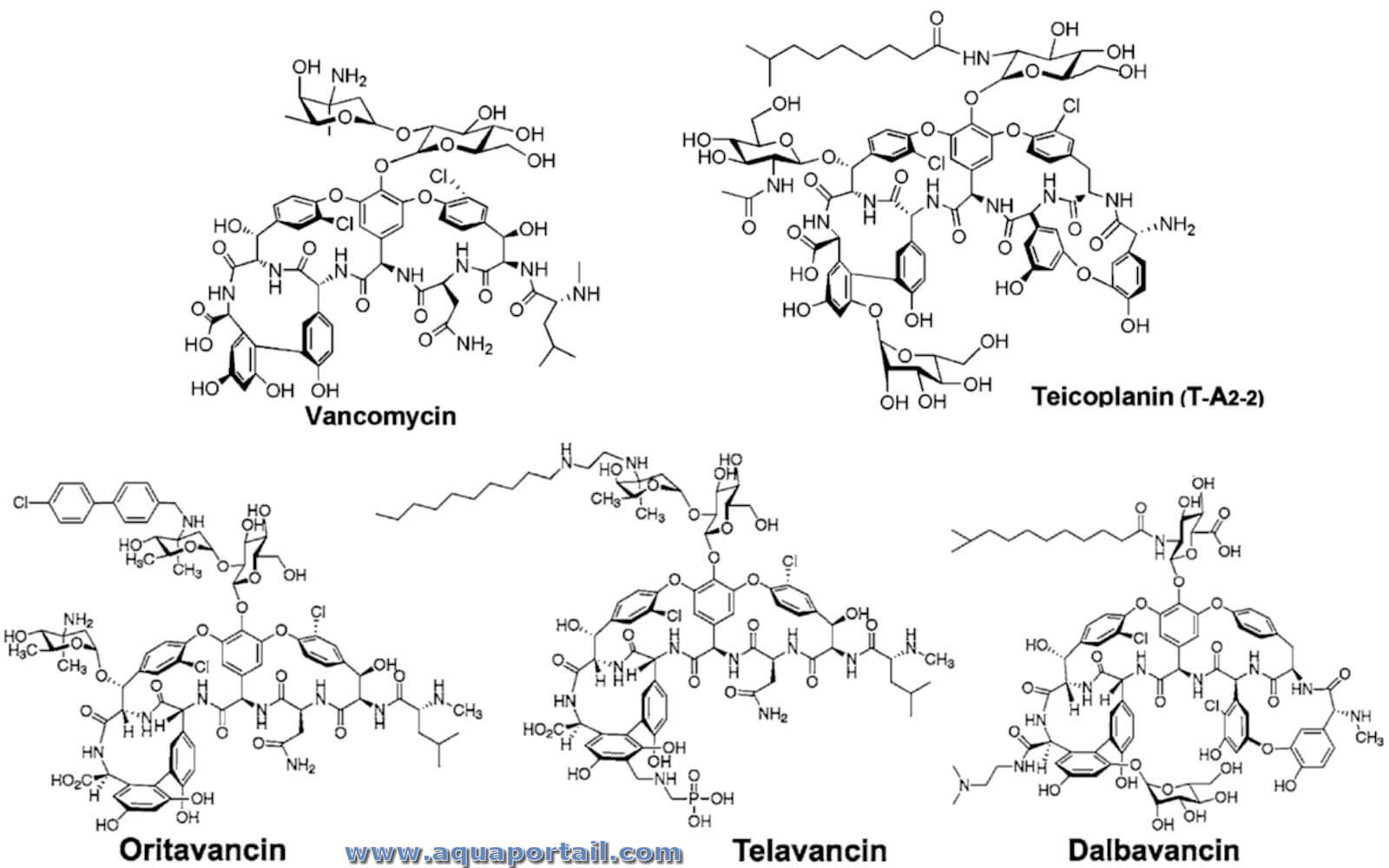
A glycopeptide is a compound formed of a peptide covalently linked to a carbohydrate moiety.
glycoproteic

Glycoproteic describes anything exhibiting the characteristics of, relating to, or involving a glycoprotein, a protein conjugated with carbohydrates.
glycogen

Glycogen is the stored form of glucose, composed of numerous interconnected glucose molecules, that animals use as an energy reserve.
glycolate
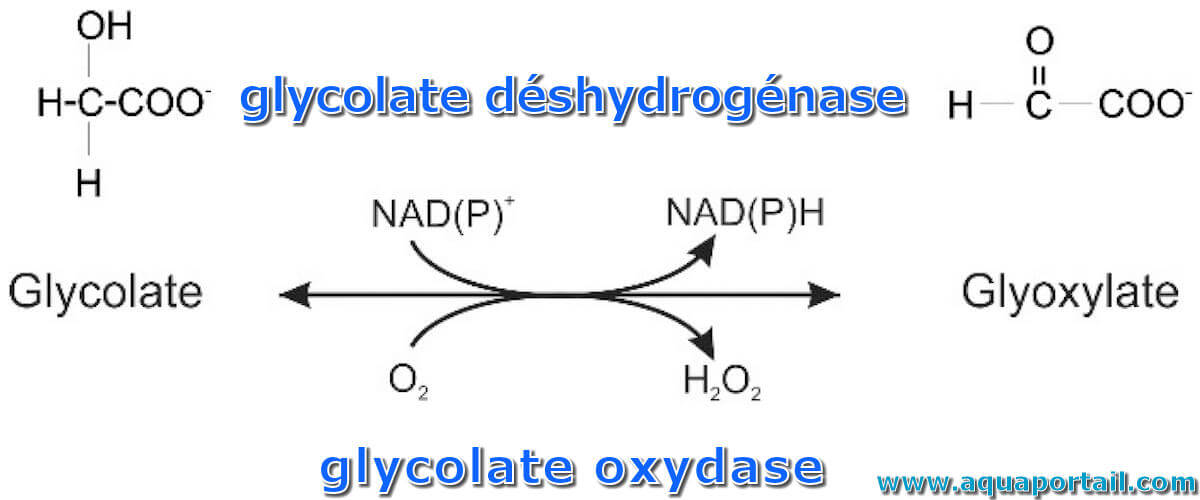
A glycolate is a salt, ester, or conjugate base of glycolic acid derived from an acetate. Glycolate is a hydroxy monocarboxylic acid anion that is an acetate...
