Carbohydrate
noun (n.)
Definition
A carbohydrate is an organic compound, a biomolecule composed of carbon, hydrogen, and oxygen. Carbohydrates include starches, sugars, and cellulose. Their primary functions are to provide living organisms with immediate energy and structural support.
Various carbohydrates as foods:

Different kinds of carbohydrates occur in foods: fruits, dried fruits, grains, breads, pastries, pasta...
Explanations
Carbohydrates belong to a large group of organic compounds comprising sugars, starch, and cellulose, containing hydrogen and oxygen in the same ratio as water (2:1). They are used as structural materials and for energy storage in living tissues.
Characteristics
Carbohydrates are classified by molecular size into monosaccharides, disaccharides, and polysaccharides. They form a family of polyhydroxy compounds (i.e., bearing numerous -OH groups) carrying an aldehyde or ketone functional group, or substances that yield these structures upon hydrolysis; their empirical formula can be written as Cn(H2O)n, which also LED to the name "hydrate of carbon". The ratio of hydrogen to oxygen is 2:1 in a carbohydrate.
Carbohydrates are organic substances that, together with lipids and proteins, make up the essential components of living matter. Carbohydrates are synthesized by living organisms during photosynthesis from carbon dioxide and water through complex enzymatic processes.
Honey, cane or beet sugar, starch, cotton, and plant gums contain high proportions of carbohydrates.
Carbohydrates are compounds formed primarily from carbon, hydrogen, and oxygen atoms. They have covalent bonds that store a large amount of energy, released when the molecule is oxidized. In nature, they are an essential constituent of living organisms, occurring within isolated biomolecules or associated with others such as proteins and lipids, and rank among the most abundant organic compounds in nature.
Carbohydrates fulfill two fundamental roles in living organisms. On the one hand, they are energy molecules that are either immediately used by cells (glucose) or stored for later use (starch and glycogen); 1 g (0.035 oz) provides 4 kcal. On the other hand, certain polysaccharides serve an important structural function as components of plant cell walls (cellulose) or arthropod cuticles.
Origin of the word
The term "carbohydrate" is a historical label rather than a literal chemical description, because these molecules are not hydrated carbon atoms bound to water molecules, but rather carbon chains bearing hydroxyl functional groups. This name originated in 19th-century chemical nomenclature, as the earliest isolated substances matched the empirical formula Cn(H2O)n (where "n" is an integer greater than or equal to 3). Consequently, the term "carbohydrate" persisted even after it was shown that they are not true hydrates.
Moreover, scientific literature widely uses "carbohydrates", and in nutrition and dietetics the term is used very frequently.
Related terms and distinctions include:
- Carbohydrates: attempts have been made to standardize terminology. Since 1996, the Joint Committee of the International Union of Pure and Applied Chemistry (IUPAC) and the International Union of Biochemistry and Molecular Biology (IUBMB) recommends the term carbohydrate
- Glucides: this French name stems from viewing them as derivatives of glucose through polymerization and water loss. The word comes from the Greek glykýs or glukús meaning sweet
- Sugars: this term applies strictly to monosaccharides (aldoses and ketoses) and lower oligosaccharides (disaccharides). In the singular (sugar), it refers to sucrose or table sugar
- saccharides: derived from the Greek sacchar meaning "sugar". It serves as the root for the major carbohydrate classes (monosaccharides, disaccharides, oligosaccharides, and polysaccharides)
Functions
Carbohydrates perform various functions, among which energy supply and structural support stand out.
Monosaccharides and disaccharides, such as glucose, act as cellular fuels, supplying immediate energy to cells; these energy-yielding carbohydrates help maintain muscular activity, body temperature, blood pressure, proper intestinal function, and neuronal activity. In addition to providing immediate energy to cells, carbohydrates also supply reserve energy.
Certain polysaccharides form highly resistant skeletal structures:
- Murein or peptidoglycan: component of bacterial cell walls
- Lipopolysaccharides: component of the outer membrane of Gram-negative bacteria
- Cellulose: component of the plant cell wall
- Chitin: constituent of the exoskeleton of arthropods such as insects and crustaceans and of fungal cell walls
- Mucopolysaccharides: part of the connective tissue matrix
In addition, carbohydrates form part of the structure of other biomolecules such as proteins, lipids, and nucleic acids.
The primary structural carbohydrate in plants is cellulose, a polysaccharide. It forms the fibrous portion of the plant cell wall.
Nutrition
Carbohydrate levels in an individual vary with nutritional status. It is suggested that 55–60% of the daily energy required by the human body should come from carbohydrates, derived from starch-rich foods such as pasta or from bodily reserves (glycogen). Overconsumption of simple sugars is discouraged due to glycemic spikes and associated oxidative stress: a very high-calorie or high-glucose diet can accelerate cellular aging.
High-energy-density diets may be needed in cold climates or during periods of high muscular energy expenditure. Note that a sedentary lifestyle or lack of sufficient daily physical activity impairs fat and carbohydrate metabolism.
Carbohydrates, due to their strongly hydrophilic nature, bind water, occupy more volume within cells, and are hydrolyzed by digestive enzymes more rapidly than proteins or fats, making them a rapidly mobilized energy source. Proteins and fats are essential building blocks for body tissues and cells, and it is therefore advisable not to waste such resources by relying on them primarily for energy production.
Carbohydrates are not strictly essential nutrients because the body can synthesize glucose from other substrates (gluconeogenesis). The brain relies primarily on glucose for energy and can maintain blood glucose levels through gluconeogenesis. Protein metabolism provides about 4 kcal per gram, whereas fats provide 9 kcal and alcohol 7 kcal per gram.
Carbohydrate-rich foods include pasta, potatoes, high-fiber foods, grains, legumes, vegetables, and fruits. Carbohydrates play a role in regulating blood glucose and insulin secretion. Based on evidence regarding cardiovascular risk and obesity, the Institute of medicine (United States) recommends that American and Canadian adults obtain 45 to 65% of food energy from carbohydrates. The FAO (Food and Agriculture Organization) and WHO (World Health Organization) issue dietary guidelines generally setting a target of 55–75% of total energy from carbohydrates, with less than 10% from free sugars (simple carbohydrates).
The distinction between "good carbs" and "bad carbs" lacks rigorous scientific basis. Although these concepts have been used in designing ketogenic or low-carbohydrate diets, which promote reducing grain and starch intake in favor of proteins and fats, they result in lower insulin levels and increased fat utilization for energy through ketosis.
Synonyms, antonyms
Spanish translation: carbohidrato
3 synonyms (similar meaning) for "carbohydrate":
0 antonyms (opposite meaning).
Related words and expressions to CARBOHYDRATE are directly connected by general or specific meaning.
The word CARBOHYDRATE is listed on page 1 of words starting with C in the dictionary glossary.
Related to "carbohydrate"
saccharide

A saccharide is a carbohydrate, a biomolecule composed of carbon, hydrogen, and oxygen atoms, usually with a hydrogen-to-oxygen atomic ratio of 2 :1.
carbonic anhydrase

Carbonic anhydrase (CA) catalyzes the reversible hydration and dehydration reactions of CO₂/H₂CO₃.
carboxamide
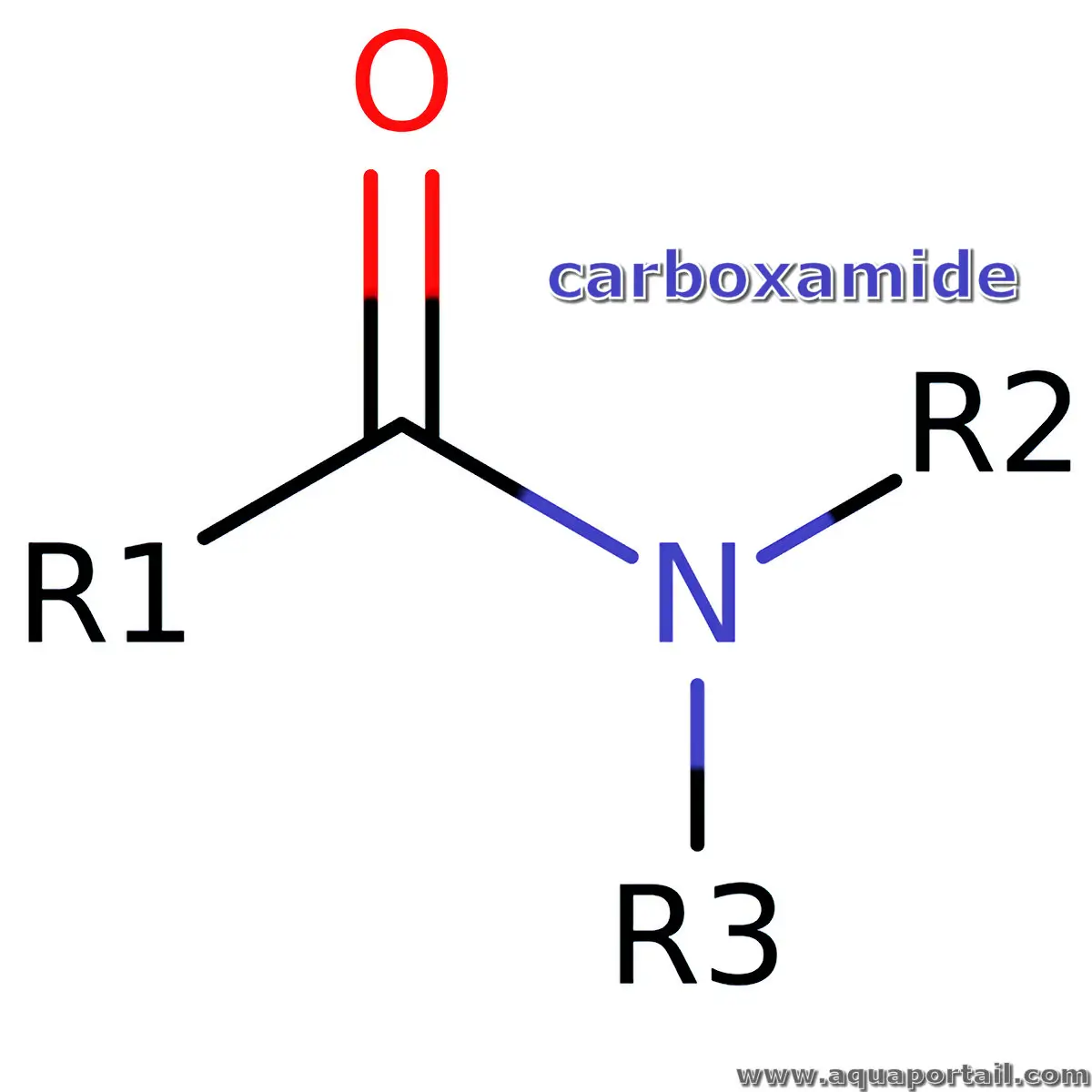
A carboxamide is a carboxylic acid amide having the structure RC(=O)NR₂. The term is used as a suffix in systematic nomenclature to designate the group...
carboxylate

A carboxylate denotes the anionic form of a salt or ester of a carboxylic acid, characterized by the deprotonation of the hydroxyl group (−OH) of the carboxyl...
Simple summary
A carbohydrate is a biomolecule composed primarily of carbon, hydrogen, and oxygen atoms, generally exhibiting a 2-to-1 ratio of hydrogen to oxygen atoms. Serving mainly as a major energy source, carbohydrates can be classified into categories such as monosaccharides, disaccharides, and polysaccharides, each differing in complexity and function. Widely present in foods such as grains, fruits, and vegetables, carbohydrates form a fundamental part of the human diet.
