Glycerol
noun (n.)
Definition
Glycerol (= glycerin) is a trihydric alcohol of syrupy consistency and sweet taste that enters into the composition of certain lipids (glycerides). Long known as glycerin, with the molecular formula C3H8O3, glycerol is an organic compound whose structure bears three -OH groups, also called propane-1,2,3-triol.A molecule of glycerol (formerly glycerin):

Glycerol is the simplest of the trihydric alcohols. It appears as a colorless viscous liquid that is miscible with water. Glycerin is sometimes regarded as a mixture of 80% glycerol and 20% water (though this distinction is debated).
Explanations
Glycerol (or glycerin) is a colorless, sweet, viscous liquid formed as a by-product in soap manufacturing. It is used as an emollient and laxative, and to manufacture explosives and antifreeze.
Characteristics
Glycerol is a component of lipids (oils and fats) and of phospholipids or glycolipids, from which it is obtained by hydrolysis or transesterification. When the body draws upon its fat reserves, triglycerides first break down into fatty acids and glycerol; the latter is converted into glucose in the liver, thus becoming an energy source for cellular metabolism.
At room temperature, it is a rather dense, viscous, sweet, colorless liquid; the presence of three -OH groups makes it miscible with water in all proportions.
Produced industrially as a by-product of soap making, it is used in the manufacture of syrups, pharmaceutical and cosmetic creams, and as a food additive identified by the code E422. It is also a reagent used in the synthesis of more complex organic compounds. In wine, it adds roundness and body to the flavor. It is used in producing liquids for electronic cigarettes. Liquid glycerol is also combined with 2 parts distilled water in fluid for stage fog machines. It is likewise used in the production of nitroglycerin.
Glycerol is also a by-product of biodiesel production. See also hydrogenolysis of glycerol.
It was first synthesized by Carl Wilhelm Scheele (1742–1786) in 1779. Being one of the main by-products of alcoholic fermentation, glycerol was produced on an industrial scale during wartime (fermentation of apple and grape juices, and inhibition of acetaldehyde reduction to ethanol using sulfur dioxide).
Glycerol has excellent solvent properties for tannins, phenol, and boric acid. When present in high percentages, it also acts as a preservative and is sometimes added to aqueous solutions. The caustic action of certain compounds (such as phenol and iodine) is milder in a glycerinated solution. Due to its viscosity, glycerin solutions are best prepared with gentle heating. Glycerides are highly hygroscopic and must therefore be stored in tightly sealed containers.
Examples of pharmaceutical glycerides:
- among ear drops, glycerin ichthammol and sodium bicarbonate glycerin solution
- among solutions for external use, glycerinated iodine solution
The green alga Dunaliella salina can thrive in the hypersaline waters of salt marshes by synthesizing this metabolite to regulate its osmotic pressure using glycerol.
Uses
Glycerol administered orally acts as a laxative; administered intravenously with sodium chloride, it is indicated for treating intracranial and intraocular hypertension in adult patients.
Data on the use of glycerol during pregnancy or breastfeeding are limited. However, glycerol intake is not contraindicated during pregnancy or lactation; as a precaution, it is preferable to take the medication only when needed and after careful assessment of the risk-benefit ratio.
Glycerol should be administered with caution to diabetic patients: through dehydration, it promotes the onset of hyperglycemia and glycosuria.
Prolonged use of laxatives such as glycerol can induce diarrhea leading to loss of water, mineral salts, or other essential nutrients and, in severe cases, dehydration or hypokalemia. Abuse of laxatives (glycerin suppositories) can also lead to dependence and progressive dosage escalation, intestinal atony, and chronic constipation. Hypokalemia associated with laxative abuse can impair cardiac or neuromuscular function: glycerol should be administered cautiously to patients receiving cardiac glycosides, diuretics, or corticosteroids.
During intravenous glycerol therapy, glycerol must be administered with caution in patients with renal insufficiency because irreversible osmotic nephrosis may occur; renal function must be monitored during treatment. In the presence of congestive heart failure, edema, or fluid retention, glycerol should be used cautiously. Simultaneous administration of a blood transfusion through the same intravenous infusion line can cause hemolysis.
Glycerol (or glycerin) is a precursor for the synthesis of triglycerides and phospholipids in the liver and adipose tissue. When the body uses stored fat for energy, glycerol and fatty acids are released into the bloodstream. Glycerol can be converted into glucose in the liver, supplying energy for cellular metabolism.
Glycerol kinase is primarily present in the liver. In adipose tissue, glycerol-3-phosphate is derived from dihydroxyacetone phosphate by the enzyme glycerol-3-phosphate dehydrogenase.
An important derivative of glycerol is α-glycerol-3-phosphate, in which the -OH at carbon 3 is esterified by a phosphate group (-PO32-); most living tissues synthesize triglycerides and phospholipids from α-glycerol-3-phosphate and fatty acyl-CoA.
Glycerol: by-product of biodiesel
Glycerol is generated in large quantities as a co-product of the biodiesel manufacturing process. Currently, one of the major challenges is how to valorize this by-product, which carries significant economic and environmental impact in industrial biorefineries.
It is a non-toxic, non-irritating, biodegradable, and recyclable compound possessing a range of physical and chemical properties that make it a viable alternative solvent to conventional organic solvents. It is characterized by a high boiling point, low vapor pressure, strong ability to dissolve organic and inorganic compounds, and stability under normal pressure and temperature conditions. Moreover, glycerol can readily be converted into methanol, ethanol, 1-propanol, and propanediol (1,2-propanediol; 1,3-propanediol) via hydrogenolysis reactions, making it a valuable feedstock for preparing other solvents.
Because of all these qualities, it can be used as a humectant, plasticizer, emollient, thickener, dispersing agent, lubricant, sweetener, and antifreeze. It can also serve as an ingredient in cosmetics, toiletries, pharmaceuticals, and food products.
Furthermore, glycerol is used as a raw material in the chemical synthesis of dendrimers, hyperbranched polyethers, and polyesters with high specific surface area and numerous functional branches. Along these lines, glycerol can serve as a green solvent in catalytic and non-catalytic organic reactions and synthetic methodologies offering good conversion yields and selectivity. It is an environmentally friendly solvent that can act as a reaction medium, solubilizing reagents and catalysts, enabling microwave-assisted reactions, and allowing straightforward product separation and recycling of transition-metal complexes. Research has explored nucleophilic substitution reactions, stoichiometric reductions with NaBH4 and catalytic reductions with H2/Pd, Suzuki and Heck cross-couplings, and enzymatic transesterifications.
High product conversions and selectivities have been achieved, and while it cannot be claimed as the optimal solvent for every case, these findings support continued research into glycerol as a green solvent. Additionally, the catalytic reduction of β-ketoesters and ketones in the presence of glycerol delivers excellent yields and selectivities, comparable to results obtained using water as a solvent and superior to those achieved with ionic liquids and fluorinated media.
The use of glycerol in the microbiological industry is also being explored to obtain high-value-added products, as it shows promise as a novel carbon source for microbial fermentation. Recently, converting bioglycerol into glycerol carbonate has been investigated through another route: urea glycerolysis, which could prove useful on an industrial scale in the near future. This process achieves an 80% conversion rate and selectivity close to 100%.
Synonyms, antonyms
Spanish translation: glicerol
3 synonyms (similar meaning) for "glycerol":
0 antonyms (opposite meaning).
Related words and expressions to GLYCEROL are directly connected by general or specific meaning.
The word GLYCEROL is listed on page 1 of words starting with G in the dictionary glossary.
Related to "glycerol"
glycerin
Glycerin, formerly known as glycerol, is an alcohol with three hydroxyl groups and one of the main products of the digestive breakdown of lipids.
gabelle

The gabelle was an ancient excise tax on salt. This indirect tax remained the main source of revenue for the French monarchy until the Revolution of 1789...
galactan
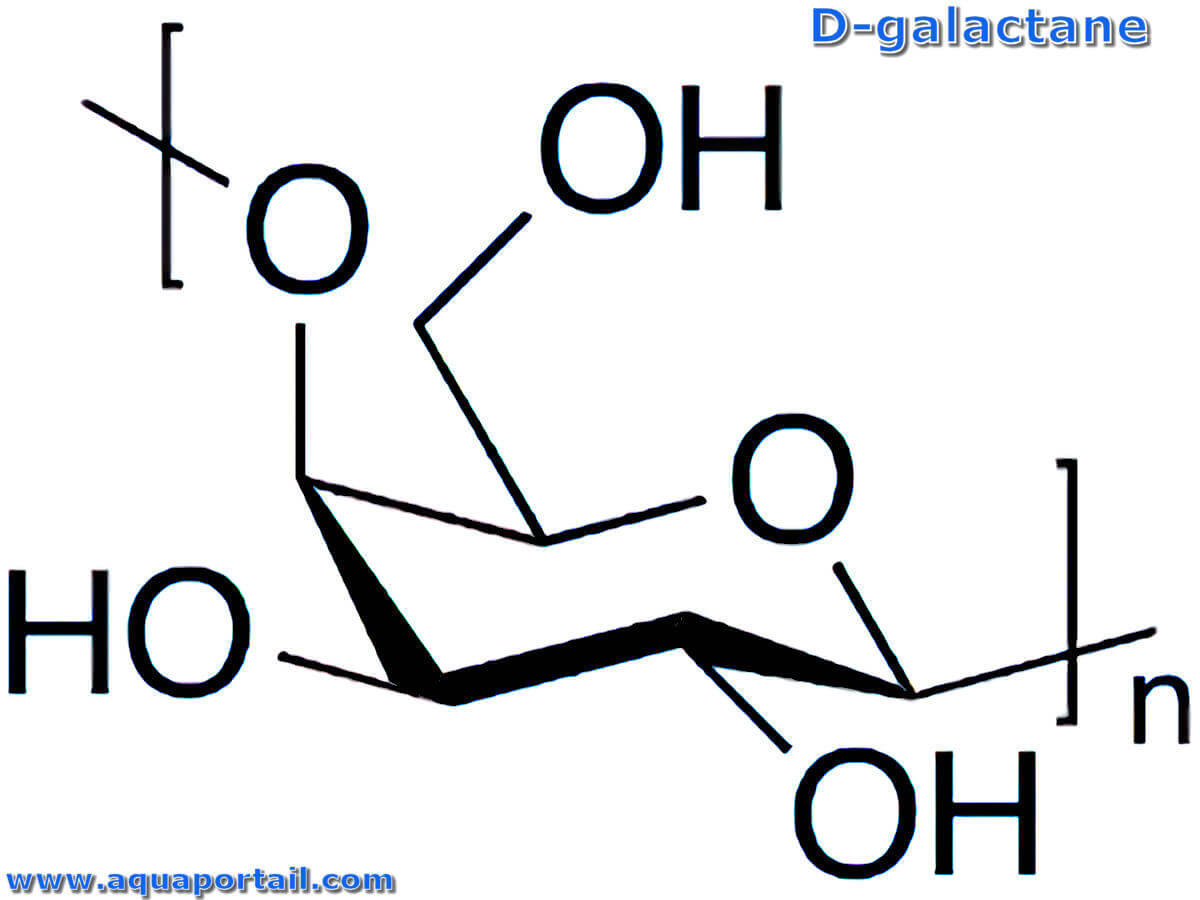
A galactan (galactosan) is a polymer composed of L- and D-galactose, a water-soluble hemicellulose made up of branched hydrosoluble polysaccharides.
gametangium

In botany, a gametangium is an organ or cell structure in which gametes are produced, as seen in mosses and liverworts.
