Glycerin
noun (n.)
Definition
Glycerin, formerly known as glycerol, is an alcohol with three hydroxyl groups and one of the main products of the digestive breakdown of lipids. In a preliminary step to the Krebs cycle, it also appears as an intermediate product of alcoholic fermentation. Its molecular formula, as propane-1,2,3-triol, is C3H8O3.A molecule of glycerin (glycerol):

Glycerin, now mostly called glycerol, is present in all oils as well as animal and vegetable fats in a combined form, meaning bound to fatty acids such as stearic, oleic, palmitic, and lauric acids to form a triglyceride molecule.
Explanations
Together with fatty acids, glycerin is one of the components of lipids such as triglycerides and phospholipids. It occurs as a liquid at an ambient temperature of 25 °C (77 °F) and is hygroscopic and colorless. It has a high viscosity coefficient and a sweet taste like other polyalcohols.
✅ Coconut and palm oils contain a large amount (70–80%) of fatty acids with carbon chains of 6 to 14 carbon atoms. All glycerin produced worldwide until 1949 came from the soap industry.
More glycerin molecules are obtained from oils containing fatty acids of 16 to 18 carbon atoms, such as animal fats, cottonseed oil, soybean oil, olive oil, and palm oil.
Combined glycerin is also present in all animal and plant cells (vegetable glycerin) as part of their cell membranes in the form of phospholipids.
Origins and occurrence
Glycerin is present in all oils as well as animal and vegetable fats in combined form, meaning bound to fatty acids such as stearic, oleic, palmitic, and lauric acids to form a triglyceride molecule. Coconut and palm oils contain a high proportion (70 to 80%) of fatty acids with carbon chains of 6 to 14 carbon atoms.
More glycerol molecules are produced in oils containing fatty acids of 16 to 18 carbon atoms, such as fats, cottonseed oil, soybean oil, olive oil, and palm oil. Combined glycerol is also present in all animal and plant cells as part of their cell membranes in the form of phospholipids.
Production of glycerin
All glycerin produced globally until 1949 originated from the soap industry. Currently, 70% of glycerol production comes from the United States and is derived from glycerides (natural fats and oils), while the remainder comes from synthetic glycerin production (a by-product of propylene) and the production of fatty acids and fatty acid esters (biodiesel).
It was historically produced by the saponification of fats as a by-product of soap manufacturing.
It can also be obtained as a by-product during biodiesel production via transesterification. Triglycerides react with an alcohol such as ethanol in the presence of a catalyst to yield fatty acid ethyl esters and glycerol.
Glycerin can also be synthesized through various pathways using propylene.
Health and risk factors
Glycerol has been recognized as safe for human consumption since 1959. It can be used in various food products for different purposes. Median lethal doses (LD50) are 12,600 mg/kg in rats and 18,700 mg/kg in guinea pigs. Several studies have shown that large amounts of glycerol (synthetic or natural) can be administered without causing adverse health effects.
Synonyms, antonyms
Spanish translation: glicerina
4 synonyms (similar meaning) for "glycerin":
- glycerol
- polyalcohol
- propanetriol
- trialcohol
0 antonyms (opposite meaning).
Related words and expressions to GLYCERIN are directly connected by general or specific meaning.
The word GLYCERIN is listed on page 1 of words starting with G in the dictionary glossary.
Related to "glycerin"
glycerol
Glycerol (= glycerin) is a trihydric alcohol of syrupy consistency and sweet taste that enters into the composition of certain lipids (glycerides).
gabelle

The gabelle was an ancient excise tax on salt. This indirect tax remained the main source of revenue for the French monarchy until the Revolution of 1789...
galactan
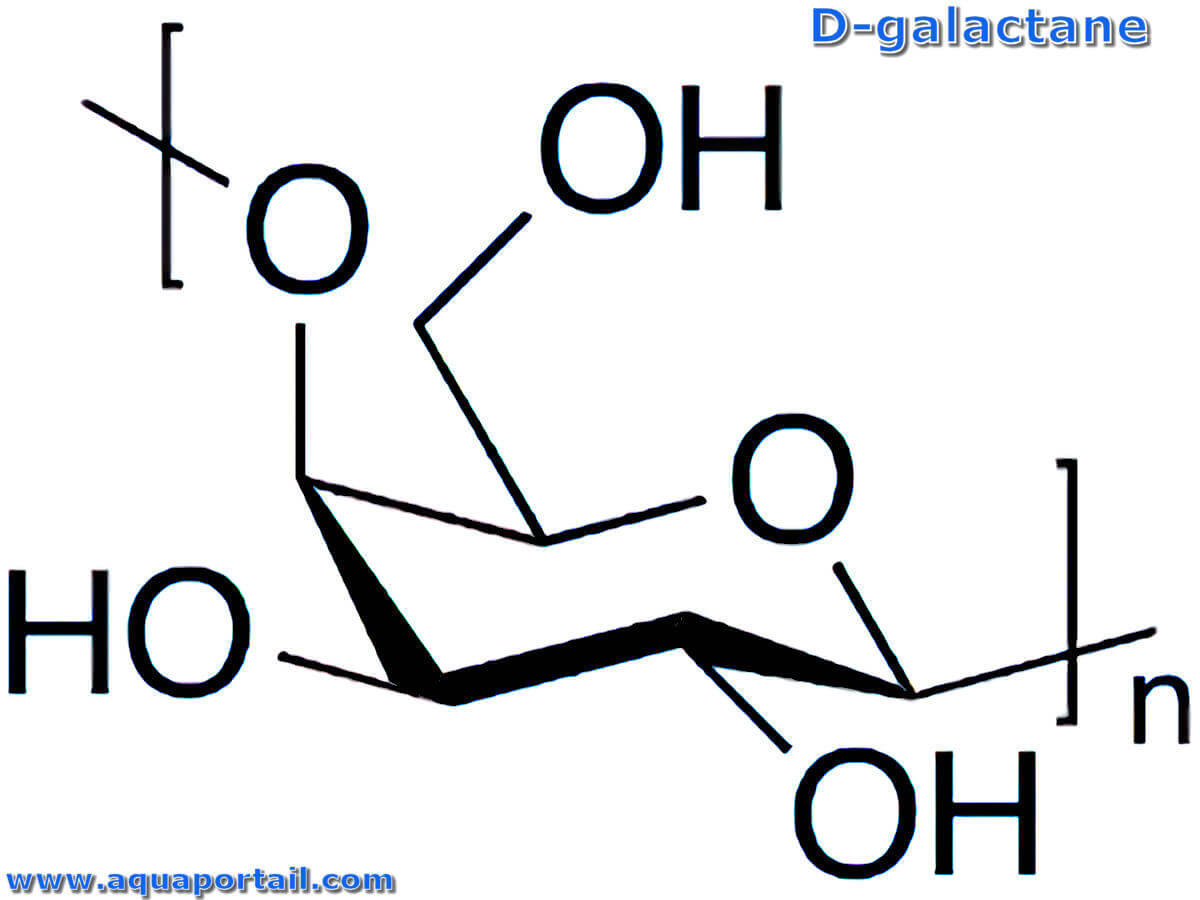
A galactan (galactosan) is a polymer composed of L- and D-galactose, a water-soluble hemicellulose made up of branched hydrosoluble polysaccharides.
gametangium

In botany, a gametangium is an organ or cell structure in which gametes are produced, as seen in mosses and liverworts.
