Caterpillar
noun (n.)
Definition
A caterpillar is the name of the first larval stage after hatching from a butterfly or moth egg in the developmental cycle of a lepidopteran. After metamorphosis into a chrysalis, the caterpillar reaches the adult stage, the butterfly or moth (imago). Caterpillars are mostly herbivorous. However, about 1% of caterpillar species are not phytophagous, but are insectivorous, or even cannibalistic, or have other very rare diets.
The Monarch caterpillar:

The Monarch butterfly caterpillar and the parsley caterpillar look very much alike. Both feed on local plants and both transform into magnificent butterflies.
Explanations
A caterpillar is the larva of a butterfly or moth having a segmented, worm-like body with three pairs of true legs and several pairs of leg-like appendages. Caterpillars may be hairy, have warning coloration, or be colored to blend in with their environment.
Ecological importance
Caterpillars are generally inconspicuous insects, yet species such as the silkworm (for sericulture) and the oak processionary caterpillar play a major role in human daily life and are well known to the general public. Certain caterpillars are serious crop pests, inexorably consuming the entire foliage of a plant.
In ecology, caterpillars are an important group because not only do they consume vast amounts of plant material (they are fast-growing), but they are also preyed upon by a wide variety of animals, from birds to parasitic wasps. They have a characteristic body plan that can only be confused with a few larvae of other insect orders. Caterpillars possess many sophisticated tricks to stay out of the clutches of predators.
Growth
Caterpillars must ingest enormous quantities of food because they often eat leaves that contain little energy. Moreover, they must grow substantially. Indeed, in many species, the nearly full-grown caterpillar is thousands of times larger and heavier than a caterpillar that has just hatched from the egg.
This makes them the fastest-growing organisms in the animal kingdom, with one of the most extreme species gaining 10,000 times its initial weight in less than 20 days. The stored energy is not only used to enable the transition from pupa (chrysalis) to butterfly.
Many adult butterflies and moths no longer take in food after emerging from the chrysalis. All the energy used to fly, find a mate, and reproduce was accumulated in the caterpillar stage in these species.
Almost all caterpillars have a host plant, which is the plant the caterpillar feeds on. It does not necessarily have to be a single distinct species; sometimes all or several species of a plant genus or family are suitable. Examples include the peacock butterfly, whose caterpillars eat nettles. The cinnabar moth caterpillar (Tyria jacobaeae) lives on ragworts, the oak processionary caterpillar (Thaumetopoea processionea) on oak, and the silkworm (Bombyx mori) on white mulberry.
Not all caterpillars eat plant parts such as leaves; some feed on dead matter (such as fur and wool in clothing for certain clothes moths) or hunt prey as carnivores.
Caterpillars generally molt four to five times in their lives to grow. Many species look different as young caterpillars than in their final instar. After this, pupation occurs and the adult butterfly emerges.
The duration of the pupal stage varies from a few days to several months, depending on the species and conditions. Primarily caterpillars, but also chrysalides, are sensitive to temperature fluctuations and excessively high or low humidity.
Morphology and anatomy
Caterpillars come in many different shapes, sizes, and colors. A caterpillar's colors are usually green or brown, but many species have bright colors to deter predators or signal that they are toxic. Most species have hairs, although this is not always visible. Some caterpillars have prominent hairs arranged in rows, combs, or tufts.
In a number of species, these hairs are irritating (urticating) when inhaled or touched. Spines also exist, both hardened hair-like spines and soft spines (false spines, setae).
Each butterfly species has its own caterpillar, though those of some species are very similar. This is particularly true for toxic species, which are mimicked by non-toxic species to take advantage of the unpalatability of the model species. This is called mimicry and also occurs in adult butterflies and many other insects.
Morphological anatomy of a caterpillar:

Diagram with anatomical and morphological description of a caterpillar, including cephalic details and the digestive system.
The head consists of a chitin capsule with short antennae and large rasping jaws. The elongated body consists of 13 segments. The first three are destined to become the butterfly's thorax and bear three pairs of legs. These are the "true legs" (ambulatory or walking legs) that the adult insect also possesses. Up to four pairs of "prolegs" (fleshy abdominal legs) are located on the middle segments of the abdomen, and sometimes a pair of anal prolegs can also be found on the last abdominal segment. There is a distinct gap between the thoracic legs and the abdominal prolegs.
There are hooks (crochets) on the prolegs, which are often softer than the three front pairs, which are more jointed.
The caterpillar's gut appears able to move independently of the skin and remain somewhat "loose" within the body. Research on the tobacco hornworm Manduca sexta has shown that during crawling, the gut moves forward immediately with the rear prolegs, followed by the mid-prolegs and the true legs. This movement of the gut independent of the body wall is unique in the animal kingdom.
Caterpillars have six small simple eyes, called ocelli (stemmata), located on the lower half of their head, though the vision provided by these ocelli is poor. Caterpillars search for food using their short antennae. They do not breathe through their mouth, but through tubes (tracheae) with an opening (spiracle, pore) on each segment on either side. The tubes form a network of air passages throughout the body.
Many caterpillars have silk glands (like spiders) in their head, with which they sometimes spin a cocoon before pupation. A caterpillar can literally lower itself on a silk thread. There are even species that release silk into the wind, and if the drag of the silk is great enough, the caterpillar floats away with it, much like certain spiders (ballooning). This enables them to disperse rapidly over long distances.
Some species even use silk to trap snails to eat them. Many moths, in particular, spin a cocoon, the most famous example being the silkworm, the larva of the silk moth. The cocoon is then carefully unwound and the silk is spun into thread.
Defense mechanisms
Caterpillars are a welcome meal for birds and other animals due to their high protein content. Only a few species are toxic and left alone. Most species lead a discreet existence thanks to their excellent camouflage. The caterpillars of many moths straighten their bodies and resemble a twig on the branch where they rest.
Possible confusions
There are also larvae of other insects that sometimes resemble caterpillars and are called as such, though they are generally termed "false caterpillars". In particular, the larvae of many sawflies resemble caterpillars with a leaf-eating lifestyle. Differences include sawfly larvae often having prolegs on nearly every segment, more than caterpillars, and a slightly more distinct rounded head.
In some species, however, the differences are hard to spot, as sawfly larvae also employ tricks found in caterpillars, such as an appearance resembling bird droppings.
Some beetle larvae also occasionally resemble a caterpillar, such as the alder leaf beetle larva, as well as many leaf-rolling weevils (family Attelabidae). One difference from many, though not all, caterpillars is that beetle larvae often exhibit window-feeding">feeding; they do not start at the leaf edge but in the middle, creating holes.
False caterpillar
A false caterpillar is a larva of certain hymenopterans (Symphyta) that closely resembles that of lepidopterans. Both lepidopteran and symphytan larvae have eruciform body shapes. The eruciform larva (distinct from the campodeiform larva) often holds an erect posture.
Synonyms, antonyms
Spanish translation: oruga
0 synonyms (similar meaning) for "caterpillar".
0 antonyms (opposite meaning).
Related words and expressions to CATERPILLAR are directly connected by general or specific meaning.
The word CATERPILLAR is listed on page 1 of words starting with C in the dictionary glossary.
Related to "caterpillar"
cactus

A cactus is a thick, fleshy plant that grows in many hot, dry regions of the world. Cacti do not have leaves, and many are covered with spines.
caecilian

A caecilian (gymnophione) is a limbless, burrowing, worm-like amphibian whose legs are vestigial or absent.
caldera

A caldera is a large, cauldron-like volcanic depression formed by volcanic activity. Calderas form when vast volumes of pyroclastic material are erupted from...
cancer
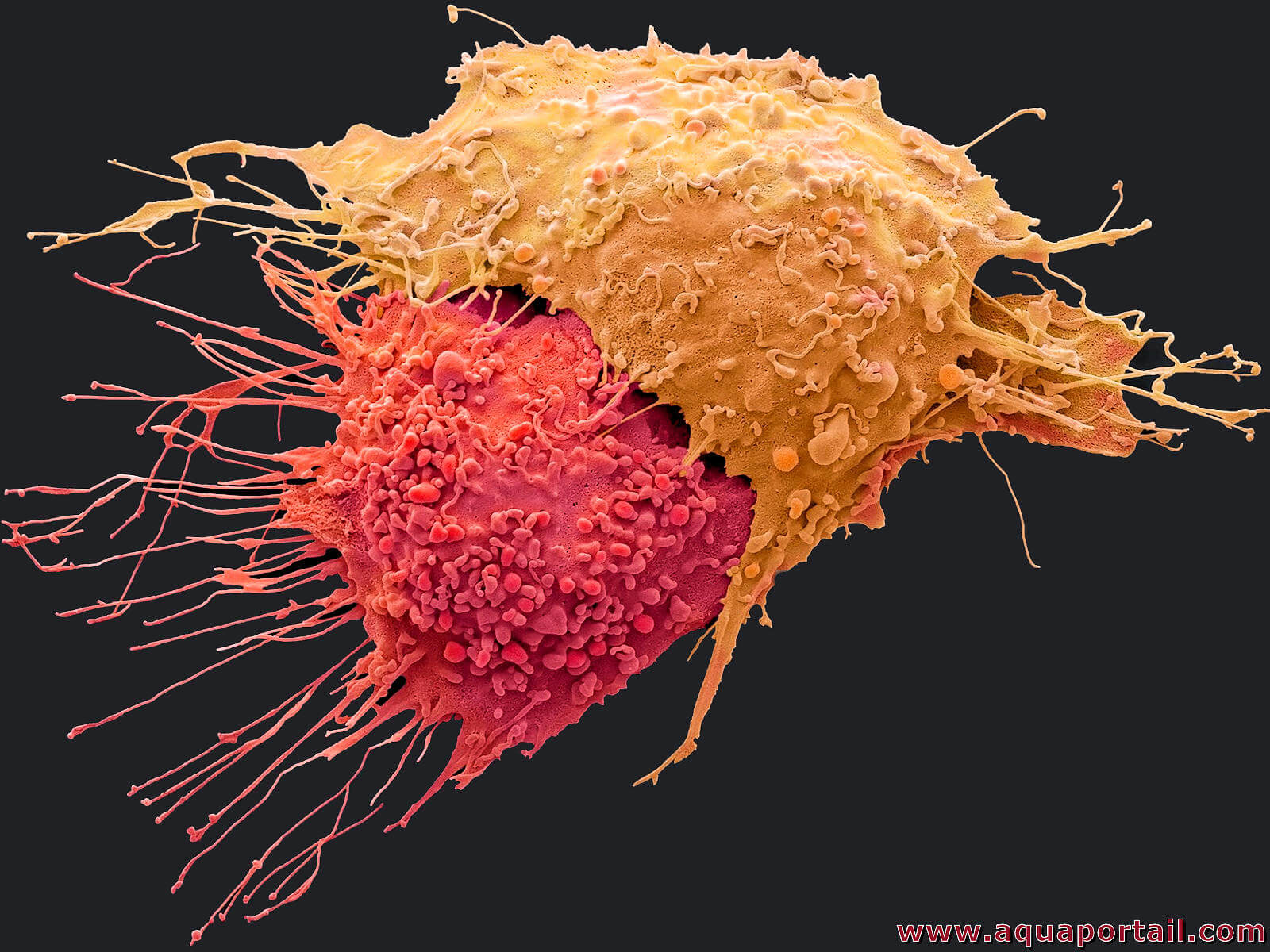
Cancer is a disease in which certain cells of the body grow uncontrollably and spread to other parts of the body.
