Egg
noun (n.)
Definition
An egg is a mature female germ cell after fertilization. See oocyte, zygote, and spawning. Eggs are described as free, attached, protected, etc. The egg is a diploid cell resulting from the fertilization of an ovum by a spermatozoon or from parthenogenetic activation, synonymous with zygote (egg cell). Implantation of the fertilized egg in the mammalian uterus is called nidation.
The egg also refers to the whole composed of the zygote and its envelopes: jelly coat in Amphibians, albumen, shell membranes, and shell in birds, egg case in Selachians...
Goldfish eggs in an aquarium:

The eggs of the famous goldfish are yellow in aquarium-bred strains. In cyprinids such as goldfish, the eggs are scattered among aquatic vegetation and stick to plants because they are adhesive. The most favored plants are Cabomba or dense waterweeds. Spawned eggs hatch within 48 to 72 hours.
Explanations
As applied to aquaculture, eggs (roe) are fish or invertebrate gonads marketed in various ways and usually designated by individual species, for example cod roe, salmon roe, trout roe, etc. These edible eggs are called roe.
Clownfish eggs in a marine aquarium:

During egg development, here clownfish eggs, the larva about to hatch takes clear shape, revealing its eyes and orange yolk sac. At this stage, the clownfish fry will hatch within 12 hours.
See also egg churning in mouthbrooders, as well as resting egg, adhesive egg, egg cleaning, eyed egg, green egg, pelagic egg, benthic egg, demersal egg, crab roe... See also segmented egg.
In phanerogams, the ovule is a part of the carpel, which bears several ovules that develop into seeds after fertilization.
As part of a slimming or weight-loss diet, egg white (hard-boiled, for example) is an effective anorectic appetite suppressant.
Bird eggs
The study of bird eggs is called oology. Bird eggs vary in color and can be richly patterned with spots and other markings. They vary in shape and size and must be thick enough to support the weight of an incubating parent, yet thin enough to allow the embryo to pip and hatch.
Bird eggs:

Various bird eggs of widely differing sizes and colors.
In addition to warmth and protection, all the resources required for the growth and maturation of a chick are neatly and hermetically packaged inside the surrounding eggshell. The color, size, and incubation of eggs vary from one species to another and allow very precise identification.
Hydropyle
A hydropyle denotes the specialized area of an egg involved in water absorption when required for embryonic development, notably when the egg is laid in arid environments.
Egg drying
Egg drying (diapause) is a mandatory transitional stage for the reproduction of annual or semi-annual fish species. The eggs undergo a dry period due to climate (in the wild) and water is completely driven out.
Thanks to a desiccation-resistant membrane, the eggs tolerate a more or less prolonged dry period, and as soon as the eggs are placed back in contact with water, embryonic development resumes to reach the hatching stage. A well-known example in freshwater aquarium keeping is the killifish.
Egg shocking
In salmon and trout farming, egg shocking is a process consisting of turning unfertilized salmon and trout eggs opaque and whitish so they can be separated from fertilized eggs.
The technique involves agitating eyed eggs sufficiently to rupture the vitelline membrane of infertile eggs, causing them to turn whitish.
Resting egg
A resting egg (diapause egg) is a term used in several invertebrate groups (Rotifers, Crustaceans, cladocerans, nematodes, Tardigrades) for eggs possessing a thick protective shell, generally laid in summer, that wait until the following spring to develop.
These resting eggs can withstand not only low temperatures, but also the drying up of the ponds where the adults lived. Hatching of these eggs, which are generally few in number and large in size, always yields females that generate a new population through parthenogenesis.
Adhesive egg
An adhesive egg is a concept used primarily for demersal eggs whose outer envelope contains a sticky substance, allowing them to attach to substrates or surfaces. Treating the eggs with tannin or milk can neutralize this adhesive layer.
Green egg
In salmon farming, a green egg is a common expression describing a healthy, newly fertilized salmonid egg, which has a greenish hue. At this stage of development, the eggs are highly vulnerable to shock!
Eyed egg
An eyed egg denotes an egg in which the embryo has reached an advanced stage of development and where the two well-pigmented eyes can be easily discerned. At this stage, opaque salmonid eggs, for example, are resistant to mechanical shock: this is when they are normally transported.
Oolysis
In plant biology, oolysis is the degeneration of an unfertilized egg cell (which has thus remained in the ovule stage), following a malformation of plant ovules. It is the lysis of an oocyte.
It consists of a kind of dissolution of the ovules; in this malformation, the ovules turn into partially green leaf-like appendages of the carpels.
Synonyms, antonyms
Spanish translation: huevo
2 synonyms (similar meaning) for "egg":
0 antonyms (opposite meaning).
Related words and expressions to EGG are directly connected by general or specific meaning.
The word EGG is listed on page 1 of words starting with E in the dictionary glossary.
Related to "egg"
egg-box model

Egg boxes (egg-box model) designate a shape similar to that of cardboard or plastic cartons used for packaging eggs.
zygote

The zygote is the diploid cell resulting from the fusion of two haploid gametes, one male and the other female.
hypnozygote
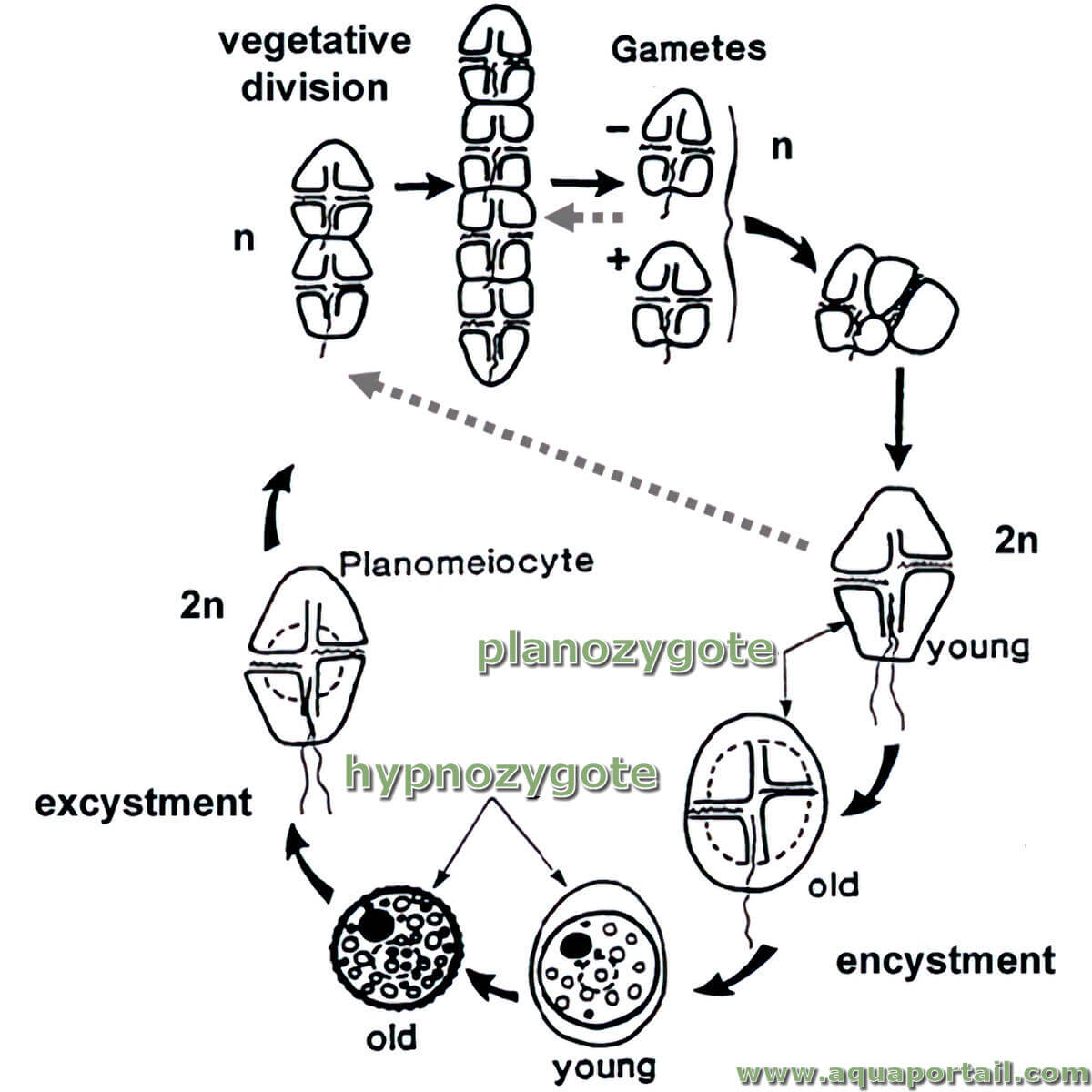
A hypnozygote is a dormant resting zygote enclosed in a thickened cyst wall. Sac-like in form, it results from fertilization (sexual fusion) and germinates...
E=mc2
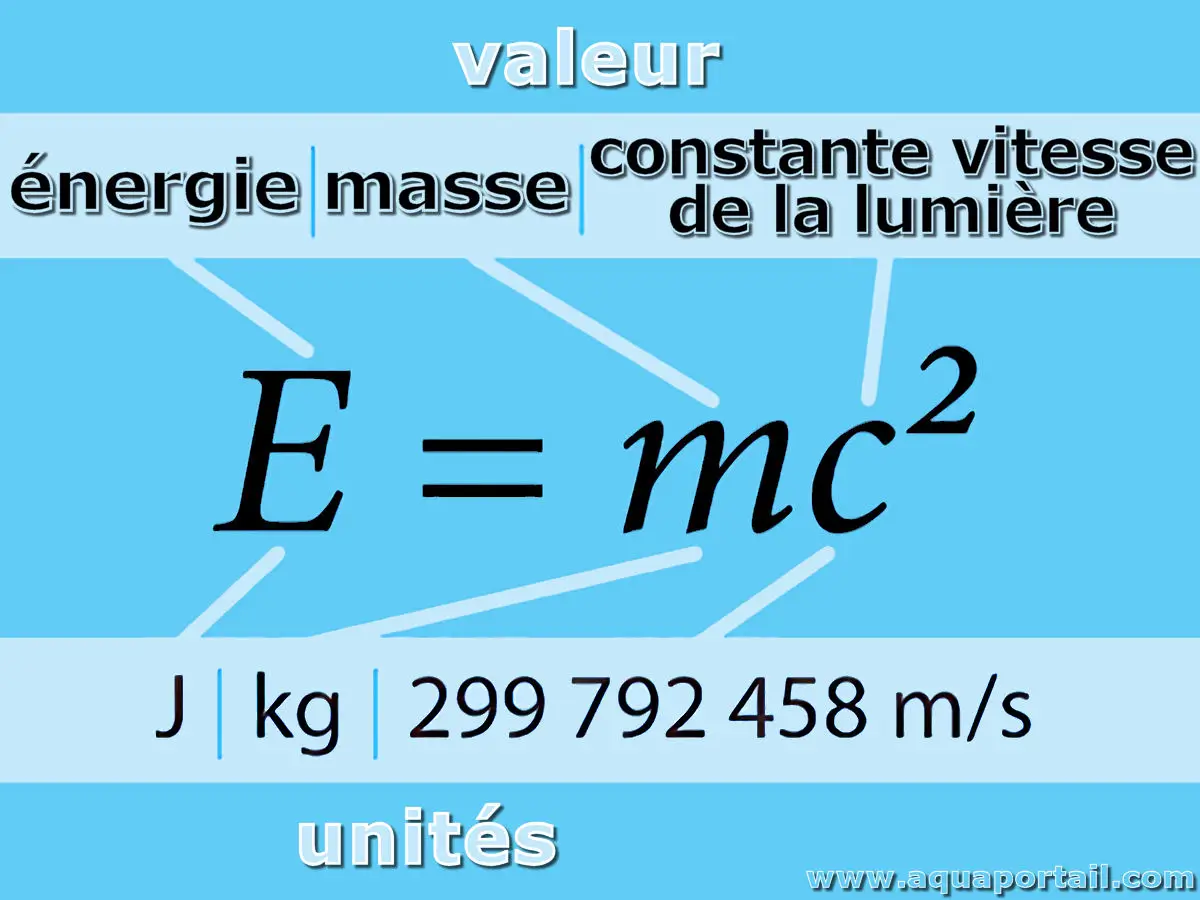
The formula E=mc2 (E = m. c²) is a mass-energy equivalence equation according to the theory of relativity developed by Albert Einstein. It expresses that...
