Nettle
noun (n.)
Definition
The nettle is a herbaceous plant of the genus Urtica (family Urticaceae, order Urticales) that has toothed leaves with tall stems armed with stinging hairs. The most common species is the stinging nettle (Urtica dioica), which is a nitrophilous, ruderal, and stinging plant. While nettle stings are painful, the leaves have many beneficial uses, including as a medicinal plant.
The stinging nettle (common nettle):
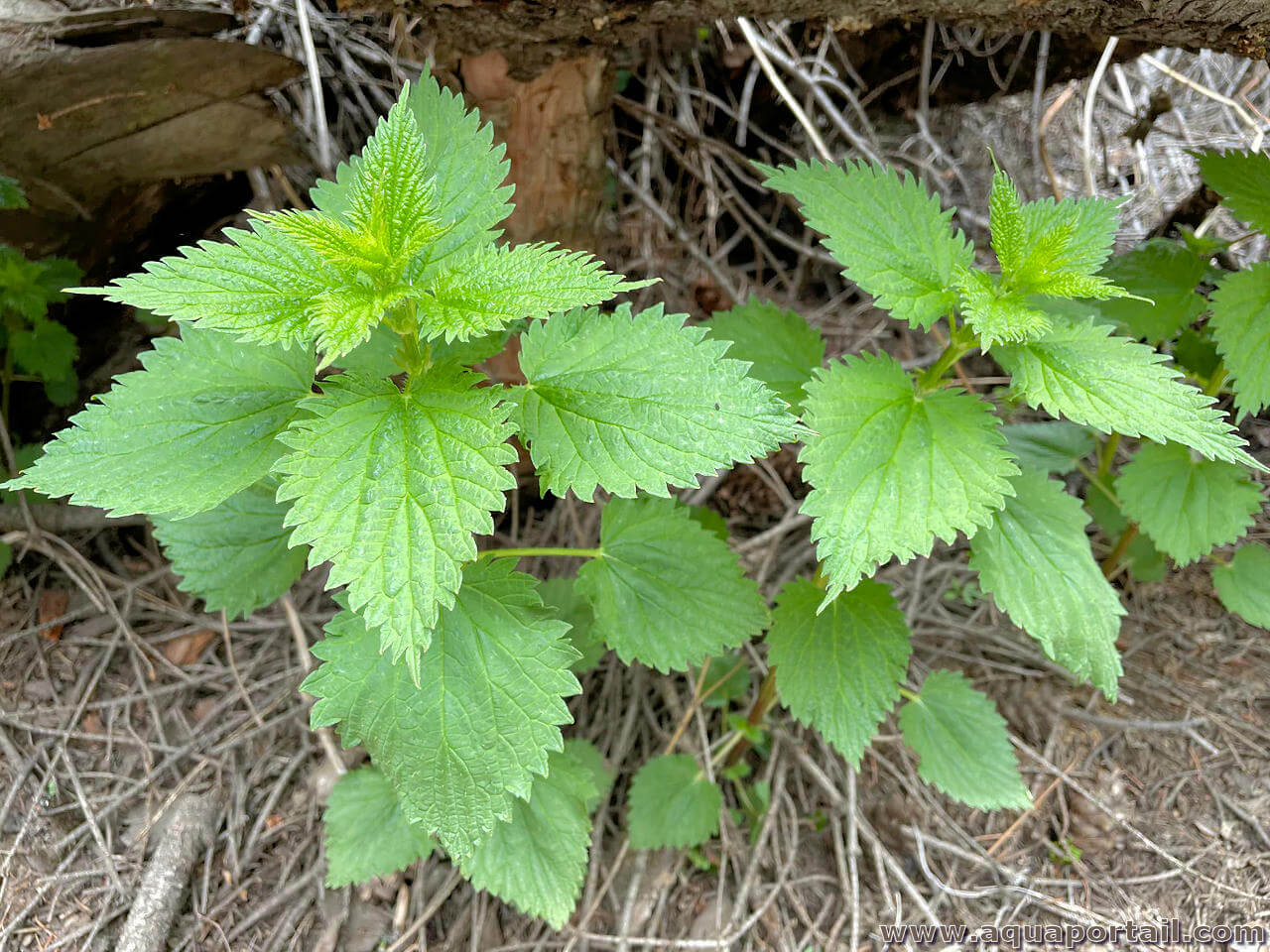
The stinging nettle, Urtica dioica, is a nitrophilous stinging plant species, characteristic of nitrogen-rich soils, common near livestock pens in temperate Europe. Leaves and stems are covered with trichomes, which sting anything that touches them. They are present as a defense mechanism.
Explanations
The nettle (Urtica dioica) is a common weed found in almost all regions of the Northern Hemisphere. It is a perennial plant that tends to grow in low-lying areas with rich soil and a relatively high moisture concentration. Nettles are a frequent cause of contact urticaria. There is an immediate stinging and burning sensation in the exposed area followed within minutes by a blanching urticarial rash and throbbing itch.
Inadvertent exposure to the ubiquitous stinging nettle weed produces an immediate stinging and burning sensation on the skin. The mechanism of action of nettles is both biochemical and mechanical, which may have clinical significance regarding the treatment of acute exposure.
When a person is stung by nettles, inflammatory chemicals are injected into the skin, notably formic acid, acetylcholine, serotonin, and histamine. This can lead to irritant contact dermatitis. The target organ is the skin. This affects many animals (dogs, cats...) and not just humans.
⭐ sea anemones (actinians) are sometimes called sea nettles because of the stinging nature of their nematocysts.
⭐ Betony is a species of perennial plant with a hairy stem called the stinking nettle, better known as hedge woundwort (Stachys sylvatica, family Lamiaceae). Its leaves closely resemble those of nettles, but hedge woundwort has no stinging properties.
Signs and symptoms of toxicity
Burning and tingling may occur in the area where the skin was exposed to the plant. A hyperemic skin eruption ("rash") may follow (mechanism of action of stinging nettles). Symptoms may not last long, so many people do not consult a doctor.
Not much is known about the mechanism that triggers the stinging reaction. Symptoms associated with the sting are due to penetration of the skin and fluids transferred from the plant to the person. Symptoms are associated with an increase in mast cells, so it is possible that mast cells contribute to the symptoms. The plant can affect biotransformation enzymes in the liver and antioxidant enzymes, leading to attenuation of oxidative stress.
Potential biomarkers include chemicals associated with envenomation, such as histamine and acetylcholine, in addition to other chemicals such as leukotriene B4.
Treatment of nettle stings
It is recommended to wash the exposed area with water and avoid exposure to heat. In addition, topical agents such as aloe vera and cold compresses can relieve symptoms.
Other treatment options include using plants in essential oil form such as Rumex obtusifolius (crushed broad-leaved dock), Salvia officinalis (sage), or Mentha x piperita (peppermint), mud, and even toothpaste rubbed onto the exposure site to mitigate the biochemical mechanisms associated with the rash.
These methods aim to counteract the biochemical causes of the rash. Further investigation is needed to determine whether a method aimed at removing microscopic nettle trichomes (spicule-like hairs) from the skin can aid faster recovery; possibilities such as a more sophisticated washing technique, some type of adhesive tape approach, or a combination of these may prove useful in attempting to relieve symptoms.
Taxonomy
Urticaceae (the nettle family) is a family of Dicotyledons numbering more than 700 species of herbaceous plants found primarily in temperate regions and tropical mountains. They are characterized by greenish, tetramerous or pentamerous, unisexual, petalous flowers, equipped with 4 to 5 uniovulate perianths and as many stamens in male flowers.
Stinging nettle, species Urtica dioica:

View of a clump of stinging nettles (species Urtica dioica, family Urticaceae). Nettles are often regarded as common weeds found in gardens.
Urticales is an order of Dicotyledons of the subclass Hamamelididae encompassing several families of herbaceous to shrubby plants, some of which are very important in temperate and especially tropical forest ecosystems. The order comprises six families: Barbeyidaceae, Ulmaceae, Cannabaceae, Moraceae, Cecropiaceae, and Urticaceae.
Uses
Unlike other toxic substances, the use of stinging nettle offers several benefits. The plant has the potential to alleviate symptoms associated with osteoarthritis, allergic rhinitis, and asthma. Once dried, nettle is even used as shrimp food.
Nettle stingers for flagellation and urtication:

The stems and leaves of stinging nettle have been (and still are) used for their stinging power in forms of flagellation known as urtication.
Nettles have been used for centuries by traditional healers and as folk remedies. They have been used to make tea, soups, and other foods. The medicinal uses of the plant derive from its anti-inflammatory properties. They have been used to treat arthritis as well as other conditions. Several studies evaluate the medical use of nettles for treating various ailments, including pain at the base of the thumb, various joint pains, and chronic knee pain.
Synonyms, antonyms
French translation:
ortieSpanish translation: ortiga
3 synonyms (similar meaning) for "nettle":
- betony
- sea anemone
- Urtica dioica
0 antonyms (opposite meaning).
Related words and expressions to NETTLE are directly connected by general or specific meaning.
The word NETTLE is listed on page 1 of words starting with N in the dictionary glossary.
Related to "nettle"
nanandrous
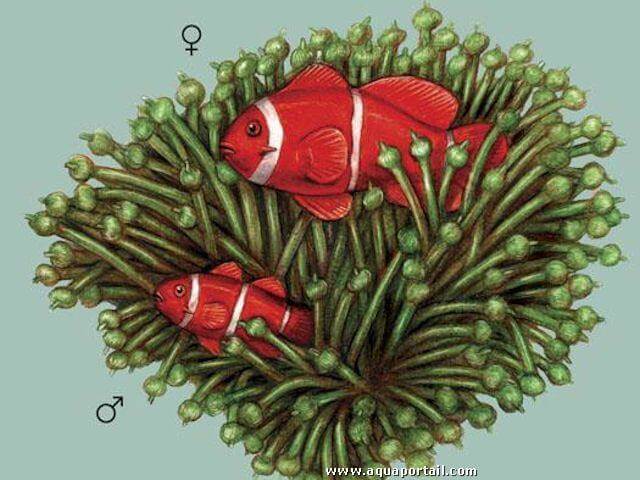
A nanandrous organism refers to a dwarf male individual. The root of the word dwarfism is easily identifiable and defines nanandry. Females, in fish...
nanobacterium
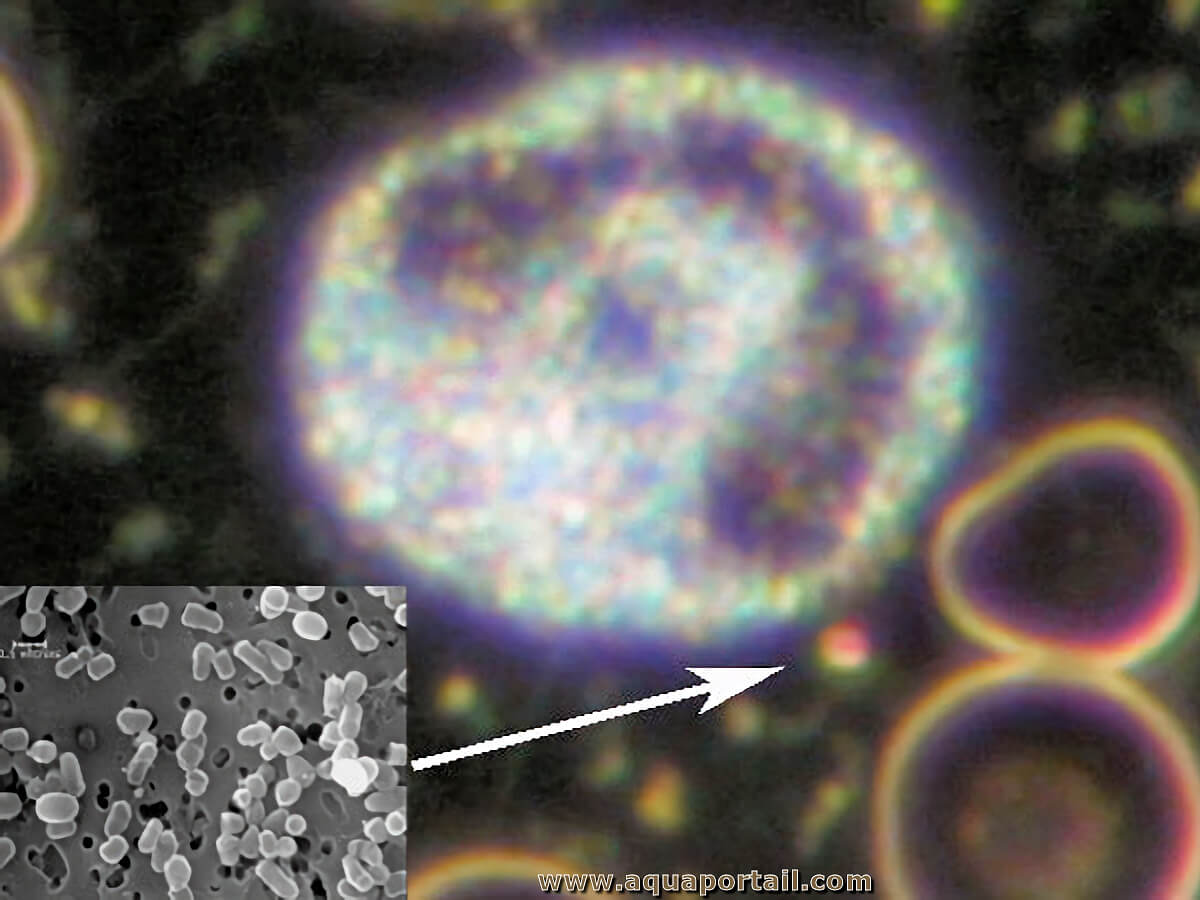
A nanobacterium is a submicron particle initially described as a hypothetical bacterial microorganism the size of a nanobe.
nanobe
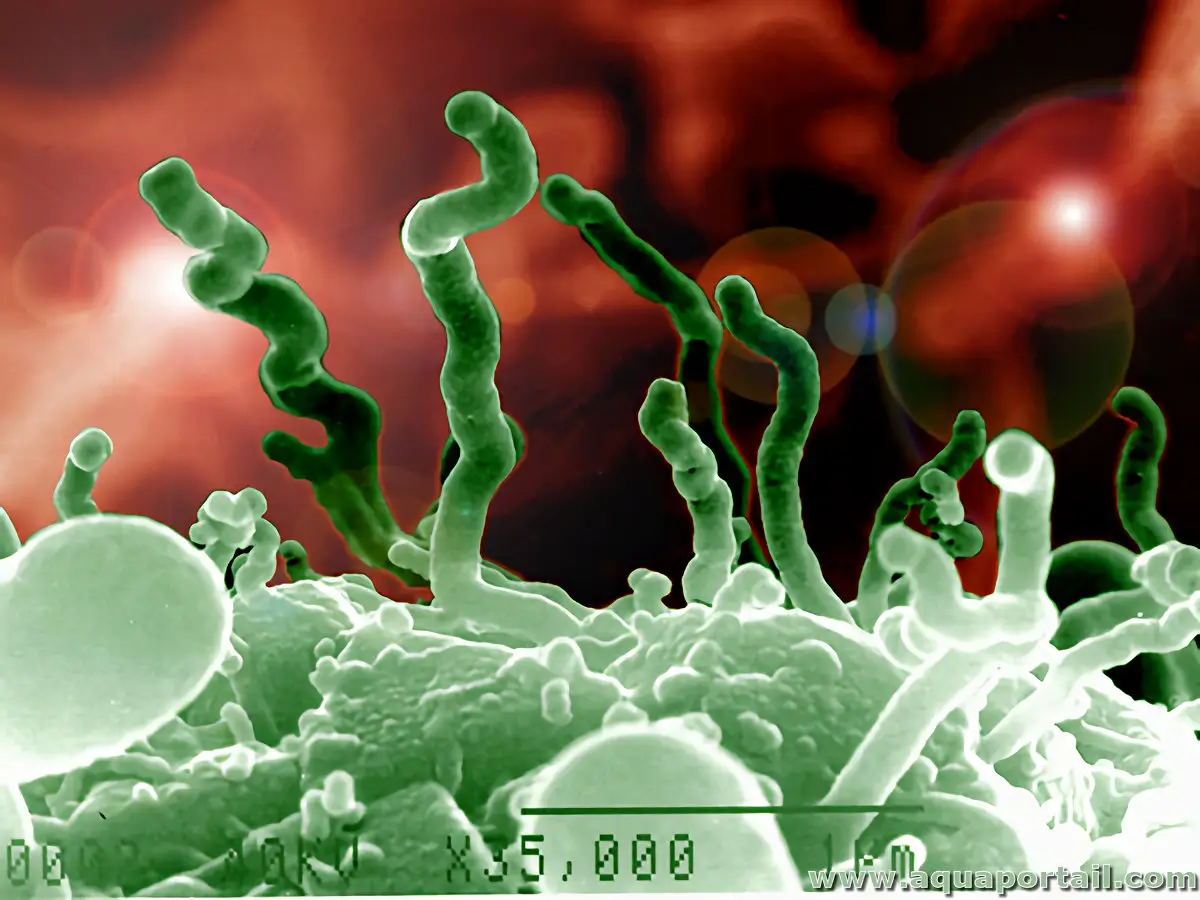
A nanobe is a tiny filamentous structure initially proposed as a hypothetical nanometer-scale microbe discovered in certain rocks and sediments, closely...
nanoplankton
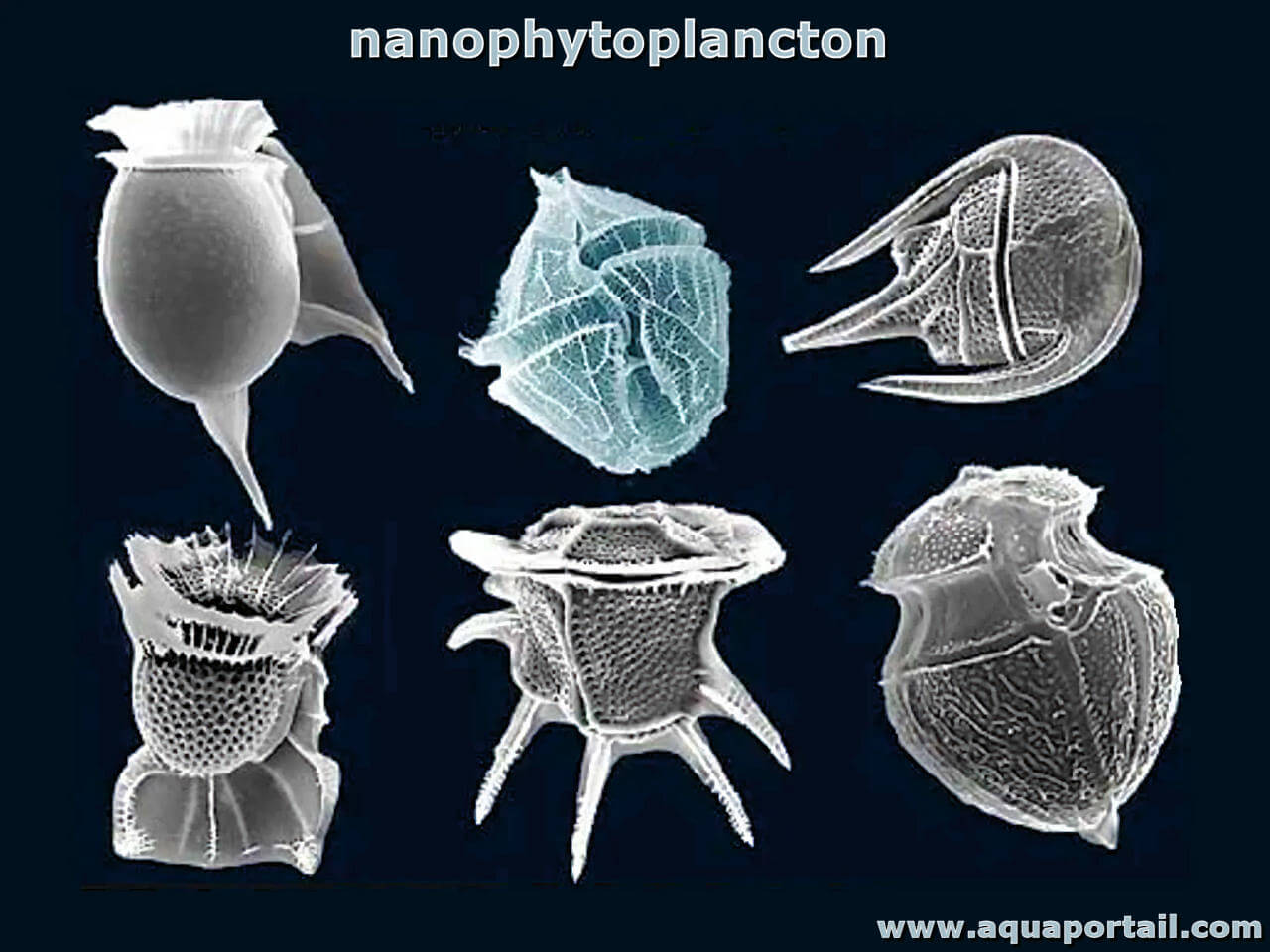
Nanoplankton is a fraction of plankton whose organism size ranges between 2 and 20 µm, below the naked-eye scale.
