Nanoplankton
noun (n.)
Definition
Nanoplankton is a fraction of plankton whose organism size ranges between 2 and 20 µm, below the naked-eye scale. Nanoplankton are phytoflagellates and are often referred to as nanophytoplankton.Three broad size classes are generally recognized in pelagic plankton: microplankton (20–200 µm), nanoplankton (2–20 µm), and picoplankton (0.2–2.0 µm).
Species of nanoplankton:
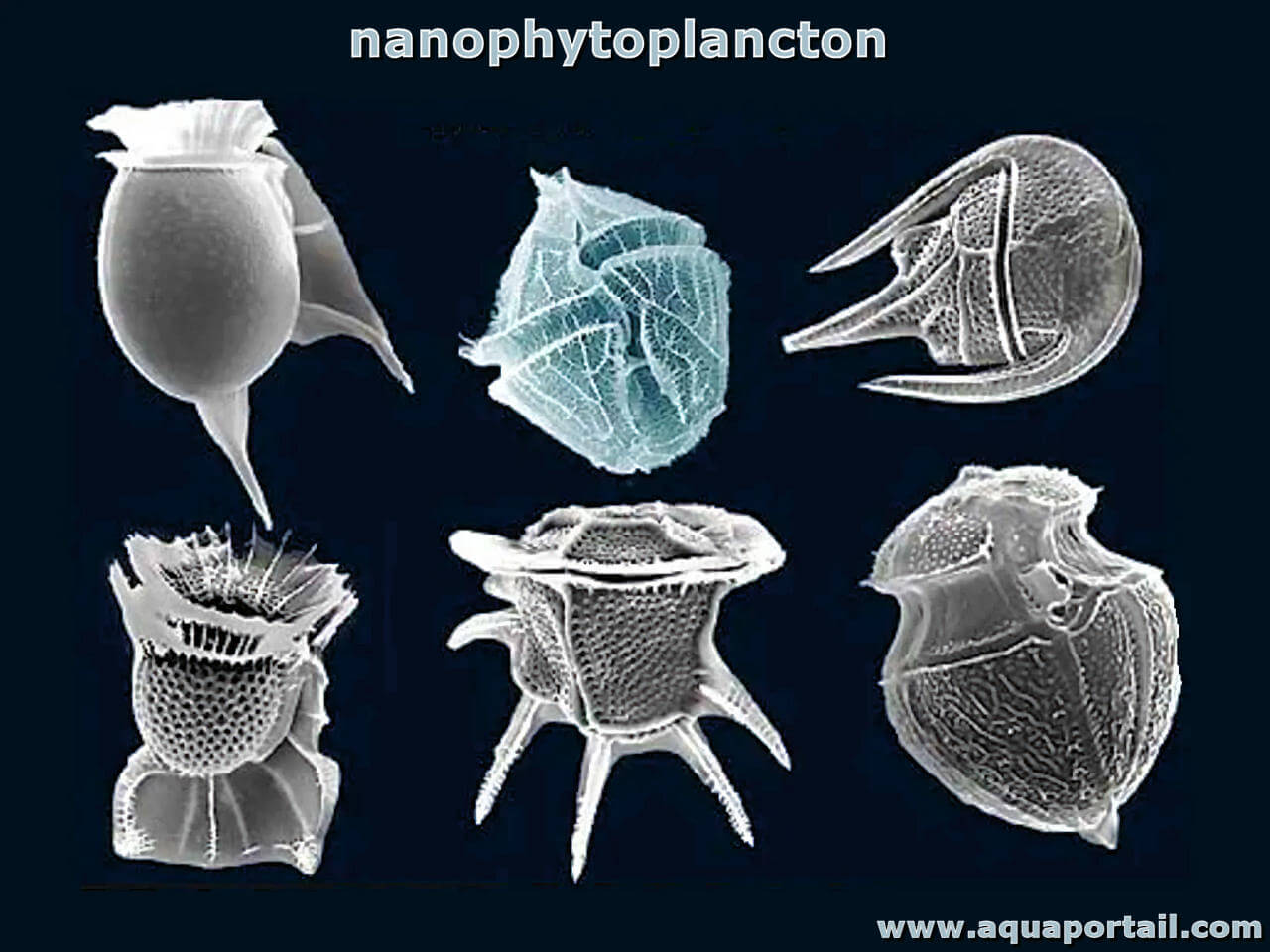
Certain dinoflagellates are classified as nanoplankton, which according to recent research plays a greater role in Earth's biological pump than previously thought.
Explanations
Nanoplankton sits between femto- and picoplankton, where the morphospecies concept is considered virtually untenable, and micro-, meso-, and macroplankton, where the concept is at least of debatable validity.
In modern nanoplankton, coccoliths lost during dissolution are generally tiny (2–3 µm long) and composed of delicate structures.
Phytoflagellate nanoplankton are grouped within the classes: Pyrrophyta, Chrysophyta, Chlorophyta, and Xanthophyta.
Nanoplanktonic describes that which belongs to the nanoplankton, smaller than microplanktonic yet larger than picoplanktonic.
Nanophytoplankton
Nanophytoplankton is particularly small phytoplankton with sizes ranging between 2 and 20 µm. It forms the autotrophic component of nanoplankton. Like other phytoplankton, nanophytoplankton are microscopic organisms that obtain energy through the process of photosynthesis and must therefore live in the sunlit upper layer of the ocean or other bodies of water.
Biostratigraphy
Nanoplankton bioevents from Miocene–Pleistocene successions in the Nile Delta and the southeastern Mediterranean are used to construct a biochronological framework with a timescale. The suggested biozonation increases the importance of nanoplankton in subsurface study and correlation and can serve as a foundation for further refinements in the future.
Few members of the calcareous nanoplankton, a group of calcifying microscopic algae (coccolithophores and their putative relatives), survived the end of the Cretaceous. Paleocene nanofloras comprise these surviving relics alongside a suite of rapidly radiating new taxa (24 genera during the epoch). At the end of the Paleocene, another major turnover LED to the extinction of more than half of the Cretaceous relic species and nearly one-third of the newly evolved genera. The rapidity of this evolutionary turnover and the widespread occurrence of these fossils in marine strata led to the establishment of nine globally recognized Paleocene biozones.
⭐ Pelagic calcifiers consist primarily of calcareous nanoplankton, which evolved in the Late Triassic (Norian, ~215 Ma), and planktonic foraminifera, which evolved in the Early Jurassic (Toarcian, ~183 Ma). Both groups were originally restricted to epicontinental seas before colonizing the open ocean in the Early Cretaceous.
Coccolithophores
Coccolithophores constitute a major group of nanoplankton and are the most important extant primary producers precipitating CaCO3. They are mostly unicellular coccoid (non-motile) algae, although some species possess life stages of motile flagellated cells, non-motile colonies, or filaments.
Coccolithophores:

Coccolithophoral coccosphere (A) and individual coccolith (B). Calcitic coccoliths are a major source of pelagic calcium carbonate sediments in modern oceans. Eocene, southern Spain. Scale bars = 2 microns in (A) and 1 micron in (B).
Most coccolithophores have one or more layers of organic scales (polysaccharides) surrounding the plasma membrane. The calcified scales, called coccoliths, form a covering called a coccosphere that lies external to any additional organic scales present. Coccoliths consist of low-magnesium calcite in an organic matrix and range in size from 1 to 25 microns. Across different species, coccoliths vary considerably in shape and arrangement, generating distinct coccospheres composed of 10 to 100 coccoliths.
Both vegetative (fission) and sexual reproduction occur. Life cycles are diverse among the Coccolithophorales but include a non-motile stage alternating with one or more motile phases. The non-motile stage may be benthic and colonial. Both motile and non-motile phases may bear coccoliths.
Synonyms, antonyms
Spanish translation: nanoplancton
2 synonyms (similar meaning) for "nanoplankton":
- microplankton
- nanophytoplankton
1 antonym (opposite meaning):
Related words and expressions to NANOPLANKTON are directly connected by general or specific meaning.
The word NANOPLANKTON is listed on page 1 of words starting with N in the dictionary glossary.
Related to "nanoplankton"
zooplankton
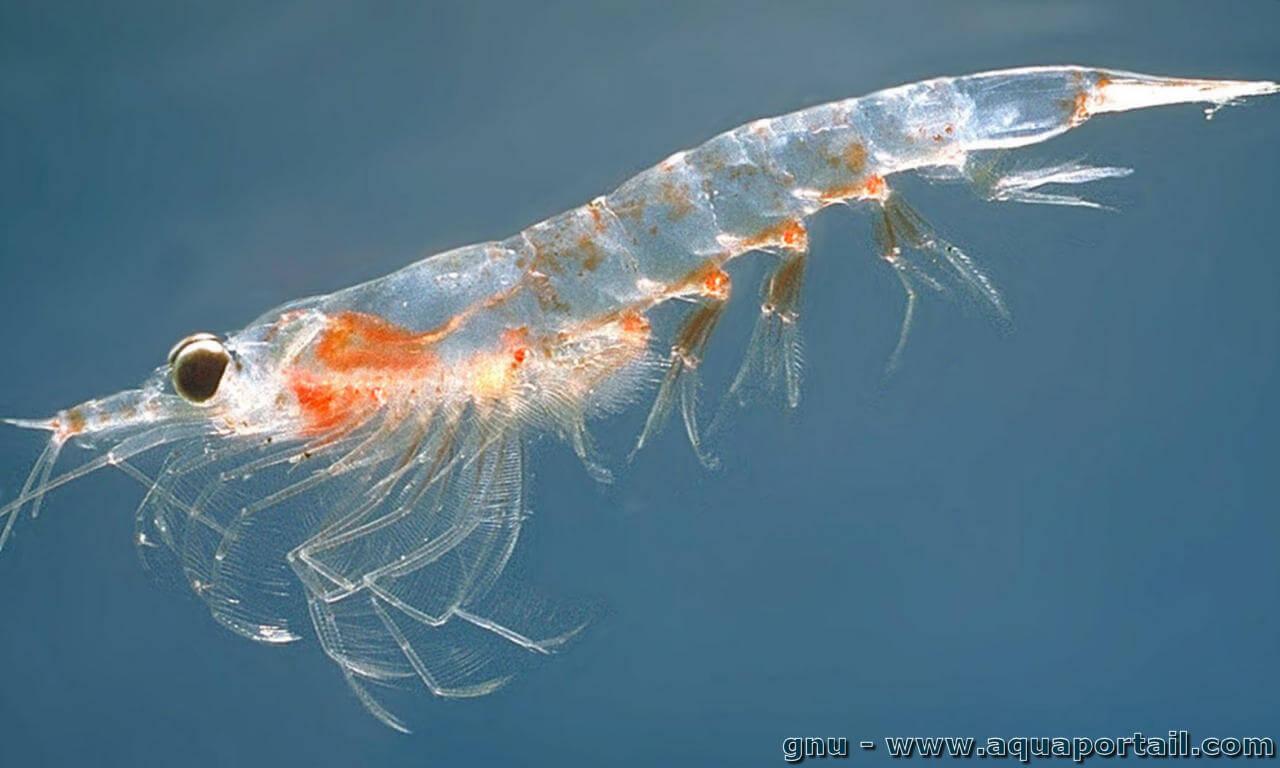
Zooplankton is the non-photosynthetic fraction of plankton composed of animal organisms. These small animals live suspended in the water column, and many...
nanandrous
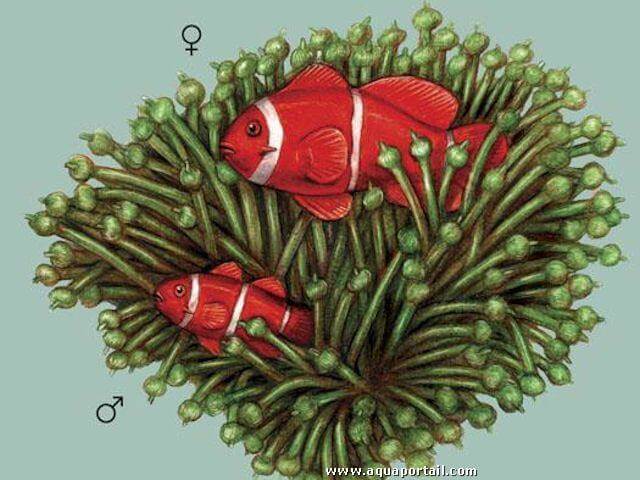
A nanandrous organism refers to a dwarf male individual. The root of the word dwarfism is easily identifiable and defines nanandry. Females, in fish...
nanobacterium
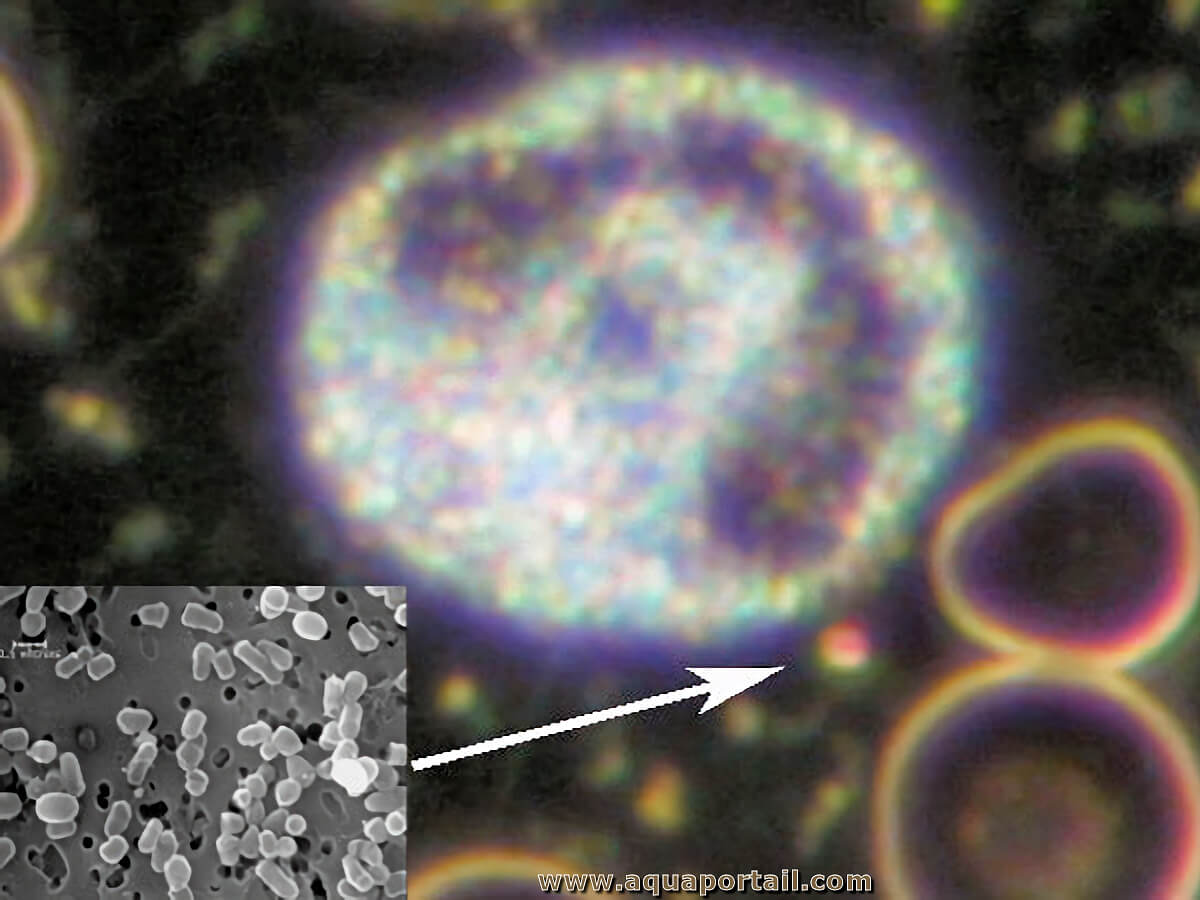
A nanobacterium is a submicron particle initially described as a hypothetical bacterial microorganism the size of a nanobe.
nanobe
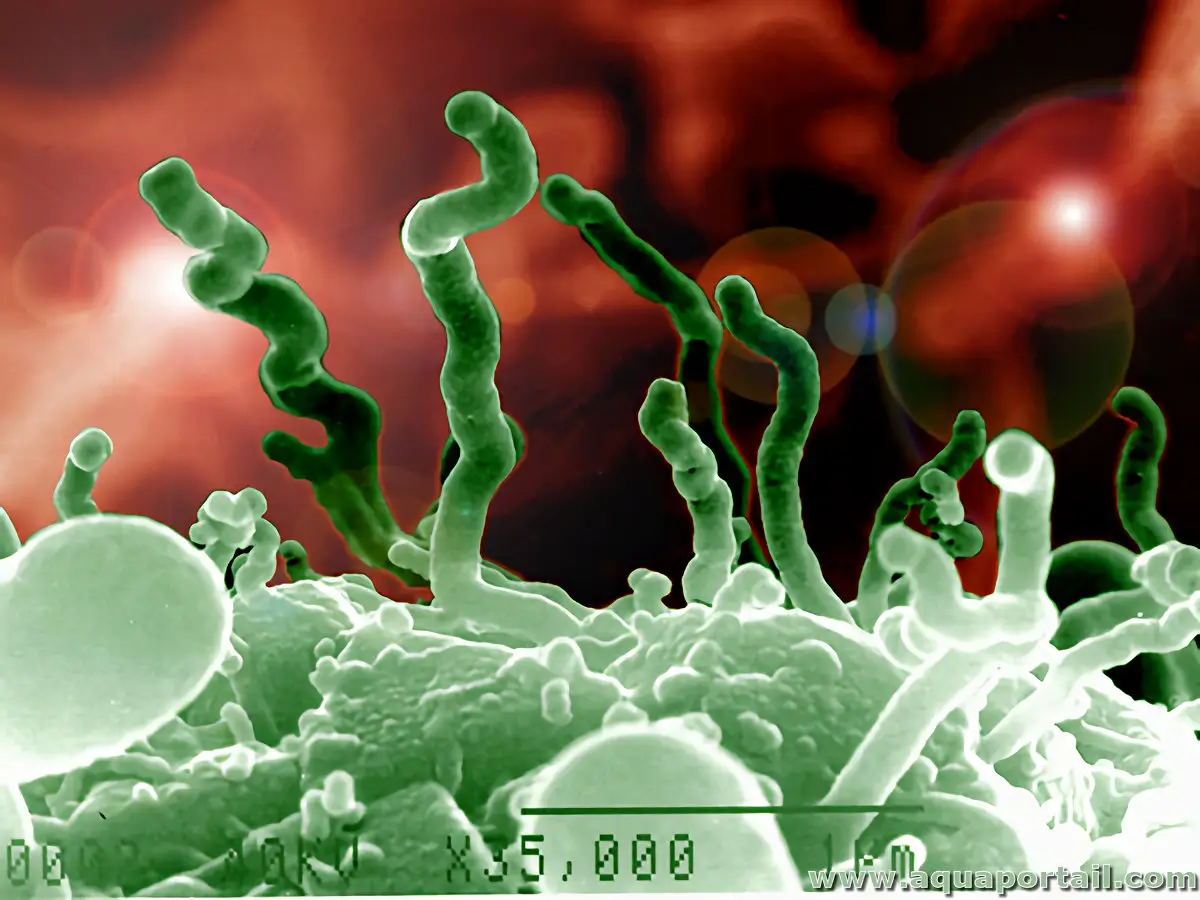
A nanobe is a tiny filamentous structure initially proposed as a hypothetical nanometer-scale microbe discovered in certain rocks and sediments, closely...
