Jurassic
proper noun
Definition
The Jurassic is a geological period of the Mesozoic Era in Earth's history. The Jurassic began approximately 201.3 million years ago and ended about 145 million years ago, spanning roughly 56.3 million years. The Jurassic succeeds the Triassic and precedes the Cretaceous.
The Jurassic world:

The Jurassic period is the major era of large dinosaurs.
Explanations
The base of the Jurassic is defined by the first appearance of the ammonite species Psiloceras spelae. Final ratification of the GSSP (roughly corresponding to a reference section and type locality) took place in 2010 at Kuhjoch in the Karwendel mountains of Tyrol, near the Bavarian border. The upper boundary of the Jurassic—or lower boundary of the Cretaceous (base of the Berriasian stage)—lies near the first appearance of the ammonite Berriasella jacobi.
✅ The Jurassic is named after the Jura Mountains in the European Alps, where limestone strata from this period were first identified. At the start of the Jurassic, the supercontinent Pangaea had begun splitting into two landmasses: Laurasia to the north and Gondwana to the south.
The Jurassic System is divided into three series (epochs) and eleven stages in total. The terms Black Jurassic, Brown Jurassic, and White Jurassic are no longer used as formal names for Jurassic chronostratigraphic series.
During the Early Jurassic, the supercontinent Pangaea continued breaking apart, a process initiated by rift valley formation during the Late Triassic. Pangaea split into Laurasia (North America and Eurasia) in the north and Gondwana in the south. The nascent Atlantic Ocean and the Tethys sea were still narrow. Gondwana also began to break up during the Late Jurassic.
The Jurassic climate was warm, with no evidence of large continental ice sheets in the interior. As in the Triassic, there was no solid landmass located directly over the geographic poles.
Gymnosperms dominated the flora (including conifers such as redwoods and pines, as well as ginkgos and cycads). The Jurassic is also known as the Age of Cycads due to their abundance, while forest understories consisted of ferns and horsetails.
On the stratigraphic scale, the Aalenian stage marks the earliest stage of the Middle Jurassic within the Mesozoic Era (174 to 170 Ma).
Middle Jurassic (Aalenian–Callovian, 174–163 Ma)
The Middle Jurassic is thought to have experienced an arid climate with fluctuations between strong and weak seasonal aridity during the early Bajocian (170 Ma). Arid conditions were intense at the beginning of the Bajocian; a humid pulse prevailed during the middle Bajocian, followed by a return to drier conditions toward the late Bajocian (168 Ma). The late Bathonian saw the onset of global warming and a marine transgression that lasted until the middle Callovian (164 Ma). Evidence for the lowest sea-surface temperatures comes from the late Callovian through the Callovian–Oxfordian boundary interval (163.5 Ma), indicating significant cooling. Sharp cooling in the early late Callovian LED to the formation of continental ice; this interval lasted approximately 2.6 Ma and is known as the Callovian ice age.
Synonyms, antonyms
Spanish translation: Jurásico
0 synonyms (similar meaning) for "jurassic".
0 antonyms (opposite meaning).
Related words and expressions to JURASSIC are directly connected by general or specific meaning.
The word JURASSIC is listed on page 1 of words starting with J in the dictionary glossary.
Related to "Jurassic"
Triassic
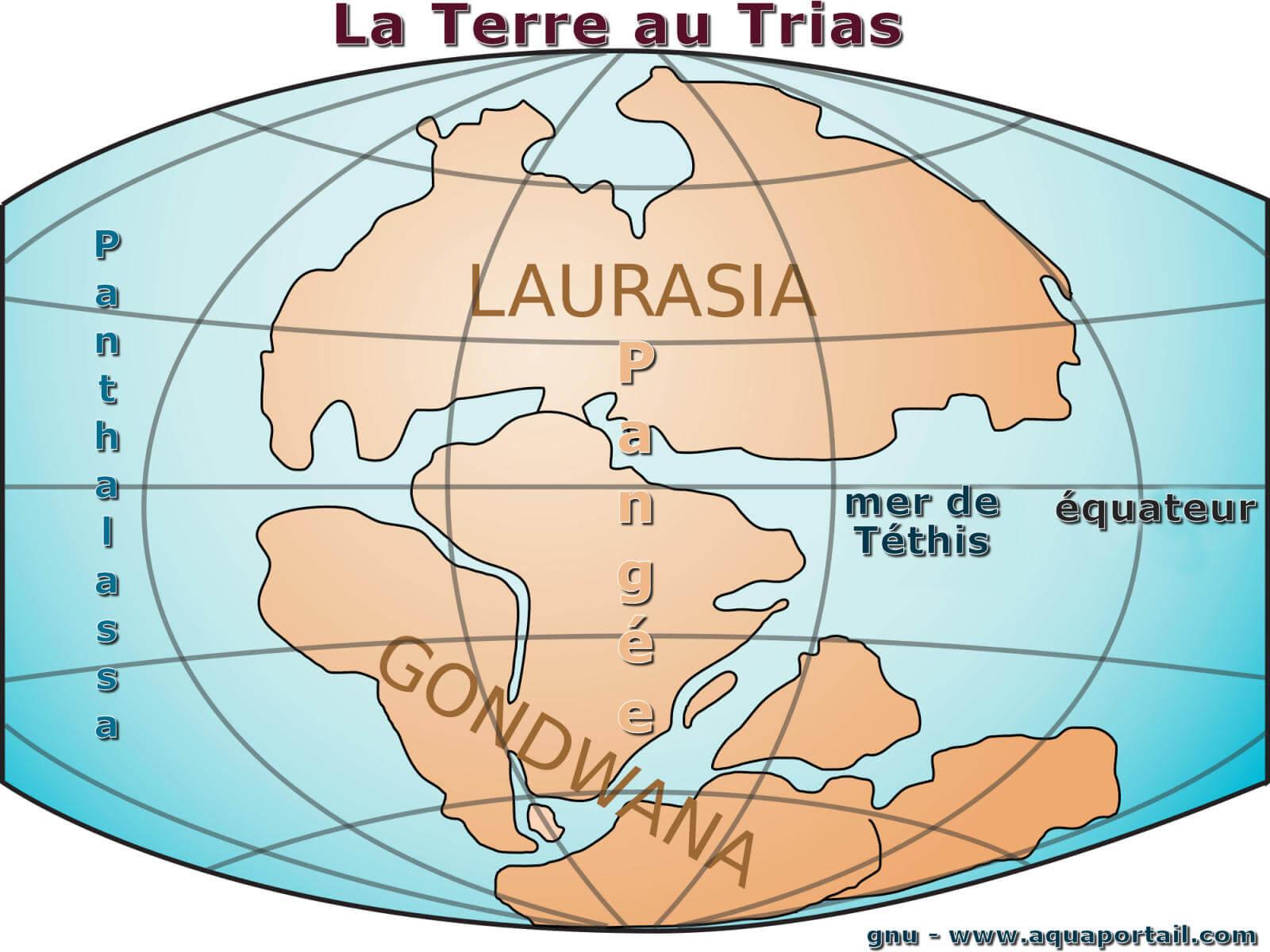
The Triassic is a geological period of Earth during the Mesozoic Era, spanning from 252 to 201 million years ago (Ma).
jasmonic acid
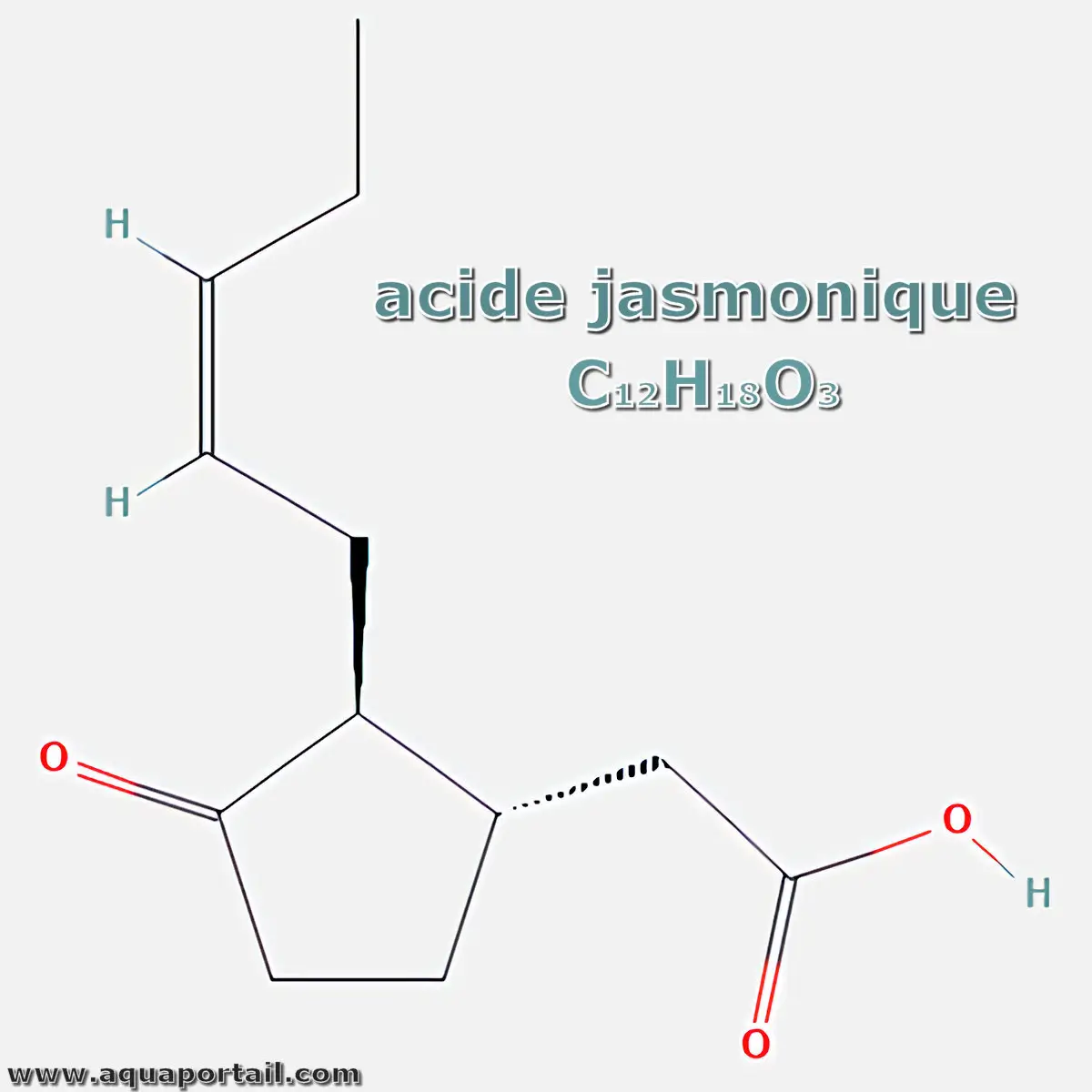
Jasmonic acid is a natural conjugate acid of a jasmonate that acts as a plant metabolite and a growth-regulating phytohormone.
jellyfish

A jellyfish is a gelatinous marine invertebrate of the phylum Cnidaria. These creatures are distinguished by their bell- or umbrella-shaped body, composed...
jugular

Jugular refers to any area in the region of the throat, relating to the throat or neck—for example, the jugular vein.
