Jasmonic acid
noun phrase (n. phr.)
Definition
Jasmonic acid is a natural conjugate acid of a jasmonate that acts as a plant metabolite and a growth-regulating phytohormone. The biosynthesis and metabolism of jasmonic acid occur in response to abiotic stresses. It can induce the MAP kinase cascade pathway, calcium channels, and numerous processes that interact with signaling molecules.Structure of jasmonic acid:
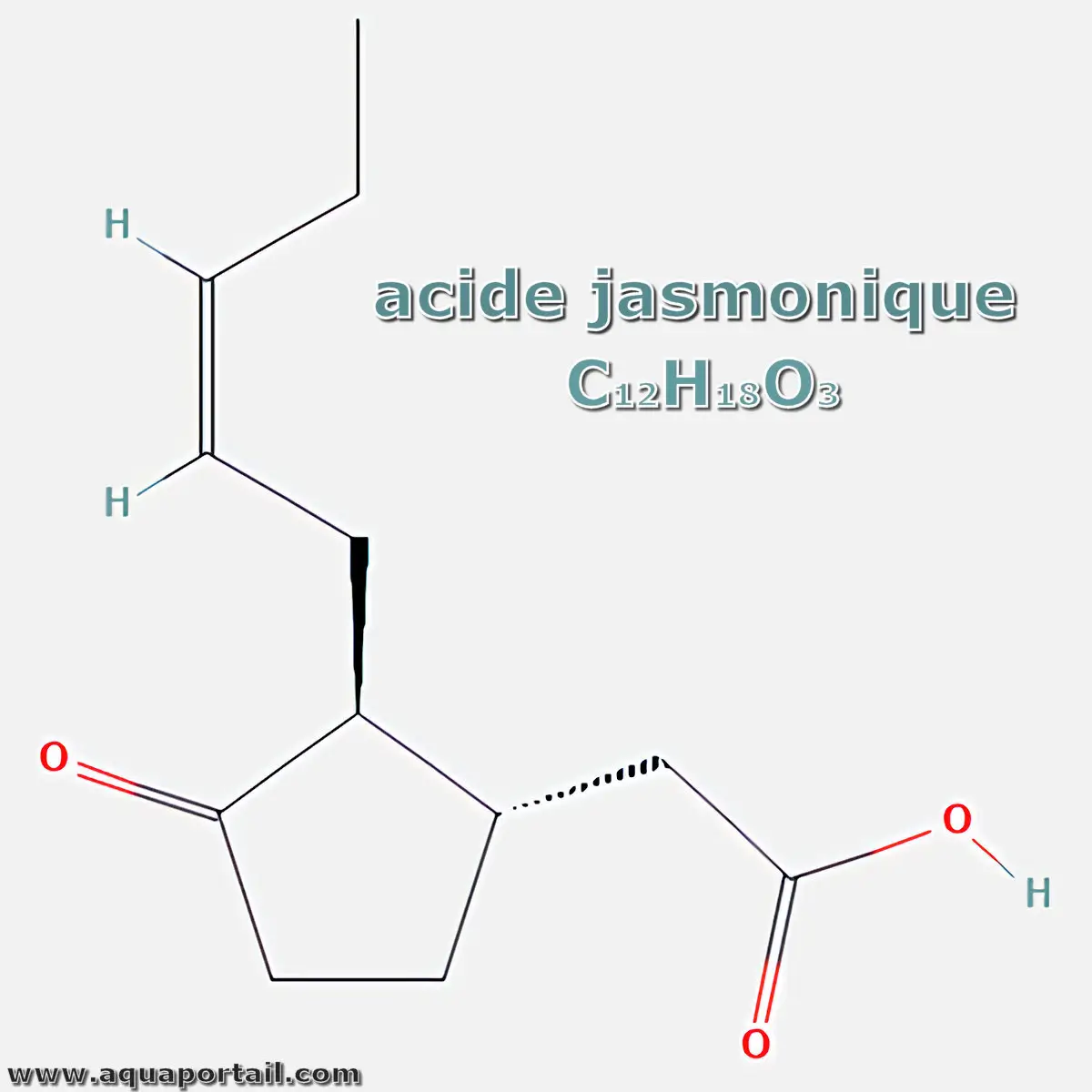
Jasmonic acid (C12H18O3) is an oxo monocarboxylic acid that is (3-oxocyclopentyl)acetic acid substituted by a (2Z)-pent-2-en-1-yl group at position 2 of the cyclopentane ring.
Explanations
Jasmonic acid and its related compounds belong to the sesquiterpene group, some of which are well known as odoriferous components of plant essential oils. It is notably present in Gelidium latifolium, Fusarium fujikuroi, and other organisms.
More specifically, jasmonic acid and its derivatives, collectively called jasmonates, are fatty acids derived from cyclopentanones and belong to the family of oxidized lipids collectively termed oxylipins. These oxylipins are biologically active signaling molecules produced either enzymatically by lipoxygenases or alpha-dioxygenases, or non-enzymatically by autoxidation of polyunsaturated fatty acids. The biosynthetic pathway of jasmonic acid is known as the octadecanoid pathway.
✅ Jasmonic acids are ubiquitous in higher plant species, where their levels are high in reproductive tissues and flowers, but very low in mature leaves and roots.
Jasmonic acids modulate numerous crucial processes in plant growth and development, such as vegetative growth, cell cycle regulation, anthocyanin biosynthesis, stamen and trichome development, fruit ripening, senescence, inhibition of rubisco biosynthesis, stomatal opening, nitrogen and phosphorus uptake, and glucose transport.
As signaling molecules, jasmonic acids regulate the expression of many genes in response to abiotic stresses (e.g., salt, drought, heavy metals, micronutrient toxicity, low temperatures, etc.) and promote specific protective mechanisms.
Over recent decades, jasmonic acid biosynthesis has been well characterized in a variety of monocotyledonous and dicotyledonous plants. In summary, JA is biosynthesized through the consecutive action of enzymes present in the plastid, peroxisome, and cytoplasm. In the chloroplast, jasmonic acid biosynthesis begins with the chloroplast membrane release of linolenic acid, which is ultimately converted into 12-oxo-PDA. Upon transport of 12-oxo-PDA into the peroxisome, a series of enzymes work to convert it into jasmonic acid, which is then exported to the cytoplasm. Jasmonic acid can be metabolized into different compounds depending on the chemical modification of the carboxylic acid group, the pentenyl side chain, or the pentanone ring.
Usefulness for plants
Plants grow in environments that impose various biotic and abiotic stresses. The main abiotic stresses influencing plant growth include light, temperature, salt, carbon dioxide, water, ozone, and soil nutrient content and availability, with fluctuations in any of these potentially hindering normal physiological processes. Being static organisms, plants are unable to avoid abiotic stresses simply by moving to a suitable environment.
Consequently, they have evolved mechanisms to compensate for adverse stress conditions by modifying their own developmental and physiological processes. Plant growth, development, and survival depend on complex biological networks coupled with anabolic and catabolic pathways. Abiotic stresses can disrupt these network pathways, leading to their uncoupling.
For example, extremely high or low temperatures could inhibit a subset of enzymes in the same or connected pathways, and various intermediate compounds could thus accumulate due to this functional uncoupling of metabolic pathways. These intermediate compounds could be converted into toxic byproducts capable of affecting cell survival or longevity.
Reactive oxygen species constitute one of the most common groups of toxic intermediates produced by abiotic stresses. Phytohormones, the regulators of plant development, play a central role in sensing and signaling various environmental conditions, such as drought, osmotic stress, cold damage, heavy metal toxicity, etc.
There are currently nine major known classes of natural phytohormones (auxins, gibberellins, cytokinins, abscisic acid, ethylene, brassinosteroids, jasmonic acid, salicylic acid, and strigolactones), all of which elicit numerous different responses.
Synonyms, antonyms
Spanish translation: ácido jasmónico
1 synonym (similar meaning) for "jasmonic acid":
0 antonyms (opposite meaning).
Related words and expressions to JASMONIC ACID are directly connected by general or specific meaning.
The expression JASMONIC ACID is listed on page 1 of words starting with J in the dictionary glossary.
Related to "jasmonic acid"
acid

An acid is a substance that, when dissolved in water, produces an increased concentration of hydrogen ions.
acidic medium
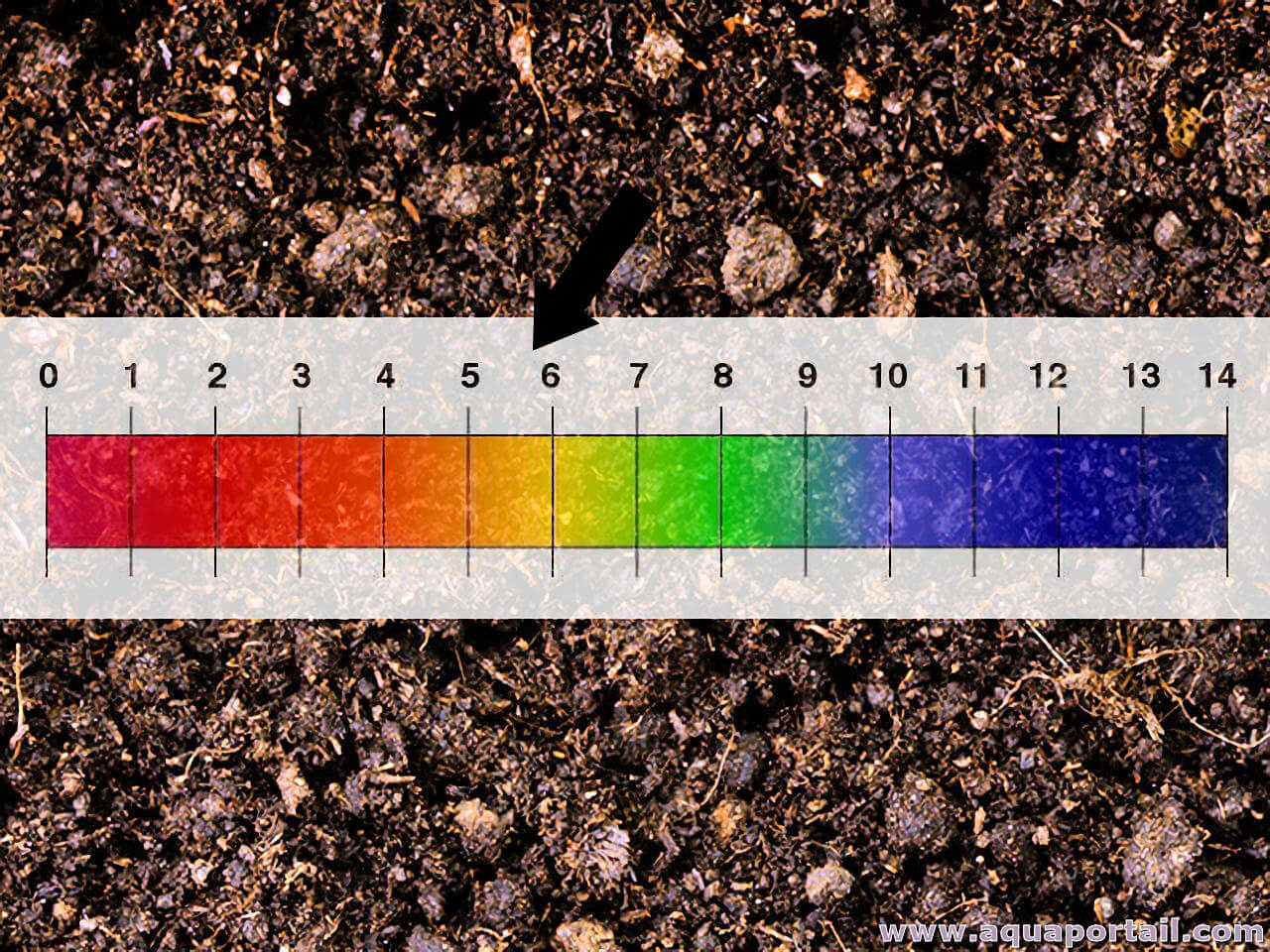
An acidic medium has a pH below 7, containing hydrogen ions in large quantities (as opposed to basic), which is often due to decomposing vegetation...
acrylic acid

Acrylic acid is an unsaturated organic compound (sulfur-free), a precursor to acrylic polymers, possessing bacteriostatic activity.
alginic acid
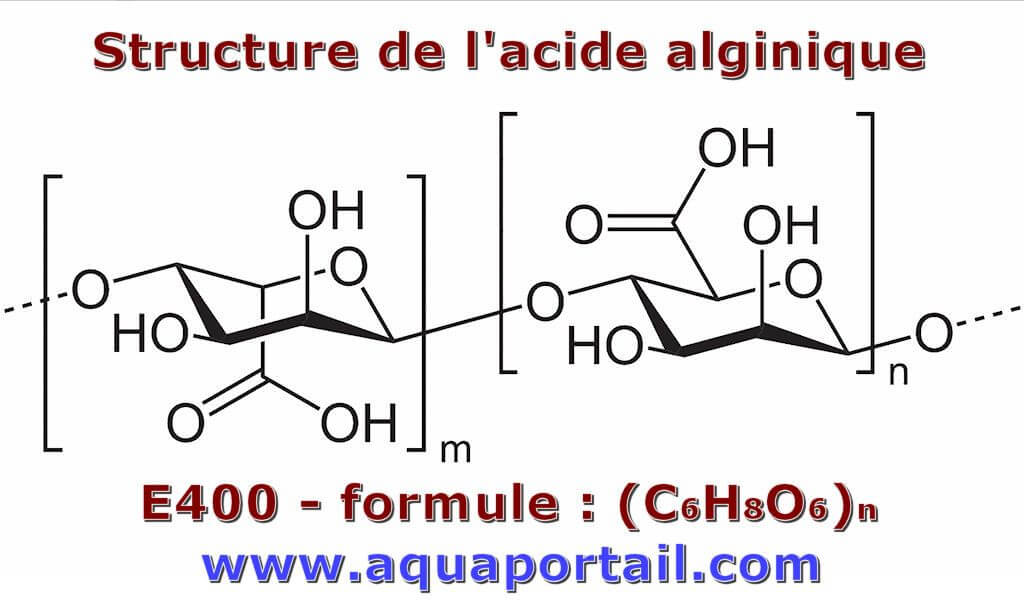
Alginic acid designates a linear polymer composed entirely of β-D-mannuronic acid and α-L-guluronic acid in variable proportions, extracted from brown algae...
