Vegetative
adjective (adj.)
Definition
A vegetative cycle concerns the physiological processes that ensure life, growth, development, and multiplication when it does not involve sexuality. It does not concern reproduction.
Plants at a vegetative stage of development:
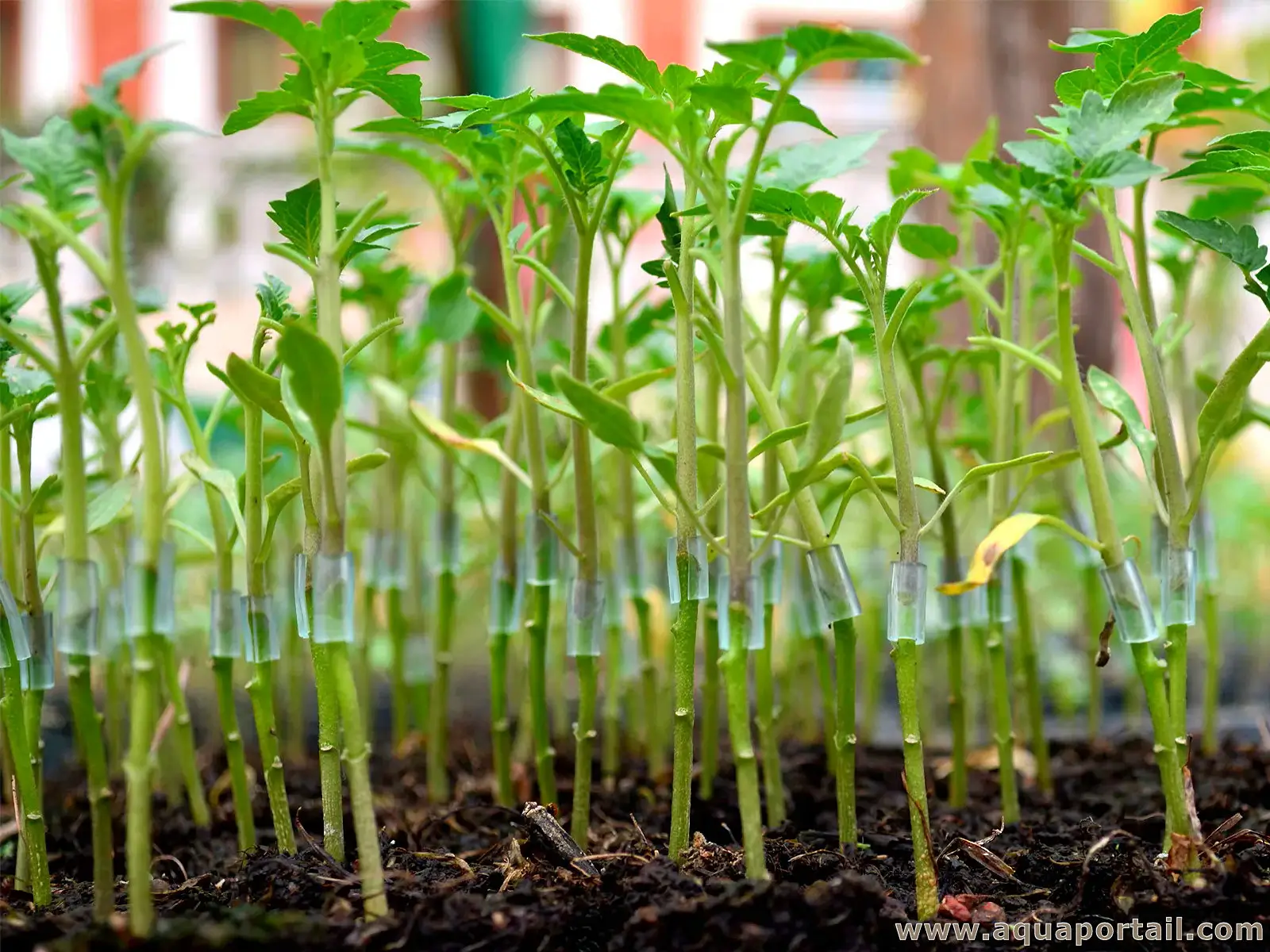
seedlings undergo an intense vegetative development stage to become an adult plant.
Explanations
In physiology, the term vegetative applies solely to the functioning of the viscera and various bodily functions of the organism.
In anatomy, the vegetative (or autonomic) nervous system refers to all the nerves and nerve centers that regulate involuntary and visceral functions.
In embryology, the vegetal pole is a region of the vertebrate egg opposite the animal pole, rich in yolk inclusions.
A stalk cell is a vegetative cell to which a reproductive organ is attached. See, for example, the stalk cell to which each tetrasporangium of Palmaria palmata is attached.
In the popular and figurative sense, someone in a vegetative state is limited to maintaining vital functions without involving intellectual faculties, which is referred to as vegetative life. Vegetativeness, or a vegetative state, consists of being listless, lacking energy, and appearing sluggish. By extension, vegetativeness also applies to a society, or societal group, showing little reaction to malaise. Not to be confused with vegetarianism.
Phytostasis is a period of vegetation stability, a vegetative stasis.
Vegetative system and apparatus
The vegetative system ensures the maintenance of biota, with the growth of animals and plants, without involving reproductive phenomena or psychic life in the animal kingdom.
In botany, the vegetative apparatus includes the roots, stems, and leaves of higher plants, and the thallus of lower plants such as algae, which ensure the growth and maintenance of the plant. As such, vegetative propagation is asexual reproduction, because the vegetative apparatus, by its very principle, is non-reproductive and does not involve the reproductive apparatus.
Vegetative cell (stalk cell)
A vegetative cell is a cell whose function is linked to nutrition. A stalk cell is a vegetative cell to which a reproductive organ is attached. E.g.: the stalk cell is attached to each tetrasporangium of Palmaria palmata. See the definition of endospore and especially vegetative propagation.
Angiogenesis involves the formation of new blood vessels by sprouting or splitting from existing blood vessels. During sprouting, a highly motile endothelial cell type, called a tip cell, migrates from blood vessels, followed by stalk cells, an endothelial cell type that forms the body of the sprout.
Functioning of vegetative stalk cells:
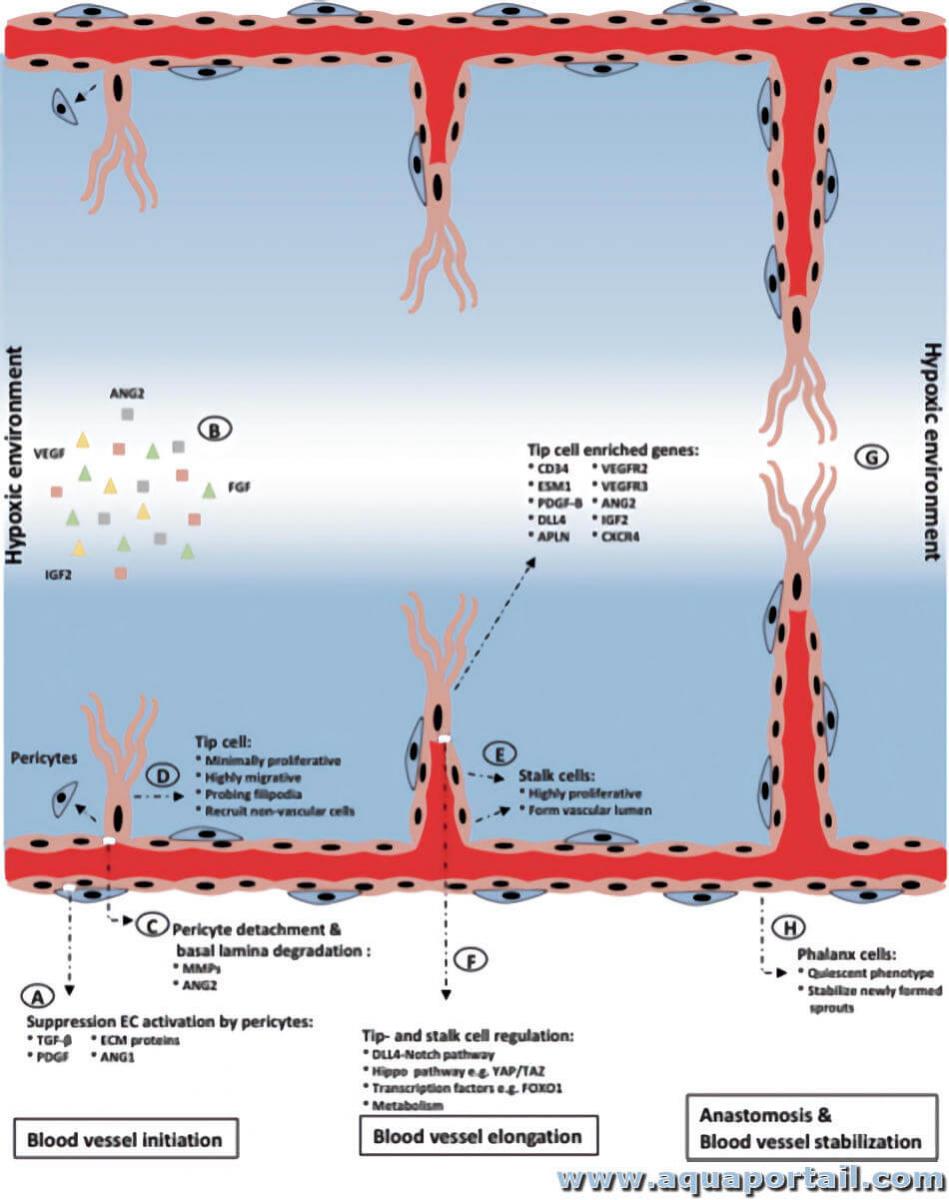
Endothelial cell differentiation: phenotypes of tip cells, stalk cells, and phalanx cells.
(A) Quiescent ECs form a monolayer of cells surrounded by pericytes, which suppress EC activation and stabilize the quiescent vessel.
(B) During angiogenesis, a single leading tip cell is attracted by microenvironmental signals.
(C) The tip cell degrades the basement membrane and migrates into the extracellular matrix.
(D) Tip cells possess actin stress fibers with probing filopodia and are characterized by low proliferative activity, high migratory capacity, and the ability to recruit non-vascular cells.
(E) Highly proliferative stalk cells follow the tip cell, form a vascular lumen, and ensure vessel elongation.
(F) Regulation of the tip cell and stalk cell phenotype involves several factors, including growth factors, transcription factors, and metabolism.
(G) A new vascular loop is established by connecting two endothelial tip cell sprouts, thus forming a continuous lumen, also known as anastomosis.
(H) The phalanx cell phenotype is finally acquired by differentiated ECs once the new vessel has formed.
Synonyms, antonyms
Spanish translation: vegetativo
3 synonyms (similar meaning) for "vegetative":
- inactive
- lymphatic
- sluggish
3 antonyms (opposite meaning):
Related words and expressions to VEGETATIVE are directly connected by general or specific meaning.
The word VEGETATIVE is listed on page 1 of words starting with V in the dictionary glossary.
Related to "vegetative"
mineralogy
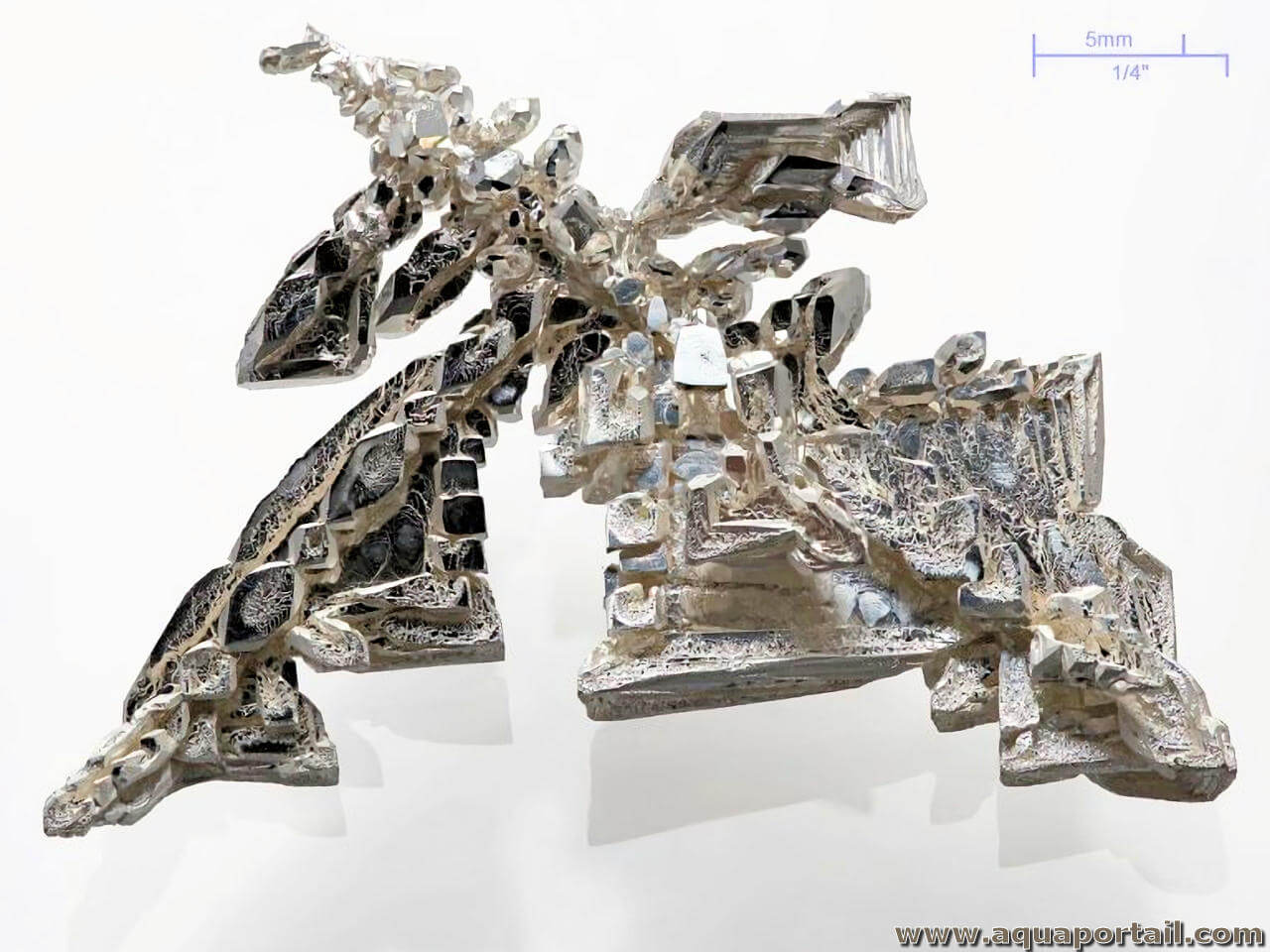
Mineralogy is the scientific study of minerals, mineral matter, and ores. Minerals make up the bulk of the solid Earth; they form the crust and bedrock...
fruit or vegetable

Is it a fruit or a vegetable ? The question consists of determining whether a plant yields fruits or vegetables, and the answer holds a few surprises.
germinative
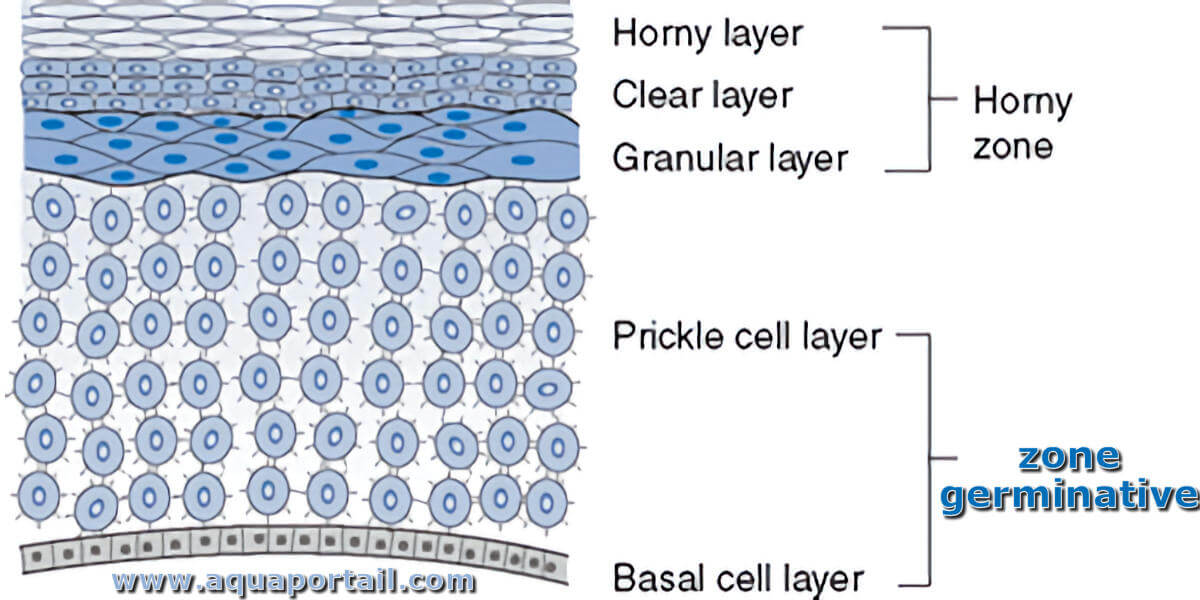
Germinative describes anything relating to germination, including in a biological sense the formation of new germ cells or buds capable of sprouting...
iterative
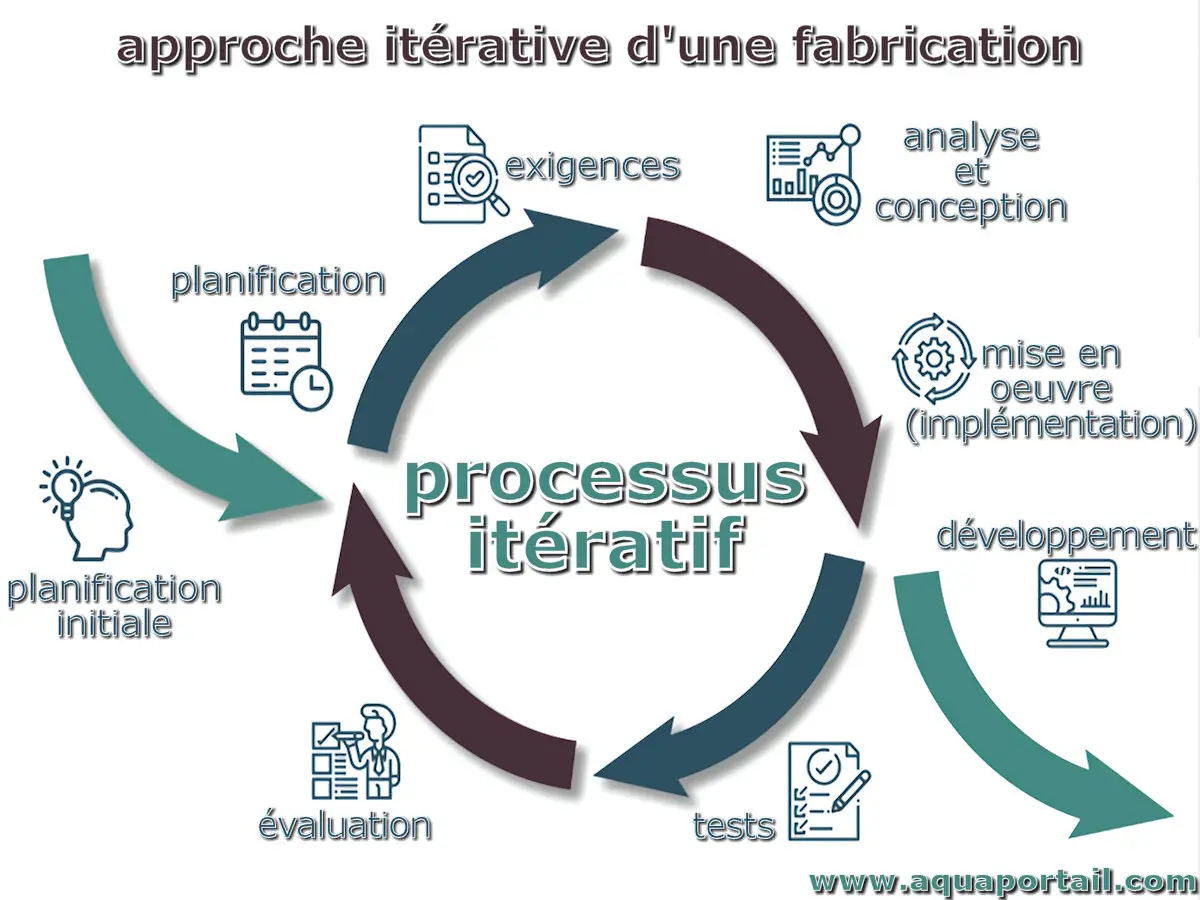
Iterative describes something repeated multiple times (reiterated), recurring identically over time, often to approach convergence.
