Higher plants
plural noun (n.pl.)
Definition
Higher plants refer to tracheophytes, plants with stems, roots, leaves, and flowers, or cormophytes, as opposed to lower plants, an expression that designates thallophytes and bryophytes.As higher plants, these species (Plantae) belong to the taxonomic group of Spermatophytes (Gymnosperms and angiosperms).
Borage is a higher plant:

Common borage Borago officinalis produces flowers: it belongs to the group of higher plants.
Explanations
Stemmed plants include woody plants (trees, shrubs, bushes...) and many erect herbaceous plants with a stem, often flowering plants. For example, all aromatic plants or medicinal plants are higher plants.
All higher plants contain chlorophyll, effectively excluding fungi. Their propagation is generally achieved through seeds produced from flowers, rather than by spores.
They make optimal use of topsoil as a substrate, especially the humus of the upper soil layer.
Groups
Higher plants, also called vascular plants, are a large group of plants that possess vascular tissues (with veins) to distribute resources throughout the plant. This characteristic enables vascular plants to evolve to a larger size than non-vascular plants (also called lower plants).
Among higher plants are vascular plants: trees, shrubs, subshrubs, stemmed plants, flowering plants, medicinal plants, aromatic plants, edible plants, melliferous plants, toxic plants, dye plants, etc.
Difference from lower plants
Lower plants generally include algae and bryophytes, whereas higher plants designate pteridophytes, gymnosperms, and angiosperms. The word Cryptogams literally means "hidden marriage" and alludes to the fact that the sexual life of these plants (algae, bryophytes, and pteridophytes) was formerly not understood.
Synonyms, antonyms
Spanish translation: plantas superiores
6 synonyms (similar meaning) for "higher plants":
- cormophytes
- flowering plant
- shrub
- stemmed plants
- tree
- vascular plant
3 antonyms (opposite meaning):
Related words and expressions to HIGHER PLANTS are directly connected by general or specific meaning.
The expression HIGHER PLANTS is listed on page 1 of words starting with H in the dictionary glossary.
Related to "higher plants"
beginner aquarium plant

A beginner aquarium plant is an easy-to-grow aquatic plant species with good growth regardless of planting conditions.
green plants
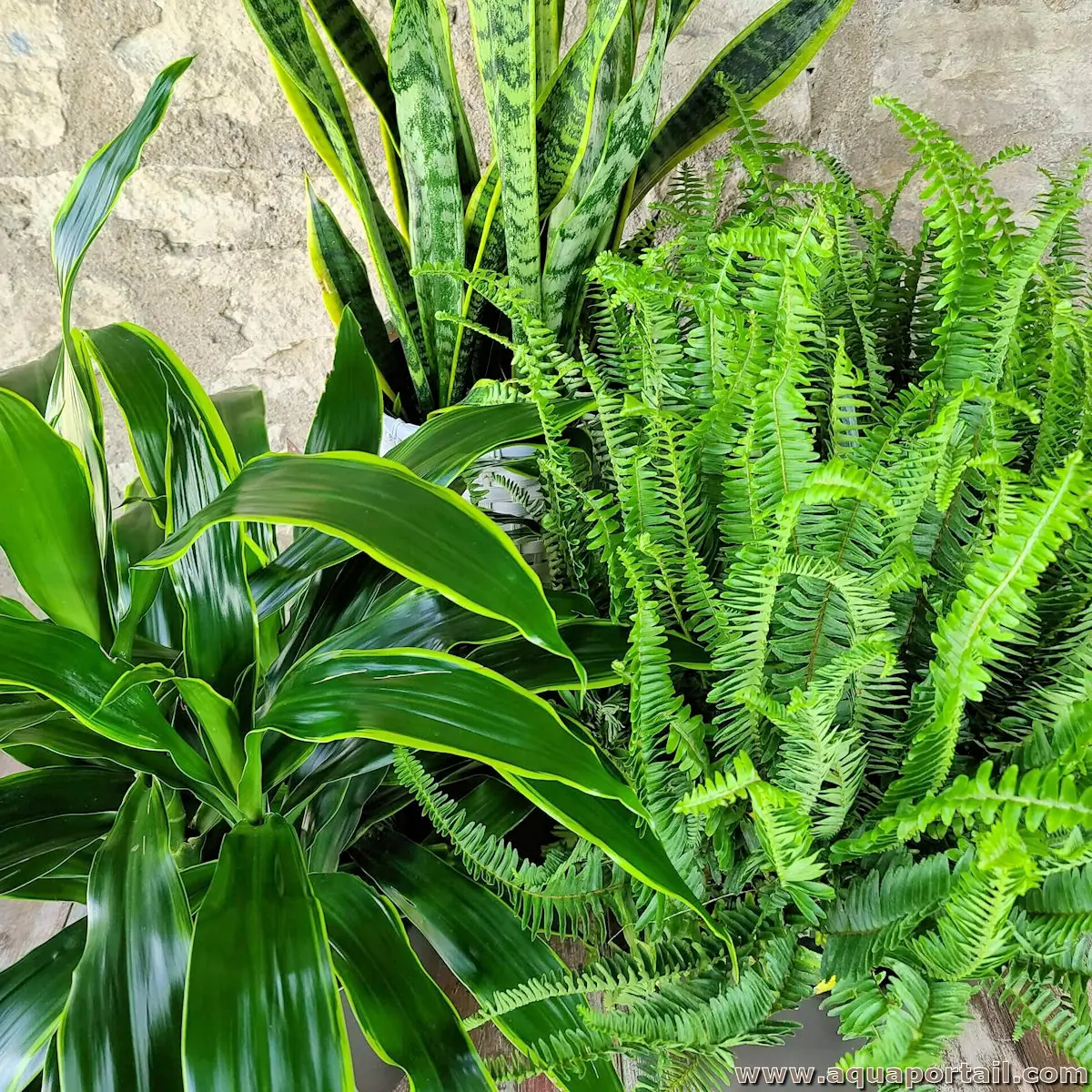
Green plants (subkingdom Viridiplantae) encompass land plants, aquatic vascular plants, and green algae, accounting for roughly one-sixth of all described...
live plants

Live plants are natural plants, generally implied to be herbaceous species, whereas fake plants are artificial.
live plants with goldfish

Is it possible to keep live aquatic plants with goldfish in an aquarium ? Will they eat everything ? Which living, non-artificial plants are suitable...
Simple summary
Higher plants, also called vascular plants or tracheophytes, constitute a vast group of plants characterized by the presence of specialized tissues ensuring the transport of water, nutrients, and photosynthetic products throughout the plant. These tissues include xylem, which conveys water and minerals from the roots to other parts of the plant, and phloem, which distributes sugars produced by photosynthesis. Higher plants encompass ferns, gymnosperms (such as conifers), and angiosperms (or flowering plants). They differ from lower plants, such as algae and bryophytes, in that they possess well-developed roots, stems, and leaves and reproduce via seeds or spores.
