Heterotrophy
noun (n.)
Definition
Heterotrophy is a trophic mode (heterotrophic nutrition) characterizing organisms that sustain themselves by assimilating organic compounds. Animals, protozoans, fungi, and a large proportion of bacteria and archaea are heterotrophic organisms.Heterotrophy in a goat:

Heterotrophy illustrated by a goat feeding on the leaves of a plant.
Explanations
In a heterotrophic organism, nutrients consist of energy-rich organic matter (carbohydrates, lipids, proteins), because heterotrophs are incapable of converting inorganic matter into organic compounds. These organisms therefore depend on organic matter synthesized by autotrophs, mixotrophs, or other heterotrophs.
Heterotrophy is the inverse of autotrophy and complements mixotrophy within the food chain.
Nutritional process
The cellular process of heterotrophy can be divided into the following stages:
- capture: the cell draws in food particles by creating currents with cilia or flagella, or extends pseudopodia that engulf the food
- ingestion: the cell encloses food inside a food vacuole or phagosome. Certain ciliated cells, such as paramecia, possess a mouth-like opening called a cytostome through which they phagocytose food
- digestion: lysosomes release digestive enzymes into the phagosome, transforming it into a digestive vacuole where enzymes break down food into small constituent molecules
- membrane transport: small molecules released during digestion cross the vacuolar membrane and diffuse throughout the cytoplasm
- defecation (or egestion): the cell expels undigested or unusable waste material to the exterior
- metabolism: the set of biochemical reactions occurring within living cells that sustain vital functions
- excretion: elimination of metabolic waste products, typically carbon dioxide (CO2), water (H2O), and ammonia (NH3)
Phagotrophy, heterotrophy, mixotrophy, and phototrophy:

Cryptomonads may be photoautotrophic, heterotrophic, or mixotrophic. Photoautotrophic species synthesize organic molecules from CO2 via photosynthesis, whereas heterotrophic forms meet their carbon requirements through osmotrophy or phagotrophy.
Metabolism is divided into two main phases:
- anabolism, or the biosynthetic phase, in which large organic molecules are built from smaller precursors using biochemical energy generated by catabolism
- catabolism, or the degradative phase, in which organic matter is oxidized via cellular respiration inside mitochondria to release biochemical energy
Synonyms, antonyms
Spanish translation: heterotrofia
1 synonym (similar meaning) for "heterotrophy":
1 antonym (opposite meaning):
Related words and expressions to HETEROTROPHY are directly connected by general or specific meaning.
The word HETEROTROPHY is listed on page 1 of words starting with H in the dictionary glossary.
Related to "heterotrophy"
autotrophy

Autotrophy is the trophic mode of an organism capable of synthesizing organic matter from inorganic matter.
auxotrophy
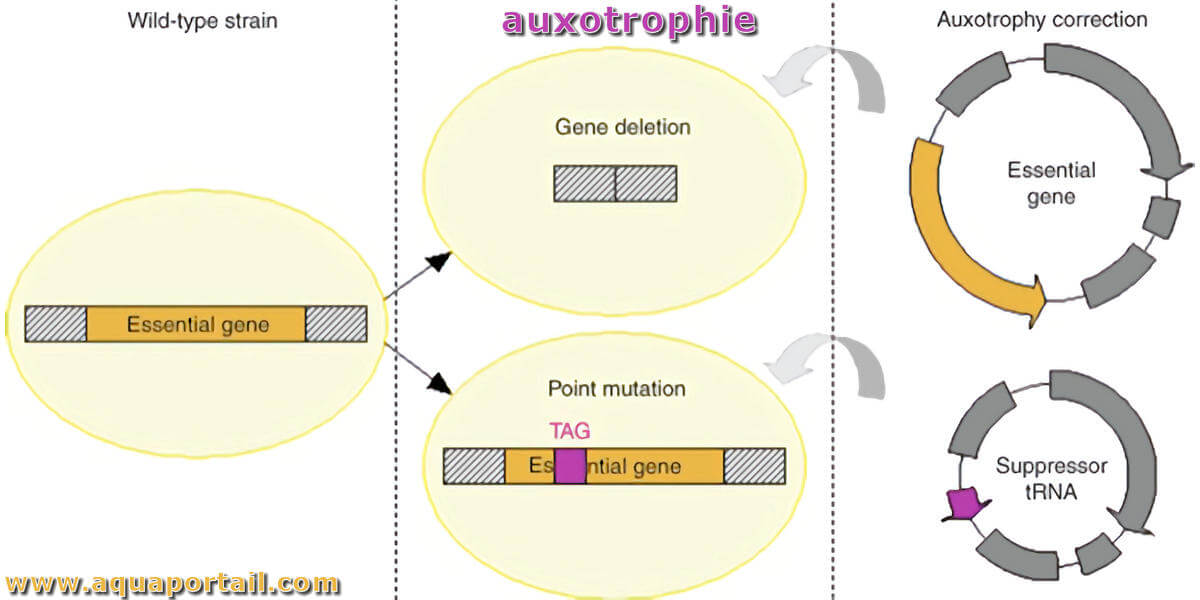
Auxotrophy is a trophic mode characterizing organisms, autotrophic for the vast majority of their needs, that cannot synthesize certain essential molecules...
heterocyst

In filamentous cyanobacteria, a heterocyst is a thick-walled cell, lacking the usual pigmentation of this group and specialized in atmospheric nitrogen...
heterokaryote
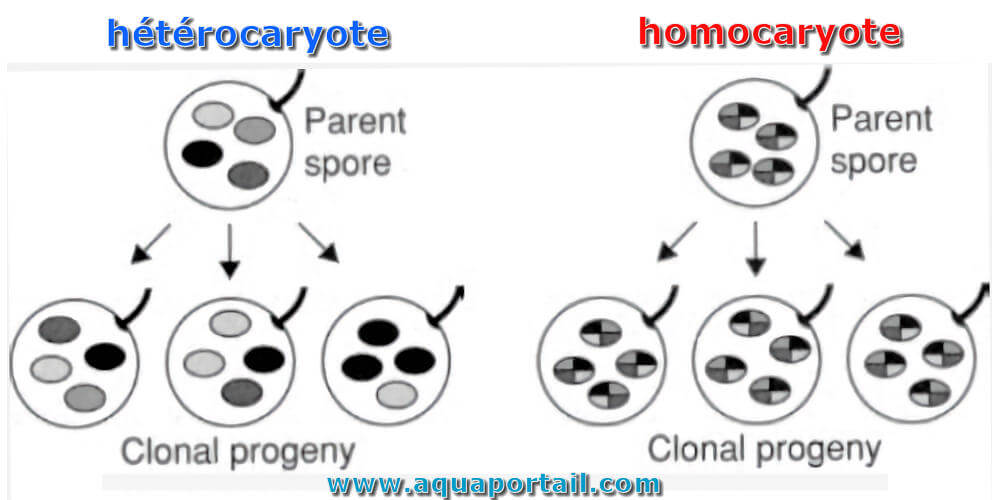
In biology, heterokaryotic describes a cell possessing at least two nuclei of different genetic origins, pertaining to heterokaryons and heterokaryotes.
