Valve
noun (n.)
Definition
A valve is a natural or mechanical system allowing the opening or closing of a system connected to it. Depending on the field of application—mechanics, anatomy, botany, or zoology—the term valve takes on varied and more specific meanings. The diminutive valvule applies only to anatomy.
Bivalves have two valves:

Shellfish with two valves are among the main products making up a seafood platter.
Valve in mechanics
In mechanics, a valve is a device for controlling the passage of fluid or air in a pipe, duct, etc., notably an automatic device permitting flow in only one direction. For example, a check valve shuts off boiler flow when the water is hot enough.
In music, a valve is a cylindrical mechanism in a brass instrument that, when depressed or rotated, admits air into different sections of tubing and thereby extends the range of available notes.
Valve in anatomy
In anatomy, a valve is a membranous fold in a hollow organ or tubular structure, such as a blood vessel or the digestive tract, that maintains the flow of contents in one direction by closing in response to any pressure from reverse flow. For example, a heart valve is a part of the heart capable of opening and closing.
Valve in botany
In botany, a valve refers to each of the parts of the wall of a capsule, pod, or silique upon dehiscence. Fruit valves are therefore each of the pieces making up the outer casing of dehiscent fruits.
In diatoms, the valve identifies each of the two halves constituting the frustule: it is composed of the hypovalve and the epivalve.
Valve in zoology
In zoology, a valve is each of the halves of the hinged shell of a bivalve mollusk or a brachiopod, or the parts of the compound shell of a barnacle.
In mollusks, particularly in bivalve shellfish consisting of two valves, the valve defines a solid calcareous part that encloses the animal's body. Bivalves exist both in the sea and in inland waters.
Mollusk valves
The valve, as applied to mollusk shells, allows mollusks to be identified and classified. Although in theory every mollusk shell could be called a "valve", the word is currently more commonly used to define members of two classes of mollusks: Bivalvia (bivalves) and Polyplacophora (chitons), that is, mollusks whose shells have more than one articulated part, each of which is called a valve (or even, in the case of chitons, a plate). In bivalves, a pallial impression (of the pallial sinus) sometimes allows better identification depending on whether it is sinupalliate or not (integripalliate).
In bivalves, the soft body is held between two shells, the valves, which are generally made of calcite or aragonite. The valves act as protection against carnivores and wave energy. Bivalves exhibit bilateral symmetry, with the plane of symmetry running along the line where the two valves meet. Thus, the vast majority of them are equivalve.
Species of a particular family of small sea slugs, the opisthobranch snails of the marine family Juliidae, also have two hinged valves or shells resembling those of bivalves. These exceptional species are known as bivalved gastropods. Gastropods (snails) are sometimes called "univalves" because, when present, their shell is generally composed of only a single piece.
Synonyms, antonyms
French translation:
valveSpanish translation: válvula
1 synonym (similar meaning) for "valve":
0 antonyms (opposite meaning).
Related words and expressions to VALVE are directly connected by general or specific meaning.
The word VALVE is listed on page 1 of words starting with V in the dictionary glossary.
Related to "valve"
bivalve

A bivalve is a type of shellfish among pelecypod (lamellibranch) mollusks and brachiopods, whose shell is formed of two valves connected by a hinge...
epitheca

In biology, an epitheca is the outer part of a theca. The epitheca refers to the external covering of the theca, an outer calcareous layer investing the lower...
gate valve
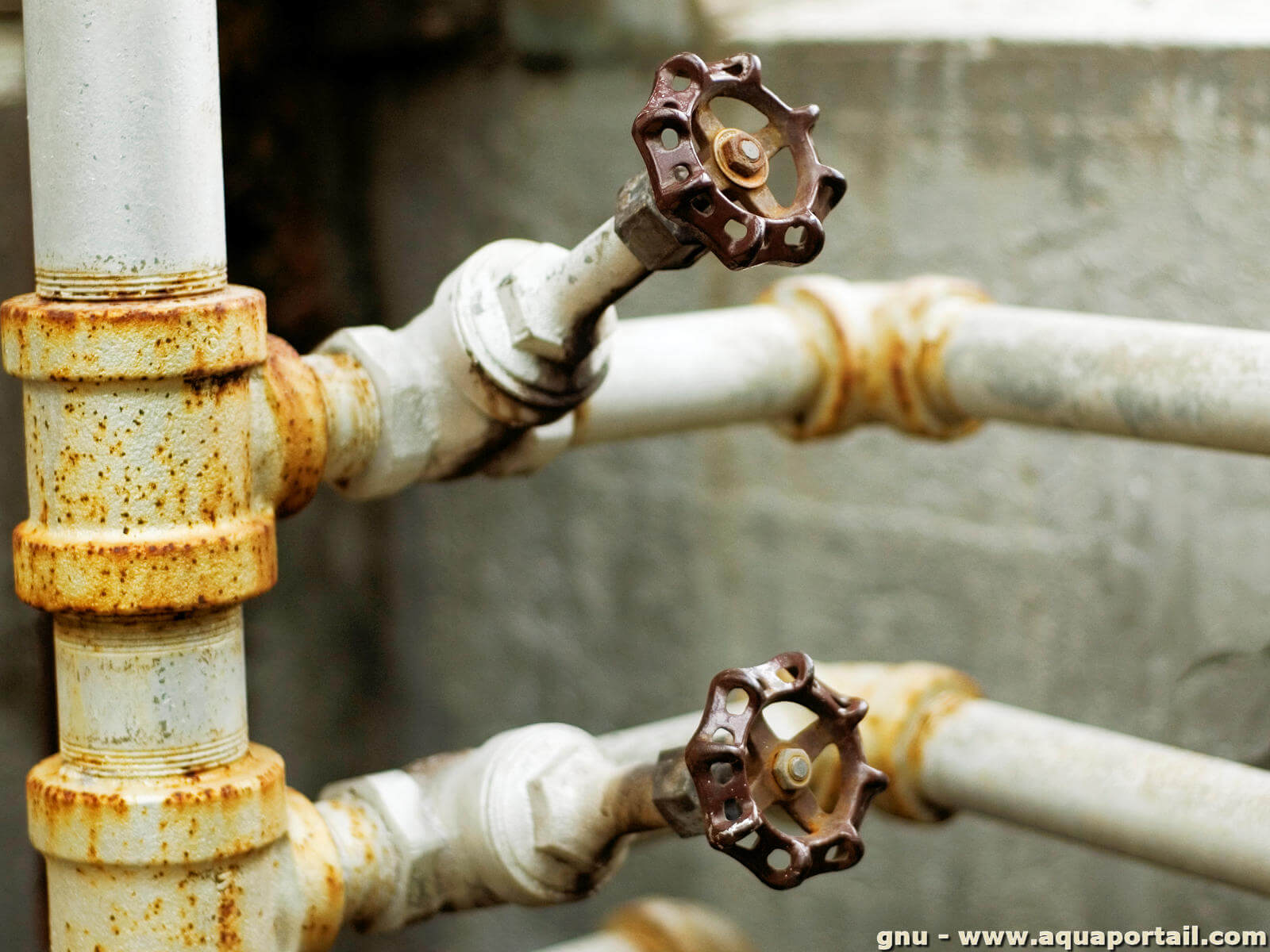
A gate valve is an instrument for regulating and controlling fluids. It is also a sliding sluice gate that allows water levels to be adjusted or flow...
vacant

Vacant describes what is free, unoccupied, or available (referring to a place, property, job, or office).
