Vesicle
noun (n.)
Definition
A vesicle is a membranous pouch shaped like a sac or bladder, generally filled with liquid (cyst, vacuole...) or gas in a plant or animal.
Vesicles inside cells move substances into or out of the cell.
A gallbladder:
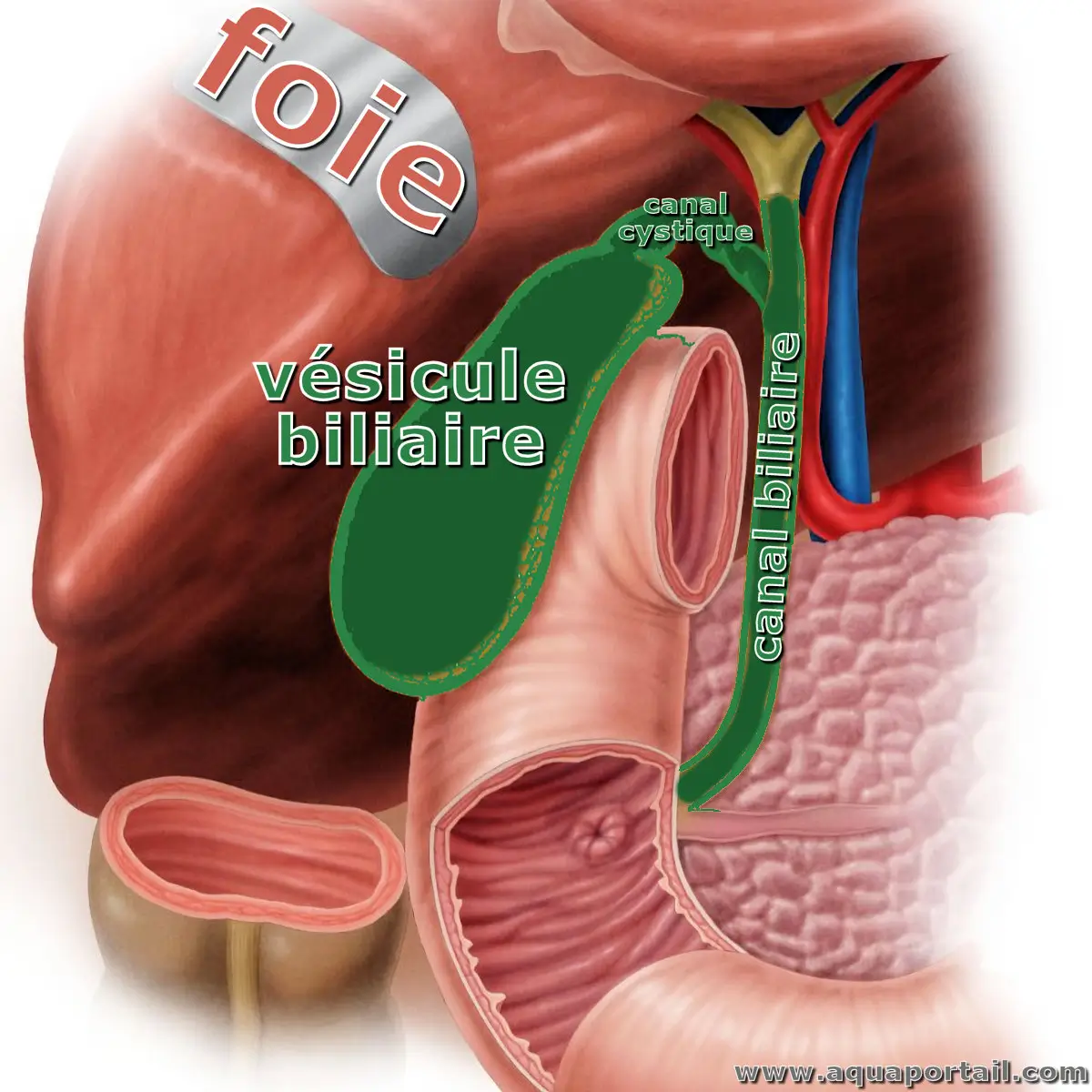
The gallbladder is a pear-shaped sac that functions primarily as a reservoir for bile synthesized in hepatocytes.
Explanations
Vesicles are small cellular containers that perform various functions. They can be used to move molecules, secrete substances, digest materials, or regulate pressure within the cell.
A vesicle refers to several structures that share a subcellular organization shaped like a small sac, bounded by a single membrane. Vesicles are intracellular, located inside the cell, very small rounded to oval sacs surrounded by a single or double membrane or a reticulated protein shell.
Vesicles form their own cellular compartments in which different cellular processes take place. Their size is about one micrometer. Vesicles are responsible for transporting numerous substances within the cell, such as Golgi vesicles or Golgi vacuoles.
✅ Summary: a vesicle denotes any organ shaped like a small bladder or sac. Vesicles store, transport, or digest cellular products and waste. They constitute a fundamental tool of the cell for organizing metabolism. They can also be found in both animal and plant eukaryotic cells.
Diagrams of cellular vesicles:
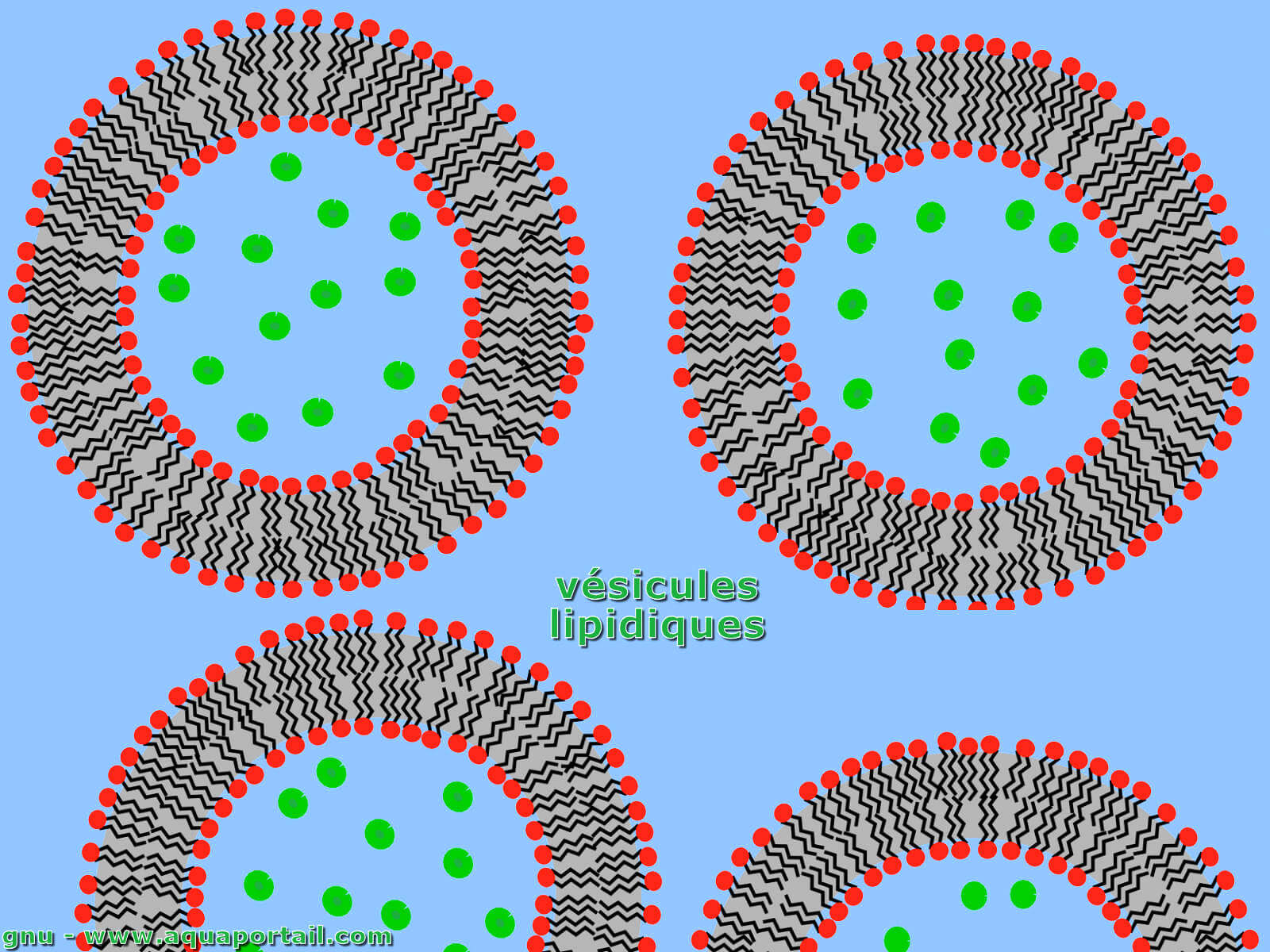
Lipid vesicles are cellular (biological) vesicles that enclose a cargo (represented by green dots) which may be neurotransmitters, a dye, drugs, nanoparticles, etc.
Types
There are several functionally distinct types of vesicles. In exocytic vesicles, substances destined to be released from the cell are stored and discharged by fusion of the vesicles with the cell membrane. These may also be membrane proteins initially located in the vesicle membrane that automatically become part of the cell membrane upon fusion.
Synaptic vesicles for neurotransmitter release are another example. Conversely, endocytic vesicles are used to internalize substances into the cell and to recycle membrane proteins. Other vesicles are used to transport newly synthesized proteins from the endoplasmic reticulum (ER) to the Golgi apparatus.
gas vesicles, or bladders, provide buoyancy to unicellular aquatic organisms much like a swim bladder and allow them to remain at an optimal water depth.
Secretory vesicles are associated with the GERL system and lack ribosomes. These vesicles arise from cellular secretion by the membranous cisternae of the Golgi complex, present only in eukaryotic cells, which differentiate into lysosomes (in animals) and functional vacuoles (in plants).
Vesicles with high enzymatic content (acid phosphatase and other water-soluble enzyme complexes) are packaged in lysosomes across their 4 types (storage granules, heterophagosome or digestive vacuole, residual bodies, and autophagosome, cytolysosome or autophagic vacuole). Lysosomes are synthesized by ribosomes and packaged and modified by the membranous cisternae of the Golgi complex.
In botany
In botany, a vesicle denotes a small, smooth, oval body formed in the underground parts of a plant by mycorrhizae. This swelling of intracellular or intercellular hyphae occurs in vesicular endomycorrhizae. These vesicles serve as lipid reserves. Others are involved in storage, such as aerocysts with air (or gases), parenchyma... See also pulsatile vesicle.
It can also be a small swollen lesion filled with serous fluid (saccule, vacuole, granule, sac in an animal cell or a plant cell).
Uses of the term
⭐ Anything related to a vesicle is described as vesicular or vesiculiferous; a change in form can result in vesication.
A cystic organ relates to the gallbladder or to the urinary bladder (as well as the cystic duct). See also yolk sac, seminal vesicle, auditory vesicle, etc., all bounded by a cellular membrane.
⭐ See also cephalic vesicle, optic vesicle, storage vesicle, transport vesicle, secretory vesicle, transfer vesicle, transition vesicle, lysosome, liposome, peroxisome, glyoxysome, endosome, micelle, clathrin, etc.
Synonyms, antonyms
Spanish translation: vesícula
3 synonyms (similar meaning) for "vesicle":
0 antonyms (opposite meaning).
Related words and expressions to VESICLE are directly connected by general or specific meaning.
The word VESICLE is listed on page 1 of words starting with V in the dictionary glossary.
Related to "vesicle"
Golgi vesicles

Golgi vesicles are vesicles of Golgi origin. These vesicles budded from dictyosomes are intended for transporting material from the Golgi apparatus to various...
exocytosis vacuole

An exocytosis vacuole (exocytic vesicle) is any of the specialized secretory vesicles capable of fusing with the plasma membrane, opening to the extracellular...
gas vesicle
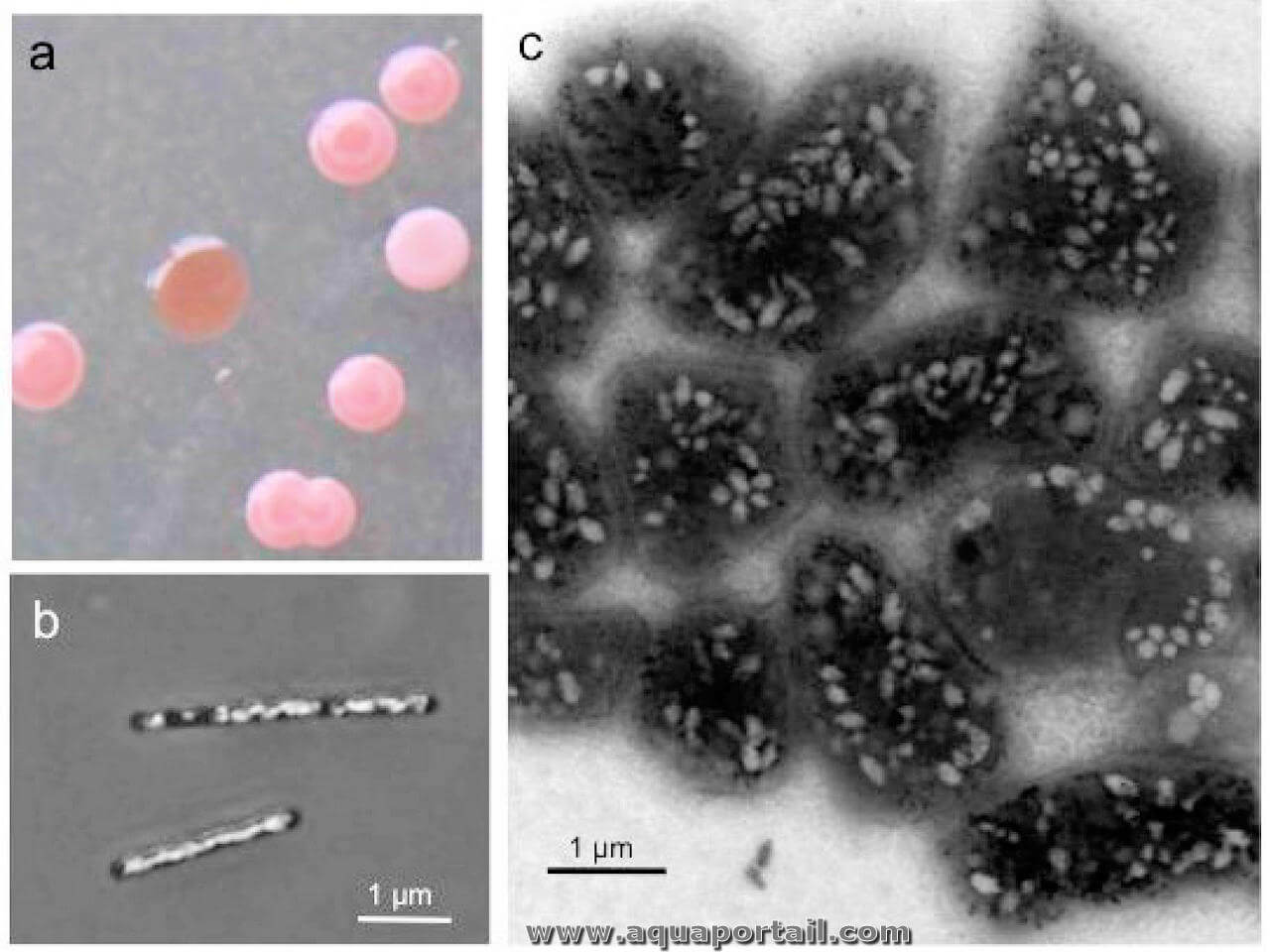
In botany, a gas vesicle is a vesicle filled with gas, air, or nitrogen, such as a pneumatophore vacuole.
autophagic vacuole
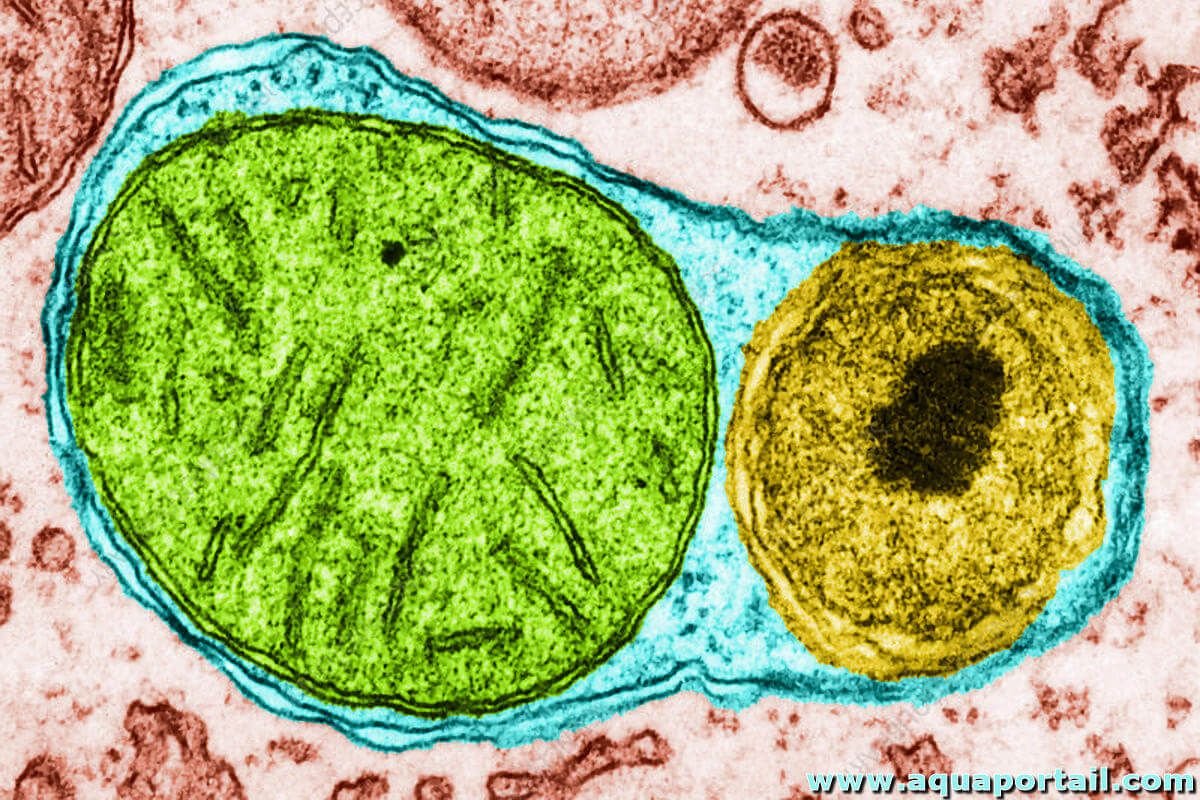
An autophagic vacuole is a type of vacuole whose role is to eliminate superfluous cellular constituents.
Simple summary
A vesicle is a small intracellular structure, often spherical, surrounded by a lipid bilayer. It serves as a container for storing and transporting substances such as proteins, enzymes, or waste products, either inside the cell or between the cell and its external environment.
