Golgi vesicles
plural noun (n.pl.)
Definition
Golgi vesicles are vesicles of Golgi origin. These vesicles budded from dictyosomes are intended for transporting material from the Golgi apparatus to various compartments of the cell. Golgi vesicles are often called the traffic police of the cell. They play a key role in sorting many proteins and membrane constituents of the cell and routing them to their appropriate destinations.
Golgi vesicles during exocytosis:

Golgi vesicles in the form of soluble and secretory proteins leaving the Golgi apparatus undergo exocytosis.
Explanations
Vesicles leaving the rough endoplasmic reticulum are transported to the cis face of the Golgi apparatus, where they fuse with the Golgi membrane and empty their contents into the lumen. Once inside, the molecules are modified and then sorted for transport to their next destinations.
Proteins destined for parts of the cell other than the endoplasmic reticulum or the Golgi apparatus are moved across the Golgi saccules (Golgi cisternae) toward the trans face, to a complex network of membranes and associated vesicles called the trans-Golgi network (TGN). This region of the Golgi is the point where proteins are sorted and dispatched to their intended destinations by being packaged into one of at least three different types of vesicles, depending on the signal sequence they carry.
Golgi vesicles secreted by the Golgi apparatus:

Golgi vesicles are organelles transporting glycoproteins synthesized in the rough endoplasmic reticulum of a cell toward the Golgi apparatus.
There are 3 types of Golgi vesicles:
- exocytotic (constitutive) vesicles: the vesicle contains proteins destined for extracellular release. After packaging, the vesicles bud off and move immediately to the plasma membrane, where they fuse and release their contents into the extracellular space in a process known as constitutive secretion. For example: the release of antibodies by activated plasma B cells.
- secretory (regulated) vesicles: the vesicles contain proteins destined for extracellular release. After packaging, the vesicles bud off and are stored in the cell until a signal is given for their release. When the appropriate signal is received, they move to the membrane and fuse to release their contents. This process is known as regulated secretion. For example: the release of neurotransmitters from neurons.
- lysosomal vesicles: the vesicles contain proteins and enzymes destined for the lysosome, a degradative organelle containing numerous acid hydrolases, or lysosome-like storage organelles. These proteins include both digestive enzymes and membrane proteins. The vesicle first fuses with the late endosome, and the contents are subsequently transferred to the lysosome via specific mechanisms. For example: digestive proteases destined for the lysosome.
See also the Golgi tendon organ.
Synonyms, antonyms
Spanish translation: vesículas de Golgi
5 synonyms (similar meaning) for "golgi vesicles":
- Golgi vesicle
- secretory granule
- shuttle vesicle
- transition vesicle
- transport vesicle
0 antonyms (opposite meaning).
Related words and expressions to GOLGI VESICLES are directly connected by general or specific meaning.
The expression GOLGI VESICLES is listed on page 1 of words starting with G in the dictionary glossary.
Related to "Golgi vesicles"
gas vesicle
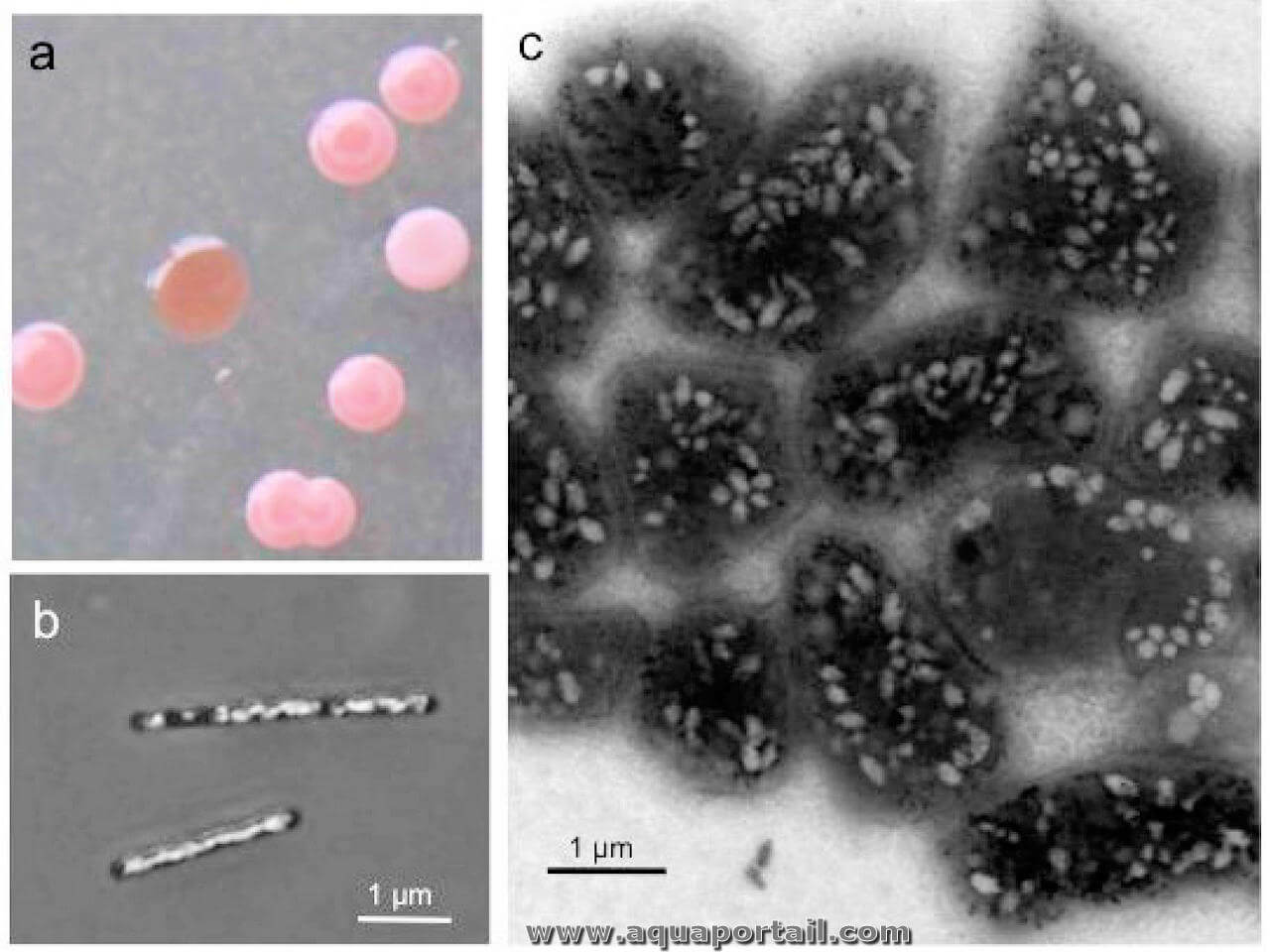
In botany, a gas vesicle is a vesicle filled with gas, air, or nitrogen, such as a pneumatophore vacuole.
vesicle
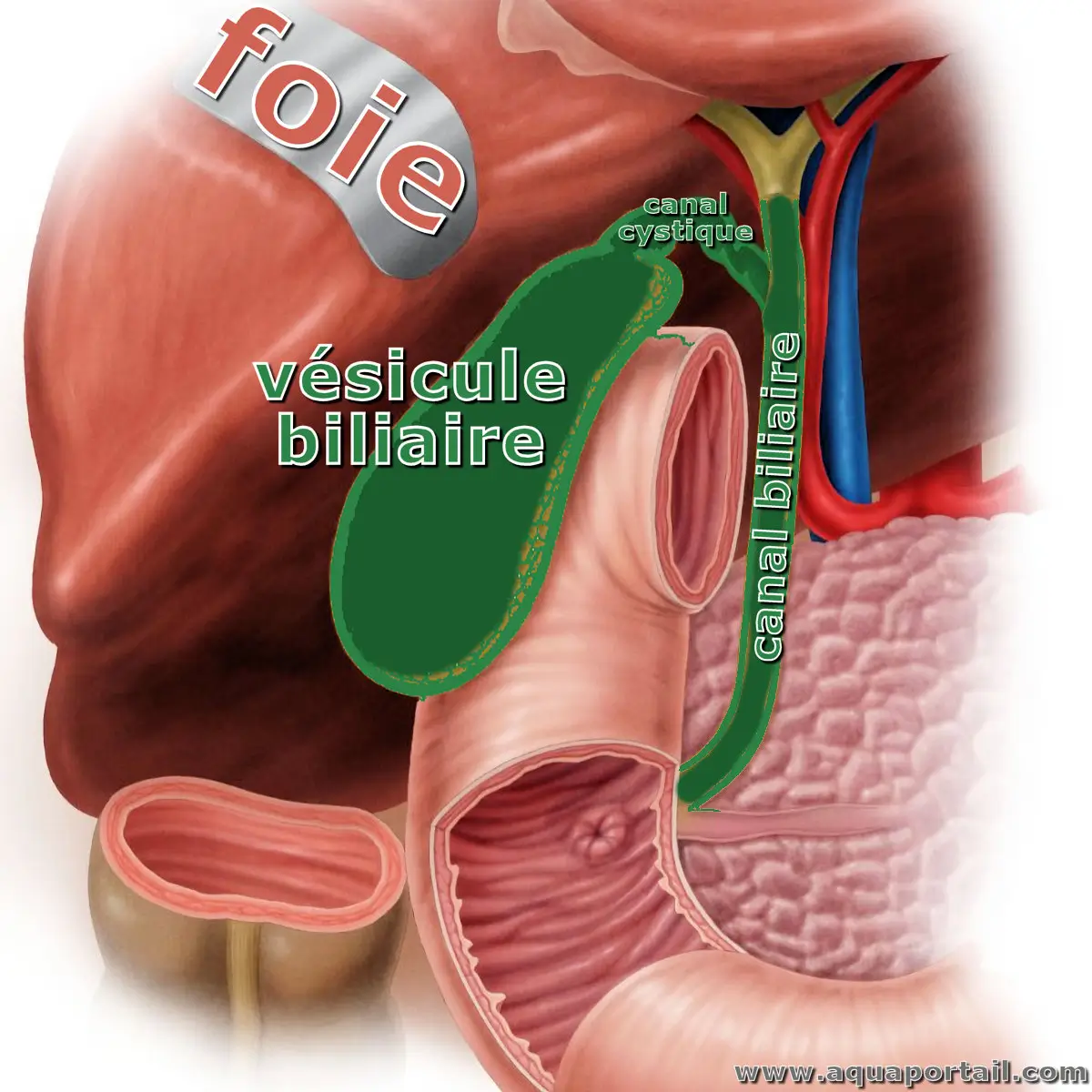
A vesicle is a membranous pouch shaped like a sac or bladder, generally filled with liquid (cyst, vacuole) or gas in a plant or animal.
gabelle

The gabelle was an ancient excise tax on salt. This indirect tax remained the main source of revenue for the French monarchy until the Revolution of 1789...
galactan
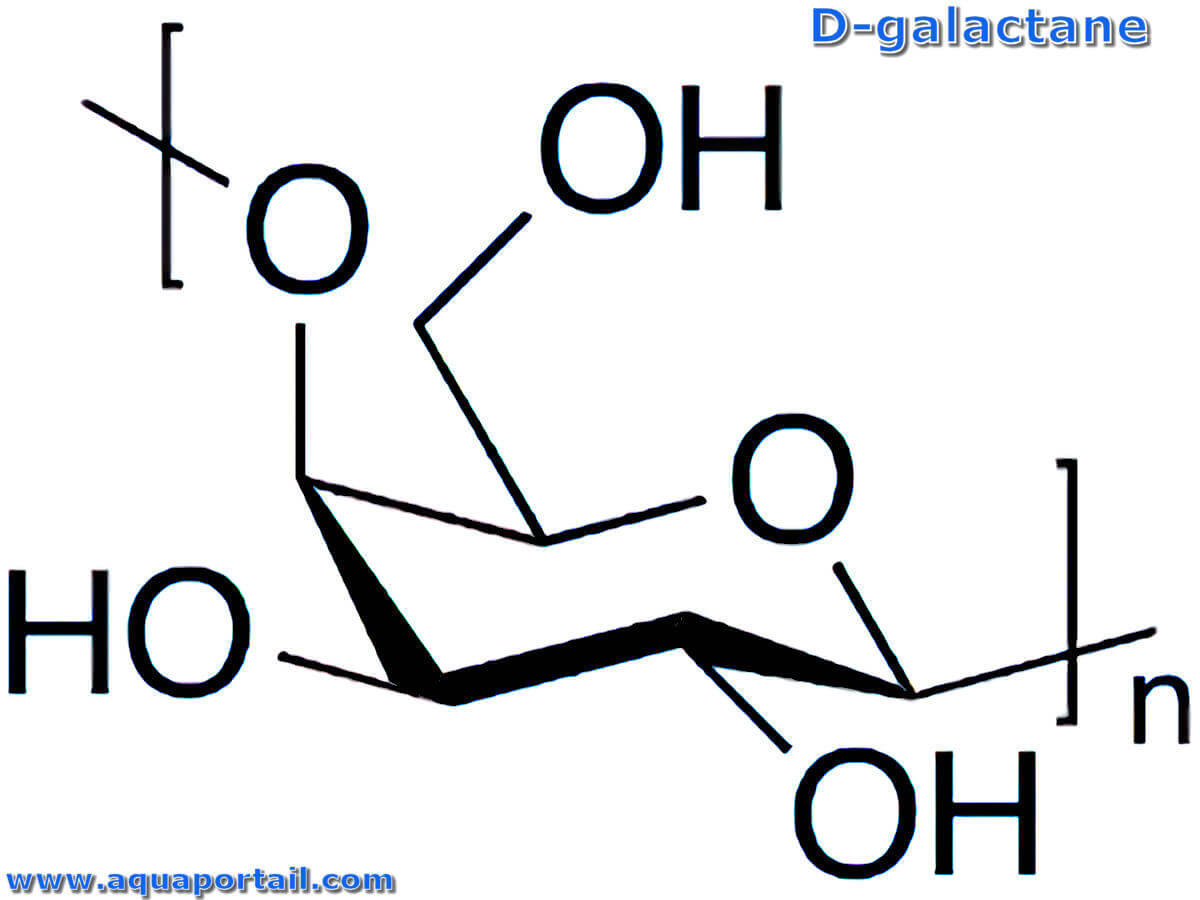
A galactan (galactosan) is a polymer composed of L- and D-galactose, a water-soluble hemicellulose made up of branched hydrosoluble polysaccharides.
Simple summary
Golgi vesicles are small membrane-bound sacs derived from the Golgi apparatus within the cell. These vesicles transport molecules, such as proteins and lipids, to different parts of the cell or to the plasma membrane for secretion. They facilitate the modification, packaging, and distribution of cellular products, thereby participating in the overall function of the Golgi apparatus in maintaining cellular processes.
