Gram stain
proper noun
Definition
Gram staining refers to a crystal violet staining technique retained by the outer cell wall of certain bacteria, called Gram-positive, and not retained by others, called Gram-negative. The Gram staining method makes it possible to distinguish between a Gram-positive bacterium and a Gram-negative bacterium.
Comparison of the two Gram colors:

Gram staining is a microbiological procedure that categorizes bacteria according to the physical and chemical structure of their outer surface. It is performed simply using a slide, a microscope, and stains.
Explanations
Gram staining, the most widely used staining procedure in bacteriology, is a complex, differential staining technique. Through a series of staining and decolorization steps, organisms within the domain Bacteria are differentiated according to their cell wall composition.
The Gram stain procedure is routinely used for detecting and identifying bacteria in research and clinical laboratories. The test involves examining bacteria smeared on a glass slide under a microscope, where they can be clearly observed once stained.
Gram-positive bacteria possess cell walls containing thick layers of peptidoglycan (90% of the cell wall) and stain purple. Gram-negative bacteria have cell walls with thin layers of peptidoglycan (10% of the cell wall) and a high lipid content, staining pink.
This staining procedure is not used for archaea or eukaryotes because both lack peptidoglycan. Performing a Gram stain on any sample requires four basic steps, beginning with the application of a primary stain (crystal violet).
Synonyms, antonyms
Spanish translation: tinción de Gram
2 synonyms (similar meaning) for "gram stain":
- Gram-negative
- Gram-positive
0 antonyms (opposite meaning).
Related words and expressions to GRAM STAIN are directly connected by general or specific meaning.
The expression GRAM STAIN is listed on page 1 of words starting with G in the dictionary glossary.
Related to "Gram stain"
Feulgen stain
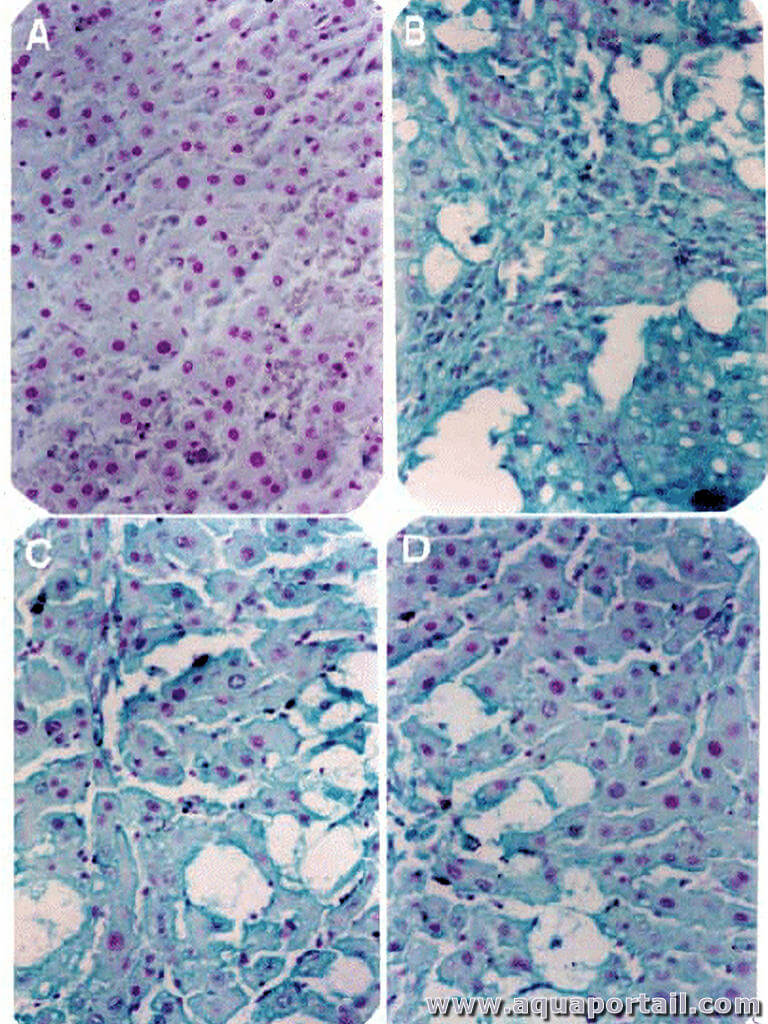
A Feulgen stain is a staining technique for nucleic acids, following mild acid hydrolysis, based on the Schiff reaction, namely the violet coloration produced...
graminivore

In zoology, a graminivore is a herbivorous animal that feeds primarily on grasses and herbaceous plants of the family Poaceae.
gabelle

The gabelle was an ancient excise tax on salt. This indirect tax remained the main source of revenue for the French monarchy until the Revolution of 1789...
galactan
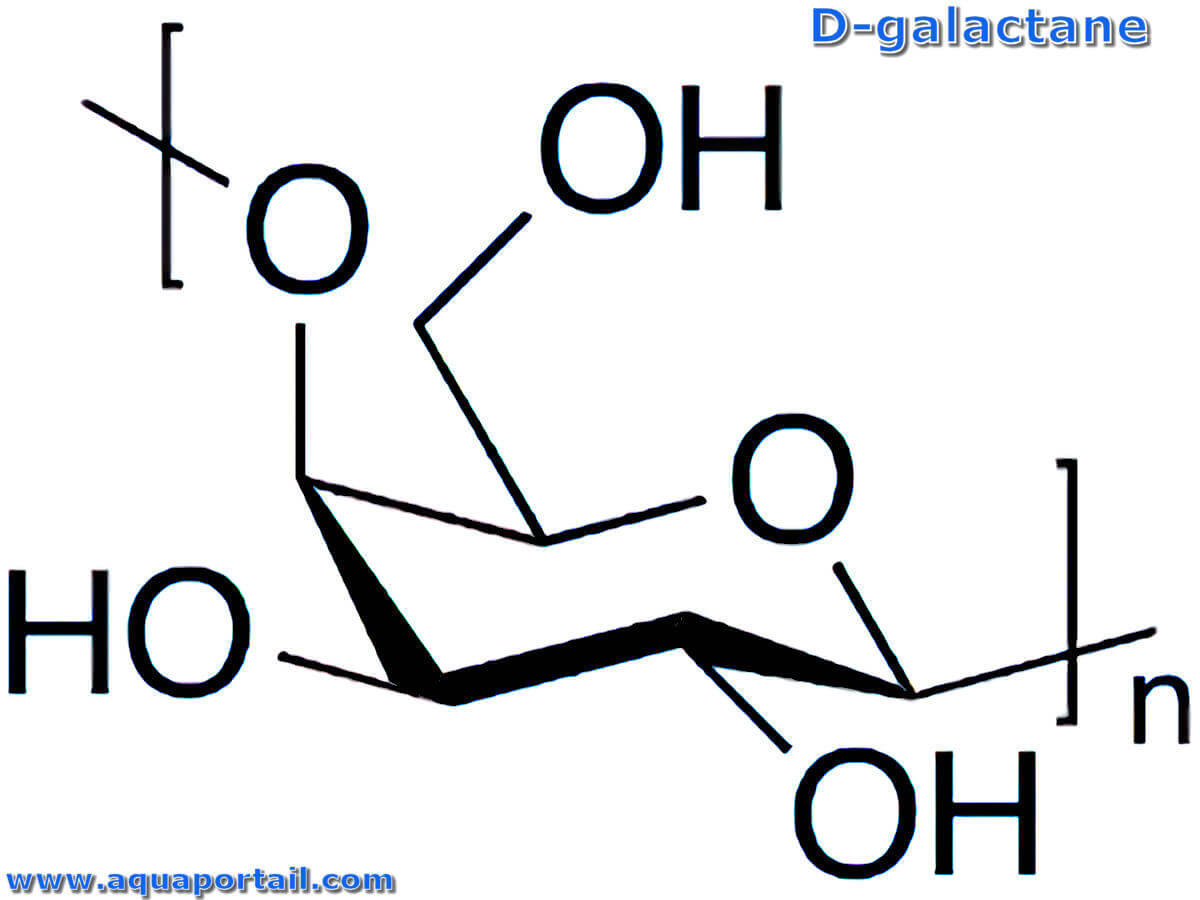
A galactan (galactosan) is a polymer composed of L- and D-galactose, a water-soluble hemicellulose made up of branched hydrosoluble polysaccharides.
