Organelle
noun (n.)
Definition
An organelle is a subcellular structure that performs one or more specific functions within the cell, much like an organ in the body. The first organelle to be identified was the cell nucleus.
Organelles of a eukaryotic cell:

Cellular organelles are membrane-bound structures responsible for carrying out various cellular processes such as energy production, protein synthesis, and waste disposal. Each cellular organelle is unique in terms of structure, function, and composition.
Explanations
Among the most important cellular organelles are nuclei (which store genetic information), mitochondria (which produce chemical energy), and ribosomes (which assemble proteins). All are cellular compartments.
Because a membrane surrounds the nucleus of a eukaryotic cell, it possesses a "true nucleus". The word "organelle" means "little organ", and organelles have specialized cellular functions, just as the organs of an organism's body have specialized functions.
These cellular organelles include membrane-bound and non-membrane-bound organelles, present in cells and distinct in their structures and functions. They coordinate and operate efficiently for the normal functioning of the cell. Some provide shape and support to the cell, while others participate in its locomotion and reproduction.
The cell contains various organelles, classified into three categories according to the presence or absence of a membrane:
- non-membrane-bound organelles: the cell wall, ribosomes, and cytoskeleton are non-membrane-bound cellular organelles. They are present in both prokaryotic and eukaryotic cells.
- single-membrane-bound organelles: the vacuole, lysosome, Golgi apparatus, and endoplasmic reticulum are single-membrane-bound organelles, present only in eukaryotic cells.
- double-membrane-bound organelles: the nucleus, mitochondria, and chloroplast are double-membrane-bound organelles, present only in eukaryotic cells.
✅ Cells provide shape, structure, and perform different functions to keep the entire system active. The cell contains different functional structures, collectively called organelles, which participate in various cellular functions.
Synonyms, antonyms
Spanish translation: orgánulo
1 synonym (similar meaning) for "organelle":
0 antonyms (opposite meaning).
Related words and expressions to ORGANELLE are directly connected by general or specific meaning.
The word ORGANELLE is listed on page 1 of words starting with O in the dictionary glossary.
Related to "organelle"
cytoplasmic
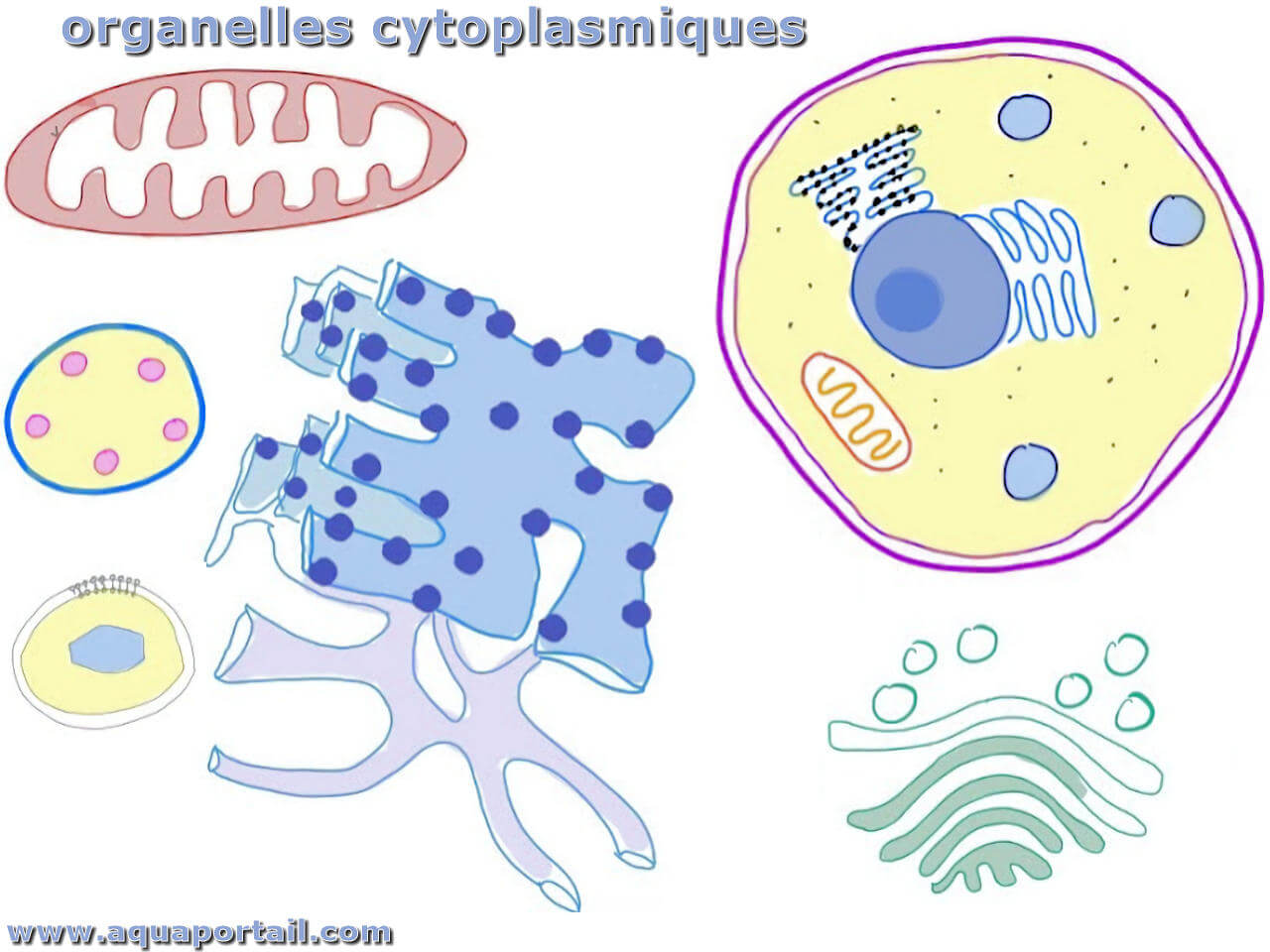
A cytoplasmic region relates to the cellular cytoplasm, or to cell formation. For example, the cytoskeleton of a cell is the cytoplasmic skeleton.
cytoplasmic inclusion
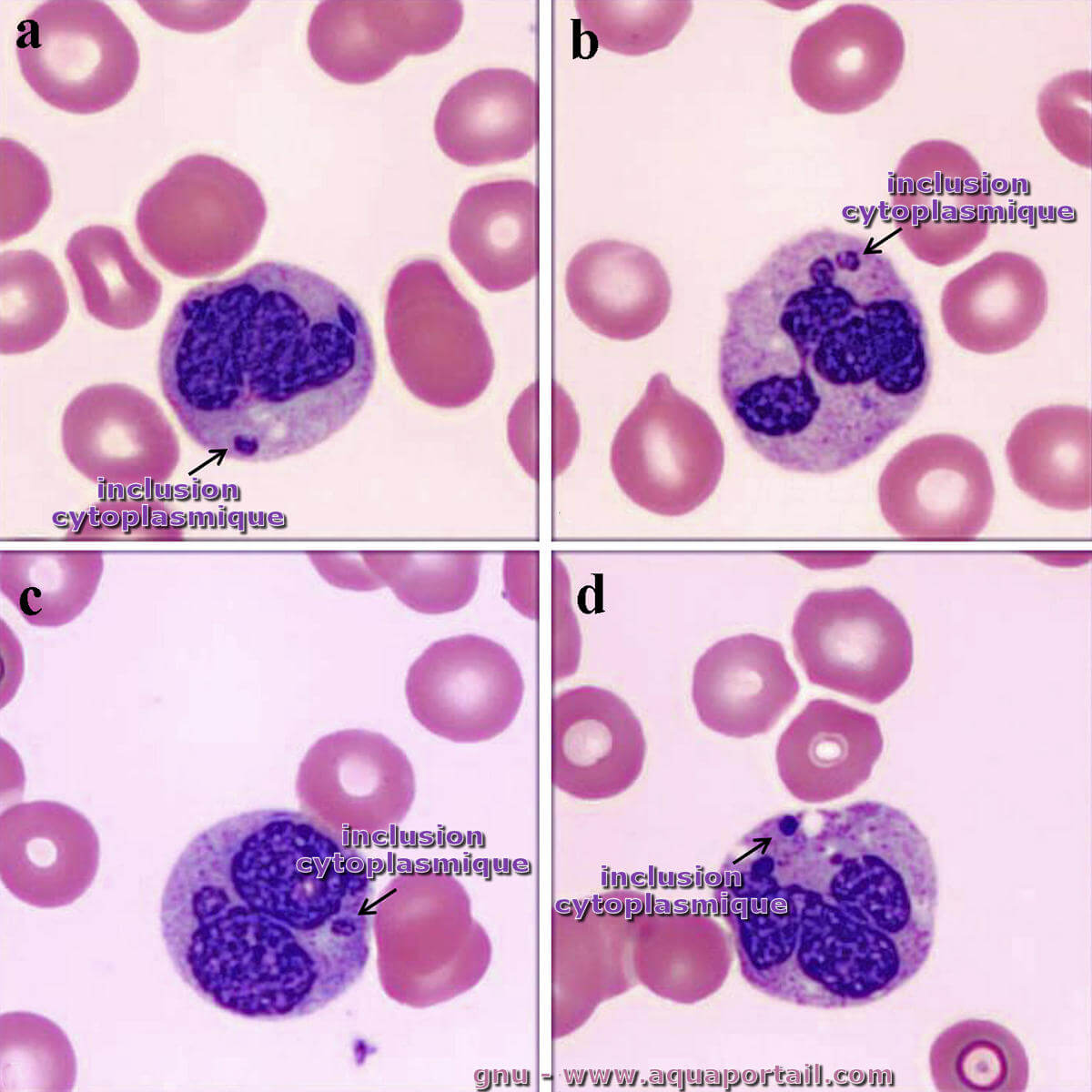
In biology, a cytoplasmic inclusion is any of the variously shaped structures, not attributable to an organelle, observable in the cytoplasm of certain cells.
organobromine
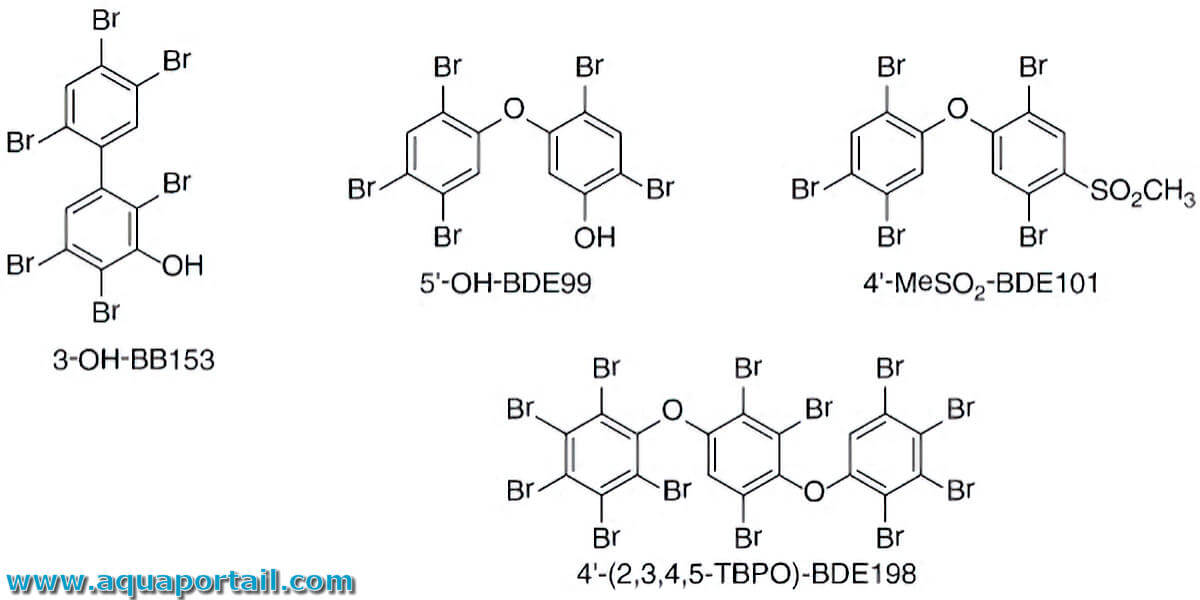
An organobromine compound is an organic substance containing bromine. Organobromine compounds contain covalent bonds between carbon and bromine atoms.
ocean basin

An ocean basin is a benthic environment taking the form of a depression in the ocean floor bounded by the lower part of the continental slope.
Simple summary
An organelle is a specialized structure within a cell that performs a specific function, much as an organ does for an organism's body. Organelles are found primarily in eukaryotic cells and include, among others, the nucleus, mitochondria, endoplasmic reticulum, Golgi apparatus, and lysosomes.
