Osmoregulation
noun (n.)
Definition
Osmoregulation is the act of regulating cellular osmotic pressure, thus encompassing all homeostatic processes that maintain the organism's osmolarities at their normal level. Osmoregulation in biology refers to the regulation of the osmotic pressure of an organism's body fluids.Osmoregulation is the active means of regulating the osmotic pressure of the internal environment by maintaining the body's osmotic fluids. It is the maintenance of osmotic pressure across a semipermeable membrane, that is, an osmotic balance.
Isotonic osmoregulation for red blood cells:

The phenomenon of osmoregulation favors an isotonic environment, though it can be hypotonic or hypertonic. Maintaining isotony (isotonicity) is very important for red blood cells.
Explanations
Osmoregulation is carried out by various organs: gills, lungs, kidneys, nephridia, salt glands. This physiological mechanism allows an organism to adapt to the transition from a freshwater system to a saltwater system, that is, to adapt to the osmotic pressure of its surrounding environment.
⭐ Every organism must prevent the solute concentration in its cells from becoming too high or too low. Osmoregulation ensures a tolerable water content, maintaining an approximately constant internal state in many animals (homeostasis).
Put another way, osmoregulation is the maintenance of internal body fluids at an osmotic pressure different (generally higher) from that of the external aqueous environment. It is therefore a process by which an organism maintains a stable concentration of electrolytes.
⭐ Osmoregulation of an aquarium, regulating the salt concentration in aquarium water, is achieved using a device called an auto top-off (osmolator).
✅ Osmoregulation is measured by osmoregularity.
The metabolic reactions on which life depends operate in a liquid environment and require for their functioning that the relative concentrations of water and solutes remain within fairly narrow limits.
Osmoregulation or osmotic regulation is therefore the maintenance of body homeostasis with respect to solute concentrations and water content. This osmoregulation depends largely on the controlled movement of solutes between internal fluids and the external environment.
The process also regulates the movement of water following solutes by osmosis. Osmosis always occurs when two solutions separated by a semipermeable membrane differ in total solute concentration or osmolarity.
There is a net movement of water from the hypoosmotic solution to the hyperosmotic solution until solute concentrations are equal on both sides of the membrane. The unit of measurement for osmolarity is frequently milliosmoles per liter (mOsm).
The control of water relations in plant cells differs from that in animal cells. In both animal and plant cells, diffusion and osmosis are the underlying factors involved in water control; however, additional attention must be given to other factors such as osmotic pressure, osmotic potential, and water potential.
In animal cells, osmotic potential equals water potential. In contrast, in walled plant cells, water potential equals osmotic potential plus turgor pressure.
In most animals, the fluids bathing the cells are isosmotic with the fluids inside the cells, meaning the fluids inside and outside the cells have approximately the same osmotic pressure.
The total concentration inside and outside cells should be similar, or the cell would swell via cytolysis in a hypotonic solution or shrink in a hypertonic solution. To maintain isosmotic fluids on either side of the plasma membrane, animal cells constantly use energy to pump Na+ from inside to outside the cell via active transport.
For animal cells, an isosmotic solution is generally optimal, whereas for plant cells, an isosmotic solution results in loss of turgor. The cell wall allows plants to accumulate solutes in their protoplast at higher concentrations than those present in the external environment (apoplast).
Under these conditions, water tends to enter the cell by osmosis, causing an increase in volume and turgor pressure due to the elasticity of the plasma membrane.
Volume increase is limited by the cell wall, which, due to its mechanical strength, exerts pressure on the protoplast that balances water potentials between the cell and the external environment.
See also osmoconformity, thermoregulation.
Simplified principles
If two solutions are separated by a semipermeable membrane and have different water potentials, water moves by osmosis from the higher water potential to the lower water potential (the highest potential is pure water).
The more dissolved particles there are in the solution, the higher the osmotic value.
In all environments, whether in water (aquatic) or on land (terrestrial), organisms must maintain the solute concentration and water content of body fluids within an appropriate range for them.
This requires the excretion of excess metabolites and salts that would be toxic at excessively high concentrations. All processes and mechanisms in this context are part of osmoregulation.
Osmotic conformers and regulators
Osmoregulation distinguishes two main types of organisms: osmoconformers and osmoregulators.
Osmoconformers (or osmotic conformers) match the osmolarity of their body tissues to their environment; they are poikilosmotic. This can occur either passively (without additional energy expenditure) or actively (consuming energy). Most marine invertebrates are osmoconformers.
In addition, sharks and rays are osmoconformers, though their electrolyte composition differs from that of seawater. In particular, due to the Donnan effect, which occurs in the presence of non-permeable substances (such as proteins) inside the organism, passive conformers are always slightly hyperosmotic to the external medium.
Osmoregulators (or osmotic regulators) are more widespread in the animal kingdom. They maintain the organism's osmolarity within narrow, nearly constant limits and regulate the salinity of their body fluids, regardless of environmental salinity. Such organisms are called homeosmotic.
- freshwater fish are hyperosmotic regulators. They have a higher osmotic value inside the body than their environment, and therefore actively absorb electrolytes through the gills from the surrounding water. Excess water that has been absorbed is excreted via urine, which is consequently very dilute.
- organisms living in seawater are hypoosmotic regulators. They have a lower osmotic value than their environment, which would result in continuous water loss without counter-regulation. They therefore actively excrete salts through the gills.
Most fish species are restricted to freshwater or saltwater environments (stenohaline). Species whose osmoregulation permits life across a wide salinity range are called euryhaline.
Osmoregulation in plants
In general, plants must absorb water to compensate for loss. higher plants evaporate water mainly from the leaf surface and through their stomata, which are responsible for CO2 uptake, important in photosynthesis.
Many plants exhibit leaf adaptations that minimize water loss from transpiration. These include needle-shaped leaves, sunken stomata, and a thickened cuticle as in pines. Beach marram grasses (Ammophila) have rolled leaves with internal stomata.
Other species have developed water storage methods to take up water when abundant for times of drought. Xerophytes are plants of dry habitats capable of withstanding prolonged droughts.
Succulent plants such as cacti store water in extensive parenchymatous tissues.
Water supply and uptake are determined by internal and external influences affecting plant transpiration. Most higher plants lack specific organs for osmoregulation, with the exception of salt glands in mangroves and certain pioneer plants, including halophytes. These can take up the saltwater prevailing in their environment.
Osmoregulation in unicellular organisms
Certain unicellular organisms such as paramecia, amoebae, or euglenoid algae (Euglena) possess one or more contractile vacuoles, which take up excess water from the cytoplasm by osmosis. The contents of the contractile vacuole can be expelled from the cell either through a pore (paramecium) or via exocytosis.
Depending on the species, the pulsatile frequency of contractile vacuoles ranges from 5 to 10 seconds (Paramecium caudatum) to 30–40 minutes (in the case of the ciliate Spirostomum) and is influenced by a number of external factors such as the ionic concentration gradient and temperature, which are environmental factors.
Osmoregulation in animals
The osmolarity of extracellular fluid in humans is decisively determined by sodium concentration, with intracellular potassium being the most important. However, osmolarity is not kept constant by regulating ion levels, but by regulating the amount of water in which particles are dissolved.
Unlike salts, which can cross only tightly regulated membranes, water is freely distributed throughout the body, compensating for almost all differences in osmolarity, driven by osmotic pressure.
Regulation of the intake and excretion of free water serves to maintain osmolarity throughout the body so that cells neither shrink nor swell. By controlling sodium levels, volume regulation ensures that osmoregulation does not cause any undesirable volume changes in the extracellular space.
Essentially, osmoregulation consists of two control loops whose sensors are in each case osmoreceptors in the hypothalamus.
When hyperosmolarity (lack of water) sends these signals, antidiuretic hormone (ADH) is released in the neurohypophysis, which stimulates the incorporation of aquaporin 2 into the collecting ducts in the kidney, thereby reducing water excretion, and thirst is triggered, prompting water intake through drinking via a behavioral change.
In both cases, water balance becomes positive, so hyperosmolarity is effectively neutralized (negative feedback). In hypoosmolarity (excess water), regulation is reversed accordingly.
Disorders of human osmoregulation
Osmotic disorders are, on the one hand, hyperosmolarity due to a relative lack of water and, on the other hand, hypoosmolarity due to a relative excess of water.
Since blood plasma is part of the extracellular fluid and its osmolarity is therefore mainly determined by sodium concentration, hyperosmolarity can be equated with hypernatremia and hypoosmolarity with hyponatremia (an exception to this rule is hyperosmolar hyponatremia due to an excess of non-ionic osmolytes such as glucose).
A striking disorder of osmoregulation is diabetes insipidus. Due to failure of the first control loop (lack of ADH secretion, lack of ADH effect due to a defective receptor or defective aquaporin), there is permanent polyuria (excretion of large amounts of hypoosmolar urine) and consequent hyperosmolarity.
However, since the second loop is intact, thirst motivates affected individuals to consume large amounts of fluid (polydipsia), so that water balance is achieved.
Older adults often have diminished thirst. Significant water loss, such as sweating on hot days, can lead to water depletion known as exsiccosis. Individuals with intact thirst may also develop exsiccosis if they do not drink despite feeling thirsty.
The pathological conditions described so far involving isolated dehydration can be summarized as hyperosmolar hypohydration.
An isolated excess of water (hypoosmolar hyperhydration) is hardly possible with intact osmoregulation, as excess water can be eliminated very rapidly; possible causes include the administration of large amounts of hypoosmolar solutions (excessive alcohol consumption) (particularly in patients with renal insufficiency) as well as Schwartz-Bartter syndrome or syndrome of inappropriate ADH secretion (SIADH).
Synonyms, antonyms
Spanish translation: osmorregulación
2 synonyms (similar meaning) for "osmoregulation":
- osmotic pressure
- osmotic regulation
0 antonyms (opposite meaning).
Related words and expressions to OSMOREGULATION are directly connected by general or specific meaning.
The word OSMOREGULATION is listed on page 1 of words starting with O in the dictionary glossary.
Related to "osmoregulation"
osmotroph

An organism is an osmotroph when it feeds by osmotrophy, absorbing dissolved organic compounds via osmosis for nutrition, as opposed to phagotrophic...
osmotrophy
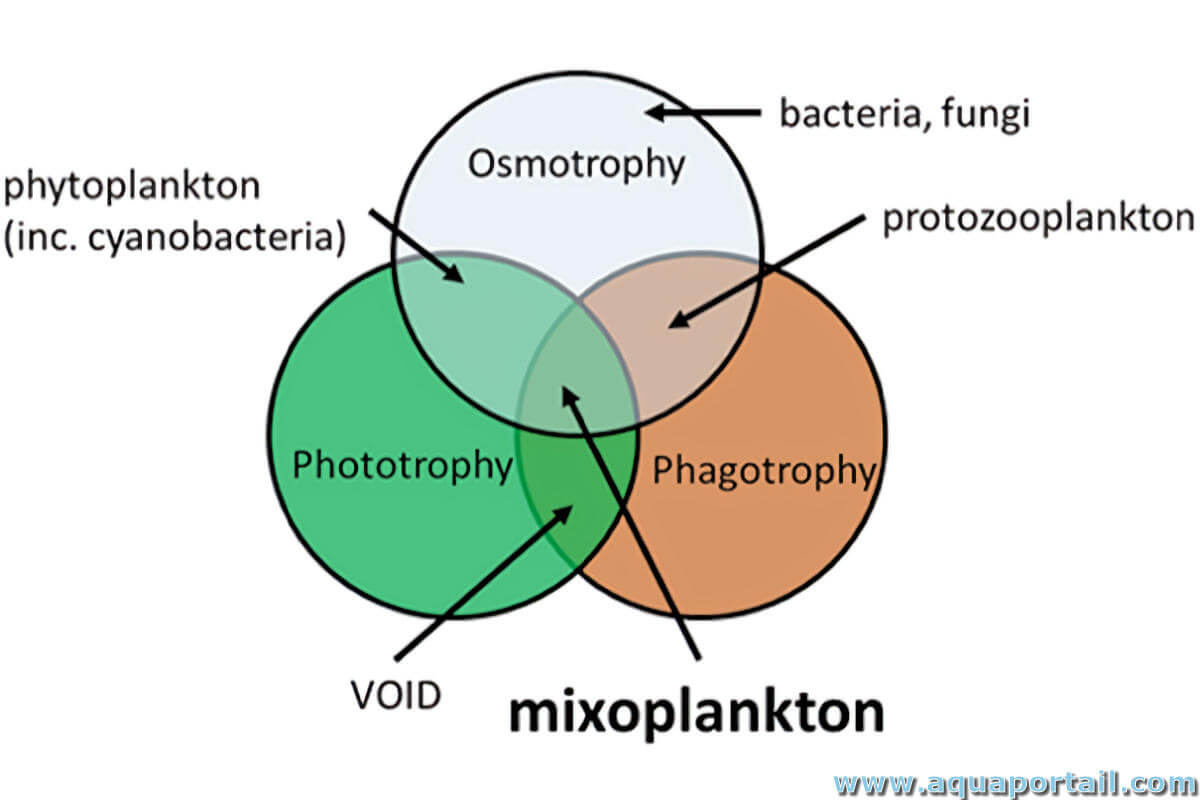
Osmotrophy is the behavior of cells or organisms that obtain nutrients by osmotic absorption of dissolved substances.
bio-purification
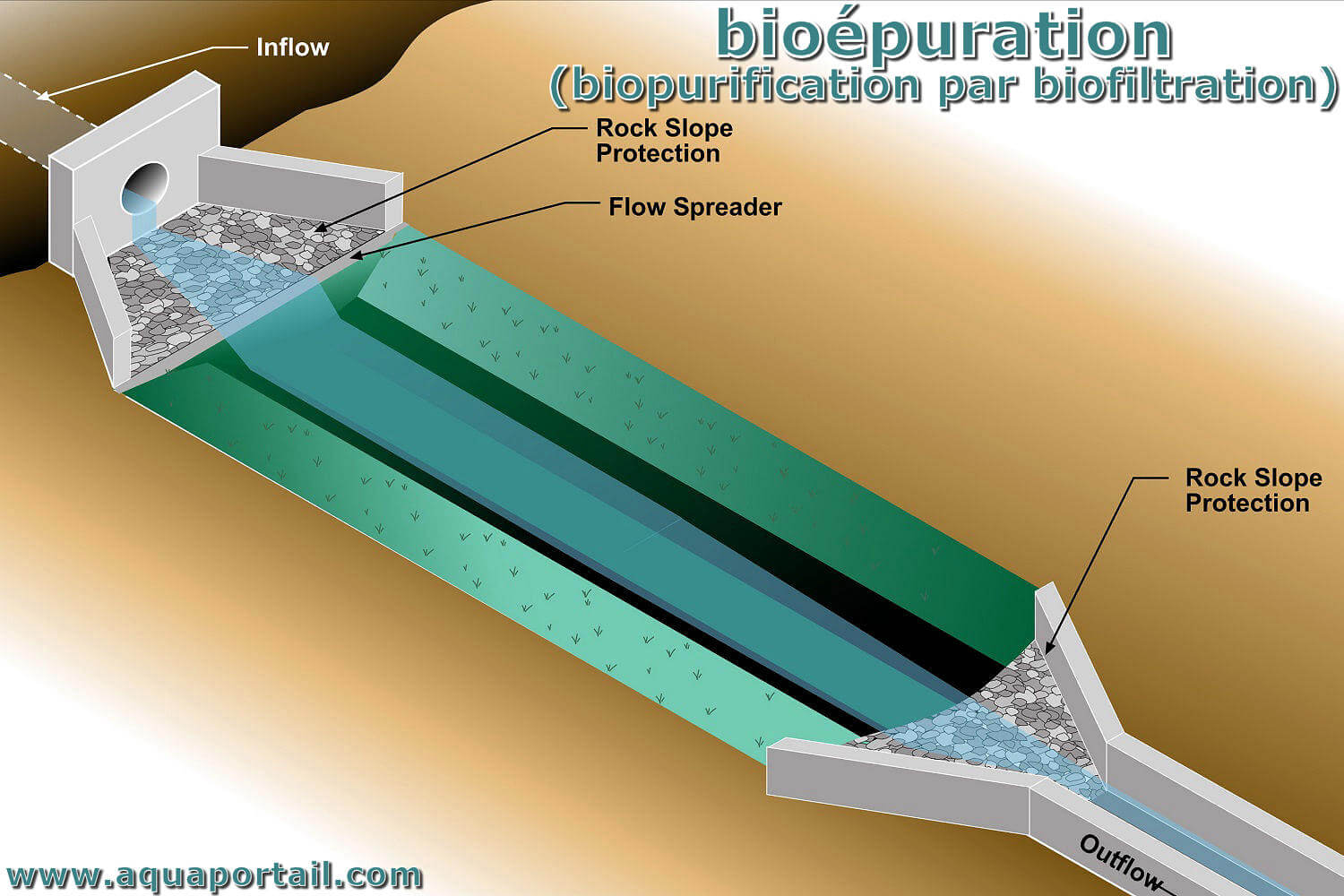
Bio-purification (biodepuration) refers to harnessing living organisms—such as plants, fungi, and symbiotic bacteria—to reduce pollution in an environment.
civilization

A civilization is generally defined as an advanced state of human society containing highly developed forms of government, culture, industry, and social...
