Ossicone
noun (n.)
Definition
An ossicone is one of two short conical or columnar protuberances on the heads of male and female giraffes and male okapis, composed of ossified cartilage covered with skin and hair. As the ossicones of Giraffids grow larger and ossify, they fuse with the skull.
The ossicones of a giraffe:
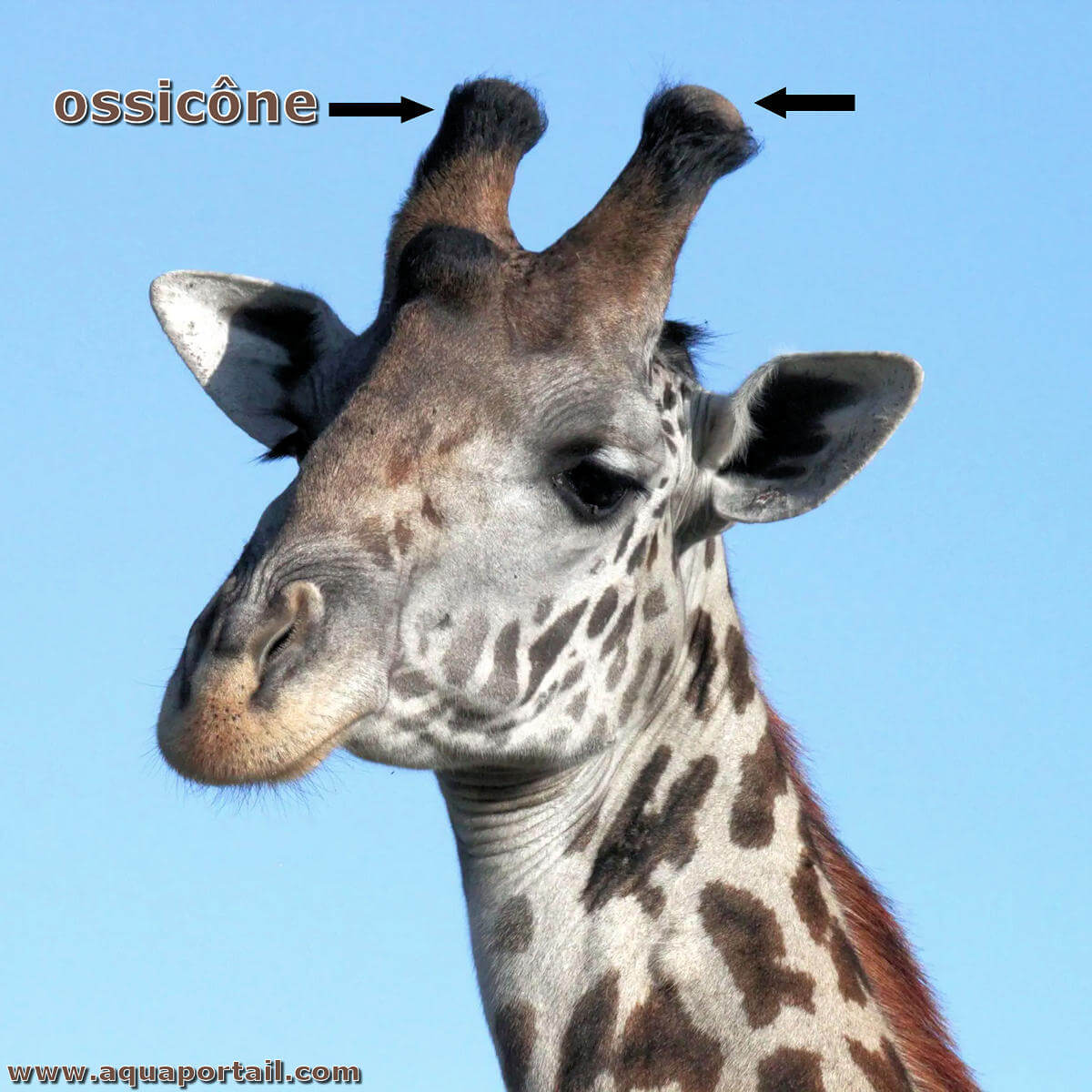
The ossicones of male giraffes are used as weapons during combat, serving a function similar to horns or antlers in other species (e.g., Cervids). Ossicones are wielded like clubs when male giraffes swing their heads; they add weight and concentrate impact force onto a small area, enabling them to deliver heavier blows with higher contact pressure.
Explanations
Ossicones are skin-covered columnar or conical bony structures on the heads of giraffes and okapis. Giraffe ossicones consist of a bony core covered by skin and attached to the skull by connective tissue. The bone, skin, and connective tissue of ossicones are all living, growing tissues supplied with blood vessels and nerves. The base of an ossicone is attached to the skull with innervated, vascularized connective tissue.
All male and female giraffes have a pair of ossicones on the parietal bones of the skull. Males also typically possess a single ossicone on the frontal bone. Around the age of sexual maturity, the ossicones fuse with the underlying skull bone, and growth continues as bone is added to the surface of the ossicones beneath the skin.
Ossicones play a role in giraffe sexual behavior and may also be used for thermoregulation. Male-male combat for access to breeding females generally involves giraffes using their heads like clubs to deliver ossicone blows to the body and legs of their opponent. The nerve bundles and rich blood supply within ossicones have LED some researchers to speculate that these structures may play a role in regulating brain temperature.
⭐ The blood vessels and nerves in ossicones may be adaptive traits promoting rapid healing of structures that appear important for male reproductive success.
A male okapi (Okapia johnstoni) with its ossicones:

In okapis (species Okapia johnstoni), only males have visible ossicones. In juveniles and females, they are so underdeveloped that they do not protrude.
Ossicones begin forming in utero as skin-covered connective tissue. The bony core of the ossicones begins to develop after birth as a nodule of bone tissue formed by ossification of dense connective tissue (sesamoid bone) beneath the skin, separate from the skull bone. Ossicones remain unattached for several years, growing at the skull-ossicone interface and by depositing bone onto the ossicone surface under the skin. Around sexual maturity, the ossicones fuse with the underlying bone and growth ceases at the skull-ossicone interface, though lamellar deposition on the ossicone surface under the skin continues and a knob-like tip may form.
In males, continued ossification of the skull and ossicones produces heavier and larger ossicones than in females. Male ossicones have an average circumference of 22 cm (8.7 in) and a length of 18 cm (7.1 in).
Synonyms, antonyms
Spanish translation: osicono
0 synonyms (similar meaning) for "ossicone".
0 antonyms (opposite meaning).
Related words and expressions to OSSICONE are directly connected by general or specific meaning.
The word OSSICONE is listed on page 1 of words starting with O in the dictionary glossary.
Related to "ossicone"
ocean basin

An ocean basin is a benthic environment taking the form of a depression in the ocean floor bounded by the lower part of the continental slope.
ocean floor

The ocean floor (seafloor) is the region of the deep seabed where the topography flattens out, typically just beyond the continental rise at the level...
oceanic

What is oceanic relates to the ocean and designates the marine zone, or ecological province, located far from the coast, beyond the continental shelf.
ocellus
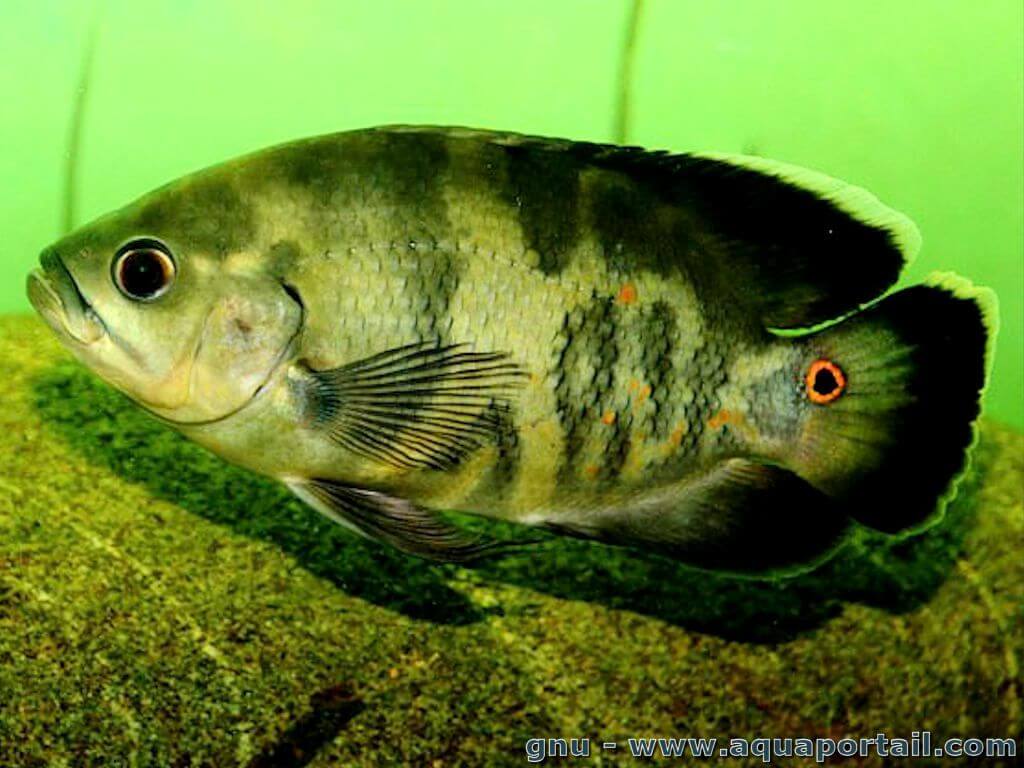
An ocellus (eyespot) is a ringed colored spot encircled by a zone of a different, usually sharply contrasting color, making it resemble an eye.
