Mitochondria
plural noun (n.pl.)
Definition
A mitochondrion (plural: mitochondria) is a mobile cytoplasmic organelle of eukaryotic cells that acts as a power plant by producing ATP and serves as the site of cellular respiration. Surrounded by a double membrane, it is absent in prokaryotes.
A mitochondrion :
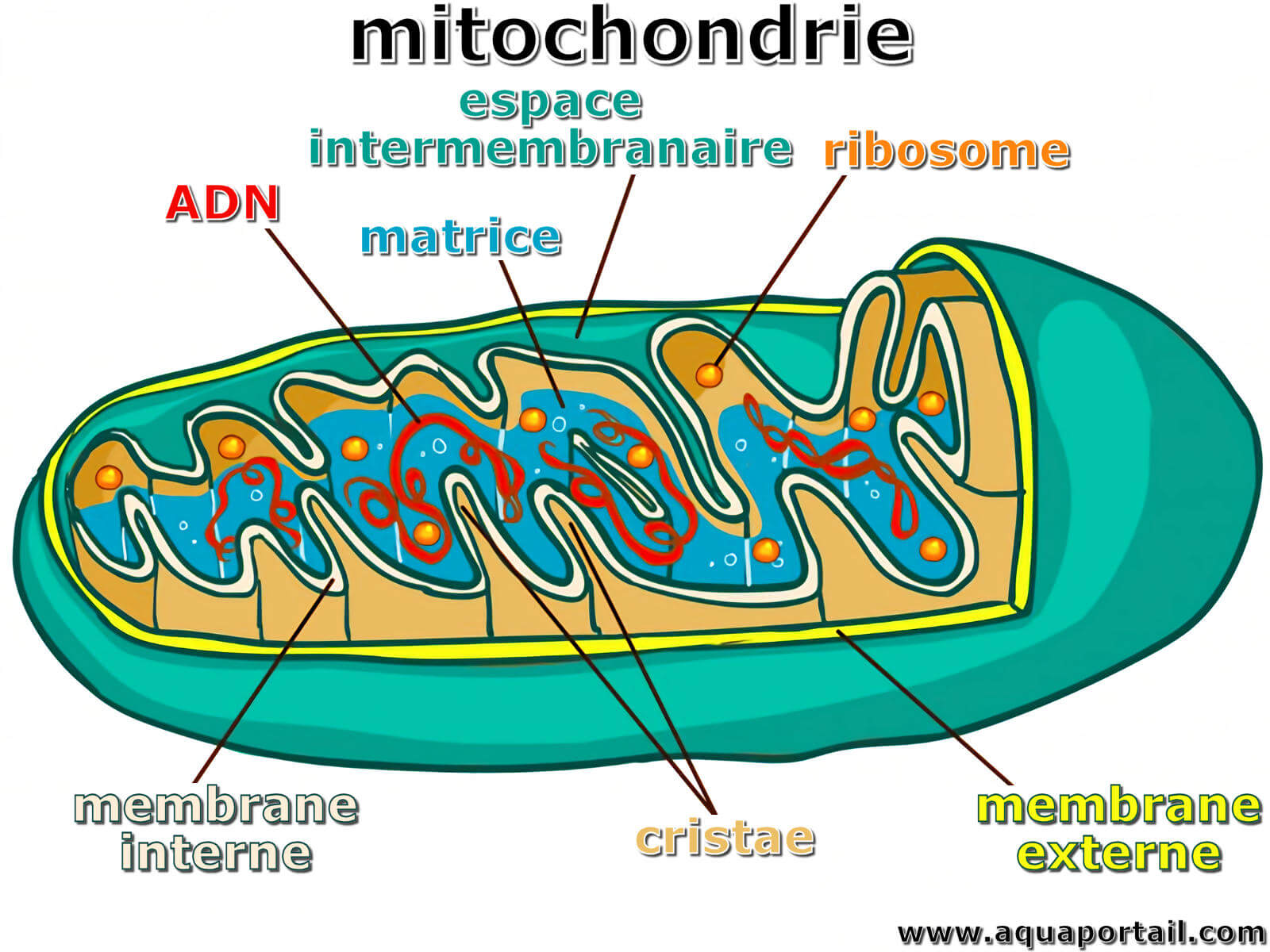
Mitochondria are small, essential organelles within cells, measuring between 0.75 and 3 micrometers (0.00003 to 0.00012 in). Their genome, often called the "mitochondrial gene group", consists of circular DNA containing essential genetic material. In humans, this mitochondrial DNA comprises 37 genes required for energy production via oxidative phosphorylation. These genes encode 13 proteins, 22 transfer RNAs (tRNAs), and 2 ribosomal RNAs (rRNAs), all of which play an essential role in cellular function.
Explanations
A mitochondrion is an intracellular organelle that provides the energy required for cellular activity through tissue respiration. It synthesizes ATP at the expense of metabolic fuels (glucose, fatty acids, and amino acids). It contains DNA called mitochondrial DNA.
✅ Regular physical activity stimulates mitochondrial biogenesis, the process of forming new mitochondria. aerobic exercises, such as running and swimming, as well as strength training, can improve the efficiency and number of mitochondria, thereby enhancing energy production and endurance.
The mitochondrion, within the cytoplasm, is bounded by a double membrane (hence its belonging to the domain of eukaryotes). It synthesizes adenosine triphosphate (ATP), which is the universal source of energy for living beings. They are sometimes described as "cellular powerhouses", because they generate the cell's supply of adenosine triphosphate (ATP), used as a source of chemical energy.
In addition to supplying cellular energy, mitochondria are involved in a range of other processes, such as cell signaling, cellular differentiation, cell death, as well as cell cycle control and cell growth.
A chondriome is the entirety of mitochondria contained within a cell.
Anatomy of a mitochondrion:
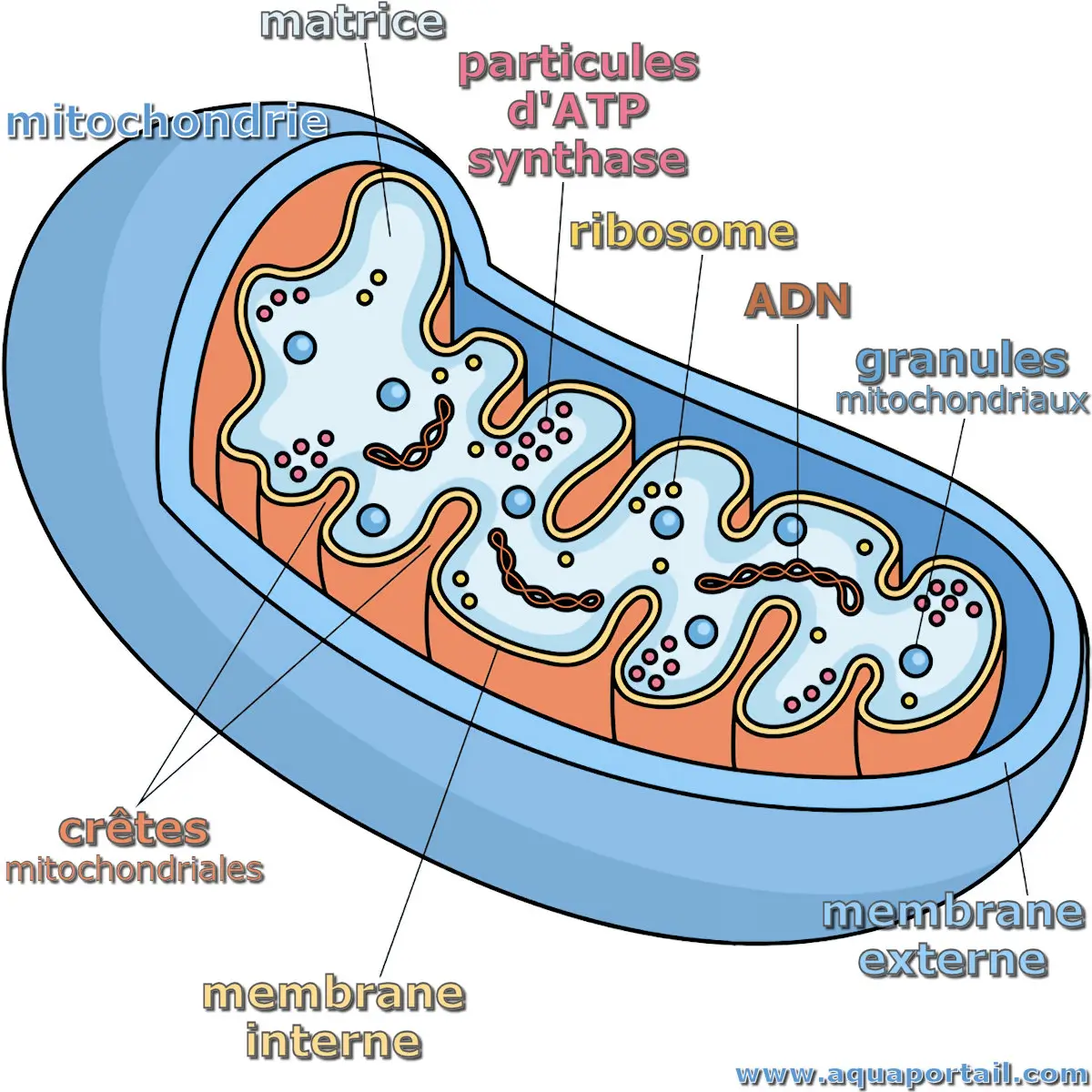
Mitochondria have an outer membrane permeable to ions, metabolites, and numerous polypeptides. They are characteristic of eukaryotes.
Mitochondria are surrounded by two membranes distinct in their functions and enzymatic activities, separating three spaces: the cytosol (or cytoplasmic matrix), the intermembrane space, and the mitochondrial matrix.
Synonyms, antonyms
Spanish translation: mitocondria
5 synonyms (similar meaning) for "mitochondria":
- cellular powerhouse
- chondriosome
- organelle
- plastid
- sarcosome
0 antonyms (opposite meaning).
Related words and expressions to MITOCHONDRIA are directly connected by general or specific meaning.
The word MITOCHONDRIA is listed on page 1 of words starting with M in the dictionary glossary.
Related to "mitochondria"
plastidial
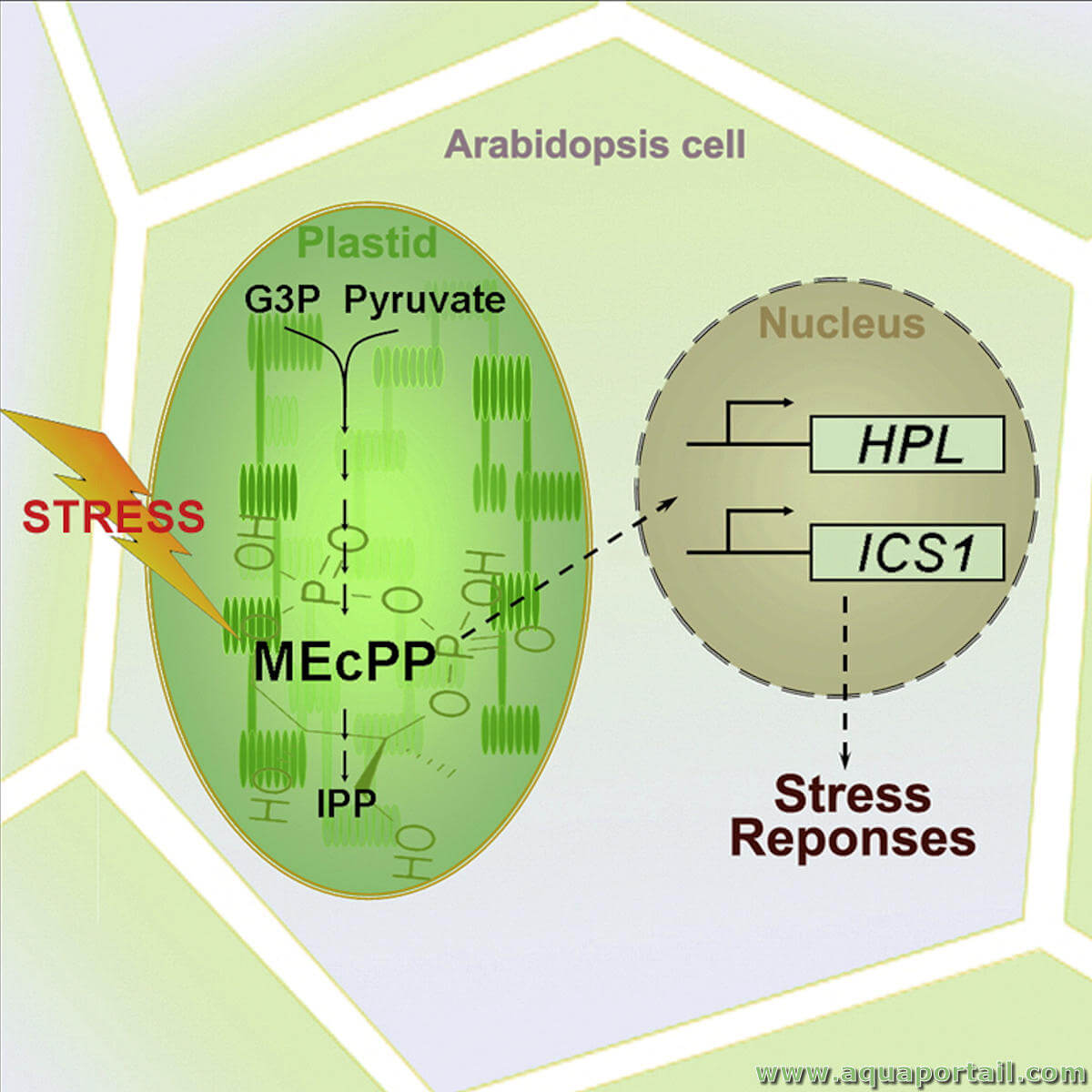
A plastidial (plastid-bearing) organism possesses or is composed of plastids. In an aplastidial plant or alga, the cells lack or have secondarily lost...
archaeoplastid
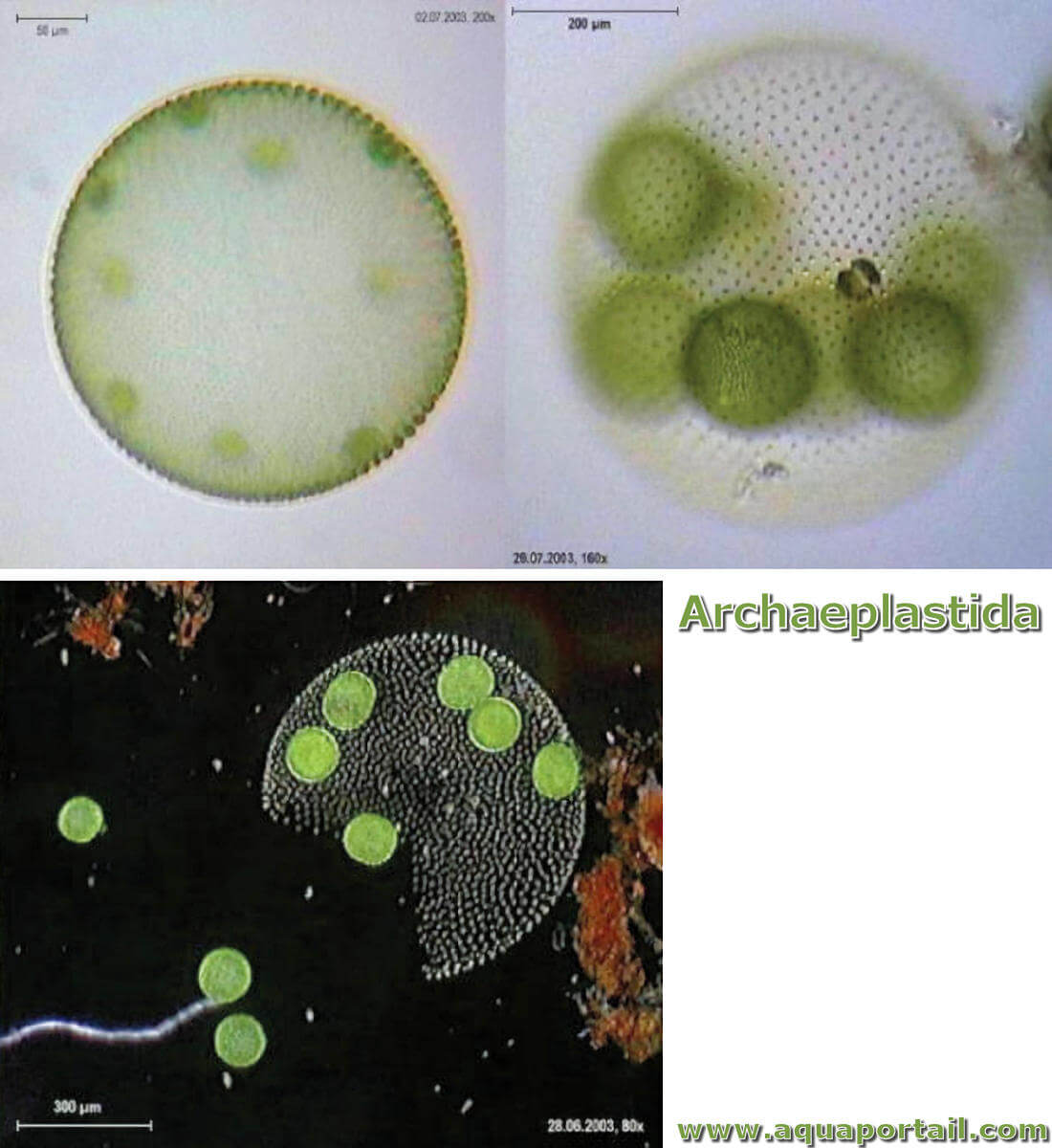
Any plastidome comprising only a single plastid within a cell or syncytium is termed archaeoplastid.
organelle

An organelle is a subcellular structure that performs one or more specific functions within the cell, much like an organ in the body.
madrepore

A madrepore (Madrepora) is a marine animal of the group of scleractinian corals possessing an external skeleton, typically an acropora and encompassing...
Simple summary
Mitochondria are specialized organelles found in most eukaryotic cells, often referred to as the "powerhouses" of the cell. Their primary function is to produce adenosine triphosphate (ATP), the cell's energy currency, through a process called oxidative phosphorylation. In addition to energy production, mitochondria are involved in various other processes, including the regulation of cellular metabolism, signaling, and apoptosis (programmed cell death). They possess their own DNA, distinct from nuclear DNA, reflecting their evolutionary origins.
