Genome
noun (n.)
Definition
The genome is the haploid set of chromosomal genetic material of an organism. It comprises the entirety of an organism's DNA, including its genes and non-coding sequences, which govern and regulate biological processes.
A set of genes forms a genome:

Multiple chromosomes make up a genome. The term designates a haploid set of chromosomes along with the genes they carry, that is, the genetic material of an organism.
Explanations
The genome is the complete set of chromosomes in a gamete or microorganism, or in each cell of a multicellular organism. The human genome is the combined DNA sequence of the haploid set of all chromosomes.
✅ The genome constitutes the complete instruction manual for building, maintaining, and reproducing the organism, encoding the information required to synthesize proteins and functional RNA molecules. Genome structure, organization, and sequence vary from species to species, which is studied in genetics and genomics.
DNA is the informational molecule of all living organisms, and an organism's DNA is called its genome. Some genomes are remarkably small, such as those of viruses and bacteria, whereas others reach an almost inexplicable size, such as those of certain plants. It remains challenging to understand why there appears to be no consistent correlation between biological complexity and genome size.
The human genome is composed of deoxyribonucleic acid (DNA) organized into 23 pairs of chromosomes (22 + X, or 22 + Y) in the nucleus of human cells, along with the small DNA molecule present inside individual mitochondria.
The human genome:

The genome is the complete set of DNA instructions contained within a cell. In humans, it consists of 23 pairs of chromosomes located in the cell nucleus, along with a small circular chromosome located in the mitochondrion.
To date, humans are the only life form to have sequenced their own genome, yet numerous life forms on Earth possess genomes far larger than ours.
Synonyms, antonyms
Spanish translation: genoma
5 synonyms (similar meaning) for "genome":
- epigenome
- genetic code
- genetic heritage
- genetic material
- hereditary material
0 antonyms (opposite meaning).
Related words and expressions to GENOME are directly connected by general or specific meaning.
The word GENOME is listed on page 1 of words starting with G in the dictionary glossary.
Related to "genome"
gabelle
The gabelle was an ancient excise tax on salt. This indirect tax remained the main source of revenue for the French monarchy until the Revolution of 1789...
galactan
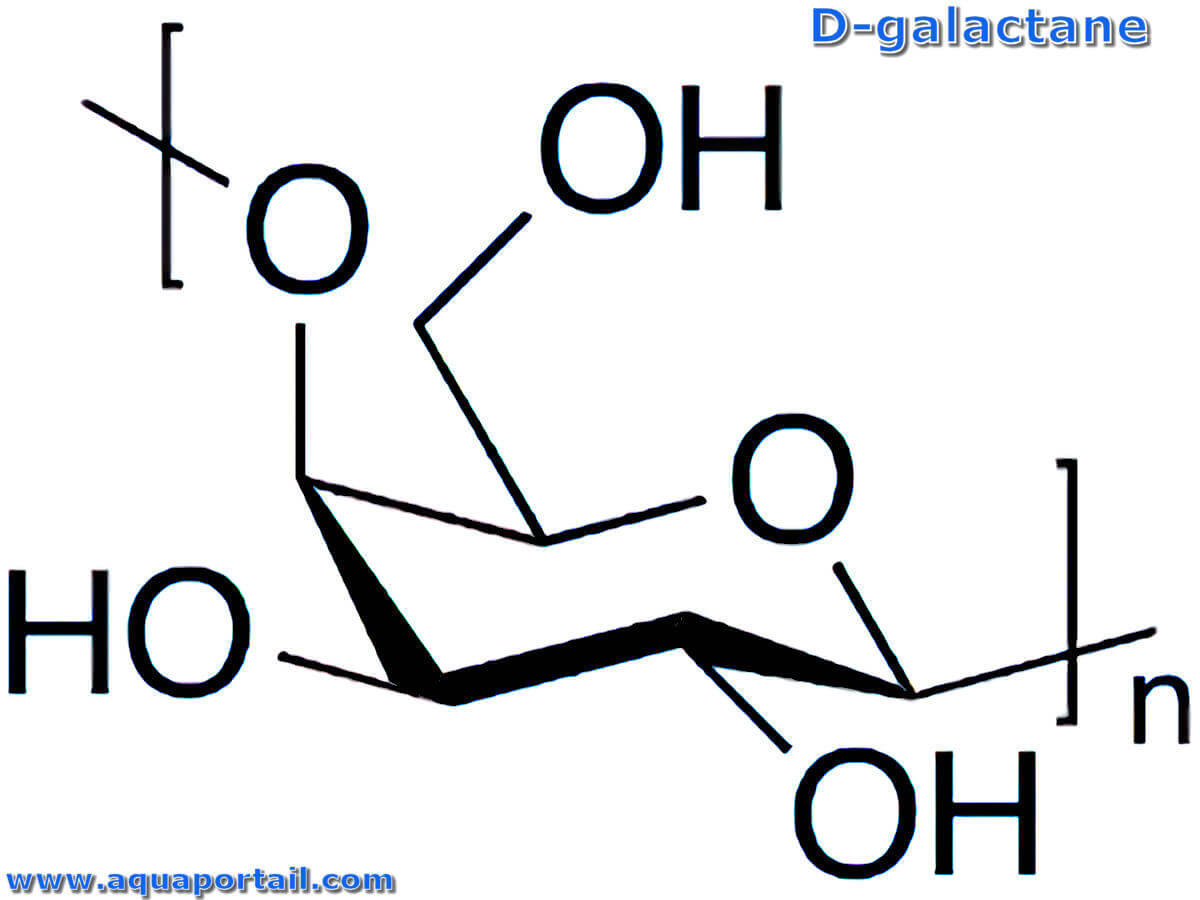
A galactan (galactosan) is a polymer composed of L- and D-galactose, a water-soluble hemicellulose made up of branched hydrosoluble polysaccharides.
gametangium

In botany, a gametangium is an organ or cell structure in which gametes are produced, as seen in mosses and liverworts.
gamete

A gamete is a male or female reproductive cell. This sexual cell is produced in the sex glands, or gonads. The male gamete is the spermatozoon, produced...
Simple summary
The genome designates the entirety of genetic material present in an organism. It contains all the instructions necessary for the development and functioning of an individual.
