Nucleus
noun (n.)
Definition
In biology, a nucleus is a spherical body, bounded by a double envelope, that contains the chromosomes of eukaryotic cells. This is the cell nucleus.
In botany, a stone (pit) is the lignified endocarp of a drupe, containing the seed or kernel.
In physics, the nucleus of an atom is composed of protons and neutrons and is surrounded by electrons.
A fresh almond contains a stone:
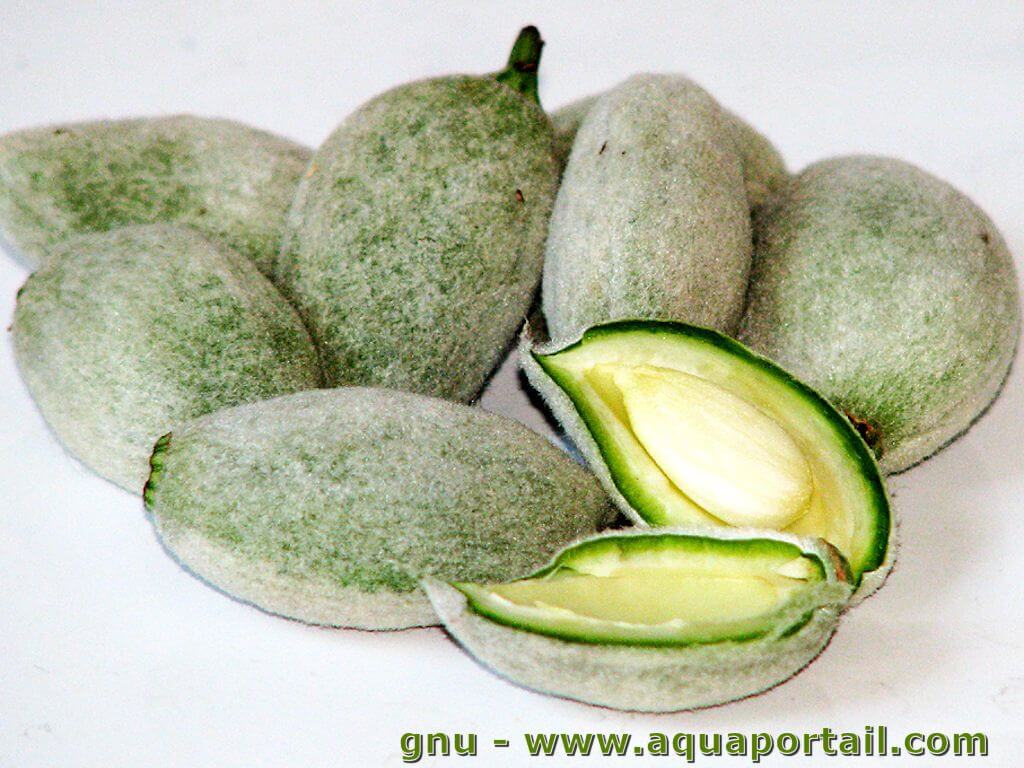
The single stone of a fruit such as an almond is protected by a solid endocarp, the hull; the almond (fruit of the almond tree) is a drupe.
Explanations
Nuclei can also be a cluster of neuronal cell bodies in the central nervous system; for example: the basal nuclei.
See also pronuclei for gametic nuclei.
Fully defined, a nucleus (nucleus of a nucleated cell) is an organelle specific to eukaryotes containing nearly the entire cellular genome. It is bounded by a nuclear envelope, which is a double membrane continuous with the rough endoplasmic reticulum and lined on its inner face by a meshwork of intermediate filaments (nuclear lamina). Exchanges between the nucleus and cytoplasm occur through nuclear pores. The nucleus contains the nucleoplasm, chromatin, the nucleolus or nucleoli, and primary transcripts. During cell division, chromatin condenses and the nuclear envelope breaks down (except in rare cases).
If the nucleus is very small, it may be a micronucleus. In prokaryotes, see also the nucleoid. For the removal of a nucleus, see enucleation.
In cytology
In cytology, a uninucleate cell has only a single nucleus, a binucleate cell has two nuclei, a multinucleate cell has several nuclei, and a plurimultinucleate structure comprises several nuclei within a single cytoplasm or several cells. If there is no nucleus, it is anucleate.
A detailed cell nucleus:

The nucleus of a human cell shows: the nuclear envelope with its two membranes, ribosomes, nuclear pores, nucleolus, nucleoplasm, and chromatin, distinguished into euchromatin and heterochromatin.
Dumbbell nucleus
A dumbbell nucleus refers to the nucleus of certain green algae in which the persistent mitotic spindle at telophase is prominent and the nuclear envelope persists, giving the nucleus a characteristic "dumbbell" shape: two spheres, containing the daughter chromosomes, linked by the spindle.
See also an accessory nucleus, a pyknotic nucleus, and Pander's nucleus.
Synonyms, antonyms
French translation:
noyauSpanish translation: núcleo
3 synonyms (similar meaning) for "nucleus":
0 antonyms (opposite meaning).
Related words and expressions to NUCLEUS are directly connected by general or specific meaning.
The word NUCLEUS is listed on page 1 of words starting with N in the dictionary glossary.
Related to "nucleus"
accessory nucleus

An accessory nucleus accompanies the embryonic oosphere within the embryo sac. Something accessory, in biology, is an additional, sometimes non-obligatory...
nucleoid

The nucleoid is an irregularly shaped region present in prokaryotic cells, such as bacteria and archaea, where the cell's genetic material, primarily...
nucleation
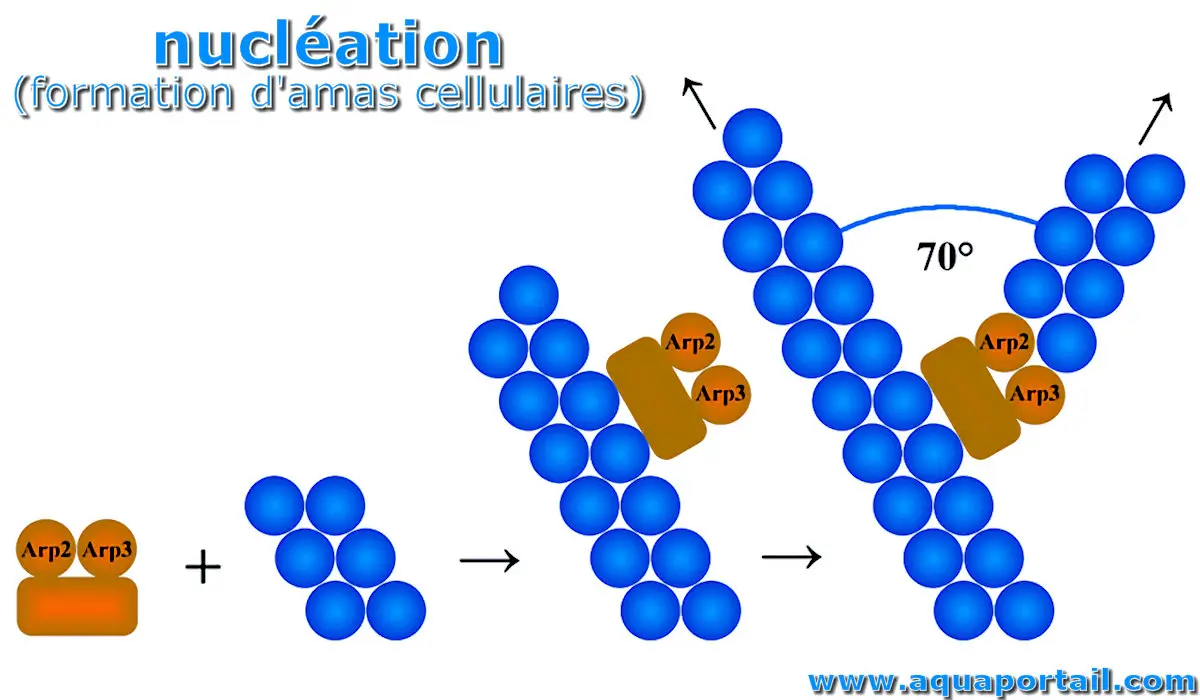
In physics and chemistry, nucleation is the initial formation of a nucleus or seed of a new thermodynamic phase (such as a crystal, gas bubble, or liquid...
nanandrous
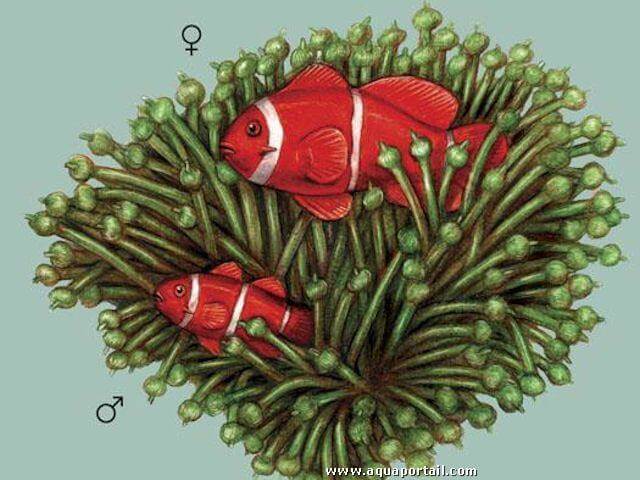
A nanandrous organism refers to a dwarf male individual. The root of the word dwarfism is easily identifiable and defines nanandry. Females, in fish...
